
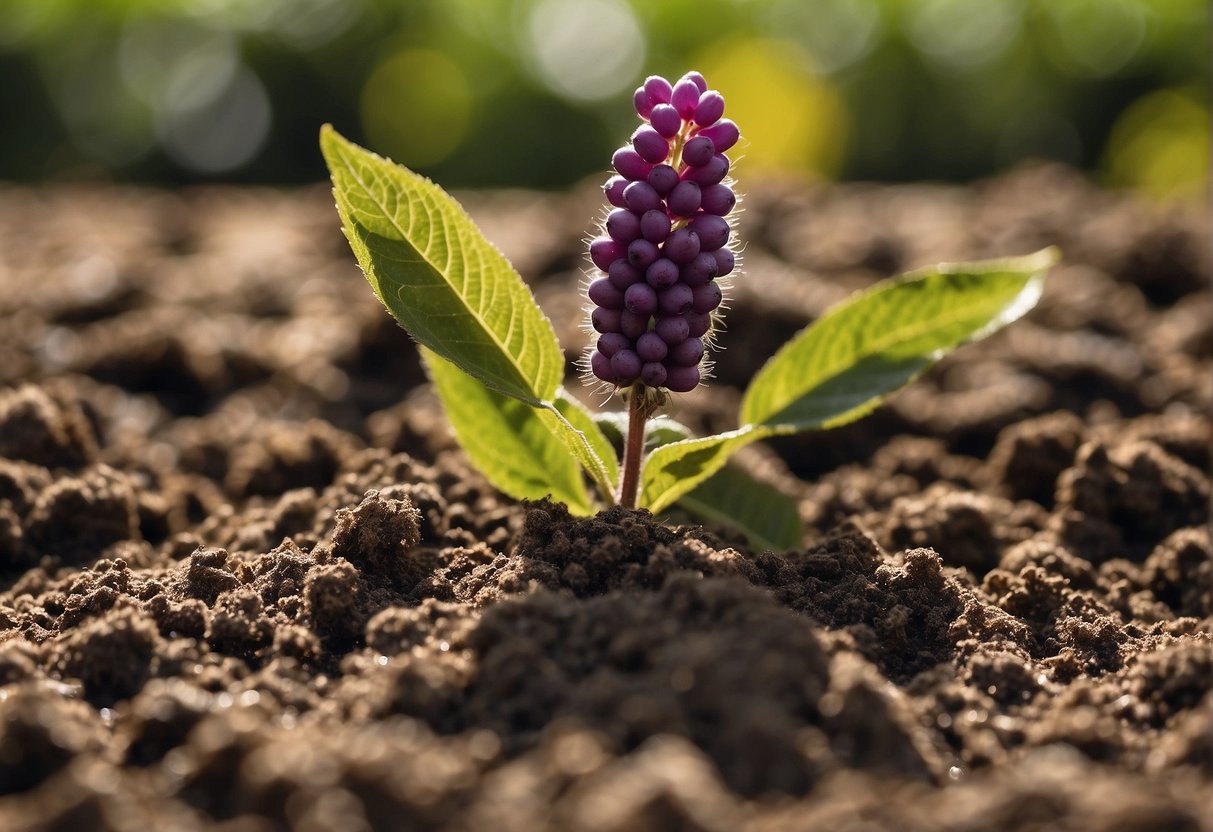
Where to Plant Beautyberry: Tips for Optimal Growth
Should you be in search of a shrub that demands little upkeep yet introduces a vibrant splash of color to your landscape, the beautyberry could perfectly meet your requirements. This deciduous shrub stands out with its vivid purple berry clusters that make their appearance in the later part of summer through to autumn. Nonetheless, the key to having a flourishing beautyberry lies in selecting the ideal spot for its planting.
Understanding Beautyberry
Beautyberry (Callicarpa spp.) is a genus of about 140 species of shrubs and small trees that are native to Asia, North America, and South America. The most commonly grown species are Callicarpa americana and Callicarpa dichotoma. These shrubs typically grow to be 3-6 feet tall and wide, and they have simple, opposite leaves that are about 2-5 inches long. The flowers are small and inconspicuous, but the berries that follow are what make beautyberry so attractive.
Choosing the Right Location
To ensure that your beautyberry thrives, you need to choose the right location for planting. Beautyberry prefers well-drained soil that is rich in organic matter, and it will tolerate a range of soil types, including sandy, loamy, and clay soils. This shrub also prefers partial shade to full sun, although it will tolerate some shade. When selecting a location, make sure the site has good air circulation to prevent fungal diseases.
Understanding Beautyberry
Species Overview
Beautyberry, also known as Callicarpa, is a genus of shrubs that belongs to the mint family. There are over 140 species of beautyberry, but the two most common types are American beautyberry (Callicarpa americana) and Japanese beautyberry (Callicarpa dichotoma). Both types of beautyberry are deciduous shrubs that produce leaves, flowers, and berries.
Habitat and Native Range
Beautyberry is native to North America and the southeastern United States. It is commonly found in wooded areas, along streams and rivers, and in other moist habitats. American beautyberry is found from Maryland to Florida and west to Texas, while Japanese beautyberry is native to China, Japan, and Korea.
Botanical Characteristics
Beautyberry is a deciduous shrub that grows up to 6 feet tall and 6 feet wide. It has green leaves that are 2-6 inches long and 1-3 inches wide. The flowers are small, pink or white, and bloom in the summer. The berries are the most distinctive feature of the beautyberry. They are purple berries that grow in clusters around the stem. Some varieties of beautyberry produce white fruit instead of purple.
When planting beautyberry, it is important to consider the type of beautyberry you have and its native range. American beautyberry prefers partial shade and moist soil, while Japanese beautyberry can tolerate full sun and drier soil. Beautyberry is a great addition to any garden because of its unique berries and attractive foliage.
Choosing the Right Location
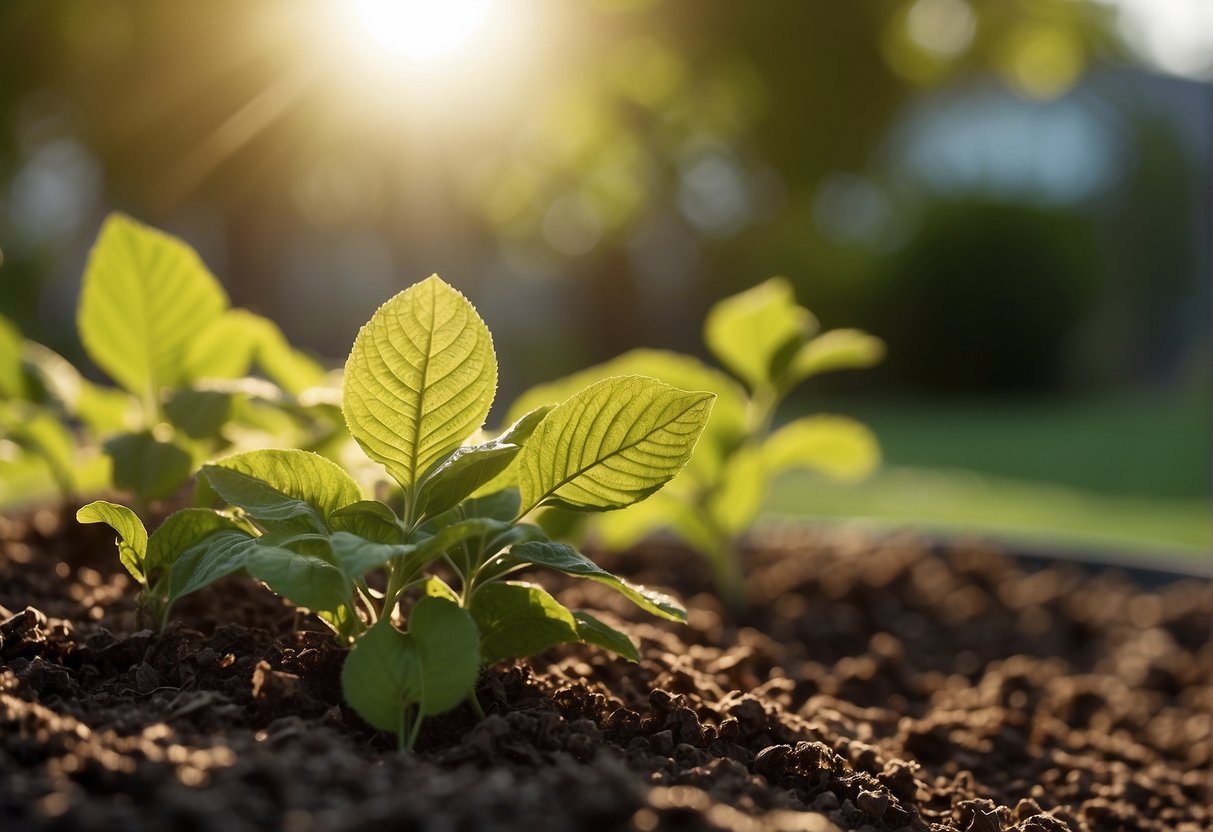
When selecting a location for your beautyberry plant, there are a few important factors to consider. The following subsections will help guide you in choosing the right location for your beautyberry plant.
Light Requirements
Beautyberry plants thrive in full sun to part shade. If you plant your beautyberry in full sun, it will produce more berries, but it will also require more water. On the other hand, if you plant it in part shade, it will require less water but will produce fewer berries.
Soil Preferences
Beautyberry plants prefer moist, well-drained soil with a pH between 5.5 and 6.5. If your soil is too alkaline, you can add organic matter to lower the pH. It is also important to ensure that the soil has good drainage, as beautyberry plants do not tolerate standing water.
Climate and Hardiness
Beautyberry plants are native to the southeastern United States and are hardy in USDA zones 6 to 10. They are drought-tolerant and can handle high temperatures and humidity. However, they may not survive in areas with harsh winters or extreme cold temperatures.
By considering these factors when selecting a location for your beautyberry plant, you can ensure that it will thrive and produce beautiful berries for years to come.
Planting Beautyberry
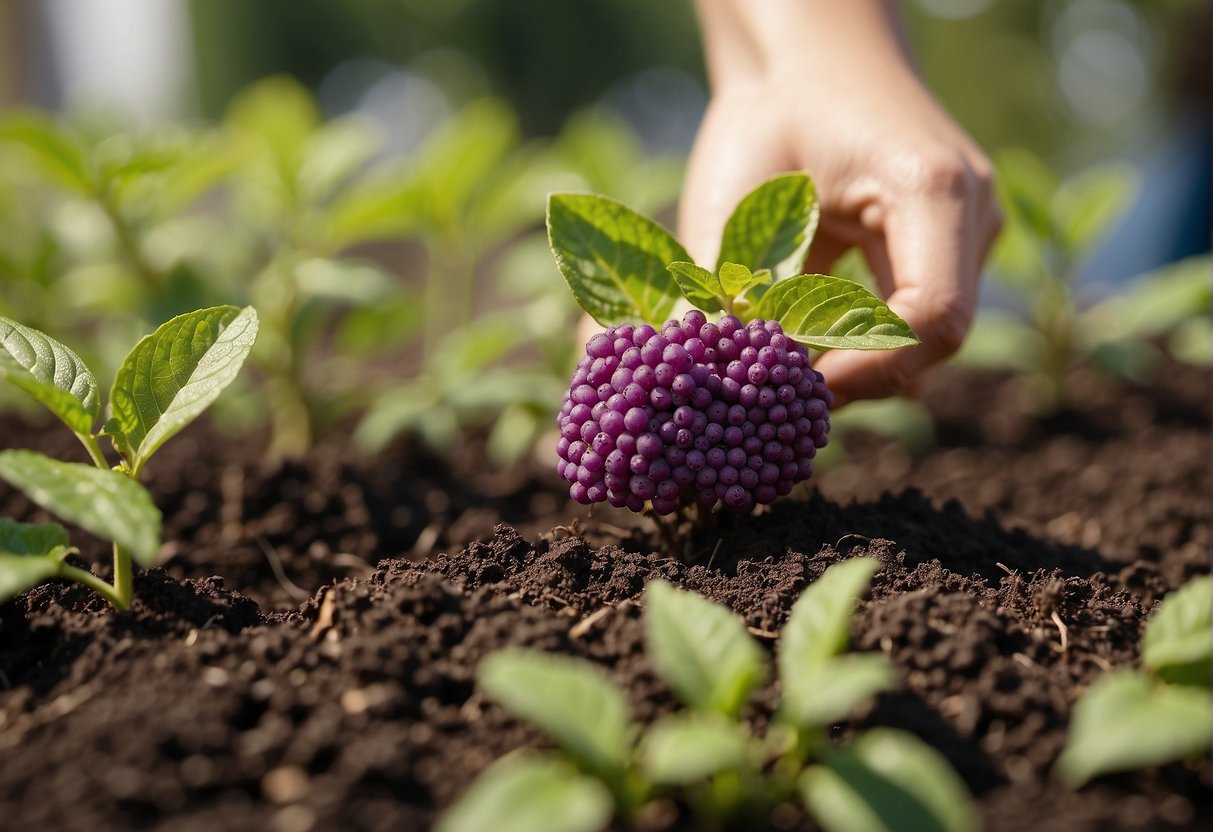
If you’re thinking about adding beautyberry to your garden, you’re in for a treat. This deciduous shrub produces stunning purple berries that can last well into winter, making it a great addition to any garden. Here are some tips for planting beautyberry:
Best Time to Plant
The best time to plant beautyberry is in the fall or early summer. This will give the plant time to establish itself before the winter months. If you’re planting in the fall, do so at least 4-6 weeks before the first frost to allow the roots to settle in. If you’re planting in the summer, make sure to water the plant frequently to keep the soil moist.
Planting Technique
When planting beautyberry, choose a location that receives full to partial sun and has well-draining soil. Dig a hole that is twice the width of the root ball and as deep as the container. Gently remove the plant from the container and loosen any tangled roots. Place the plant in the hole and backfill with soil, making sure to keep the top of the root ball level with the soil surface. Water the plant thoroughly after planting.
Spacing and Depth
When planting beautyberry, make sure to space the plants at least 4-6 feet apart to allow for adequate air circulation. The depth of the hole should be the same as the container or root ball. Make sure to plant the beautyberry at the same depth it was in the container to avoid burying the stem.
Watering
Beautyberry prefers moist soil, so make sure to water the plant regularly, especially during the first growing season. Once established, the plant can tolerate some drought, but it’s still important to keep the soil moist during dry spells.
Bloom Time
Beautyberry produces small, pink flowers in the summer, which are followed by the purple berries in the fall. The berries can last well into winter, providing food for birds and adding color to your garden.
By following these tips, you can enjoy the beauty of this stunning shrub in your garden for years to come.
Caring for Beautyberry
When it comes to caring for beautyberry, there are a few important things to keep in mind. This plant is relatively low-maintenance, but it still requires some attention in order to thrive. In this section, we’ll cover the basics of watering, fertilizing, pruning, and general maintenance for your beautyberry plant.
Watering and Moisture
Beautyberry plants prefer moist, well-drained soil. It’s important to keep the soil around your plant consistently moist, but not waterlogged. During the growing season, you should aim to water your beautyberry plant about once a week. However, if you’re experiencing a particularly hot and dry summer, you may need to water more frequently.
Fertilizing and Soil Health
Beautyberry plants prefer slightly acidic soil with a pH between 5.5 and 6.5. If your soil is too alkaline, you can add organic matter such as compost or peat moss to help lower the pH. Fertilizing your beautyberry plant once a year in the spring with a balanced fertilizer can also help keep it healthy and promote new growth.
Pruning and Maintenance
Pruning your beautyberry plant is important for maintaining its shape and promoting new growth. You should prune your plant in the late winter or early spring before new growth begins. Remove any dead or damaged branches, as well as any branches that are crossing or rubbing against each other. You can also prune back the tips of branches to encourage bushier growth.
In terms of general maintenance, beautyberry plants are relatively low-maintenance. However, you should keep an eye out for any signs of disease or pests, and take action as needed. If you want to propagate your beautyberry plant, you can take softwood cuttings in the early summer and root them in moist soil.
Propagation Methods
If you want to propagate beautyberry, you have several methods to choose from. Here are three methods that you can try to grow your own beautyberry plants.
Growing from Seed
Growing beautyberry from seed can be a bit challenging, but it is possible. First, you will need to collect the seeds from ripe berries in the fall. After cleaning the seeds, you can plant them in a well-draining soil mix in a pot. Keep the soil moist and warm, and the seeds should germinate within a few weeks. Once the seedlings are large enough, you can transplant them into larger pots or into the ground.
Cuttings and Division
Another way to propagate beautyberry is through cuttings or division. You can take softwood cuttings in the early summer and root them in a soil mix. Make sure to keep the soil moist and provide some shade to prevent the cuttings from drying out. After a few weeks, the cuttings should root and can be transplanted into larger pots or into the ground.
You can also divide mature beautyberry plants in the spring or fall. Simply dig up the plant and carefully separate the root ball into smaller sections. Replant the sections in a well-draining soil mix and keep the soil moist until the new plants are established.
Potting and Repotting
When potting or repotting beautyberry plants, make sure to use a well-draining soil mix. You can mix equal parts of peat moss, perlite, and vermiculite to create a good soil mix. Make sure the pot has drainage holes to prevent water from accumulating in the soil.
When repotting, choose a pot that is one size larger than the current pot. Gently remove the plant from the old pot and loosen any tangled roots. Place the plant in the new pot and fill with the soil mix. Water the plant thoroughly and place it in a shady spot for a few days to help it recover from transplant shock.
By using these propagation methods, you can easily grow your own beautyberry plants and enjoy their beautiful berries in the fall.
Pests and Problems
When it comes to planting beautyberry, there are a few pests and problems that you should be aware of. However, with the right care and attention, you can keep these issues under control.
Common Pests
One of the most common pests that can affect beautyberry is the Japanese beetle. These beetles can cause significant damage to the leaves and flowers of the plant. To control Japanese beetles, you can use insecticidal soap or neem oil. You can also try handpicking the beetles off the plant.
Another pest that can be a problem for beautyberry is the spider mite. These tiny pests can cause the leaves to yellow and drop from the plant. To control spider mites, you can use a strong spray of water to knock them off the plant. You can also use insecticidal soap or neem oil.
Diseases and Disorders
Beautyberry is generally a healthy plant, but there are a few diseases and disorders that can affect it. One of the most common diseases is powdery mildew. This fungal disease can cause a white powdery coating to form on the leaves of the plant. To control powdery mildew, you can use a fungicide spray.
Another problem that can affect beautyberry is root rot. This can be caused by overwatering or poorly draining soil. To prevent root rot, make sure that the soil is well-draining and that you’re not overwatering the plant.
Overall, with the right care and attention, you can keep pests and problems under control when planting beautyberry. Keep an eye out for any signs of pests or diseases, and take action quickly to prevent them from spreading.
Landscape Uses and Ornamental Value
Design Considerations
Beautyberry is a versatile plant that can be used in a variety of garden settings. It is an excellent choice for mixed borders, mass plantings, or as a specimen plant. The plant’s striking color and texture make it a standout in any garden. Beautyberry is also an excellent companion plant for hydrangeas, as the two plants complement each other well.
When selecting a cultivar of beautyberry, consider the size of the plant, as well as the color of the berries. Some cultivars, such as the weeping form, are better suited for smaller gardens, while others, such as the American Robin, are better suited for larger gardens. Additionally, some cultivars have pink or white berries, which can add an extra pop of color to your garden.
Wildlife and Ecological Benefits
Beautyberry is not only an ornamental plant but also provides numerous benefits to wildlife and the environment. The plant’s berries are a food source for birds, including the American Robin, as well as other animals such as armadillos, foxes, opossums, squirrels, raccoons, and deer. Additionally, beautyberry is a host plant for butterflies, making it an excellent choice for butterfly gardens.
The plant’s ecological benefits extend beyond its role as a food source. Beautyberry is also a natural insect repellent, making it a great addition to gardens that are prone to insect infestations. The plant contains compounds that repel mosquitoes, ticks, and other insects, making it an excellent choice for outdoor living areas.
In conclusion, beautyberry is a versatile and attractive plant that provides numerous benefits to both gardeners and wildlife. Whether used as a specimen plant or in mass plantings, beautyberry is sure to add a pop of color and texture to any garden. Additionally, the plant’s ecological benefits make it an excellent choice for gardeners looking to create a more sustainable and wildlife-friendly garden.
Frequently Asked Questions
What are the ideal growing conditions for beautyberry?
Beautyberry plants prefer to grow in well-drained soil that is rich in organic matter. They thrive in areas with partial shade to full sun exposure. The ideal temperature range for beautyberry is between 20 to 30 degrees Celsius.
How much sunlight is required for a healthy beautyberry plant?
Beautyberry plants require at least 6 hours of direct sunlight per day to grow and produce fruit. However, they can tolerate partial shade and still produce fruit.
What soil type is best suited for cultivating beautyberry?
Beautyberry plants prefer well-drained soil that is rich in organic matter. They can grow in a variety of soil types, including sandy, loamy, and clay soil. However, the soil should not be too wet or too dry.
How do you incorporate beautyberry into landscape design?
Beautyberry plants can be used as a focal point in a garden or as a border plant. They can also be grown in containers or as a hedge. Their bright purple berries add a pop of color to any landscape design.
What are the space requirements for planting beautyberry?
Beautyberry plants can grow up to 6 feet tall and wide, so they require ample space to grow. They should be planted at least 4 to 6 feet apart to allow for proper growth and air circulation.
Can beautyberry thrive in colder climates like Zone 4 or 5?
Beautyberry plants are hardy in USDA zones 6 to 10. However, they can still grow in colder climates like zone 4 or 5 if they are protected from harsh winter winds and given extra mulch to insulate the roots.

