
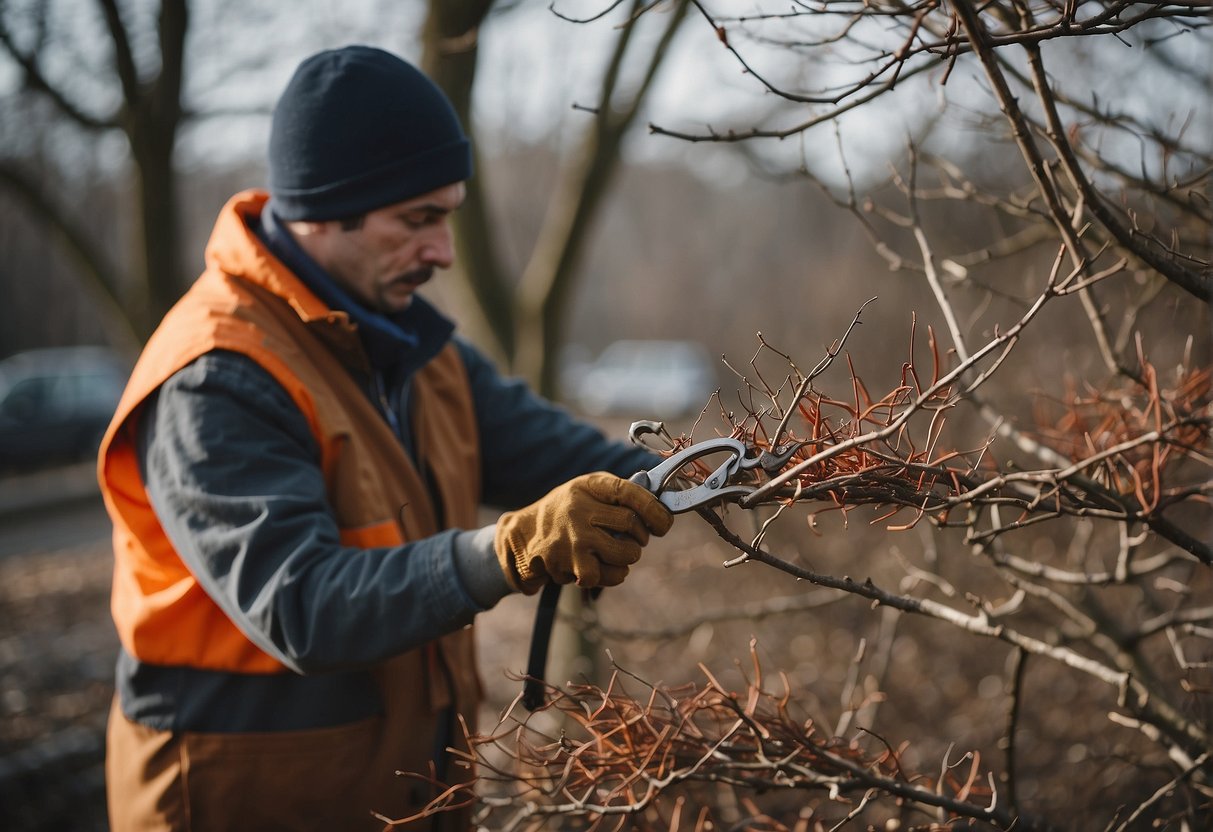
When to Trim Firebush: Expert Advice for a Healthy and Beautiful Plant
If you’re someone who enjoys gardening and happens to have a firebush planted in your yard, you might be curious about the optimal time to prune it. Pruning your firebush plays a crucial role in its upkeep and health, ensuring the plant remains vibrant and attractive. Within this article, we’re going to explore the ideal timing for trimming your firebush, in addition to covering other vital elements of caring for firebush.
Understanding firebush is essential to knowing when to trim it. Firebush, also known as Hamelia patens, is a tropical shrub that produces bright red-orange tubular flowers. It is a popular choice for gardeners due to its attractive appearance and ability to attract wildlife. Firebush is a fast-growing plant that can reach heights of up to 15 feet, so pruning it regularly is essential to keep it under control. In the following sections, we’ll discuss the optimal conditions for firebush, pruning basics, and the benefits of pruning firebush.
Key Takeaways
- Trimming firebush is an essential part of its care and maintenance.
- Firebush is a tropical shrub that requires regular pruning to keep it under control.
- Pruning firebush helps to promote healthy growth and maintain its attractive appearance.
Understanding Firebush
If you’re planning to trim your firebush, it’s important to understand the plant’s botanical profile, growth characteristics, and regional varieties. Here’s what you need to know:
Botanical Profile
Firebush (Hamelia patens) is a woody shrub that belongs to the Rubiaceae family. It is native to South America, Mexico, and Central America, but is also commonly found in South Florida. The plant can grow up to 15 feet tall and 10 feet wide, although it is usually smaller in cultivation.
There are several regional varieties of firebush, including Hamelia patens var. glabra, which has hairless leaves and stems.
Growth Characteristics
Firebush is a perennial plant that can thrive in a variety of soil types, including sandy, loamy, and clay soils. It prefers full sun to partial shade and can tolerate drought conditions.
The plant produces clusters of tubular, bright orange-red flowers that attract hummingbirds and butterflies. It also produces small, black berries that are edible but not commonly consumed.
Regional Varieties
In South Florida, firebush is often used as a hedge or border plant due to its attractive foliage and vibrant flowers. It is also used in butterfly gardens and as a food source for wildlife.
In its native range, firebush is used for medicinal purposes, including treating fevers, diarrhea, and skin conditions.
Overall, understanding the botanical profile, growth characteristics, and regional varieties of firebush can help you determine when and how to trim the plant for optimal growth and beauty.
Optimal Conditions for Firebush
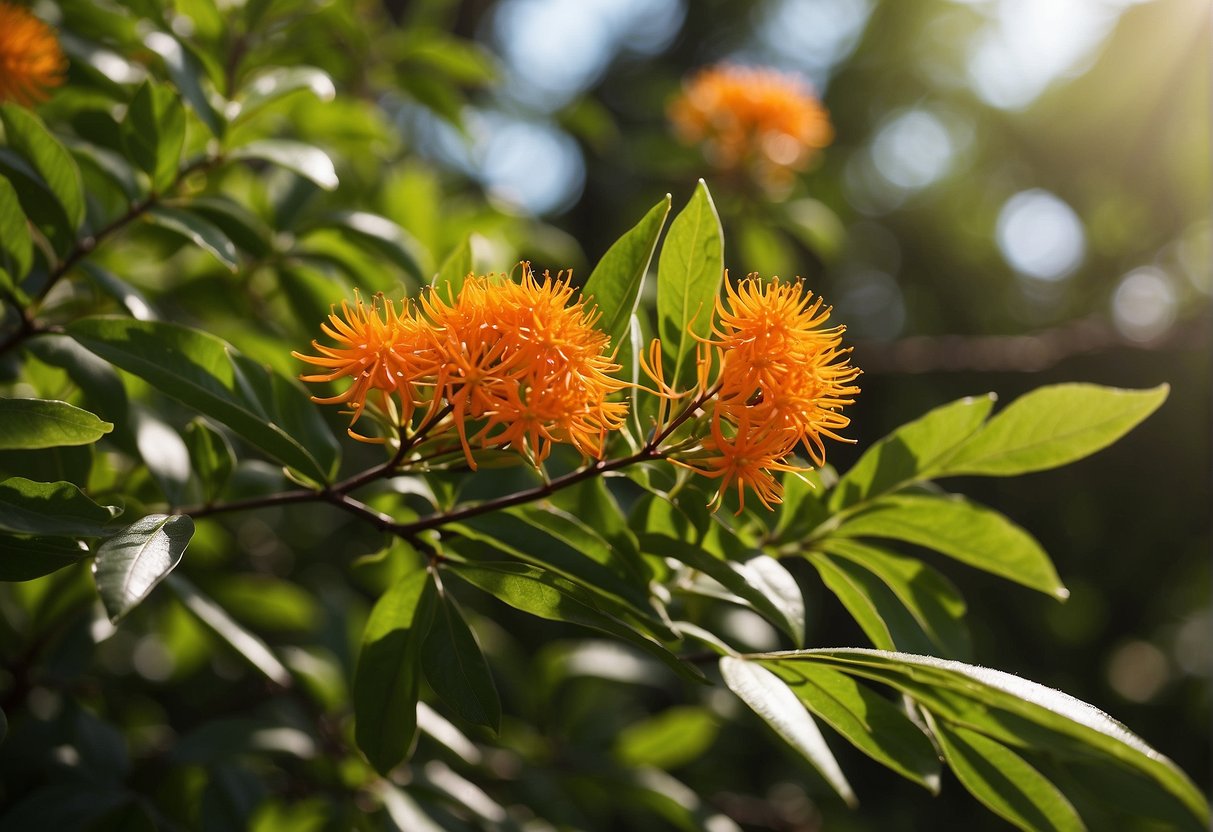
Firebush is a beautiful flowering shrub that can add color and vibrancy to any garden or landscape. However, to ensure that it thrives and produces abundant blooms, it’s important to provide it with the right growing conditions. Here are some optimal conditions for growing firebush:
Soil and Water Requirements
Firebush prefers well-drained soil that is rich in organic matter. It can tolerate a range of soil pH levels, but a slightly acidic soil with a pH between 5.5 and 6.5 is ideal. To ensure that the soil stays moist but not waterlogged, water the plant deeply once a week during the growing season. If the weather is particularly hot and dry, you may need to water it more frequently.
Light and Temperature Needs
Firebush thrives in full sun to partial shade. It can tolerate some shade, but it will produce fewer blooms in low-light conditions. It is also important to provide firebush with the right temperature conditions. It is a tropical plant that prefers warm temperatures between 60 and 85 degrees Fahrenheit. If temperatures drop below 50 degrees Fahrenheit, the plant may struggle to survive.
To summarize, firebush requires well-drained soil, regular watering, and full sun to partial shade. It also prefers warm temperatures between 60 and 85 degrees Fahrenheit. By providing it with these optimal conditions, you can ensure that your firebush thrives and produces beautiful blooms.
Pruning Basics
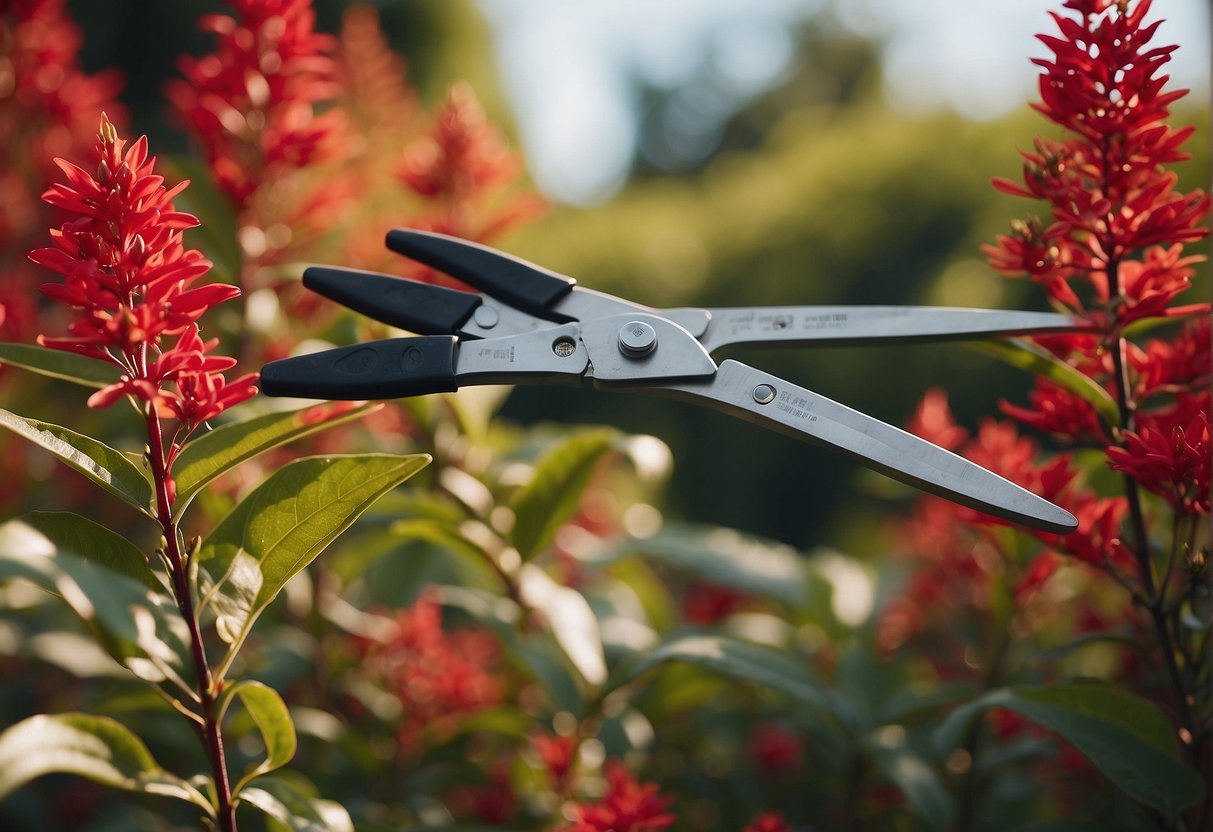
When it comes to pruning firebush, there are a few basic principles that you should keep in mind. By following these principles, you can help ensure that your firebush stays healthy and looks its best.
Best Time to Prune
The best time to prune firebush is in the late winter or early spring. This is when the plant is dormant and has not yet started to produce new growth. By pruning at this time, you can help stimulate new growth and encourage the plant to produce more flowers.
Pruning Techniques
When pruning firebush, it is important to use the right techniques. Hand trimming is generally the best approach, as it allows you to carefully control the amount of growth that you remove. Make sure that your tools are keen-edged and clean to avoid damaging the plant.
When pruning, focus on removing any dead or damaged branches, as well as any crossing or rubbing branches. You can also prune to shape the plant, but be careful not to remove too much growth at once.
Pruning Tools
To prune firebush effectively, you will need the right tools. A good pair of pruning shears is essential, as is a pruning saw for larger branches. Make sure that your tools are clean and sharp, as this will help prevent damage to the plant.
In addition to pruning shears and a saw, you may also want to consider using loppers for thicker branches. These tools can help you make clean, precise cuts without putting too much strain on your hands.
By following these pruning basics, you can help keep your firebush healthy and looking its best. With the right tools and techniques, you can ensure that your plant produces plenty of flowers and stays in great shape for years to come.
Benefits of Pruning Firebush
Firebush is a popular landscaping plant known for its vibrant red flowers and ability to attract hummingbirds and butterflies. Pruning your firebush regularly can help promote healthy growth and improve the overall appearance of your plant. Here are some benefits of pruning firebush:
Encouraging Blooms and Fruits
Pruning your firebush can help encourage the growth of new blooms and fruits. By removing dead or damaged branches, you allow the plant to focus its energy on producing new growth. Additionally, pruning can help promote air circulation and sunlight penetration, which are essential for healthy blooms and fruits.
Shaping and Controlling Growth
Firebush can grow quite tall and wide if left unpruned. Regular pruning can help you control the growth of your plant, keeping it at a manageable size and shape. You can also use pruning to shape your firebush into a specific form, such as a hedge or topiary.
Preventing Disease and Pests
Pruning can also help prevent the spread of disease and pests in your firebush. By removing dead or diseased branches, you eliminate potential breeding grounds for pests and reduce the risk of infection. Additionally, pruning can help you spot early signs of infestation, such as mites or aphids, allowing you to take action before the problem becomes severe.
Overall, pruning your firebush is an essential part of maintaining a healthy and attractive landscape. By following proper pruning techniques and timing, you can enjoy the benefits of a beautiful and thriving firebush for years to come.
Caring for Firebush After Pruning
After pruning your firebush, it is important to care for it properly to ensure that it grows healthy and strong. Here are some tips for post-pruning maintenance:
Post-Pruning Maintenance
-
Watering: Water your firebush thoroughly after pruning to help it recover from the stress. Make sure the soil is moist but not waterlogged. Water it regularly, especially during hot and dry weather.
-
New Growth: After pruning, your firebush will start to produce new growth. You can encourage this growth by removing any dead or damaged branches and leaves. This will allow the plant to put more energy into producing new growth.
Fertilization and Mulching
-
Fertilization: Fertilize your firebush after pruning to provide it with the nutrients it needs to grow. Use a balanced fertilizer with equal amounts of nitrogen, phosphorus, and potassium. Apply the fertilizer according to the instructions on the package.
-
Mulching: Mulch around your firebush after pruning to help retain moisture in the soil and suppress weeds. Use organic mulch, such as wood chips or shredded leaves, and apply it to a depth of 2-3 inches. Make sure the mulch is not touching the trunk of the plant.
By following these tips, you can ensure that your firebush stays healthy and strong after pruning. Remember to water it regularly, encourage new growth, fertilize it, and mulch around it to keep it healthy and thriving.
Wildlife and Firebush
Firebush is a popular plant among gardeners and landscapers due to its attractive appearance and ability to attract wildlife. Here are some ways in which firebush can benefit the local ecosystem:
Attracting Pollinators
Firebush is a great source of nectar for pollinators such as butterflies, bees, and hummingbirds. Its bright red flowers are particularly attractive to these creatures, and planting firebush in your yard can help support their populations.
Supporting Local Ecosystems
In addition to attracting pollinators, firebush can also provide food and shelter for various types of birds and other wildlife. For example, the berries that the plant produces are a food source for birds and other small animals. Additionally, the dense foliage of firebush can provide shelter for animals such as lizards and small mammals.
By trimming your firebush at the appropriate time, you can help ensure that it continues to provide these benefits to the local ecosystem. However, it’s important to avoid over-trimming, as this can have a negative impact on the plant’s ability to attract and support wildlife.
Overall, firebush is a great addition to any yard or garden, providing both aesthetic appeal and important benefits for the local ecosystem.
Propagation and Planting
Firebush is a versatile plant that can be propagated from both cuttings and seeds. In this section, we will discuss the two methods of propagation, as well as planting techniques to ensure successful growth.
Growing Firebush from Cuttings
Growing firebush from cuttings is a simple and effective way to propagate the plant. Start by taking a cutting from a healthy firebush plant, making sure it is at least 4 inches long and has several leaves. Dip the bottom of the cutting in rooting hormone to encourage root growth, then plant it in a pot filled with a mixture of perlite and sand. Keep the soil moist and place the pot in a warm, bright location, but out of direct sunlight.
After a few weeks, the cutting should start to root. Once the roots are established, you can transplant the firebush into a larger pot or directly into the ground. Be sure to keep the soil moist and provide regular fertilization to promote healthy growth.
Seeding and Transplanting
Seeding is another way to propagate firebush. Start by planting the seeds in a pot filled with a mixture of perlite and sand. Keep the soil moist and place the pot in a warm, bright location, but out of direct sunlight. Once the seedlings are a few inches tall, you can transplant them into larger pots or directly into the ground.
When transplanting firebush, make sure to choose a location that receives plenty of sunlight and has well-draining soil. Dig a hole slightly larger than the root ball and plant the firebush at the same depth it was in its previous container. Water the plant thoroughly after planting and keep the soil moist until the plant becomes established.
Overall, firebush is a hardy and easy-to-grow plant that can be propagated from cuttings or seeds. With the right planting techniques and care, you can enjoy the beauty of firebush in your garden or home.
Seasonal Care Tips
When it comes to maintaining your firebush, it is important to keep in mind the different needs of the plant throughout the year. Here are some seasonal care tips to help you keep your firebush healthy and thriving.
Summer and Fall Maintenance
During the summer and fall months, firebushes require regular maintenance to ensure optimal growth and flowering. One important task during this time is to prune the plant regularly to promote bushier growth and encourage more blooms. You can prune your firebush by cutting back any dead or damaged branches, as well as any branches that are growing in an undesirable direction.
Another important aspect of summer and fall maintenance is to keep your firebush well-watered. Firebushes require consistent moisture to thrive, especially during periods of drought or high heat. To ensure that your plant is receiving enough water, consider installing a drip irrigation system or watering it deeply once or twice a week.
Winter Protection Strategies
In the winter, firebushes require a different type of care to protect them from frost injury and die back. One important strategy is to provide your plant with winter protection by covering it with a frost cloth or blanket during periods of extreme cold. This will help to insulate the plant and prevent frost damage to the leaves and branches.
Another important winter care tip is to avoid pruning your firebush during the dormant season. Pruning during this time can stimulate new growth, which may be more susceptible to frost damage. Instead, wait until the spring to prune your firebush and remove any dead or damaged branches.
By following these seasonal care tips, you can help your firebush to thrive throughout the year and enjoy its beautiful blooms. Remember to stay consistent with your maintenance routine and provide your plant with the care it needs to stay healthy and strong.
Reviving Neglected Firebush
If you have a neglected firebush that is looking sad and unhealthy, don’t worry! With some rejuvenation pruning and a little care, you can bring it back to life.
Rejuvenation Pruning
The first step to reviving a neglected firebush is to prune it back. This will stimulate new growth and help the plant to produce more flowers. Start by cutting back any dead or damaged branches, and then remove about one-third of the plant’s overall size. Focus on cutting back the oldest and tallest branches, leaving the newer growth intact.
When pruning, make sure to cut just above a growth node. This is where new growth will emerge, and cutting here will encourage the plant to produce new shoots. You can also use pruning to shape the plant, removing any branches that are crossing or rubbing against each other.
Restoring Health and Vigor
Once you have pruned your neglected firebush, it’s time to focus on restoring its health and vigor. Start by giving it a good watering, making sure to soak the soil deeply. If the plant is in a container, you may need to water it more frequently.
Next, apply a slow-release fertilizer to the soil around the plant. This will provide the nutrients the firebush needs to grow strong and healthy. You can also add a layer of mulch to help retain moisture in the soil and protect the roots from heat.
Finally, keep an eye on your firebush and make sure it gets plenty of sunlight. With a little care and attention, your neglected firebush will soon be thriving once again!
Frequently Asked Questions
When is the ideal season to prune a burning bush for optimal health and growth?
The ideal season to prune a burning bush is during the late winter or early spring, before the new growth begins. This allows the plant to focus its energy on producing new growth and flowering during the growing season.
Is there a specific month recommended for trimming firebushes in colder climates?
In colder climates, it is recommended to prune firebushes in late winter or early spring, after the coldest part of winter has passed. This timing allows the plant to recover from any winter damage and start producing new growth in preparation for the growing season.
What are the consequences of cutting back a burning bush during the winter?
Cutting back a burning bush during the winter can cause damage to the plant and may result in reduced growth and flowering during the following growing season. It is best to wait until late winter or early spring to prune the plant.
Can pruning a firebush in the summer negatively affect its development?
Pruning a firebush in the summer can negatively affect its development, as it may disrupt the plant’s natural growth cycle and reduce its ability to produce flowers. It is best to prune firebushes in late winter or early spring before new growth begins.
How should one approach pruning a large burning bush to maintain its shape?
When pruning a large burning bush to maintain its shape, start by removing any dead or damaged branches. Then, selectively prune the remaining branches to maintain the desired shape. Avoid cutting back more than one-third of the plant at a time, as this can stress the plant and reduce its ability to produce flowers.
Are there any guidelines for keeping a firebush small through regular trimming?
To keep a firebush small through regular trimming, prune the plant back by one-third every year after it has finished flowering. This will help to maintain the plant’s size and shape while encouraging new growth and flowering.

