
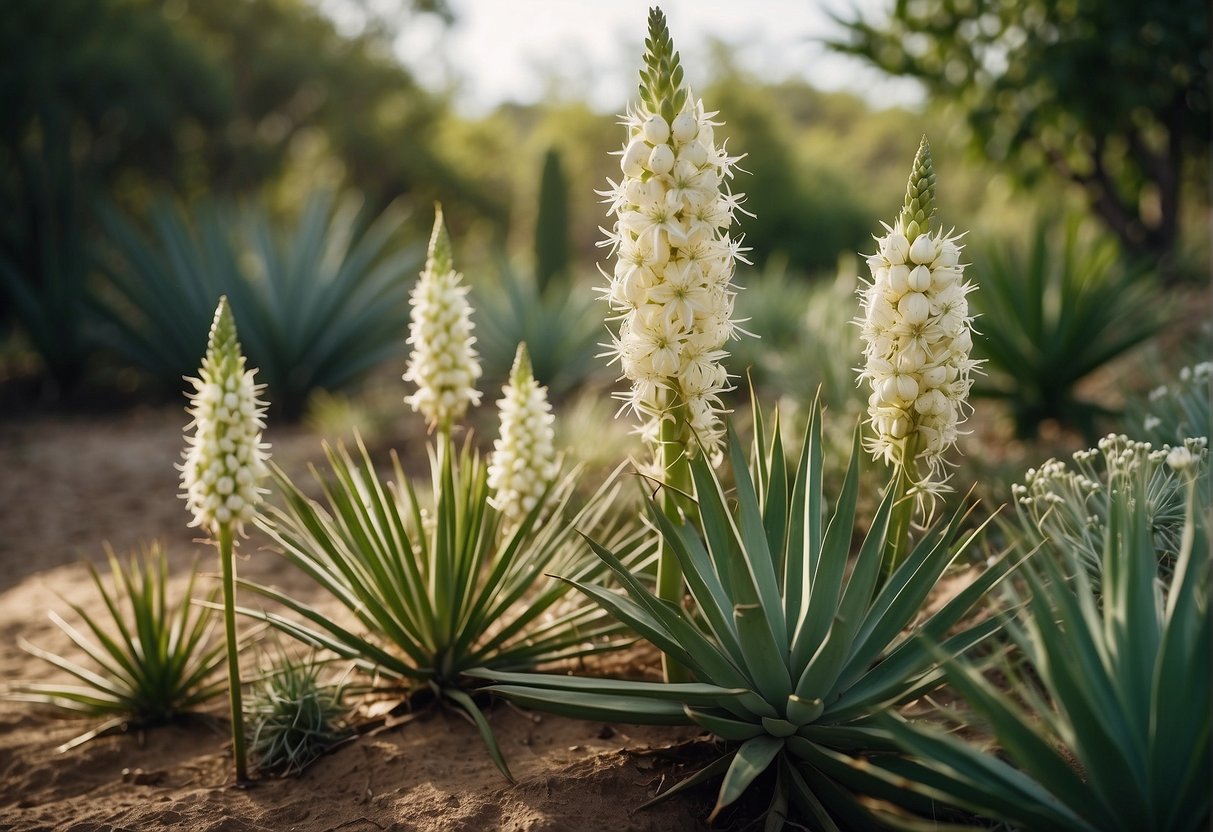
Plesiomorphies for Yucca, Onion, and Multiflora Rose Plants
For those passionate about plants, you might have encountered the terms “plesiomorphy” and “apomorphy” during discussions about plant traits. Plesiomorphy describes an ancestral trait shared among a set of organisms, whereas apomorphy denotes a evolved trait that is specific to a certain group. This article delves into identifying a plesiomorphy for the plants yucca, onion, and multiflora rose.
Yucca, onion, and multiflora rose are all members of the plant kingdom, but they belong to different families and have distinct morphological characteristics. To determine what would be a plesiomorphy for these plants, we need to look at their taxonomic classification and identify a characteristic that they share with their common ancestor. This can give us insight into the evolutionary history of these plants and how they have adapted to their environments over time.
Before we dive into the plesiomorphies of yucca, onion, and multiflora rose, let’s first define what we mean by plesiomorphy and explore how it relates to plant classification. By understanding these concepts, we can better appreciate the unique characteristics of these plants and how they have evolved over time.
Key Takeaways
- Plesiomorphy refers to a primitive characteristic that is shared by a group of organisms.
- To determine a plesiomorphy for yucca, onion, and multiflora rose, we need to look at their taxonomic classification and identify a characteristic that they share with their common ancestor.
- Understanding plesiomorphy and plant classification can give us insight into the evolutionary history of these plants and how they have adapted to their environments over time.
Defining Plesiomorphy
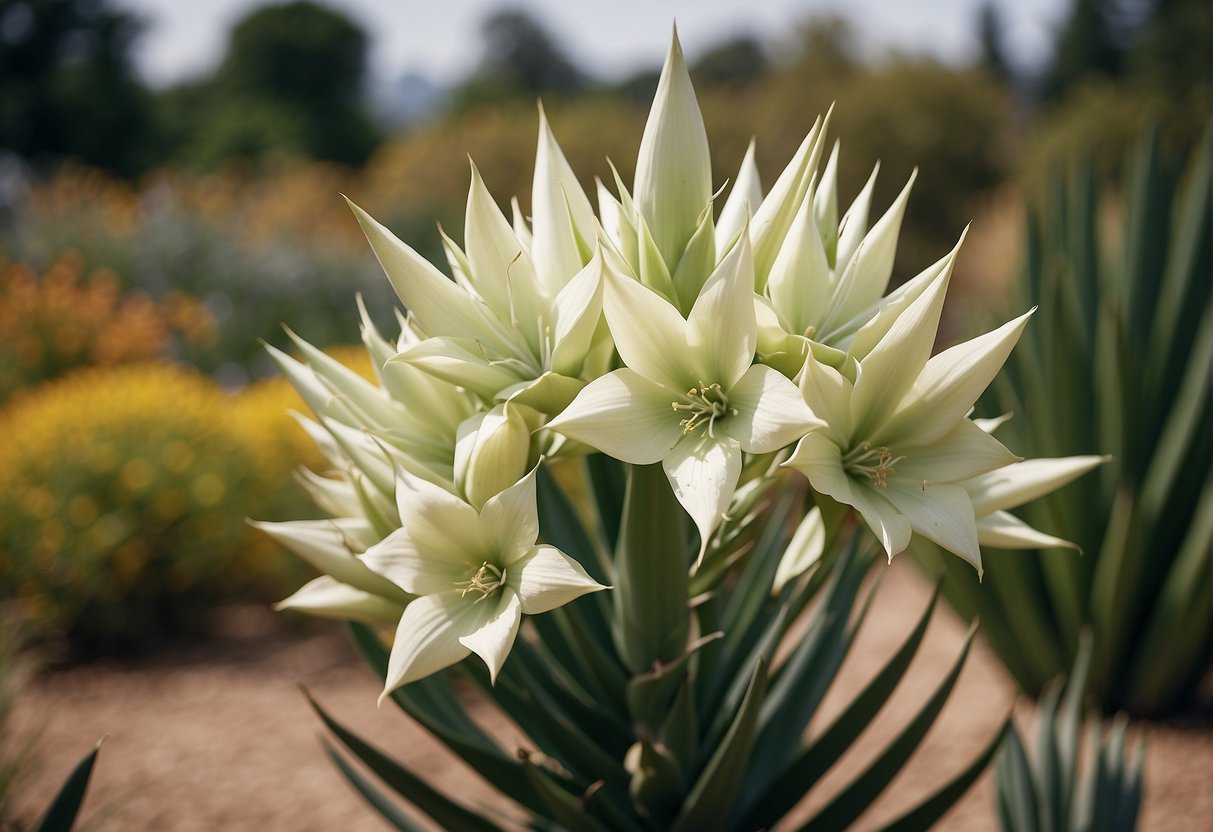
Plesiomorphy in Plant Evolution
Plesiomorphy refers to a characteristic that is shared by a group of organisms due to their common ancestor. In plants, plesiomorphic traits are features that are present in the ancestral group of plants and are retained by some of the descendant groups. These traits are not unique to a particular group of plants, but rather are shared among several groups.
Symplesiomorphy vs Apomorphy
Symplesiomorphy and apomorphy are two types of plesiomorphic traits. A symplesiomorphy is a shared ancestral trait that is also present in other groups of organisms that are not closely related. In contrast, an apomorphy is a derived trait that is unique to a particular group of organisms and is not present in their ancestors or other related groups.
When studying the evolution of plants, it is important to distinguish between symplesiomorphic and apomorphic traits. Symplesiomorphic traits can be misleading when trying to establish relationships between different groups of plants. On the other hand, apomorphic traits can help identify the relationships between different groups of plants and their common ancestors.
Examples of Plesiomorphic Traits in Yucca, Onion, and Multiflora Rose
Yucca, onion, and multiflora rose are all plants that belong to different groups. However, they share some plesiomorphic traits. One such trait is the presence of flowers with six tepals. This is a plesiomorphic trait that is shared by many groups of plants, including yucca, onion, and multiflora rose.
Another plesiomorphic trait shared by these plants is the presence of a taproot system. This is a characteristic that is present in the ancestral group of plants and has been retained by some of the descendant groups, including yucca, onion, and multiflora rose.
In conclusion, understanding plesiomorphic traits is essential for studying the evolution of plants. By identifying these traits, we can establish the relationships between different groups of plants and their common ancestors. Yucca, onion, and multiflora rose share some plesiomorphic traits, such as the presence of flowers with six tepals and a taproot system, which provide insight into their evolutionary history.
Taxonomic Classification of Yucca, Onion, and Multiflora Rose
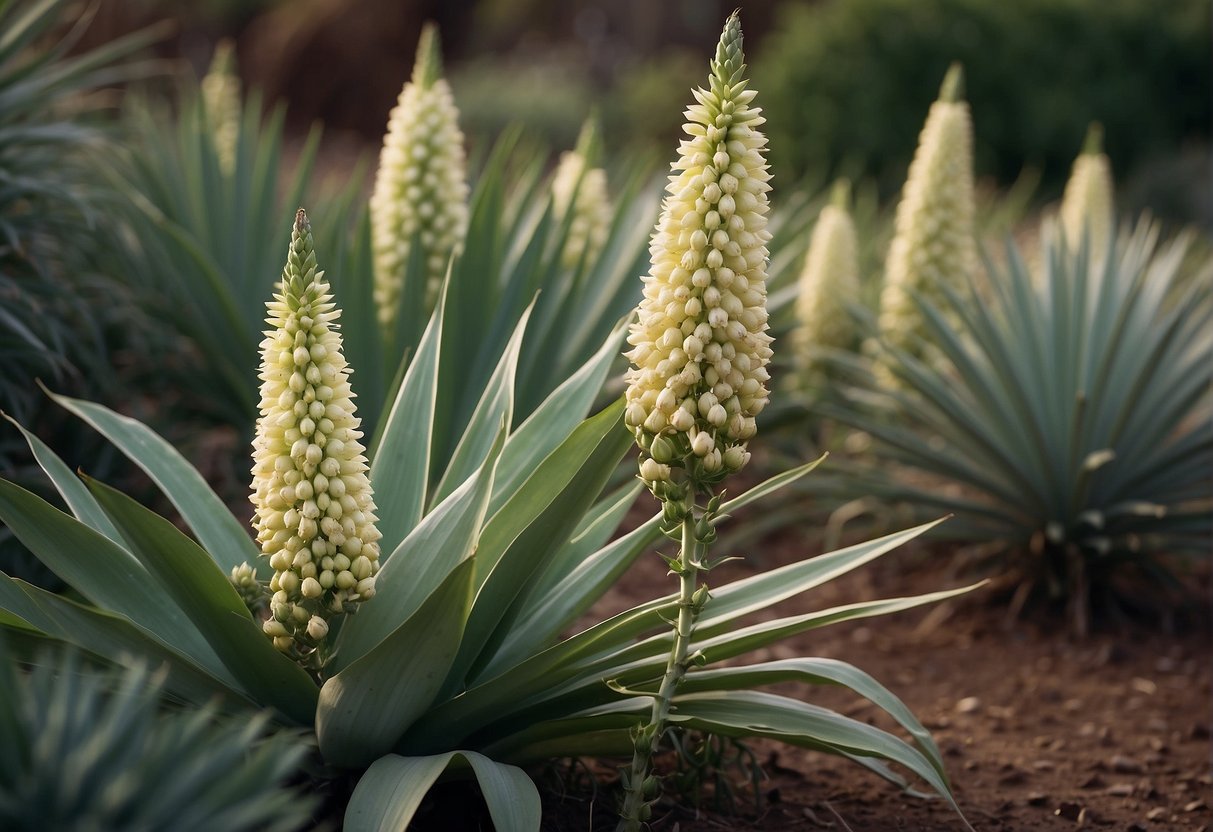
Family Asparagaceae and Subfamily Agavoideae
Yucca, onion, and multiflora rose belong to the same plant family, Asparagaceae, which is one of the largest and most diverse families of flowering plants. Within this family, they are part of the subfamily Agavoideae, which includes around 23 genera and over 600 species of plants.
Genus and Species Diversity
Yucca is a genus of perennial shrubs and trees that are native to the Americas. There are around 50 species of yucca, and they are known for their distinctive rosettes of stiff, pointed leaves and tall flower spikes. Onion, on the other hand, belongs to the genus Allium, which includes over 800 species of plants that are widely distributed across the world. Multiflora rose, also known as rambler rose, is part of the genus Rosa, which includes over 100 species of roses that are found in the Northern Hemisphere.
The taxonomy of these three plants can be summarized as follows:
| Plant Name | Kingdom | Division | Class | Order | Family | Subfamily | Genus | Species |
|---|---|---|---|---|---|---|---|---|
| Yucca | Plantae | Tracheophyta | Liliopsida | Asparagales | Asparagaceae | Agavoideae | Yucca | Various species |
| Onion | Plantae | Tracheophyta | Liliopsida | Asparagales | Amaryllidaceae | Allioideae | Allium | Various species |
| Multiflora rose | Plantae | Tracheophyta | Magnoliopsida | Rosales | Rosaceae | Rosoideae | Rosa | Rosa multiflora |
Overall, the taxonomic classification of yucca, onion, and multiflora rose reflects their evolutionary history and relationships with other plants. By understanding their taxonomic classification, we can gain insights into their biology, ecology, and potential uses.
Morphological Characteristics
Foliage and Flower Structures
Yucca, onion, and multiflora rose all share certain morphological characteristics. Yucca and onion both have sword-like leaves that grow from a central rosette. The leaves of yucca are stiff and spiky, while those of onion are softer and more pliable. Multiflora rose, on the other hand, has compound leaves that are made up of several leaflets.
When it comes to flowers, yucca and onion both have bell-shaped flowers that grow on tall panicles. The flowers of yucca are typically white or cream-colored, while those of onion are pink or purple. Multiflora rose, on the other hand, has clusters of small, pink flowers that bloom in the spring and summer.
Reproductive Adaptations
Yucca, onion, and multiflora rose all have unique reproductive adaptations. Yucca and onion are both pollinated by moths, which are attracted to the scent of their flowers. The moths collect pollen from the flowers and then lay their eggs in the ovaries of the plants. This symbiotic relationship ensures that the yucca and onion plants are able to reproduce.
Multiflora rose, on the other hand, reproduces through a process called asexual reproduction. This means that the plant is able to produce new plants without the need for seeds. Multiflora rose produces long, arching stems that root where they touch the ground, allowing the plant to spread rapidly and form dense thickets.
Ecological Interactions and Adaptations
Plant-Insect Mutualisms
Yucca, onion, and multiflora rose have developed mutualistic relationships with different insect species. For instance, the yucca moth is the primary pollinator of the yucca plant. The moth collects pollen from the yucca flowers and then lays its eggs in the flower ovaries. The larvae feed on some of the developing seeds, but the majority of the seeds are left unharmed, ensuring successful reproduction for the plant.
Onion plants, on the other hand, attract aphids, which feed on the plant’s sap. In return, the aphids produce a sugary substance called honeydew that attracts ants. The ants then protect the aphids from predators and parasites, ensuring a steady food source for themselves.
Multiflora rose produces saponins, which are toxic to most insects. However, the plant has developed a mutualistic relationship with the multiflora rose gall midge. The midge lays its eggs in the plant’s tissues, causing the formation of galls. The galls provide a protected environment for the midge larvae to develop, and in return, the midge secretes a substance that neutralizes the saponins, allowing it to feed on the plant’s tissues without harm.
Habitat Preferences and Adaptations
Yucca plants are adapted to thrive in full sun and arid conditions. They have long taproots that allow them to access deep soil moisture, and their leaves are tough and waxy to prevent water loss through transpiration.
Onion plants prefer well-drained soils and can tolerate a wide range of temperatures. They have adapted to store water in their bulbs during dry periods, allowing them to survive through periods of drought.
Multiflora rose is native to the Caribbean but has been introduced to other areas of the world. It is adapted to a wide range of soil types and can grow in both wet and dry conditions. The plant produces thorns, which protect it from herbivores, and it can spread rapidly through vegetative reproduction, allowing it to colonize new areas quickly.
Overall, the plesiomorphy for these three plant species is their ability to form mutualistic relationships with insects and their adaptations to survive in different habitats. These traits have allowed them to thrive and spread to different areas of the world.
Frequently Asked Questions
What are common ancestral traits shared by yucca, onion, and multiflora rose?
Yucca, onion, and multiflora rose are all members of the plant kingdom and share common ancestral traits such as the ability to photosynthesize, produce flowers, and reproduce sexually.
What characteristics do yucca, onion, and multiflora rose inherit from a common ancestor?
Yucca, onion, and multiflora rose inherit many characteristics from a common ancestor, including the ability to produce seeds, the presence of vascular tissue, and the ability to absorb nutrients through roots.
Which traits indicate a shared evolutionary history among yucca, onion, and multiflora rose?
Traits such as the presence of a bulbous structure in yucca and onion, and the thorny stems and leaves in multiflora rose, suggest a shared evolutionary history among these plants.
What are the primitive features found in both monocots and dicots such as onions and roses?
Primitive features found in both monocots and dicots include the presence of leaves, stems, and roots. Onions and roses also share the presence of vascular tissue and the ability to produce flowers.
How can plesiomorphies be identified in plant groups including yucca and onion?
Plesiomorphies can be identified in plant groups by comparing the traits of different species and identifying the shared ancestral traits that are present in all of them. For example, the presence of a bulbous structure in both yucca and onion is a plesiomorphic trait.
What examples of plesiomorphic traits might be observed in the plant family that includes multiflora rose?
Examples of plesiomorphic traits in the plant family that includes multiflora rose might include thorny stems and leaves, the ability to produce flowers, and the presence of vascular tissue.

