
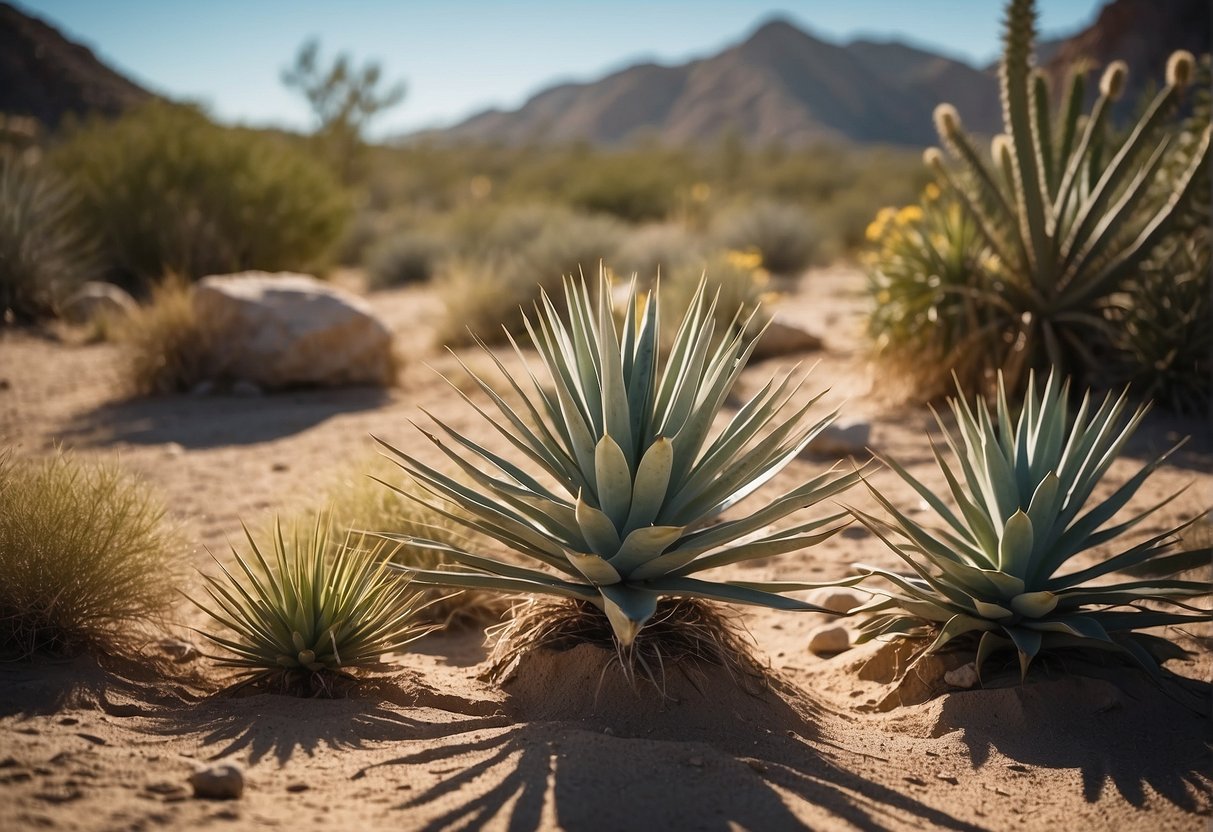
Who Has Yucca Plants: Finding Your Nearest Supplier
Should you be curious about who possesses yucca plants, it’s straightforward: a large number of individuals. The appeal of yucca plants for both interior and exterior landscapes is widespread, attributed to their distinctive look and ease of care. Whether your aim is to bring a touch of nature indoors or enhance your garden’s aesthetic, yucca plants serve as a flexible choice suitable for diverse preferences.
Yucca plants are native to the Americas, and there are over 40 different species of yucca that can be found across the continent. While some species of yucca are better suited for indoor growing, others thrive in outdoor environments. Whether you’re looking for a houseplant or a garden plant, there’s likely a yucca species that will work for you. In this article, we’ll explore the basics of yucca plant care, as well as some creative ways that yucca plants can be used in landscaping.
Key Takeaways
- Yucca plants are a popular choice for both indoor and outdoor gardening.
- There are over 40 different species of yucca, each with unique characteristics and growing requirements.
- Yucca plants can be used in a variety of creative ways in landscaping, from adding texture to creating a focal point.
Yucca Plant Basics
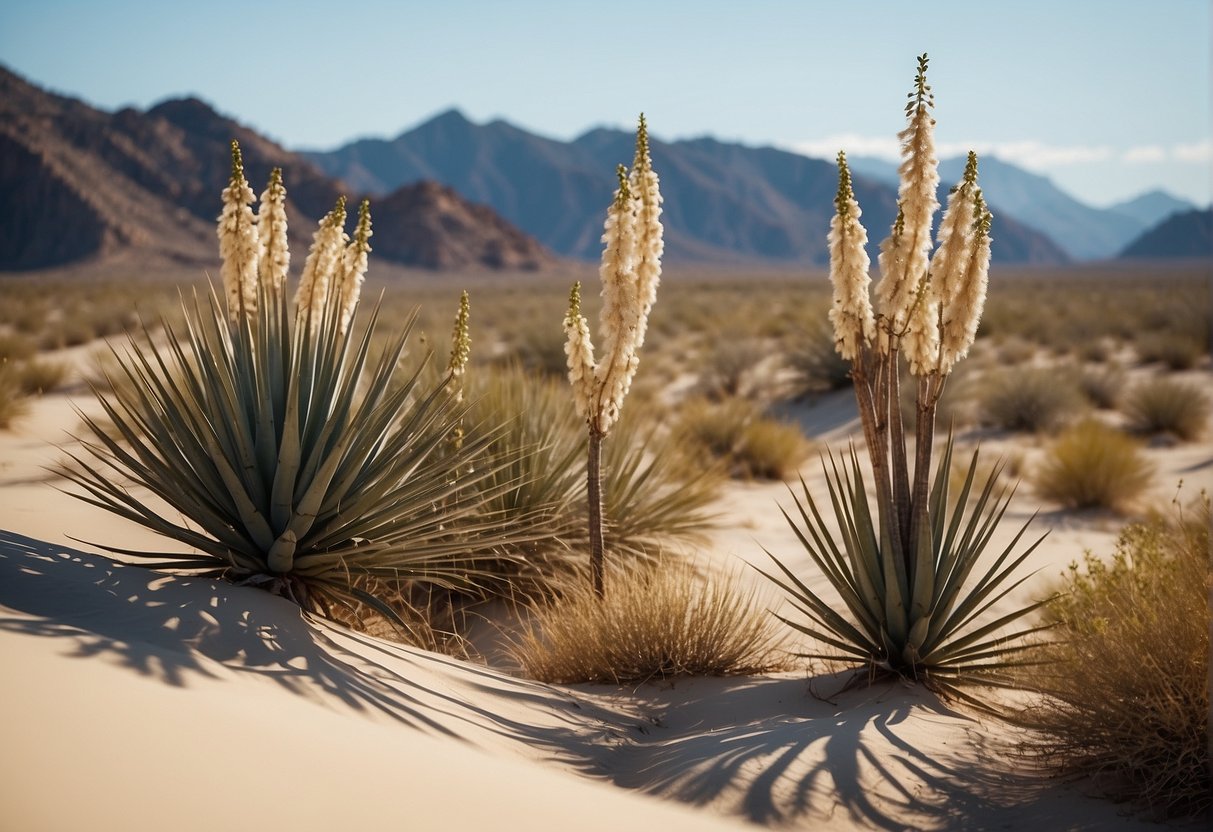
If you’re looking for a low-maintenance plant that can thrive in arid conditions, yucca plants might be just what you need. These evergreen perennials are native to the Americas and the Caribbean, and they come in a variety of species and varieties.
Species and Varieties
Yucca plants are part of the Asparagaceae family and are closely related to agave. Some popular species of yucca plants include the banana yucca, Joshua tree, soaptree yucca, beaked yucca, and Spanish bayonet. Yucca filamentosa, also known as Adam’s needle, is a popular variety that is commonly grown in gardens.
Physical Characteristics
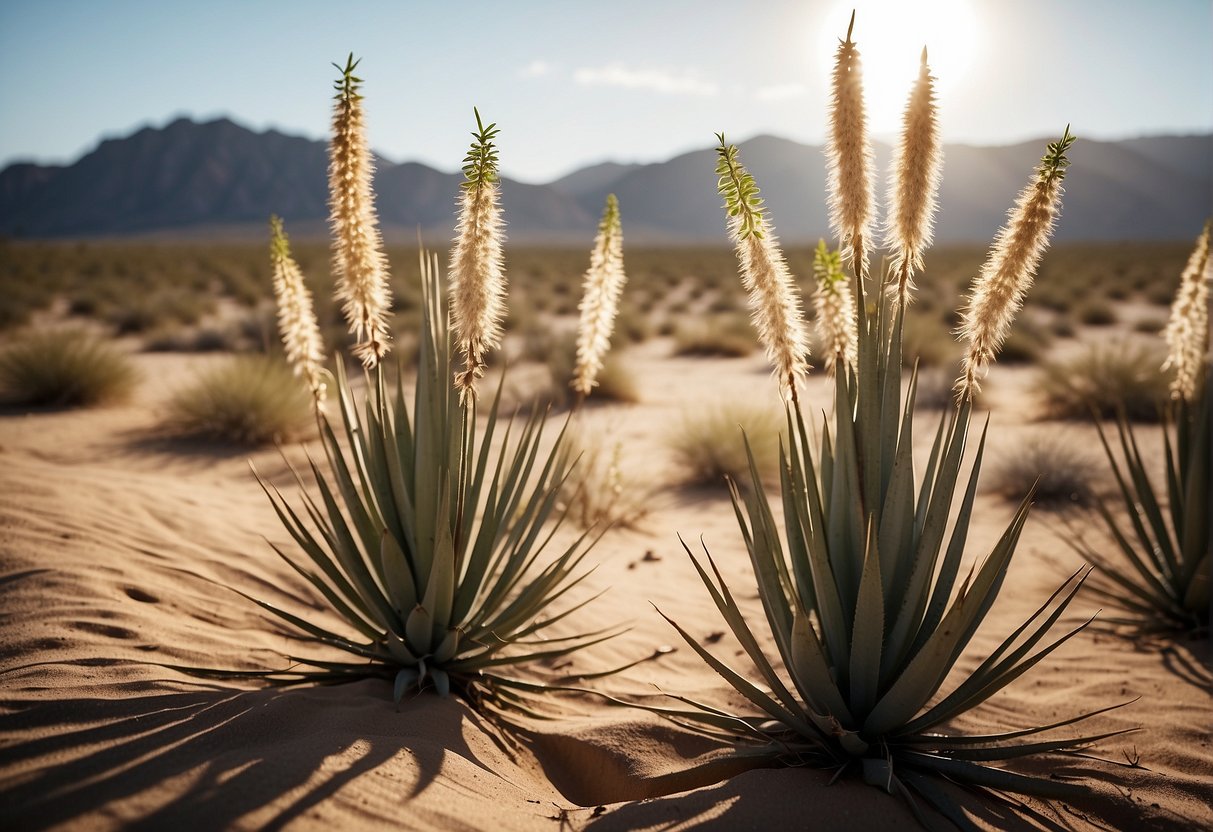
Yucca plants are known for their sharp spines and rosettes of sword-shaped leaves. They can range in size from small shrubs to towering trees with thick trunks. Yucca plants produce dense panicles of cream-colored flowers that are often covered in filaments. Some species, like the giant yucca, can grow up to 30 feet tall.
Cultivation and Care
Yucca plants are drought-tolerant and prefer full sun and well-draining soil. They are hardy in USDA zones 4-10 and can withstand frost and cold temperatures. Yucca plants are often used in landscaping and container gardening, and they make great ornamental plants. Some species, like the beaked yucca, have edible flowers and fibers that can be used to make soap.
When planting yucca plants, make sure to give them enough space to grow and avoid overwatering. Sandy soil is ideal for yucca plants, as it provides good drainage. Yucca plants are low-maintenance and can thrive in a variety of conditions, making them a great choice for gardeners of all skill levels.
Yucca Plants in Landscaping
Yuccas are a popular choice for landscaping due to their unique shape and hardiness. They are drought-tolerant and can thrive in a variety of soil types, making them ideal for arid regions such as the southwest and southeast United States.
Landscape Design with Yuccas
Yuccas can be used in a variety of landscape designs, from ornamental shrubs to towering trees. They are evergreen and come in a range of colors, from blue-green to yellow. Their sharp spines make them a good choice for security hedges, and their unique shape can add visual interest to any garden.
When designing with yuccas, consider their size and shape. Some species can grow quite tall, while others remain small and compact. They can be planted in containers or directly in the ground, and can be shaped to fit any design aesthetic.
Regional Suitability
Yuccas are native to the Americas, from the Mojave Desert to the Caribbean. They are well-suited to arid regions with sandy soil and full sun. In the United States, they are commonly found in the southwest and southeast, but can also be grown in other regions with proper care.
Companion Planting
Yuccas can be planted with a variety of other drought-tolerant plants, such as succulents and cacti. They also pair well with ornamental grasses and wildflowers. When designing with yuccas, consider their soil and light requirements, and choose companion plants that share similar needs.
Overall, yuccas are a versatile and hardy choice for any landscape design. Their unique shape and color make them a standout addition to any garden, and their drought tolerance makes them a low-maintenance option for arid regions.
Environmental Impact and Uses
Yuccas in Ecosystems
Yucca plants play an important role in many ecosystems. As evergreen plants, they provide year-round cover and food for animals such as deer, rabbits, and birds. The rosettes of yucca plants also provide shelter for small animals, which can help protect them from predators. In addition, yuccas are pollinated by yucca moths, which are the only insects that can pollinate the flowers of yucca plants. This mutualistic relationship ensures the survival of both species.
Yuccas in Human Culture
Yuccas have been used by humans for thousands of years. Native cultures in the Americas have used yucca fibers for clothing, baskets, and other items. Yucca soap, made from the roots of the plant, has also been used for centuries as a natural cleanser. In addition, some species of yucca are edible and have been used in traditional cooking.
In modern times, yuccas are often used as ornamental plants in landscaping. The yucca gloriosa, also known as Adam’s Needle, is a popular species in the southeastern United States. Its tall, green leaves and white flowers make it a striking addition to any garden. In the arid southwest, the aloe yucca is a common sight, with its brown leaves and green flowers.
Overall, yucca plants have a significant environmental impact and cultural significance. Their fibers, soap, and edible parts have been used by humans for centuries, and their role in ecosystems is crucial.
Frequently Asked Questions
Where can I buy yucca plants locally?
You can check with your local plant nurseries or garden centers to see if they carry yucca plants. You can also try contacting landscaping companies in your area to see if they have any yucca plants for sale. Additionally, you can check with local farmers markets or plant sales to see if they have yucca plants available.
Are there any yucca plants available at Home Depot or Lowe’s?
Home Depot and Lowe’s may carry yucca plants, but availability may vary depending on your location and the time of year. It’s best to check with your local Home Depot or Lowe’s store to see if they have any yucca plants in stock.
What are the best online stores to purchase yucca plants?
There are many online stores that sell yucca plants, including Amazon, Etsy, and various plant nurseries. It’s important to research the seller and read reviews before making a purchase to ensure that you’re getting a healthy plant.
How can I identify different types of yucca plants?
Yucca plants can be identified by their spiky leaves and tall, flowering stalks. However, there are many different types of yucca plants, each with their own unique characteristics. It’s best to consult a plant identification guide or ask a knowledgeable plant expert for help identifying specific types of yucca plants.
Is it common to find large yucca plants for sale?
Large yucca plants can be harder to find for sale, as they take longer to grow and are often more expensive. However, some plant nurseries and landscaping companies may have larger yucca plants available for purchase.
What are some common plants that are mistaken for yucca?
Agave plants are often mistaken for yucca plants due to their similar appearance. However, agave plants have softer leaves and lack the sharp spines found on yucca plants. Additionally, some types of aloe plants may resemble yucca plants, but they typically have wider leaves and lack the tall flowering stalks of yucca plants.

