
How to Thin Out a Yucca Plant: Tips and Techniques
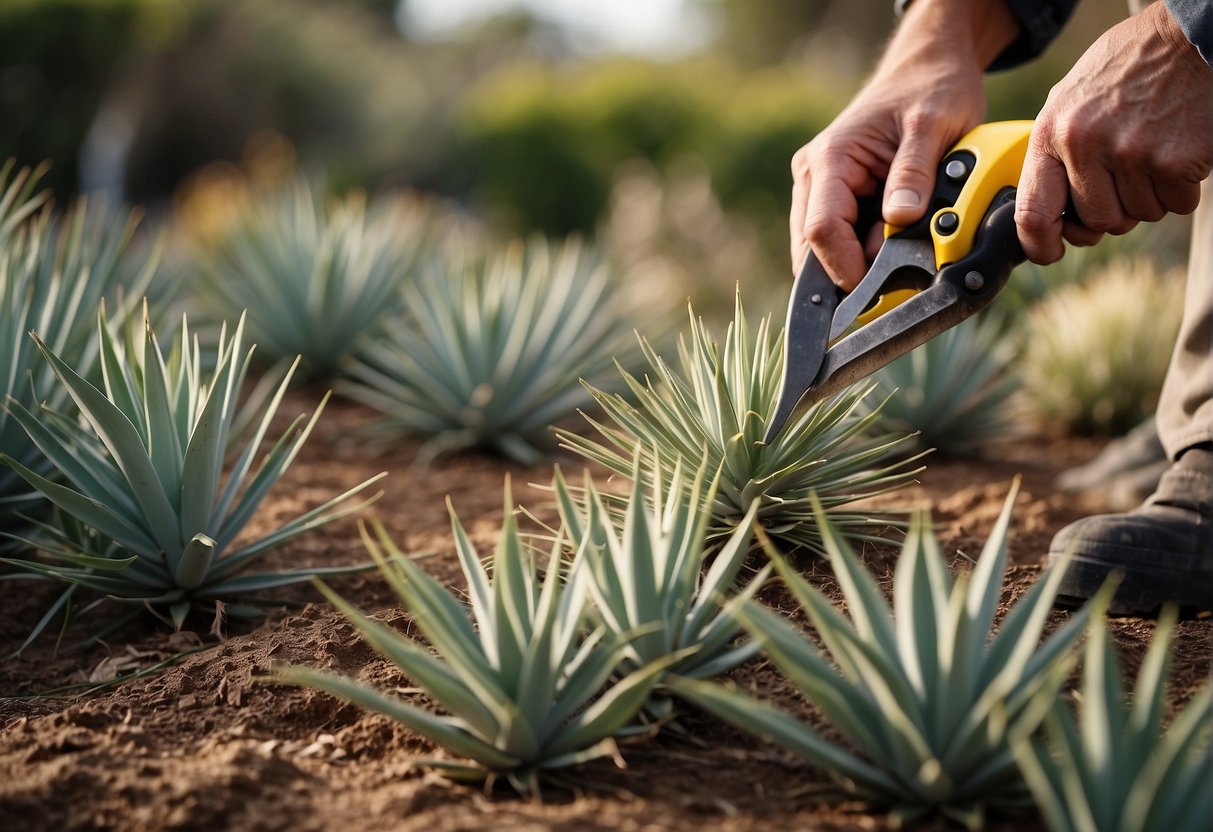
Should your yucca plant appear to be overtaking its allocated area or beginning to seem too dense, it might be the right moment to prune it back. Pruning your yucca not only enhances its aesthetic appeal but also boosts its health. Nonetheless, it’s crucial to approach this process with care to prevent any harm to the plant. This article aims to provide you with detailed instructions on how to properly prune your yucca plant for the best results.
First, we will cover some basic information about yucca plants, including their growth habits and requirements. Understanding the basics of yucca plant care will help you determine the best time to thin out your plant. We will also discuss the tools you will need and the steps you should take to prepare for the thinning process.
Next, we will dive into the specifics of pruning and thinning out yucca plants. We will cover the different methods you can use, including cutting back individual stems or removing entire sections of the plant. We will also provide tips on how to make clean cuts and avoid damaging the plant in the process.
Key Takeaways
- Thinning out your yucca plant can improve its health and appearance.
- Understanding yucca plant basics is essential for successful thinning.
- Proper pruning techniques are crucial to avoid damaging the plant.
Understanding Yucca Plant Basics
Yucca Plant Characteristics
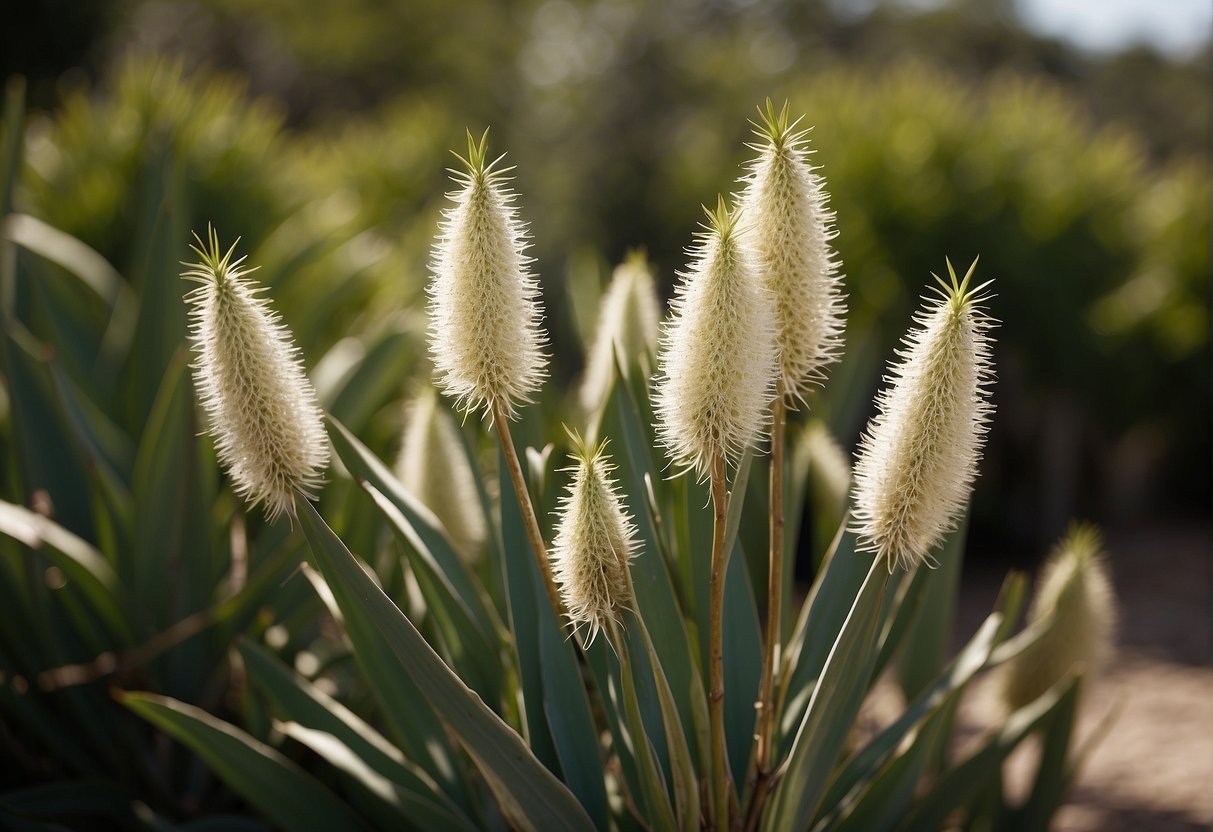
Yucca plants are a type of succulent plant that are native to the Americas. They are known for their long, sword-shaped leaves that grow in a rosette pattern. The leaves of a yucca plant can range in color from green to blue-green and can grow up to several feet in length. Yucca plants also produce tall spikes of white or cream-colored flowers that can reach up to several feet in height.
Yucca plants are a popular choice for both indoor and outdoor plant enthusiasts due to their low maintenance requirements. They are known for their ability to thrive in full sun and well-drained soil conditions, making them an ideal plant for arid climates.
Optimal Growing Conditions
When caring for yucca plants, it is important to ensure that they are planted in well-drained soil and receive ample amounts of sunlight. Yucca plants are known for their ability to tolerate drought conditions, but it is important to avoid overwatering them as this can lead to root rot.
Indoor yucca plants should be placed in a location that receives bright, indirect sunlight. They can also be placed outdoors during the summer months, but should be brought indoors before the first frost.
Overall, yucca plants are a great choice for those looking for a low maintenance plant that can thrive in a variety of growing conditions. With proper care and attention, your yucca plant can provide years of enjoyment and beauty.
Seasonal Care and Maintenance
Taking care of your yucca plant is essential to keep it healthy and thriving. Here are some tips on how to care for your yucca plant during different seasons.
Watering Requirements
During the growing season, your yucca plant will require regular watering. However, it is important not to overwater, as this can cause root rot. Water your yucca plant deeply once a week during the early spring and summer months. In the fall and winter, reduce watering to once every two to three weeks.
Feeding and Nutrients
Yucca plants do not require a lot of fertilizer, but they do benefit from occasional feeding during the growing season. Use a balanced fertilizer once a month during the spring and summer months. Do not fertilize during the fall and winter months, as your yucca plant will be in a dormant state.
Preventing Common Pests and Diseases
Preventing pests and diseases is essential to keep your yucca plant healthy. Here are some tips on how to prevent common pests and diseases:
- Keep your yucca plant healthy and well-watered to prevent stress, which can attract pests and diseases.
- Watch for signs of pests, such as spider mites and scale insects. If you notice any pests, treat your yucca plant with an insecticidal soap.
- Watch for signs of diseases, such as root rot and leaf spot. If you notice any signs of disease, remove the affected leaves and treat your yucca plant with a fungicide.
By following these tips, you can keep your yucca plant healthy and thriving all year round. Remember to always monitor your plant’s health and adjust your care accordingly.
Pruning and Thinning Out Yucca Plants
Yucca plants are known for their striking appearance and low maintenance, making them a popular choice for gardens and landscapes. However, over time, yucca plants can become overgrown and require pruning and thinning out to maintain their health and beauty. Here are some tips on how to properly prune and thin out your yucca plants.
When to Prune Yucca Plants
The best time to prune a yucca plant is in the late winter or early spring, before the growing season begins. This is when the plant is dormant and will not be actively growing, making it less susceptible to damage. Pruning yucca plants during the growing season can cause stress to the plant and may result in stunted growth or damage.
How to Safely Prune Yucca Plants
Before pruning your yucca plant, make sure you have the proper tools, including pruning shears or a pruning saw. Begin by removing any dead or damaged leaves from the lower part of the stem. Then, cut back any flower stalks that have finished blooming to encourage new growth. When pruning the stem, make sure to cut just above the node, which is where new growth will emerge.
If your yucca plant has become overgrown, you may need to thin it out. To do this, remove any shoots that are growing from the base of the plant or from the trunk. You can also remove entire stems that are no longer producing new growth. When removing stems, make sure to cut them back to the base of the plant.
Managing Overgrown Clumps
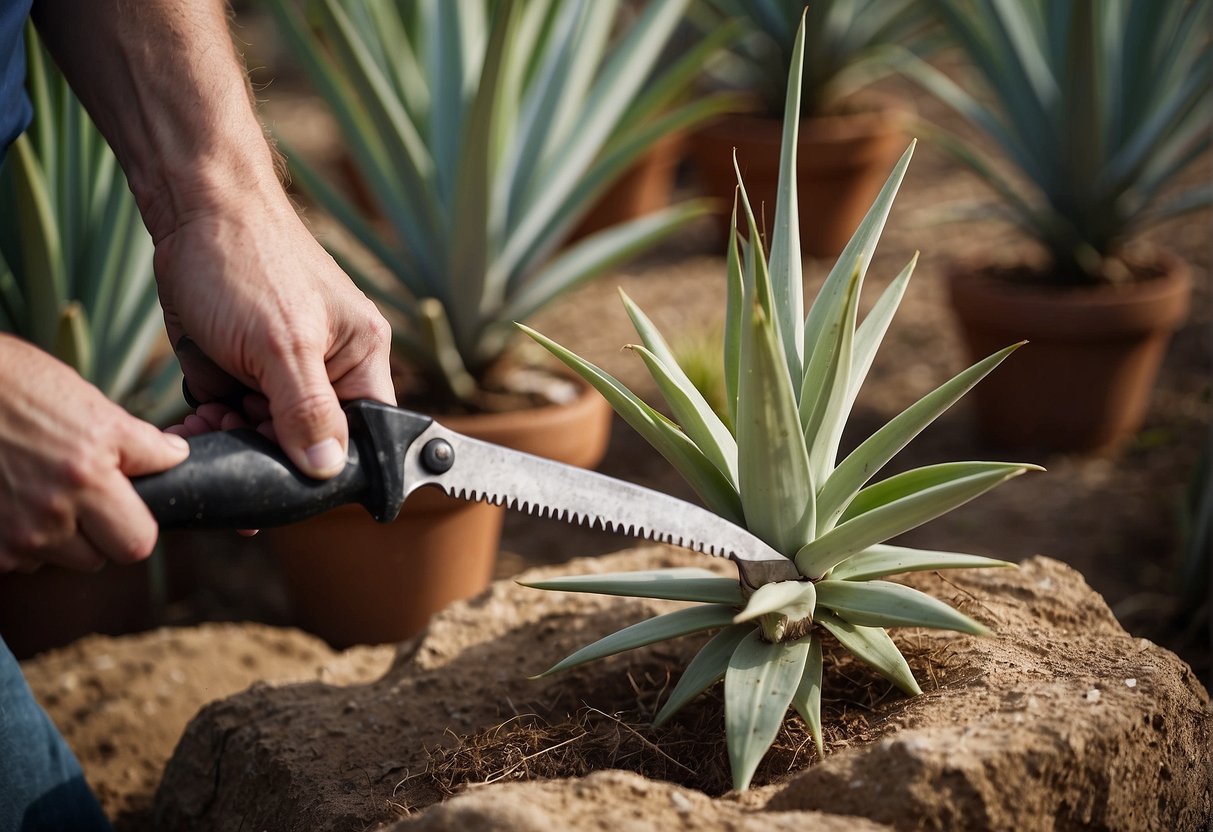
If your yucca plant has become a large, overgrown clump, you may need to take more drastic measures to thin it out. Start by removing any dead or damaged leaves from the plant. Then, use a pruning saw to cut back the entire clump to a more manageable size. This will encourage new growth and help the plant to maintain its shape.
In summary, pruning and thinning out yucca plants is an important part of maintaining their health and beauty. By following these tips and using the proper tools, you can help your yucca plant to thrive for years to come.
Propagation and Replanting
Propagating Yucca Plants
If you want to propagate your yucca plant, you can do so by using offsets or pups. These are baby yucca plants that grow at the base of the parent plant. To propagate your yucca plant, follow these steps:
- Use a sharp knife to cut the offsets or pups away from the parent plant. Make sure to cut as close to the parent plant as possible.
- Plant the offsets or pups in a container filled with potting soil. Make sure the container has drainage holes and is filled with a mixture of potting soil and compost.
- Water the new plants thoroughly and place them in a sunny location.
Transplanting Yucca Offsets
If you want to replant your yucca plant, you can do so by transplanting the offsets. Here’s how:
- Dig up the offsets using a sharp shovel or knife. Make sure to dig deep enough to get the entire root system.
- Prepare a new container or planting area with well-draining soil. Mix in some gravel to improve drainage.
- Plant the offsets in the new container or planting area. Make sure to plant them at the same depth as they were in the previous location.
- Water the new plants thoroughly and place them in a sunny location.
By following these steps, you can successfully propagate and replant your yucca plant. Remember to use a sharp knife or shovel and to handle the plants with care. With a little bit of patience and attention, your yucca plant will thrive in its new location.
Frequently Asked Questions
What is the best method for pruning an overgrown outdoor yucca plant?
The best method for pruning an overgrown outdoor yucca plant is to remove the oldest and tallest stems at the base. You can use a sharp pair of pruning shears or a saw to cut the stem as close to the ground as possible. Be sure to wear gloves and protective clothing to avoid injury from the sharp leaves.
Can you reduce the height of a yucca tree without harming it?
Yes, you can reduce the height of a yucca tree without harming it by cutting the stem at a point where there is a leaf scar or a node. This will encourage new growth and keep the plant looking healthy. Be sure to use a sharp pair of pruning shears or a saw and wear protective clothing to avoid injury.
When is the appropriate time to divide yucca plants for propagation?
The appropriate time to divide yucca plants for propagation is in the spring or early summer when the plant is actively growing. To divide the plant, dig up the entire root ball and carefully separate the clumps using a sharp knife or pruning shears. Replant the clumps in well-draining soil and water thoroughly.
How can you safely remove dead foliage from a yucca plant?
To safely remove dead foliage from a yucca plant, use a sharp pair of pruning shears to cut the dead leaves as close to the stem as possible. Be sure to wear gloves and protective clothing to avoid injury from the sharp leaves. It’s important to remove dead foliage regularly to maintain the health and appearance of the plant.
What steps should be taken when a yucca plant becomes too large for its space?
When a yucca plant becomes too large for its space, you can either transplant it to a larger area or prune it back to a smaller size. If you choose to prune it back, remove the oldest and tallest stems at the base using a sharp pair of pruning shears or a saw. Be sure to wear gloves and protective clothing to avoid injury from the sharp leaves.
Is it possible to replant the top of a yucca after cutting it off?
Yes, it’s possible to replant the top of a yucca after cutting it off. To do this, cut the stem at a point where there is a leaf scar or a node and remove the lower leaves. Allow the cut end to dry for a few days before planting it in well-draining soil. Water thoroughly and keep the soil moist until new growth appears.

