
What Other Plants Look Like Yucca Plants: A Guide to Similar Species
If you have an appreciation for yucca plants and their distinct, pointed look, it might come as a surprise that there are additional plants with a somewhat similar appearance. Although yucca plants have a unique appeal, several other varieties exhibit similar traits, ranging from their fleshy leaves to their eye-catching blossoms.
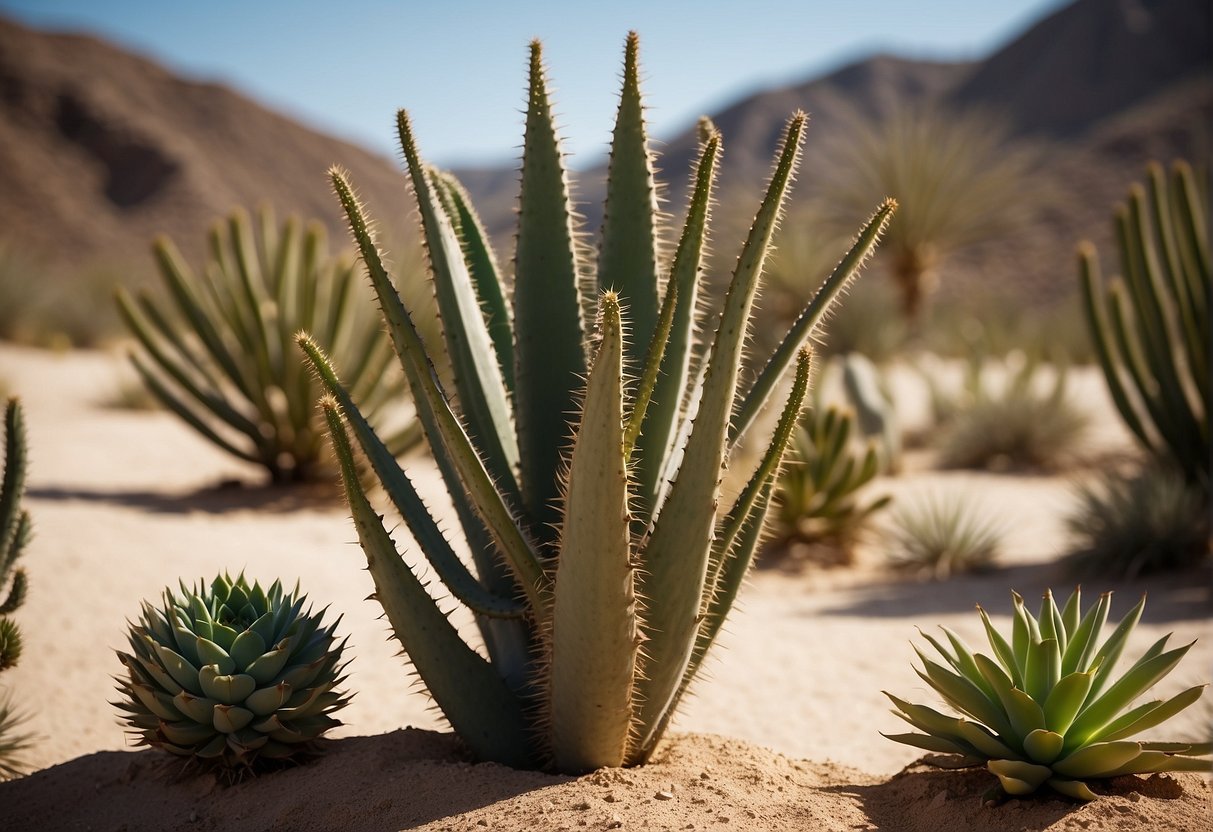
One group of plants that often gets mistaken for yucca plants are agave plants. Like yucca plants, agaves are succulents with long, pointed leaves that grow in a rosette shape. They also produce tall flower stalks that can reach several feet in height. However, there are some key differences between the two plants, such as the fact that agave leaves tend to be thicker and fleshier than yucca leaves.
Another plant that can look similar to yucca plants is the dracaena. Dracaenas are often used as houseplants, and they have long, narrow leaves that grow in a rosette shape. While they don’t produce the same spiky flowers as yucca plants, they can be mistaken for them from a distance. However, dracaenas tend to have softer, more flexible leaves than yucca plants, which can be a helpful clue for identifying them.
Key Takeaways
- There are several plants that share some of the key characteristics of yucca plants, such as succulent leaves and tall flower stalks.
- Agave plants are often mistaken for yucca plants, but they have thicker, fleshier leaves.
- Dracaenas can also look similar to yucca plants, but their leaves are softer and more flexible.
Similarities to Yucca Plants
If you are looking for plants that resemble yucca plants, there are several options available. Here are some plants that share similarities with yucca plants in terms of physical characteristics, growth habit, and size.
Physical Characteristics
One plant that resembles yucca plants is the agave plant. Both yucca and agave plants are succulents and have thick, fleshy leaves that store water. The leaves of both plants are also rigid and sharp, with pointed tips. Additionally, both yucca and agave plants produce tall flower stalks that can reach up to 20 feet in height.
Another plant that shares similarities with yucca plants is the bear grass plant. Bear grass plants have long, narrow leaves that grow in a rosette pattern, similar to yucca plants. The leaves of bear grass plants are also evergreen and have a sharp tip. Additionally, bear grass plants produce tall, slender flower stalks that are topped with clusters of white flowers.
Growth Habit and Size
If you are looking for a shrub that resembles yucca plants, the Spanish bayonet plant is a good option. Like yucca plants, Spanish bayonet plants have a tree-like growth habit and can grow up to 20 feet in height. The leaves of Spanish bayonet plants are also evergreen and have a sharp tip. Additionally, Spanish bayonet plants produce tall, slender flower stalks that are topped with clusters of white flowers.
Another plant that shares similarities with yucca plants in terms of growth habit and size is the Joshua tree. Joshua trees are actually a type of yucca plant, and they have a similar tree-like growth habit. Joshua trees can grow up to 40 feet in height and have long, spiky leaves that grow in a rosette pattern. Additionally, Joshua trees produce tall, slender flower stalks that are topped with clusters of white flowers.
Overall, there are several plants that resemble yucca plants in terms of physical characteristics, growth habit, and size. Whether you are looking for a shrub or a tree, there are options available that can provide the same aesthetic appeal as yucca plants.
Yucca Lookalikes
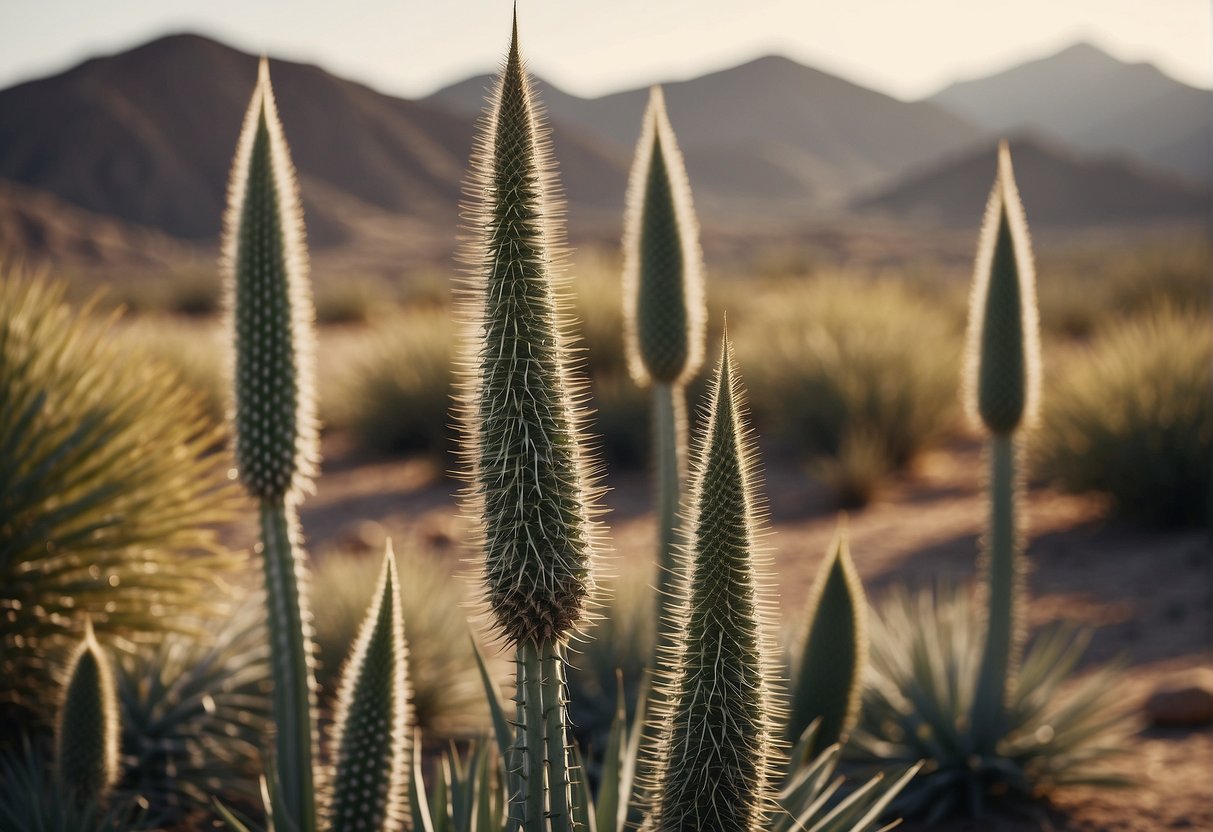
If you are trying to identify a plant that looks similar to a yucca, there are several species that you may come across.
Agave Species
Agave plants are often confused with yuccas because they have similar rosettes of leaves and grow in hot, dry environments. However, agaves typically have wider leaves with spines along the edges and a more pronounced terminal spine. Some common agave species include the century plant (Agave americana), the blue agave (Agave tequilana), and the mescal agave (Agave parryi).
Other Succulents and Desert Plants
There are many other succulent and desert plants that resemble yuccas in some way. The Joshua tree (Yucca brevifolia) is a close relative of the yucca and has a similar appearance. The red yucca (Hesperaloe parviflora) is not actually a yucca, but it has similar long, narrow leaves and produces tall spikes of pink or red flowers. The Spanish bayonet (Yucca aloifolia) and the beaked yucca (Yucca rostrata) both have long, narrow leaves and a similar overall shape to the yucca. Other plants that may be mistaken for yuccas include the desert spoon (Dasylirion wheeleri), the dragon tree (Dracaena draco), and the fan aloe (Kumara plicatilis).
While palm trees and cacti may also grow in hot, dry environments, they have distinct appearances that make them easy to differentiate from yuccas. The ponytail palm (Beaucarnea recurvata) and sotol (Dasylirion texanum) may resemble yuccas at first glance, but they have a more bulbous base and a different leaf structure. The New Zealand flax (Phormium tenax) has long, narrow leaves like a yucca, but they are softer and more flexible.
Cultivation and Care
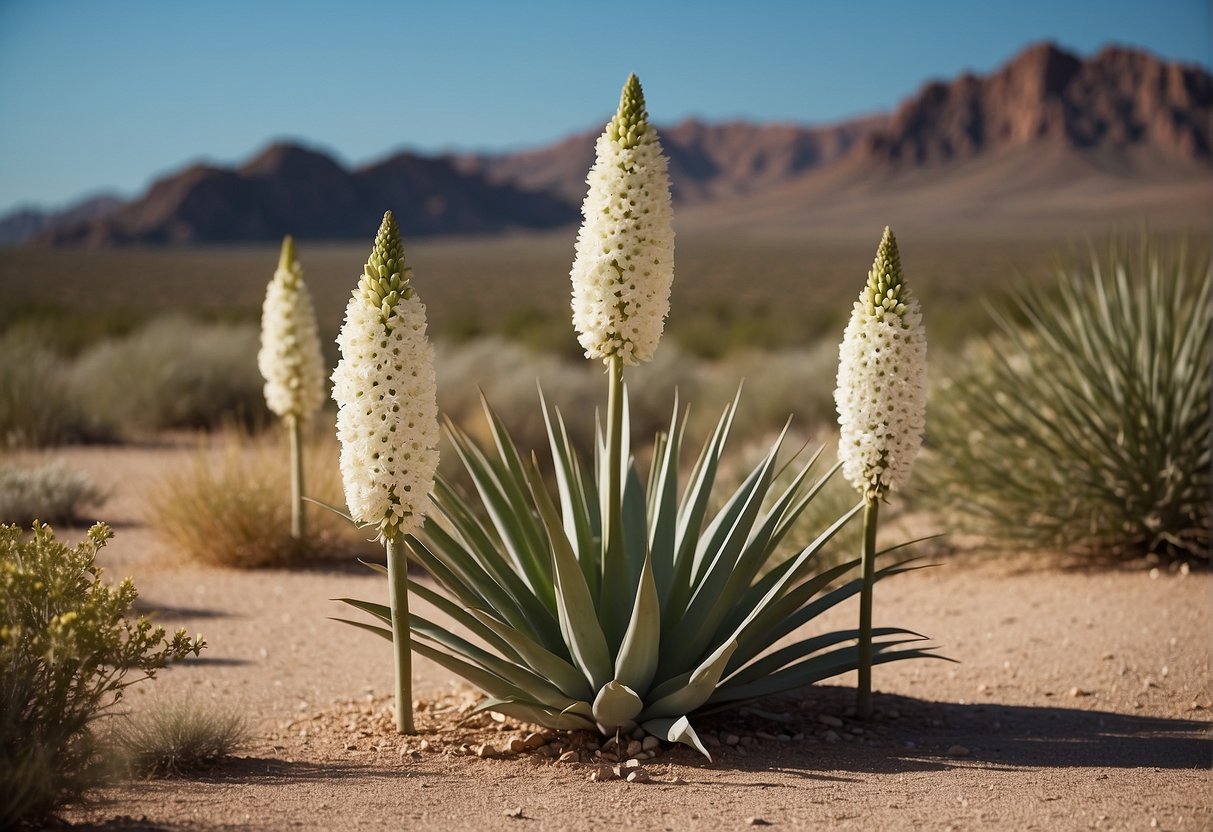
If you want to grow plants that look like yucca plants, you need to make sure you give them the right care. Here are some things you should keep in mind when cultivating and caring for these plants.
Soil and Water Requirements
Yucca plants prefer well-draining soil that is slightly acidic. Sandy soil is ideal, but you can also use a potting soil mix. Make sure the soil is not too wet, as yucca plants are susceptible to root rot. Water your plant thoroughly when the soil is dry to the touch, but avoid overwatering.
Climate and Hardiness
Yucca plants are native to hot, dry regions and are drought-tolerant. They can handle a range of temperatures, but some varieties are more cold-hardy than others. The spineless yucca (Yucca elephantipes) is a popular houseplant that can be grown in USDA zones 9-11. If you live in a colder climate, you can grow yucca plants in pots and bring them indoors during the winter.
When growing plants that look like yucca plants, it is important to remember that they are not actually yucca plants. However, if you follow these guidelines for soil, water, climate, and hardiness, you should be able to successfully cultivate and care for them.
Identifying Different Yucca Species
Yucca plants are known for their striking appearance and unique features. However, there are several different species of yucca plants, each with its own distinct characteristics. Here’s what you need to know to identify different yucca species.
Common Species and Their Traits
Yucca Aloifolia
Yucca aloifolia, also known as Spanish bayonet, is a type of yucca plant that is native to the Americas. It is characterized by its long, sharp leaves and bell-shaped flowers that bloom in the summer.
Yucca Filamentosa
Yucca filamentosa, also known as Adam’s needle, is a common yucca species that is native to North America. It is known for its sword-shaped leaves and white or whitish flowers that bloom in the summer.
Yucca Elephantipes
Yucca elephantipes, also known as the spineless yucca, is a popular houseplant that is native to Central America. It is characterized by its tall, woody stem and long, narrow leaves.
Yucca Gloriosa
Yucca gloriosa, also known as Spanish dagger, is a type of yucca plant that is native to the southeastern United States. It is known for its dramatic statement, with long, sword-shaped leaves and tall flower spikes that bloom in the summer.
Yucca Brevifolia
Yucca brevifolia, also known as Joshua tree, is a yucca species that is native to the Mojave Desert in the United States. It is characterized by its multi-stemmed trunk and blue-green leaves.
Yucca Rostrata
Yucca rostrata, also known as beaked yucca, is a yucca species that is native to the American Southwest. It is characterized by its blue-green leaves and tall, narrow flower spikes that bloom in the summer.
Yucca Flaccida
Yucca flaccida, also known as weak-leaf yucca, is a yucca species that is native to the southeastern United States. It is characterized by its narrow leaves and yellow or white flowers that bloom in the summer.
Yucca Baccata
Yucca baccata, also known as banana yucca, is a yucca species that is native to the southwestern United States. It is characterized by its narrow leaves and bell-shaped flowers that bloom in the summer.
In conclusion, identifying different yucca species can be challenging, but with the right knowledge, it can be an enjoyable and rewarding experience. By paying attention to the unique characteristics of each species, you can easily distinguish between them and appreciate their individual beauty.
Frequently Asked Questions
How can one distinguish between yucca plants and similar species?
Yucca plants are usually characterized by their long, sword-shaped leaves, which often have sharp tips and grow in a rosette pattern. Other plants that resemble yuccas may have similar leaves, but they may not be as stiff or sharp. Additionally, yucca plants often have a central stalk or stem that produces flowers, while other plants with similar leaves may not produce flowers at all.
What are the common characteristics of plants that resemble yuccas?
Plants that resemble yuccas often have long, narrow leaves that grow in a rosette pattern. They may also have a central stalk or stem that produces flowers, although this is not always the case. Some of these plants may also have spiky or sharp leaves, although the texture and shape of the leaves can vary depending on the species.
Which outdoor plants have features similar to those of yucca plants?
Some outdoor plants that have features similar to those of yucca plants include agave, beaked yucca, and Spanish bayonet. These plants all have long, narrow leaves that grow in a rosette pattern and may have sharp tips or spines. They may also produce a tall stalk or stem that produces flowers.
What are the key differences between Cordylines and yuccas?
Cordylines, also known as ti plants, are often mistaken for yuccas due to their similar appearance. However, Cordylines have broader leaves that are often more colorful than those of yucca plants. Additionally, Cordylines do not produce a central stalk or stem that produces flowers, while yucca plants do.
How does one differentiate between a dracaena and a yucca plant?
Dracaenas are often mistaken for yucca plants due to their similar leaves, but there are a few key differences. Dracaenas have softer leaves that are often wider than those of yucca plants, and they do not have sharp tips. Additionally, dracaenas do not produce a central stalk or stem that produces flowers, while yucca plants do.
Are there any plants closely related to yuccas, and what are they?
Yuccas are part of the Asparagaceae family, which includes a number of other plants with similar characteristics. Some of these plants include agave, beaked yucca, and Spanish bayonet, as well as other species of yucca plants.

