
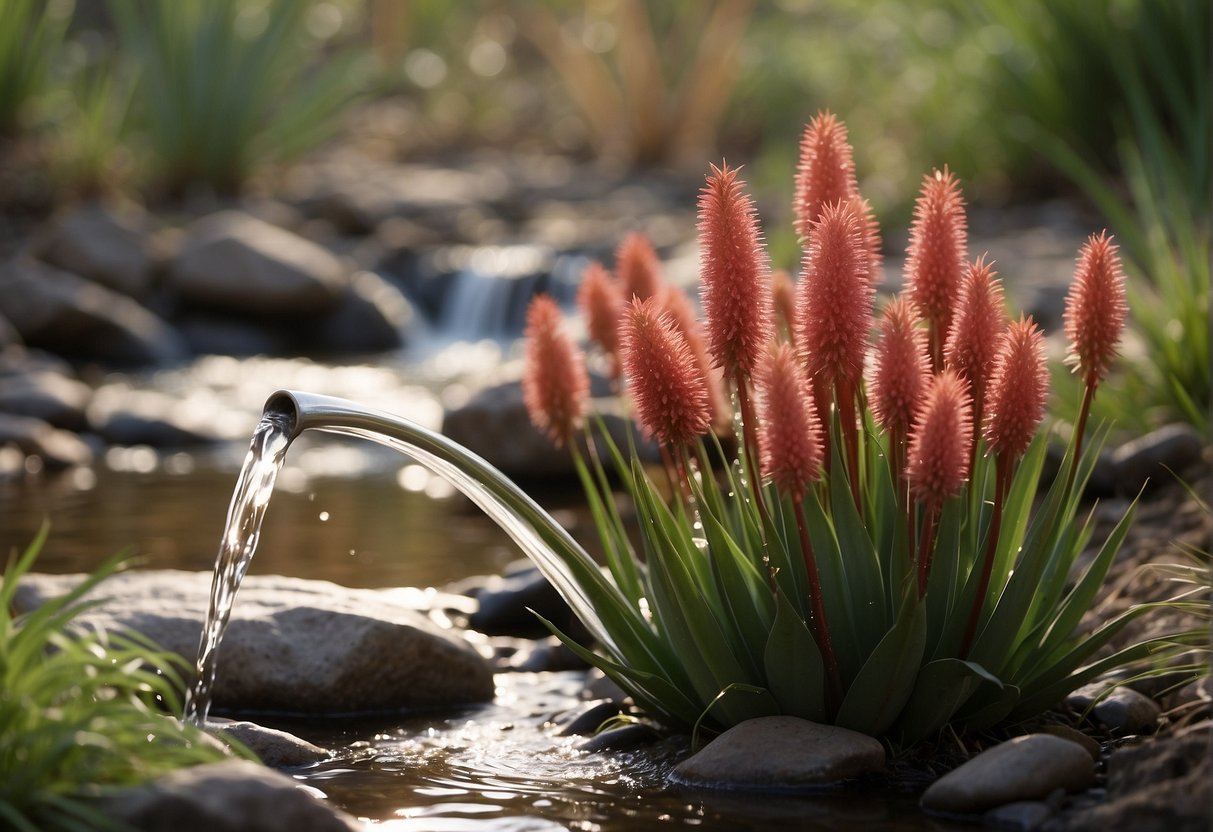
How Much to Water Red Yucca Plants: Expert Advice
As a proud caretaker of a red yucca plant, you might be curious about the amount of water required for its optimal growth. Known scientifically as Hesperaloe parviflora, red yuccas are native to desert landscapes and possess drought-resistant qualities, enabling them to endure the harsh, arid conditions. Nevertheless, adequate hydration is essential for their survival and blooming. This article will delve into the various elements influencing your red yucca’s hydration needs and the most effective way to water it.
Understanding Red Yucca’s Water Needs
Before we dive into watering techniques, it’s important to understand how much water your red yucca actually needs. As mentioned earlier, red yuccas are drought-tolerant plants that can survive in dry conditions. However, they still need some moisture to grow and flower properly. The amount of water your red yucca needs depends on several factors, including the temperature, humidity, soil type, and sun exposure. In the next section, we’ll explore how to water your red yucca based on these factors to ensure healthy growth and flowering.
Key Takeaways
- Red yuccas are desert plants that are drought-tolerant but still need some water to grow and flower properly.
- The amount of water your red yucca needs depends on several factors, including temperature, humidity, soil type, and sun exposure.
- To water your red yucca effectively, you should consider these factors and adjust your watering techniques accordingly.
Understanding Red Yucca’s Water Needs
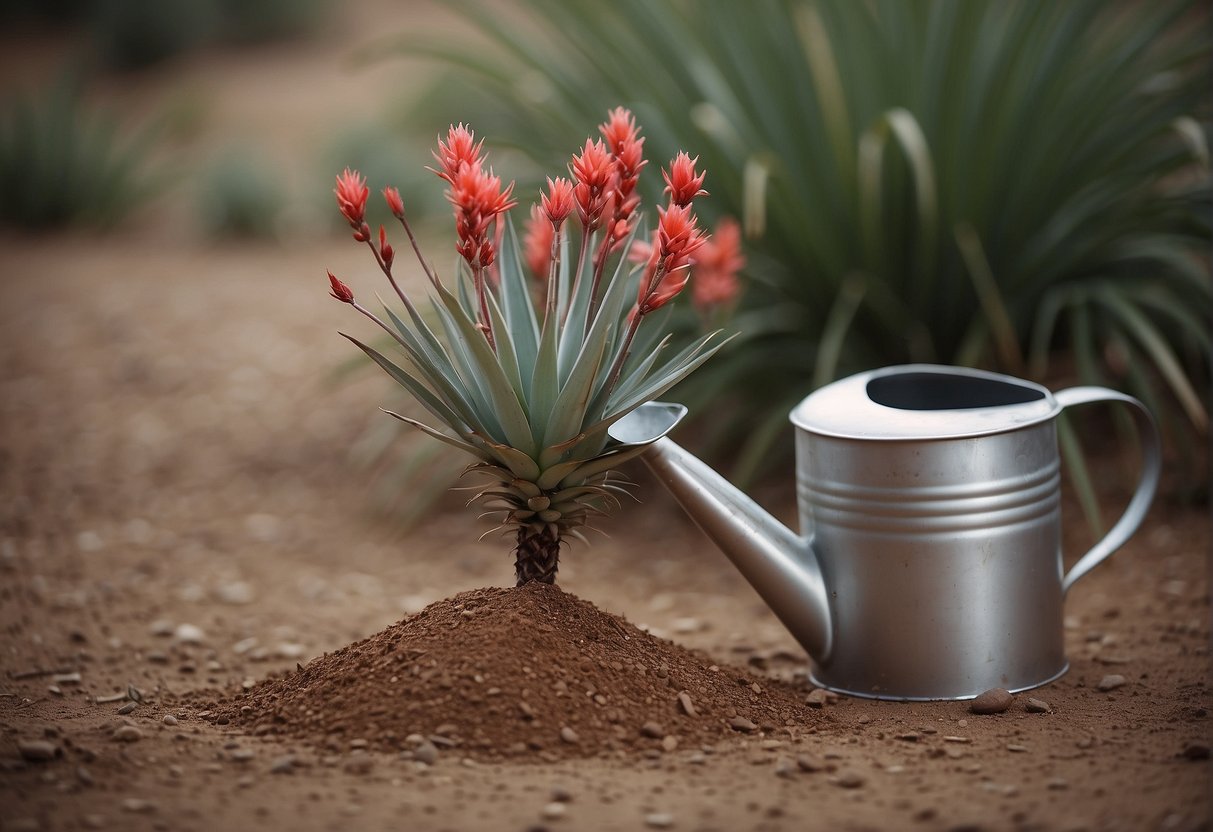
Red Yucca, also known as Hesperaloe parviflora, is a drought-tolerant plant that requires minimal watering. However, it’s crucial to understand the plant’s water needs to ensure its optimal growth and health.
Soil and Drainage Requirements
Red Yucca thrives in well-draining soil that doesn’t retain water for too long. Soil that is too wet can lead to root rot and other diseases, while soil that is too dry can cause drought stress. It’s essential to plant red yucca in soil that has good drainage and contains a mixture of sand, gravel, and organic matter.
Climate and Environmental Factors
Red Yucca is native to the southwestern United States and is adapted to hot and dry climates. The plant can tolerate a wide range of temperatures, from freezing to over 100 degrees Fahrenheit. However, it’s crucial to avoid overwatering the plant, especially in humid climates, as it can lead to root rot and other diseases.
When it comes to watering red yucca, less is more. The plant only needs to be watered once a week during the growing season and once every two to three weeks during the dormant season. Overwatering can lead to root rot and other diseases, while underwatering can cause drought stress and stunted growth.
In summary, understanding red yucca’s water needs is crucial for its optimal growth and health. Planting the plant in well-draining soil and avoiding overwatering can help prevent root rot and other diseases. By following the right watering schedule and ensuring the plant’s soil and drainage requirements are met, you can enjoy a healthy and thriving red yucca plant.
Watering Techniques for Healthy Growth
Red yucca plants require regular watering to maintain healthy growth. Proper watering techniques can help ensure your plant thrives in your garden or potting setup. Here are some tips to help you establish a watering schedule and adjust it for different seasons.
Establishing a Watering Schedule
To establish a watering schedule for your red yucca plant, you need to consider its water requirements and growing seasons. Red yucca plants prefer dry conditions, but they still need regular watering to thrive. Water your plant regularly during its active growing season, which is typically from spring to fall. During this time, you should give your plant a good soak every two weeks or so.
During the dormant period in winter, you should reduce watering to once a month or less. Keep an eye on your plant, and water it only when the soil is completely dry. Overwatering can lead to root rot, so it’s important to avoid this.
Adjusting Watering for Seasons
In full sun, your red yucca plant may require more water than it would in partial shade. During hot and dry conditions, you may need to water your plant more frequently. However, be careful not to overwater, as this can lead to root rot.
If you’re growing your red yucca plant in a pot, you may need to water it more frequently than if it were in the ground. Check the soil regularly, and water your plant when the top inch of soil feels dry.
By following these watering techniques, you can help ensure your red yucca plant grows healthy and strong. Remember to water regularly during the growing season, adjust watering for different seasons and conditions, and give your plant a good soak every two weeks or so.
Preventing Common Water-Related Issues
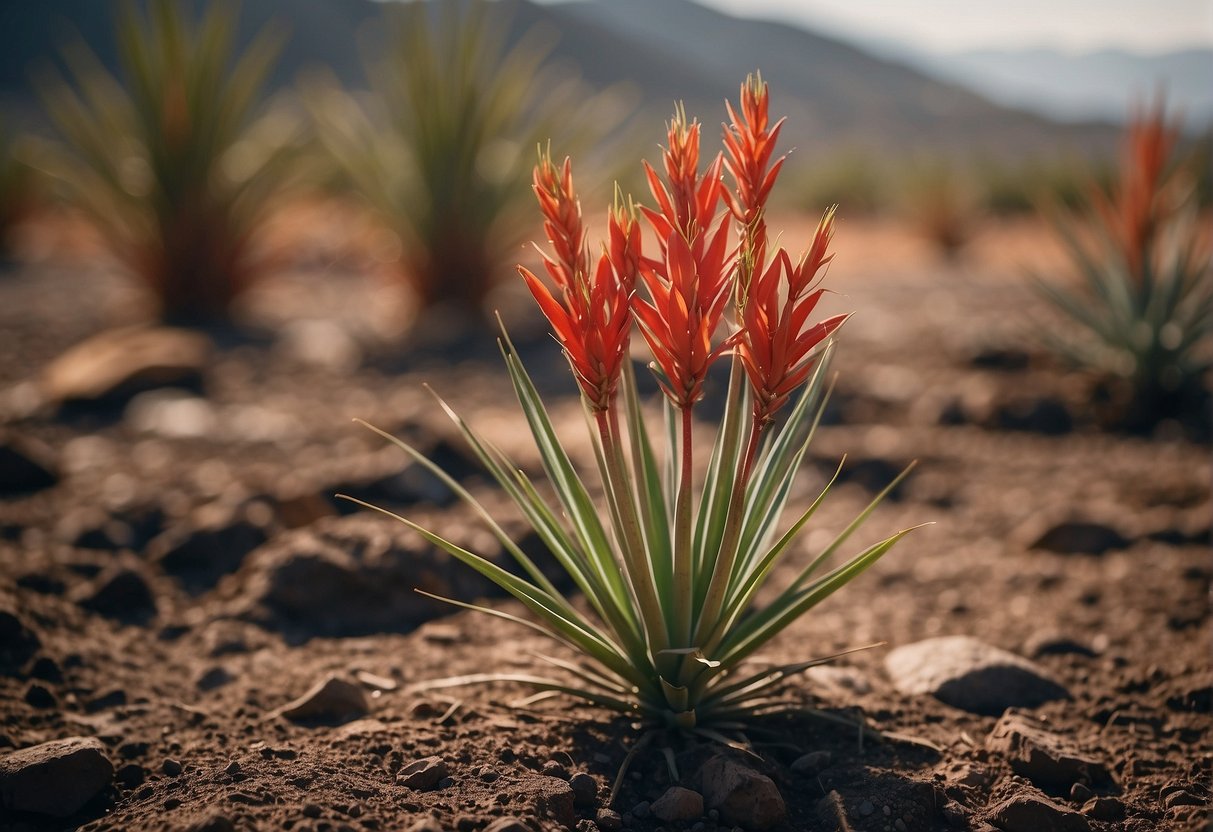
When it comes to watering your red yucca plants, it’s important to strike a balance between providing enough moisture and avoiding overwatering. Overwatering can lead to root rot and other issues, while underwatering can cause brown leaves and stunted growth. Here are some tips to prevent common water-related issues:
Identifying and Treating Root Rot
Root rot is a fungal disease that can be caused by overwatering, poor drainage, or other factors. Symptoms include yellowing leaves, wilting, and a foul odor. To prevent root rot, make sure your red yucca plants are planted in well-draining soil and avoid overwatering. If you suspect root rot, remove the affected plant and dispose of it to prevent the disease from spreading.
Managing Pests and Diseases
In addition to root rot, red yucca plants can be susceptible to pests and diseases such as aphids and mealybugs. These pests can cause damage to the leaves and flowers of the plant, and can also spread diseases. To manage pests and diseases, it’s important to regularly inspect your plants for signs of infestation, such as sticky residue or discoloration. If you notice any issues, consider using a pesticide or contacting a professional for help.
Overall, by following these tips and monitoring your red yucca plants regularly, you can prevent common water-related issues and keep your plants healthy and thriving.
Optimizing Red Yucca Care Beyond Watering
Red Yucca plants are known for their beautiful flowers and drought tolerance. However, to keep them healthy and thriving, it’s important to optimize their care beyond watering. Here are some tips to help you do just that.
Soil Composition and Repotting
Red Yucca plants prefer well-draining soil that is slightly acidic. A mixture of sand, potting soil, and perlite can create the ideal environment for your plant. Repotting should be done every 2-3 years, or when the plant has outgrown its current container. When repotting, gently loosen the root ball and remove any dead or damaged roots before placing it in fresh soil.
Pruning and Maintenance
Pruning is an important part of red yucca care. Dead or damaged stems should be removed promptly to prevent the spread of disease. Pruning shears should be disinfected before and after use to prevent the spread of disease. Red Yucca plants also benefit from regular fertilizing. Use a balanced fertilizer once a month during the growing season to promote healthy growth and flowering.
In conclusion, optimizing red yucca care goes beyond just watering. By paying attention to soil composition, repotting, pruning, and maintenance, you can ensure that your red yucca plant stays healthy and beautiful for years to come.
Frequently Asked Questions
What is the ideal watering schedule for red yucca plants?
Red yucca plants prefer to be watered deeply but infrequently. It is recommended to water them once a week during the growing season, and once every two to three weeks during the dormant season. However, the watering frequency may vary based on the climate and soil conditions.
Can overwatering affect red yucca plants?
Yes, overwatering can be harmful to red yucca plants as it can lead to root rot and other fungal diseases. Therefore, it is important to allow the soil to dry out between watering sessions. The plant’s leaves may also turn yellow or brown if it is receiving too much water.
What are the signs of improper watering in red yucca plants?
Improper watering can cause the leaves of red yucca plants to wilt or turn yellow. Overwatering can lead to root rot and fungal diseases, while underwatering can cause the leaves to dry out and become brittle. Therefore, it is important to maintain a consistent watering schedule and monitor the soil moisture levels.
How does climate affect the watering needs of red yucca plants?
The watering needs of red yucca plants may vary based on the climate. In hot and dry climates, the plants may require more frequent watering, while in cooler and more humid climates, they may require less watering. It is important to adjust the watering schedule based on the climate and soil conditions.
How should I adjust red yucca watering in different seasons?
During the growing season, which is typically from spring to fall, red yucca plants require more frequent watering. However, during the dormant season, which is typically in the winter, they require less watering. It is important to adjust the watering schedule based on the season and soil moisture levels.
What are the best practices for red yucca plant hydration?
To ensure proper hydration, it is recommended to water red yucca plants deeply but infrequently, allowing the soil to dry out between watering sessions. It is also important to monitor the soil moisture levels and adjust the watering schedule based on the climate and soil conditions. Avoid overwatering, as it can lead to root rot and other fungal diseases.

