
What Do Side Roots on Yucca Plants Look Like: A Guide
If you have an affinity for desert flora, chances are you’re well-acquainted with yucca plants. Characterized by their elongated, spiky foliage and impressive flower spikes, yucca plants add a remarkable flair to both gardens and indoor spaces. However, have you taken a moment to consider the appearance of the side roots of yucca plants? This article delves into the side roots of yucca plants, examining their characteristics and what they reveal about the plant’s well-being.
Identifying Side Roots on Yucca Plants
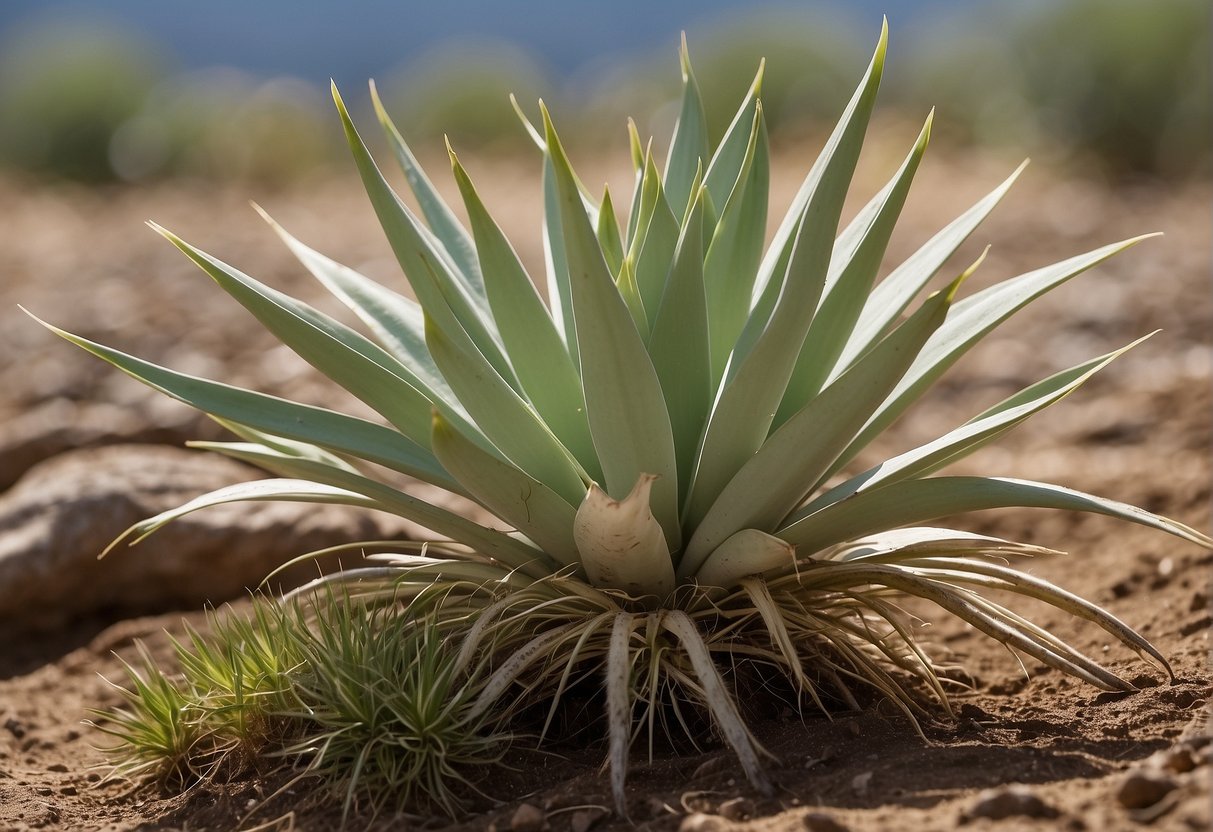
Yucca plants are known for their deep, extensive root systems. While the main roots of the plant grow straight down into the soil, yucca plants also produce a network of smaller, side roots that spread out horizontally from the main stem. These roots are typically thin and fibrous, and they can be difficult to spot without digging up the plant. However, if you notice your yucca plant producing new shoots or leaves from the base of the stem, it’s a good indication that the side roots are healthy and actively growing.
Optimal Growing Conditions for Yucca
In order to keep your yucca plant healthy and thriving, it’s important to provide it with the right growing conditions. Yucca plants are native to arid regions of the Americas, so they prefer dry, well-draining soil and plenty of sunlight. They are also drought-tolerant and can survive for long periods without water. However, yucca plants can suffer if they are overwatered or exposed to frost, so it’s important to be mindful of these factors when caring for your plant.
Key Takeaways
- Yucca plants produce thin, fibrous side roots that spread out horizontally from the main stem.
- Healthy side roots can be identified by the presence of new shoots or leaves at the base of the stem.
- Yucca plants prefer dry, well-draining soil and plenty of sunlight, and are drought-tolerant but can suffer if overwatered or exposed to frost.
Identifying Side Roots on Yucca Plants
Yucca plants are known for their unique appearance and hardy nature. These plants are often grown for their ornamental value and require minimal care. One of the defining features of yucca plants is their side roots. In this section, we will discuss how to identify side roots on yucca plants.
Appearance and Characteristics
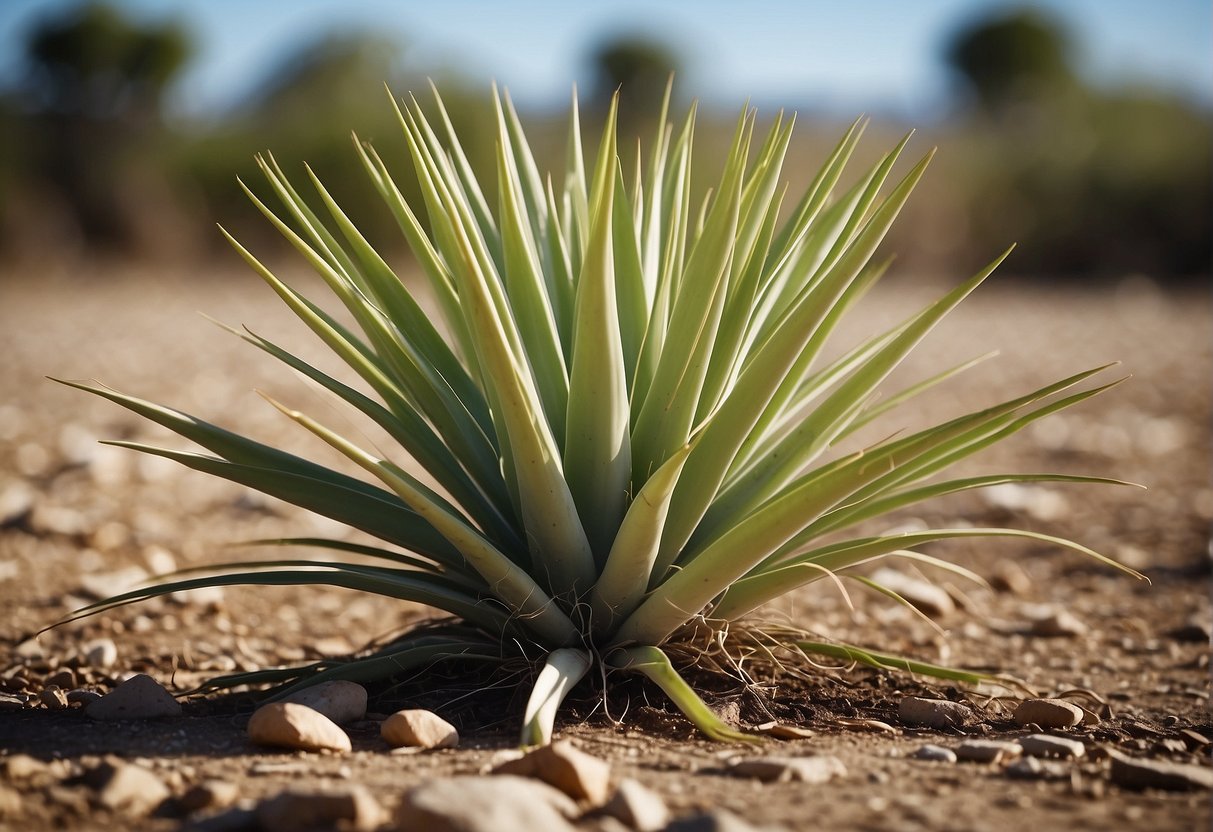
Side roots on yucca plants are thin and fibrous. They are typically brown in color and have a rough texture. These roots grow out from the main stem of the plant and can extend several inches into the soil. Side roots are usually shorter than the main roots and grow in a horizontal direction.
Role and Function
Side roots on yucca plants play an important role in the overall health and growth of the plant. They are responsible for absorbing water and nutrients from the soil and transporting them to the rest of the plant. Side roots also help to anchor the plant in the soil and provide stability.
It is important to note that yucca plants can develop side roots at any time, but they are most commonly found in mature plants. If you are looking to propagate your yucca plant, you can use these side roots to create new plants.
In conclusion, identifying side roots on yucca plants is an important part of plant care. By understanding their appearance and function, you can better care for your yucca plant and ensure its overall health and growth.
Optimal Growing Conditions for Yucca
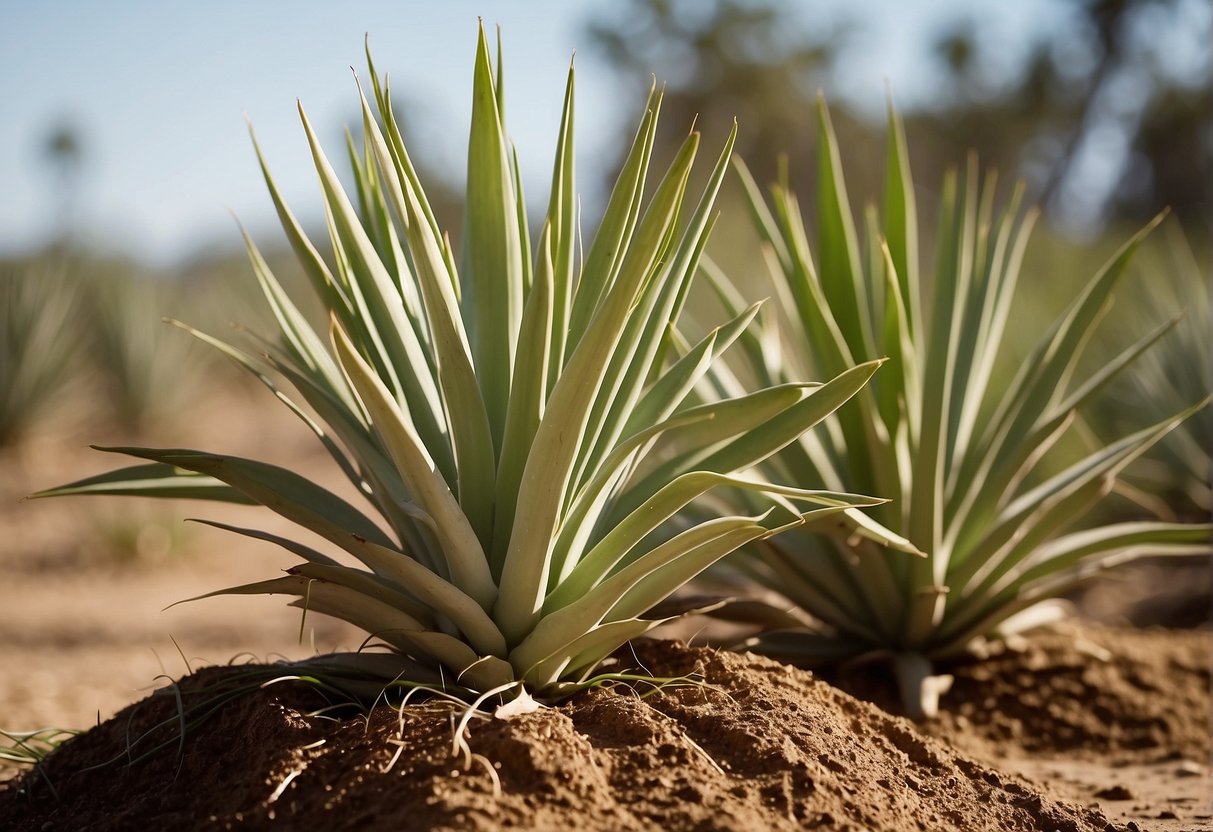
Yucca plants are known for their resilience and ability to thrive in a variety of conditions. However, to ensure your yucca plant grows strong and healthy, there are some optimal growing conditions you should consider.
Soil and Drainage
Yucca plants prefer well-draining soil that is slightly acidic to neutral. A mixture of sand, perlite, and potting soil can provide the ideal growing medium. It’s important to ensure the soil is not too compact, as yucca roots need room to grow. Poor drainage can lead to root rot, so make sure the pot or planting area has adequate drainage holes.
Watering and Moisture
Yucca plants are drought-tolerant and can survive long periods without water. However, they still require occasional watering. It’s important not to overwater, as this can lead to root rot. Allow the soil to dry out before watering again. During winter months, reduce watering to once every few weeks.
Sunlight and Temperature
Yucca plants thrive in full sun and can tolerate high temperatures. However, they can also grow in partial shade. Ensure the plant is not exposed to extreme temperatures, such as frost. Yucca plants can survive in temperatures as low as 30°F (-1°C) but prefer temperatures between 60°F (15°C) and 95°F (35°C).
By providing optimal growing conditions, your yucca plant will grow strong and healthy. Remember to monitor soil moisture and provide adequate sunlight and temperature. With proper care, your yucca plant can thrive for years to come.
Caring for Yucca Plant Roots
Yucca plants are known for their hardiness and low maintenance requirements. However, caring for the roots of your yucca plant is crucial to ensure its overall health and growth. Here are some tips on how to care for your yucca plant roots:
Preventing Root Damage
Preventing root damage is essential to keep your yucca plant healthy. Avoid overwatering your plant as it can cause root rot. Make sure your plant’s pot has adequate drainage holes to prevent water from accumulating in the soil. Also, avoid placing your yucca plant in a location with poor drainage, as it can lead to root damage.
If you notice any damaged or dead leaves, remove them immediately to prevent disease or pests from spreading to the roots. You can also use a pair of sharp scissors or pruning shears to trim any damaged roots.
Transplanting and Repotting
Transplanting and repotting your yucca plant is necessary to promote healthy root growth and prevent overcrowding. When transplanting, carefully remove the plant from its current pot and gently shake off any excess soil from the roots. Inspect the roots for damage or signs of disease and remove any damaged sections.
When repotting, choose a pot that is slightly larger than the current one to allow room for growth. Fill the new pot with fresh, well-draining soil, and place the plant in the center. Add soil around the roots, making sure to tamp it down gently to remove any air pockets.
To ensure the best results, transplant or repot your yucca plant during the spring or summer months when it is actively growing.
By following these tips, you can ensure that your yucca plant’s roots remain healthy and strong, promoting overall growth and longevity.
Common Issues and Solutions
Yucca plants are generally low-maintenance and easy to care for, but they can still encounter some common issues. Here are some solutions to help you identify and manage these issues.
Overwatering Symptoms
Overwatering is a common issue with Yucca plants, and it can lead to root rot and other problems. If you notice that the leaves are turning yellow or brown and the plant is wilting, it may be a sign of overwatering. To prevent overwatering, make sure that the soil is well-draining and that you are not watering the plant too frequently. Allow the soil to dry out completely before watering again.
Pest and Disease Management
Yucca plants can be susceptible to pests and diseases, but there are ways to manage these issues. If you notice that the leaves are turning brown or have spots, it may be a sign of fungal infection. To manage fungal infections, you can use a fungicide to treat the plant. Make sure to follow the instructions carefully and apply the fungicide as directed.
If you notice that there are pests on your Yucca plant, such as spider mites or mealybugs, you can use an insecticide to manage the issue. Make sure to choose an insecticide that is safe for use on Yucca plants and follow the instructions carefully.
In conclusion, by following these simple solutions, you can easily manage the common issues that Yucca plants may encounter. By being aware of the signs and symptoms of overwatering, pests, and diseases, you can ensure that your Yucca plant remains healthy and vibrant.
Frequently Asked Questions
What are the characteristics of yucca plant roots?
Yucca plant roots are typically thick, woody, and fibrous. They tend to grow in a shallow, spreading pattern and can extend several feet from the base of the plant. The roots are often white or cream-colored and have a tough, leathery texture.
Can yucca roots cause damage to foundations or pipes?
Yucca roots are not typically known to cause damage to foundations or pipes. However, if the plant is growing too close to a structure or underground utility line, the roots can potentially cause problems. It is best to plant yuccas at least several feet away from any buildings or pipes.
What is the typical depth range for yucca plant roots?
Yucca plant roots tend to grow in the top few inches of soil, but can extend as deep as several feet in some cases. The depth of the roots depends on the species of yucca and the soil conditions in which it is growing.
How can yucca roots be effectively removed or killed?
To remove yucca roots, it is best to dig them up using a shovel or other digging tool. It is important to remove as much of the root system as possible to prevent regrowth. If you are trying to kill yucca roots, you can use an herbicide specifically designed for woody plants.
Are there any beneficial properties associated with yucca roots?
Yucca roots have been used for centuries by Native Americans for medicinal purposes. They are believed to have anti-inflammatory and pain-relieving properties, and may also help to boost the immune system.
What methods are used to propagate yucca plants from root cuttings?
Yucca plants can be propagated from root cuttings. To do this, select a healthy, mature plant and dig up a section of the root system. Cut the root into several pieces, making sure each piece has at least one growing point. Plant the cuttings in well-draining soil and keep them moist until they begin to root and establish themselves.

