
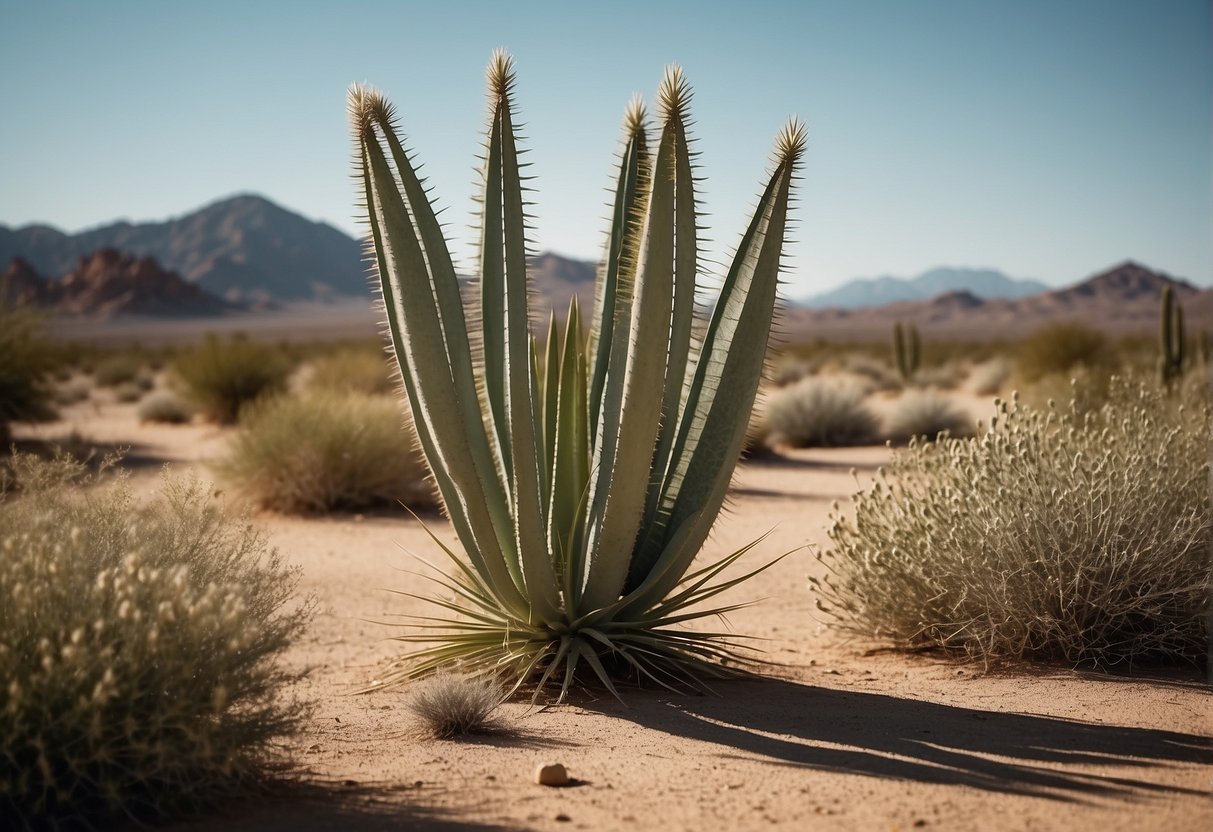
Where to Find Free Plants in the Desert: Yucca Edition
If you’re aiming to introduce some plant life into your arid garden affordably, you may be curious about obtaining plants at no cost in desert environments. Fortunately, the yucca plant offers a resilient and easy-to-care-for choice, capable of flourishing in dry conditions. With just a small amount of expertise and exertion, it’s quite feasible to locate and grow yucca plants without spending money.
First, it’s important to identify which yucca species are suitable for desert climates. Different types of yucca have different water and temperature requirements, so it’s important to choose the right one for your area. Once you’ve found a suitable species, you can start cultivating and caring for your yucca plants. With proper pruning and watering, your yucca plants can grow strong and healthy.
If you’re looking for sources for free yucca plants in desert areas, there are a few options available to you. Local nurseries and garden centers may have excess plants that they are willing to give away for free. You can also check with local gardening groups or online classifieds to see if anyone is giving away yucca plants. With a little bit of effort and patience, you can add some beautiful and low-cost greenery to your desert landscape.
Key Takeaways
- Yucca plants are a great low-maintenance option for desert landscapes.
- Choose the right yucca species for your area and cultivate them with proper care.
- Check with local nurseries, gardening groups, and online classifieds for sources of free yucca plants.
Identifying Yucca Species Suitable for Desert Climates
If you’re looking for free plants in the desert, yuccas are a great option. However, not all yucca species are suitable for arid regions. Here are some tips for identifying yucca species that thrive in desert climates.
Characteristics of Desert-Friendly Yuccas
Desert-friendly yuccas typically have the following characteristics:
- Drought-tolerant: Yuccas that can survive in arid regions have adapted to dry conditions and can withstand long periods without water.
- Heat-tolerant: Yuccas that thrive in the desert can handle high temperatures and intense sunlight.
- Cold-tolerant: While desert climates are known for their heat, they can also experience cold temperatures at night. Yuccas that can tolerate cold weather are better suited for arid regions.
- Soil-adaptable: Yuccas that can grow in a variety of soil types, including sandy, rocky, and clay soils, are more likely to thrive in desert climates.
Popular Yucca Varieties for Arid Regions
Here are some popular yucca species that are well-suited for arid regions:
- Yucca filamentosa: Also known as Adam’s needle, this yucca species is native to the southeastern United States and can grow in a variety of soil types. It has long, sword-shaped leaves and produces tall spikes of white flowers in the summer.
- Yucca elephantipes: Also known as the giant yucca or spineless yucca, this species is native to Mexico and Central America. It can grow up to 30 feet tall and has long, green leaves that grow in a rosette pattern.
- Yucca aloifolia: This yucca species is native to the southeastern United States and can grow up to 15 feet tall. It has long, spiky leaves and produces tall spikes of white flowers in the summer.
- Yucca gloriosa: Also known as Spanish bayonet, this yucca species is native to the southeastern United States and can grow up to 10 feet tall. It has long, green leaves with sharp tips and produces tall spikes of white flowers in the summer.
- Joshua tree: This yucca species is native to the Mojave Desert and can grow up to 40 feet tall. It has spiky leaves and produces clusters of white flowers in the spring.
- Soapweed yucca: Also known as narrowleaf yucca, this species is native to the Great Plains and can grow up to 10 feet tall. It has long, narrow leaves and produces tall spikes of white flowers in the summer.
- Banana yucca: This yucca species is native to the southwestern United States and can grow up to 5 feet tall. It has long, green leaves and produces clusters of yellow flowers in the summer.
- Mojave yucca: This yucca species is native to the Mojave Desert and can grow up to 16 feet tall. It has long, green leaves and produces tall spikes of white flowers in the spring.
By identifying yucca species that are well-suited for desert climates, you can ensure that your free plants will thrive in your arid region.
Cultivation and Care for Yucca Plants
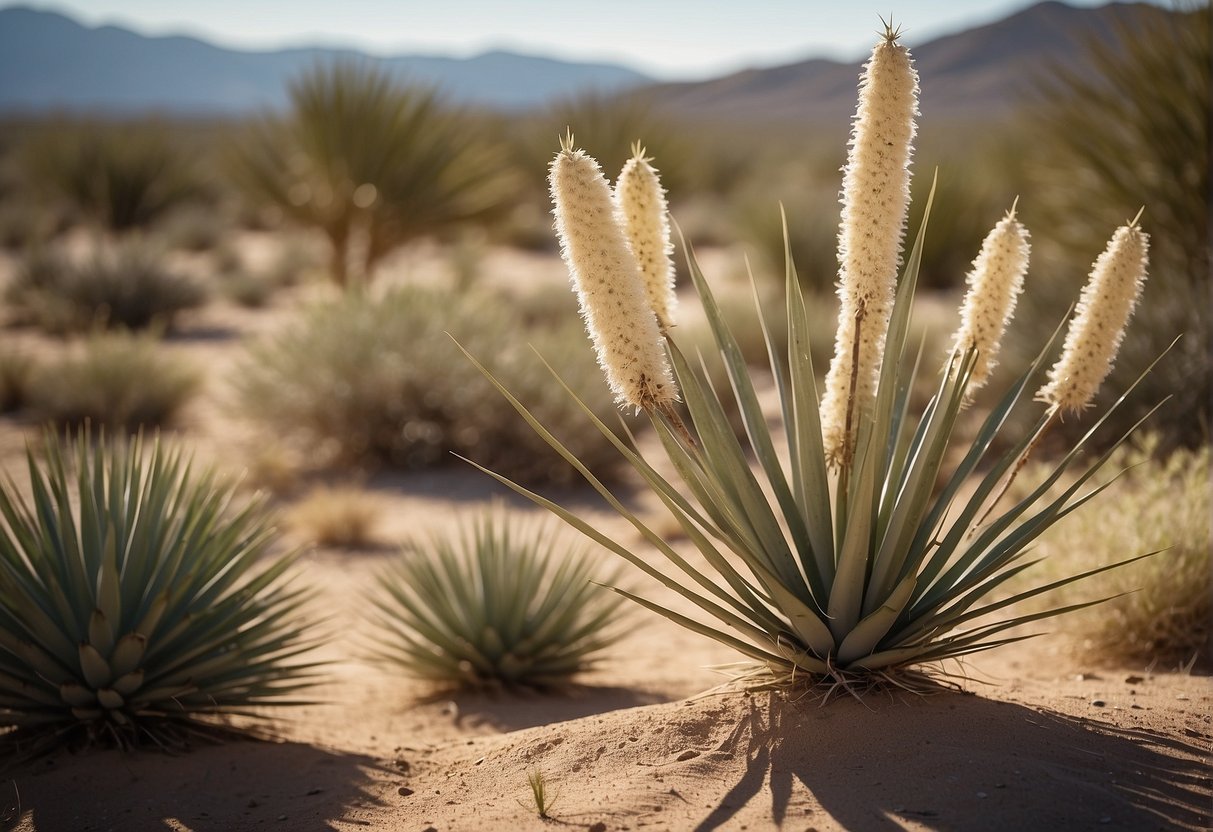
Yucca plants are a popular choice for landscaping in desert regions due to their low maintenance and drought-tolerant nature. Here are some tips for cultivating and caring for yucca plants.
Soil and Water Requirements for Yucca
Yucca plants prefer well-drained soil with a pH range of 6.0 to 7.5. When planting yucca in the ground, make sure the soil is well-drained to prevent root rot. Water yucca plants deeply and infrequently, allowing the soil to dry out between waterings. Overwatering can lead to root rot and other fungal diseases.
Sunlight and Temperature Needs
Yucca plants require full sun and thrive in hot, dry climates. They can tolerate temperatures as low as 10°F and as high as 100°F. In colder regions, yucca plants can be grown in pots and brought indoors during the winter months.
Propagation and Maintenance Techniques
Yucca plants can be propagated by division or from seeds. To propagate by division, carefully separate the offsets from the parent plant and plant them in well-drained soil. Yucca plants require minimal pruning, but dead or damaged foliage can be removed as needed. Fertilize yucca plants once a year in the spring with a slow-release fertilizer formulated for cacti and succulents.
In summary, yucca plants are a low-maintenance and drought-tolerant choice for landscaping in desert regions. With proper soil and water requirements, full sun exposure, and minimal maintenance, yucca plants can thrive and add a unique touch to your landscape.
Sources for Free Yucca Plants in Desert Areas
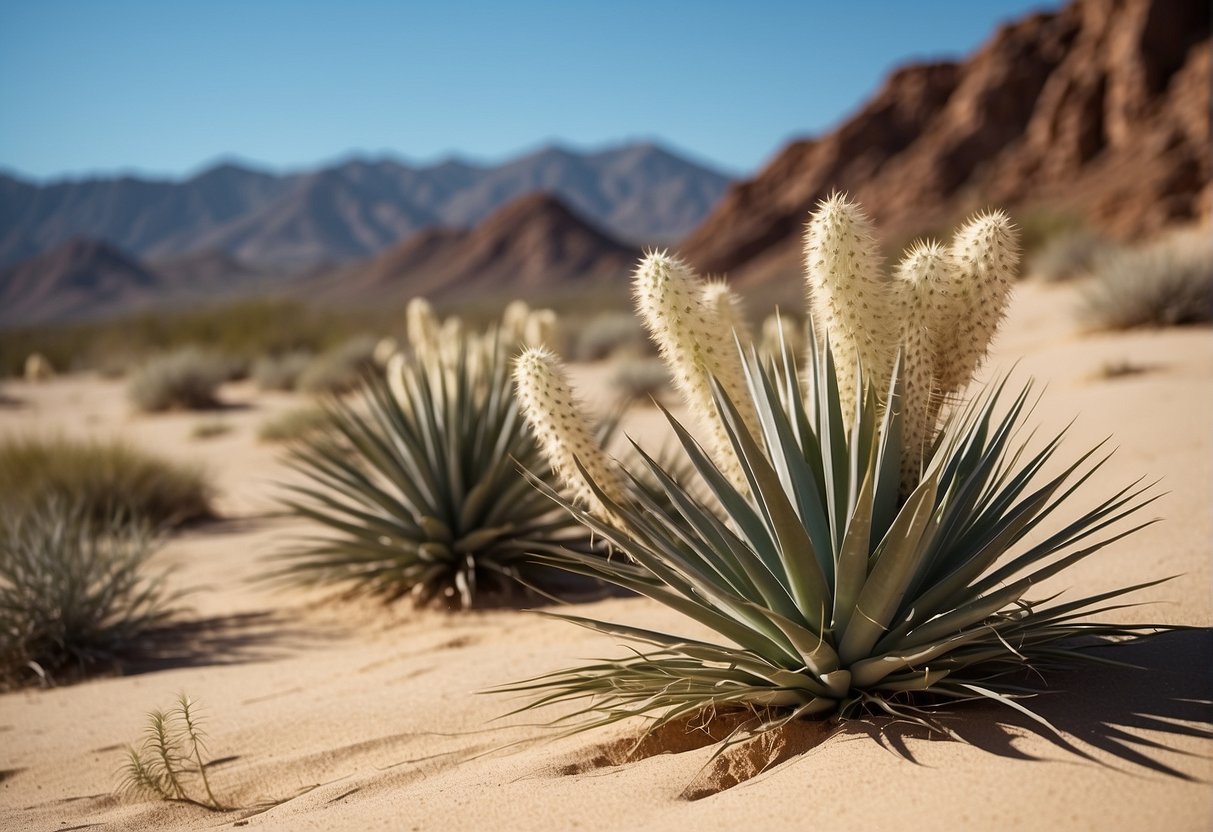
If you’re looking to add some yucca plants to your garden or landscaping without spending a dime, there are several sources you can check out for free yucca plants in desert areas. Here are some options to consider:
Community Plant Exchanges and Giveaways
Many communities host plant exchanges or giveaways where residents can bring in plants they no longer want and pick up new ones for free. Check with your local community center or gardening club to see if they have any upcoming events. These exchanges can be a great way to find yucca plants and other species that are well-suited to desert climates.
Local Gardening Groups and Clubs
Local gardening groups and clubs can be a great resource for finding free yucca plants. These groups often have members who are willing to share cuttings or seedlings from their own gardens. You can also connect with other gardeners in your area to learn more about yucca species that are particularly well-suited to your local climate.
Online Platforms and Social Media
Online platforms and social media can also be a great way to find free yucca plants in desert areas. Check out local gardening groups on Facebook or other social media platforms to see if anyone is offering free yucca plants. You can also look for gardening forums or online communities where members share tips and advice on growing yucca and other ornamental plants.
Overall, there are many sources for free yucca plants in desert areas if you know where to look. Whether you attend a community plant exchange, connect with local gardening groups, or search online, you’re sure to find some great options for adding these hardy and attractive plants to your garden or landscaping.
Protecting Yuccas from Common Pests and Problems
Identifying and Treating Yucca Pests
Yuccas are generally hardy plants, but they can still fall victim to pests and insects. Common yucca pests include scale, aphids, and mealybugs. Scale insects can be identified by their small, round, brown or black shells that attach themselves to the yucca’s leaves. Aphids are small, soft-bodied insects that can be found on the undersides of the leaves and flower spikes. Mealybugs are white, fluffy insects that also feed on the yucca’s sap.
To treat these pests, you can try removing them manually with a soft-bristled brush or a cotton swab dipped in rubbing alcohol. You can also use insecticidal soap or neem oil to kill them. Be sure to follow the instructions on the label carefully and use caution when applying any chemicals.
Preventing Diseases and Environmental Stress
Yuccas can also be susceptible to diseases and environmental stress. Overwatering can cause root rot, while underwatering can cause the leaves to turn brown and dry out. To prevent these issues, make sure to plant your yucca in well-draining soil and water it only when the top inch of soil feels dry to the touch.
Yuccas can also be affected by fungal diseases such as leaf spot and stem rot. To prevent these diseases, avoid overwatering and make sure the plant has adequate air circulation. If you notice any signs of disease, remove the affected leaves or stems and dispose of them in the trash.
In addition to pests and diseases, yuccas can also suffer from environmental stress caused by extreme temperatures or exposure to pets or wildlife. To protect your yucca from these factors, consider planting it in a container that can be moved indoors during extreme weather conditions. You can also use netting or other barriers to keep pets and wildlife away from the plant.
By following these tips, you can help protect your yucca from common pests and problems, ensuring that it thrives in your desert garden.
Frequently Asked Questions
What are the legal ways to obtain yucca plants in desert areas?
It is important to note that removing plants from the wild without permission is illegal and can result in fines or other penalties. However, there are legal ways to obtain yucca plants in desert areas. Some nurseries and plant centers specialize in desert plants and may have yucca plants available for purchase. Additionally, some conservation organizations offer free plants for restoration and conservation purposes.
How can one propagate yucca plants from existing wild specimens?
Yucca plants can be propagated by removing offsets, or “pups,” from the base of mature plants. These can be replanted in suitable soil and will eventually grow into mature plants. It is important to obtain permission before removing any plants or plant parts from the wild.
Are there specific locations in the desert where yucca plants are abundant?
Yucca plants can be found throughout desert areas, but they may be more abundant in certain locations. Look for areas with rocky or sandy soil and plenty of sunlight. Yucca plants are often found growing near other desert plants, such as cacti and agave.
What organizations provide free plants, including yuccas, for conservation purposes?
There are several organizations that offer free plants for conservation purposes. The Bureau of Land Management, National Park Service, and various conservation groups may have programs that provide free plants, including yuccas, for restoration and conservation projects.
Can yucca plants be sourced from national or state parks with a permit?
Some national and state parks may offer permits for the removal of certain plants, including yuccas, for research or conservation purposes. It is important to obtain the necessary permits and follow all regulations and guidelines for responsible plant removal.
What are the best practices for responsibly foraging yucca plants in the wild?
Responsible foraging of yucca plants in the wild involves obtaining permission from landowners or authorities, following all regulations and guidelines, and minimizing damage to surrounding plants and ecosystems. It is important to only take what is needed and to leave enough plants for future generations.

