
What Are Yucca Looking Octopuss Plants: A Comprehensive Guide
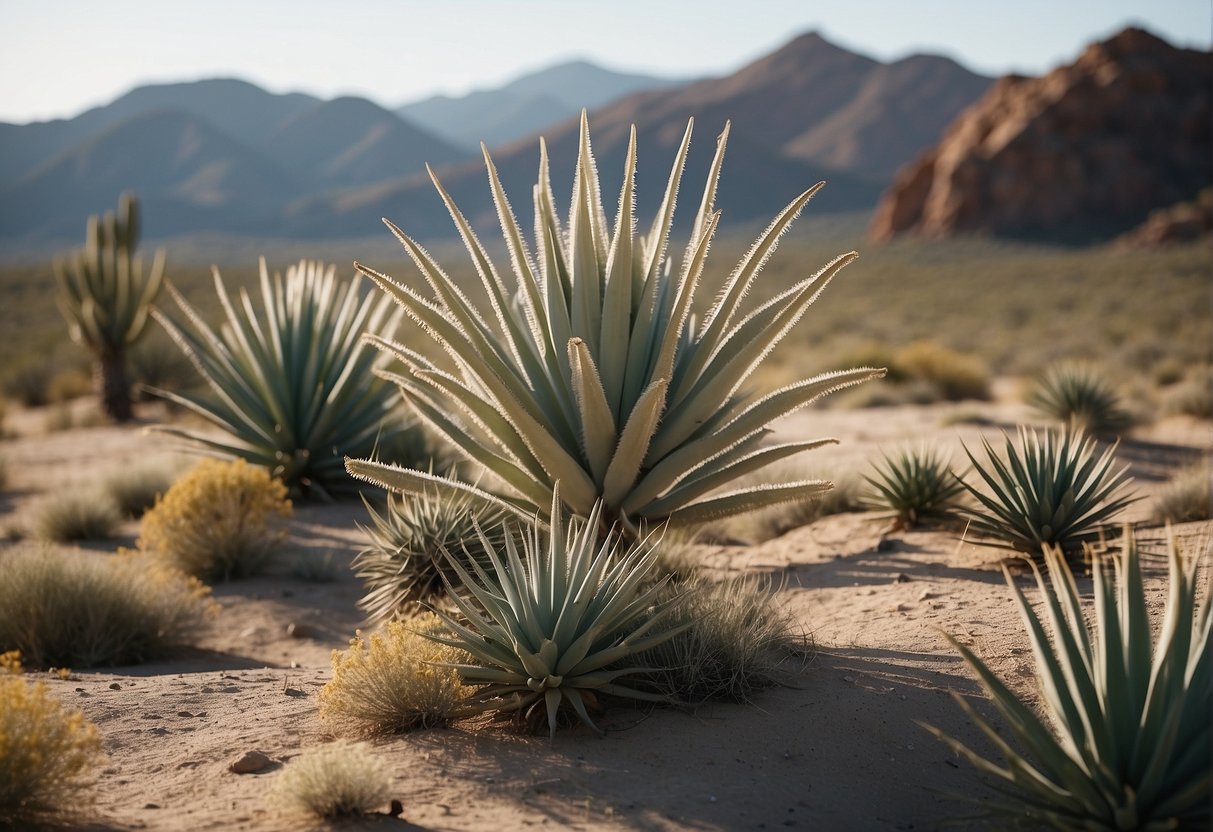
Should you encounter a plant resembling a yucca but adorned with leaves that mimic tentacles, it’s likely you’ve discovered an octopus plant that bears a striking similarity to a yucca. Officially termed Dasylirion wheeleri, these specimens are actually succulents originating from the American Southwest and northern Mexico. Despite their formidable appearance, these plants are comparatively simple to maintain and offer an extraordinary flair to either your outdoor landscape or indoor space.
Understanding Yucca Plants
Yucca plants are often mistaken for yucca-looking octopus plants due to their similar appearance. However, yucca plants belong to the Asparagaceae family and are native to the Americas, while yucca-looking octopus plants belong to the Nolinaceae family and are native to the southwestern United States and northern Mexico. Yucca plants are also known for their large, showy flowers, while yucca-looking octopus plants produce small, inconspicuous flowers.
Cultivation and Care
Yucca-looking octopus plants are relatively easy to care for and can thrive in a variety of conditions. They prefer well-draining soil and full sun, but can also tolerate partial shade. These plants are drought-tolerant and do not require frequent watering, making them a great choice for low-maintenance gardens. However, it’s important to avoid overwatering, as this can lead to root rot.
Key Takeaways
- Yucca-looking octopus plants are a type of succulent native to the southwestern United States and northern Mexico.
- These plants are easy to care for and can thrive in a variety of conditions, making them a great choice for low-maintenance gardens.
- Yucca-looking octopus plants prefer well-draining soil and full sun, but can also tolerate partial shade.
Understanding Yucca Plants
Species Overview
Yucca plants are a type of succulent that belong to the family Asparagaceae. There are more than 40 species of yucca plants, with varying physical characteristics and growing habits. Some of the most common species include Yucca filamentosa, Yucca gloriosa, and Yucca brevifolia.
These plants are native to arid regions of North and Central America, but can now be found in many parts of the world. They are known for their striking appearance, with long, sword-shaped leaves and tall, spiky flower stalks.
Physical Characteristics
Yucca plants are generally characterized by their spiky, sword-shaped leaves that grow in a rosette pattern. The leaves can range in color from green to blue-green, and may be smooth or have rough, serrated edges.
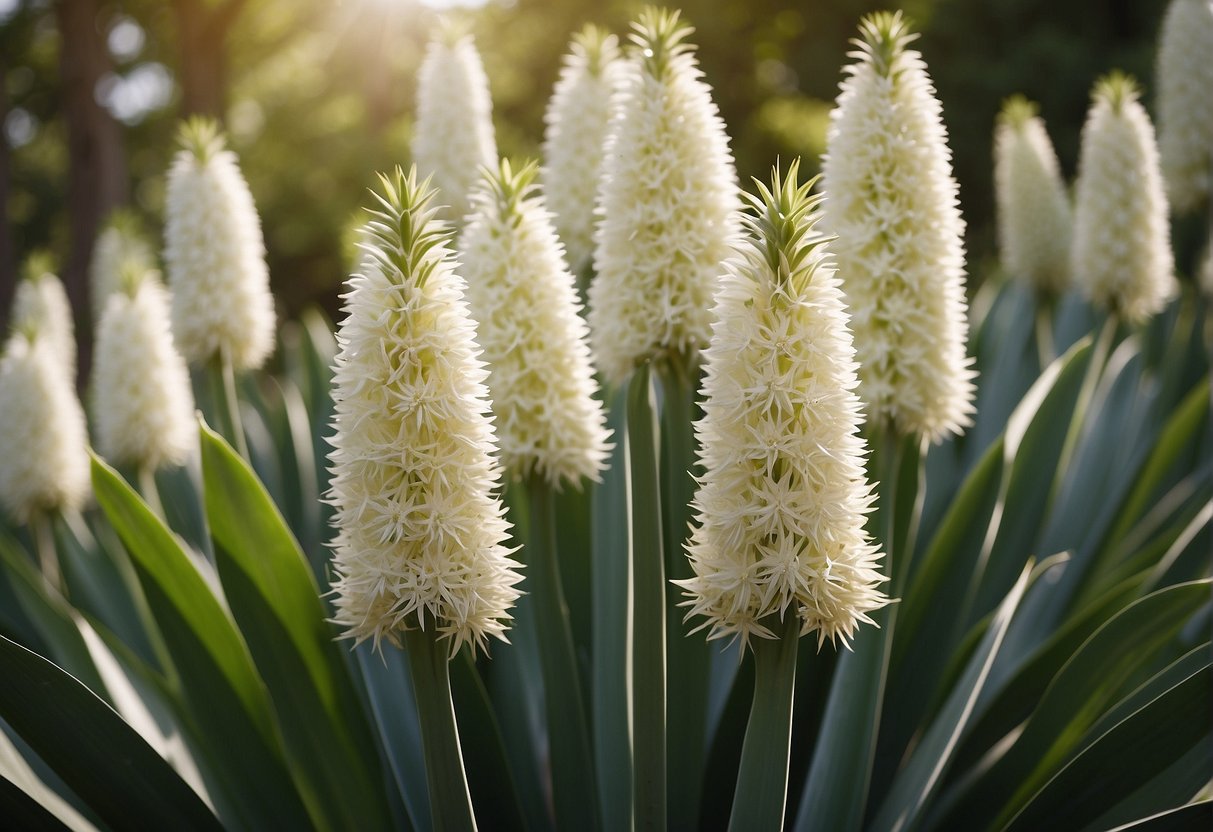
Yucca plants are also known for their tall, spiky flower stalks that can reach up to 20 feet in height. The flowers are typically white or cream-colored, and are often fragrant.
Yucca plants are hardy and adaptable, and can be grown in a variety of conditions. They prefer well-draining soil and full sun, but can also tolerate some shade and drought.
Overall, yucca plants are a striking and unique addition to any garden or landscape. With their distinctive appearance and hardy nature, they are sure to make a statement wherever they are planted.
Cultivation and Care
Planting and Soil Requirements
When planting yucca looking octopus plants, it is important to ensure that the soil is well-draining and well-drained. These plants prefer soil with a pH of 6.0 to 7.5. If you are planting in a container, make sure that it has drainage holes to prevent overwatering.
Yucca looking octopus plants are drought-tolerant and prefer full sun exposure. In the summer, it is important to water them regularly, but be careful not to overwater as this can lead to root rot.
Watering and Sunlight Exposure
These plants thrive in full sun exposure and require at least six hours of sunlight per day. If you are planting them in an area with partial shade, make sure that they still receive enough sunlight.
Watering is important during the summer months, but be careful not to overwater as this can lead to root rot. It is recommended to water these plants once a week during the summer and once every two weeks during the winter.
Maintenance and Pruning
Yucca looking octopus plants require minimal maintenance and pruning. However, it is important to remove any dead or yellow leaves to prevent disease.
If you are growing these plants in a container, make sure to fertilize them every two to three months during the growing season.
Overall, yucca looking octopus plants are easy to care for and make great additions to any garden or container. With proper care and maintenance, these plants can thrive in a variety of environments.
Varieties and Landscape Use
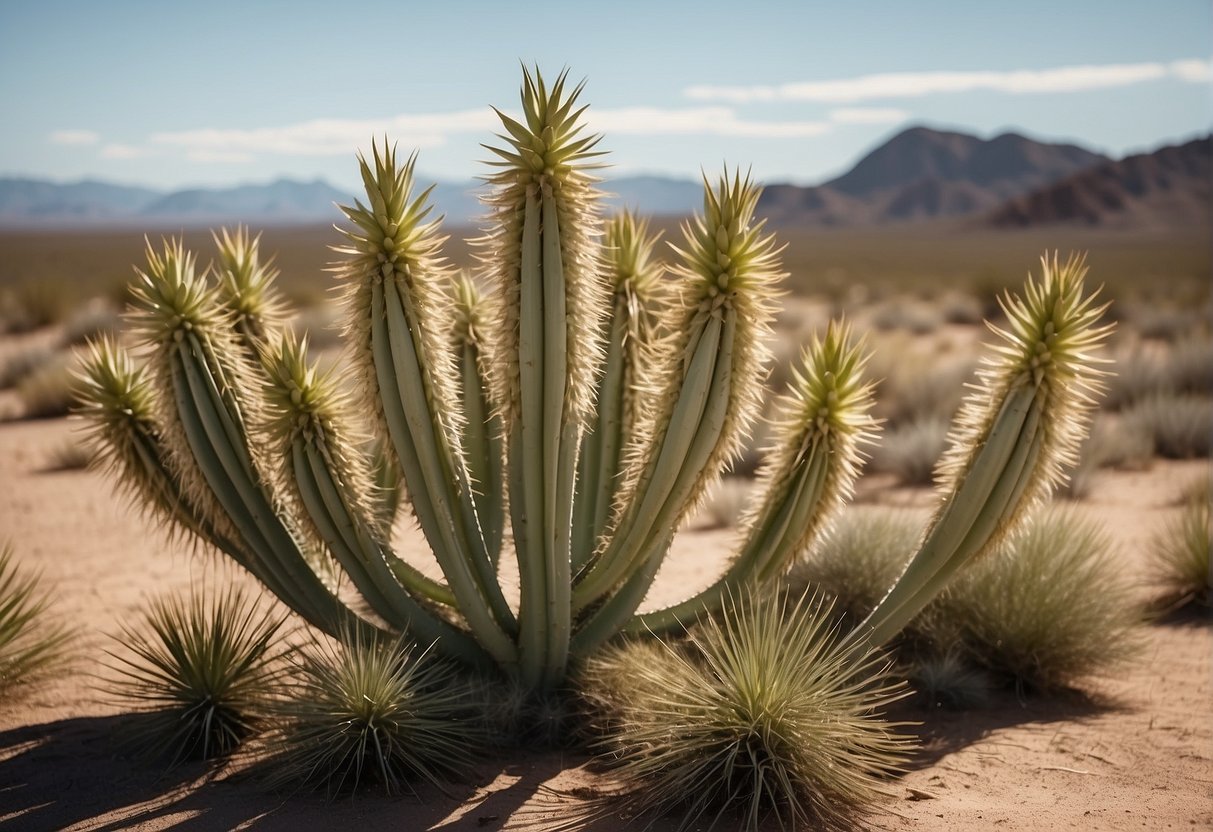
Yuccas are a popular choice for landscaping due to their unique appearance and low maintenance requirements. They come in a variety of shapes and sizes, making them suitable for a range of landscape designs.
Popular Yucca Varieties
Yucca Filamentosa
Also known as the Adam’s Needle, this yucca is native to the southeastern United States. It has long, sword-shaped leaves that are green with white threads along the edges. The plant produces a tall stalk of white flowers in the summer.
Yucca Elephantipes
Also called the Spineless Yucca, this variety is native to Mexico and Central America. It has a single trunk with long, sword-shaped leaves that grow in a rosette pattern. The plant produces clusters of white flowers in the summer.
Yucca Flaccida
This yucca is native to the southeastern United States. It has long, narrow leaves that are green with a bluish tint. The plant produces a tall stalk of white flowers in the summer.
Yucca Aloifolia
Also known as the Spanish Bayonet, this yucca is native to the southeastern United States. It has long, sword-shaped leaves that are green with sharp spines along the edges. The plant produces a tall stalk of white flowers in the summer.
Yucca Rostrata
This yucca is native to Mexico and has a unique appearance with a single trunk and long, thin leaves that grow in a rosette pattern. The plant produces a tall stalk of white flowers in the summer.
Yucca Gloriosa
Also called the Mound Lily Yucca, this variety is native to the southeastern United States. It has long, sword-shaped leaves that are green with yellow edges. The plant produces a tall stalk of white flowers in the summer.
Banana Yucca
This yucca is native to the southwestern United States and Mexico. It has long, narrow leaves that are green with a bluish tint. The plant produces a tall stalk of yellow flowers in the summer.
Soaptree Yucca
Also known as the Soapweed Yucca, this variety is native to the southwestern United States and Mexico. It has long, narrow leaves that are green with a bluish tint. The plant produces a tall stalk of white flowers in the summer.
Yucca Baccata
This yucca is native to the southwestern United States and Mexico. It has long, narrow leaves that are green with a bluish tint. The plant produces a tall stalk of white flowers in the summer.
Yucca Brevifolia
Also called the Joshua Tree, this yucca is native to the southwestern United States. It has a unique appearance with a single or multiple trunks and long, thin leaves that grow in a rosette pattern. The plant produces a tall stalk of white flowers in the summer.
Designing with Yuccas
Yuccas are versatile plants that can be used in a variety of landscape designs. They are often used as accent plants in rock gardens or as a focal point in a desert landscape. Yuccas can also be used as a border plant or as a specimen plant in a mixed bed.
When designing with yuccas, it is important to consider their size and growth habit. Some yuccas, such as the Yucca Rostrata, can grow up to 20 feet tall, while others, such as the Yucca Filamentosa, only grow to be a few feet tall. It is also important to consider the color and texture of the leaves, as well as the color of the flowers.
Yuccas are low maintenance plants that require little water and can tolerate a range of soil types. They are also resistant to pests and diseases, making them an ideal choice for the garden. With their unique appearance and ease of care, yuccas are a great addition to any landscape.
Propagation and Potential Problems
Propagation Techniques
If you want to propagate your yucca-looking octopus plant, you have a few options. One method is to take stem cuttings, which should be around 4-6 inches in length. You should remove the lower leaves and allow the cutting to dry out for a day or two before planting it in well-draining soil. Another option is to divide the plant at the roots, which can be done during the spring or summer months. Make sure to use a sharp, clean tool to avoid damaging the plant.
Pests and Diseases
While yucca-looking octopus plants are generally hardy, they can still fall victim to pests and diseases. One common issue is root rot, which can occur if the plant is overwatered or if the soil does not drain properly. To prevent this, make sure to use well-draining soil and avoid overwatering. Mealybugs and scale are also potential problems, and can be treated with insecticidal soap or neem oil. If you notice any signs of disease or infestation, it is important to act quickly to prevent further damage to the plant.
Overall, yucca-looking octopus plants are relatively easy to propagate and care for, but it is important to be aware of potential issues in order to keep your plant healthy and thriving. By following these tips and techniques, you can enjoy the unique beauty of this unusual plant for years to come.
Frequently Asked Questions
What indoor plants have a similar appearance to yucca?
There are several indoor plants that have a similar appearance to yucca. Some of these plants include dracaena, agave, and aloe vera. These plants are often mistaken for yucca due to their similar appearance and foliage.
How can you differentiate between various types of yucca plants?
Yucca plants come in different varieties, and it can be challenging to differentiate between them. However, some of the distinguishing factors include the size, shape, and color of the leaves and flowers. Additionally, some yucca plants have sharp spines, while others do not.
What outdoor plants are commonly confused with yucca?
Some outdoor plants that are commonly confused with yucca include agave, sotol, and bear grass. These plants have a similar appearance to yucca due to their long, pointed leaves and spiky flowers.
How should you care for a Color Guard yucca during winter?
During winter, it is essential to protect your Color Guard yucca from extreme cold temperatures. You can do this by covering the plant with a frost blanket or moving it to a warmer location. Additionally, you should avoid overwatering the plant during winter as this can lead to root rot.
What are some suitable companion plants for a Color Guard yucca?
Some suitable companion plants for a Color Guard yucca include succulents such as agave and aloe vera. These plants have similar water and sunlight requirements and can thrive in the same environment.
What is the typical growth rate of a Color Guard Yucca?
The typical growth rate of a Color Guard Yucca is slow. It can take several years for the plant to reach its full height and width. However, with proper care and maintenance, the plant can live for several decades, making it a great addition to any garden or landscape.

