
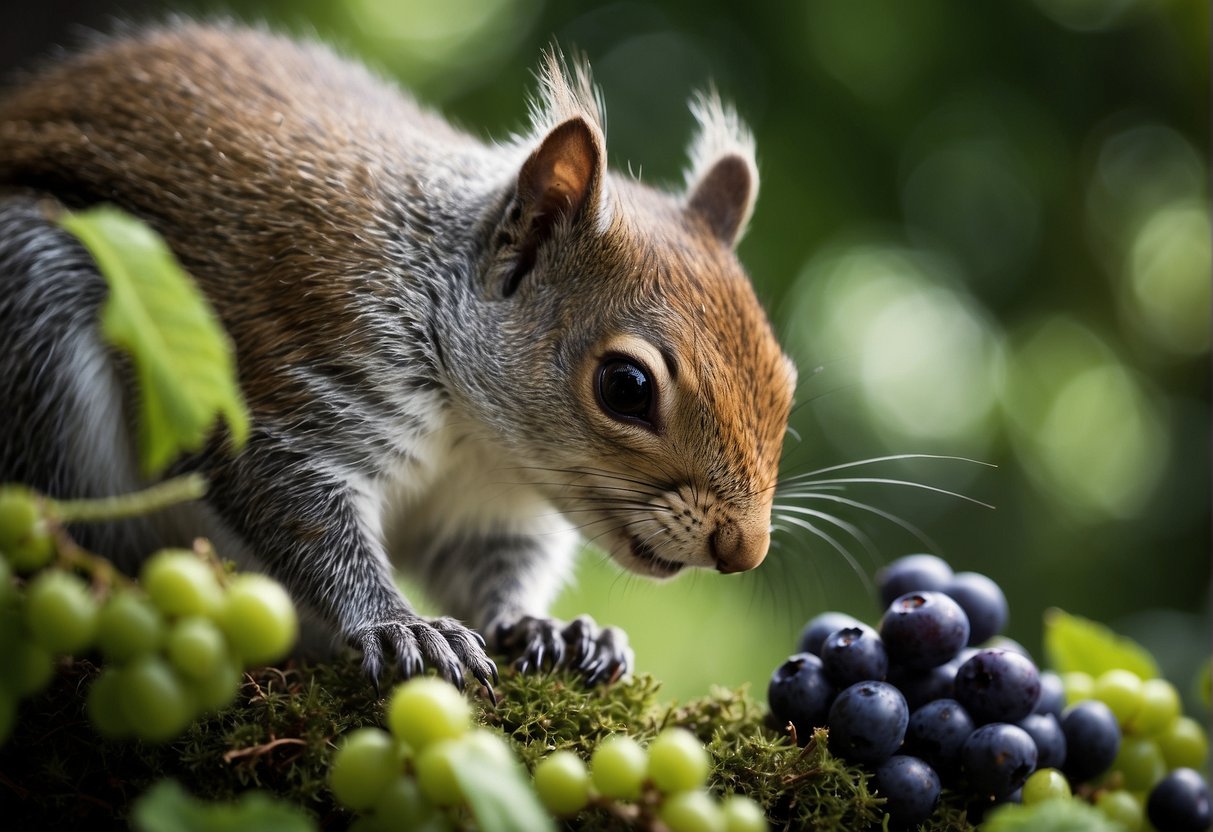
What Animals Eat Beautyberry: A Comprehensive Guide
Should you have ever wandered through a forest, you might have encountered the American beautyberry, a bush adorned with remarkably vivid purple berries. This plant is not only admired for its aesthetic appeal but also serves as a vital food source for numerous wildlife species. In this article, we will delve into which creatures consume beautyberry and the reasons why this plant plays a crucial role in the ecosystem.
Beautyberry, also known as Callicarpa americana, is a native plant to the southeastern United States. Its berries are a favorite food source for many bird species, including the northern bobwhite, eastern bluebird, and gray catbird. Additionally, the fruit is also consumed by small mammals such as raccoons, opossums, and squirrels. But what makes these berries so appealing to these animals? And what role do they play in the larger food web? Keep reading to find out.
Key Takeaways
- The American beautyberry is an important food source for a variety of wildlife, including birds and small mammals.
- The bright purple color of the berries is thought to be a signal to animals that they are ripe and ready to eat.
- By providing food for wildlife, beautyberry plays an important role in maintaining a healthy ecosystem.
Botanical Overview
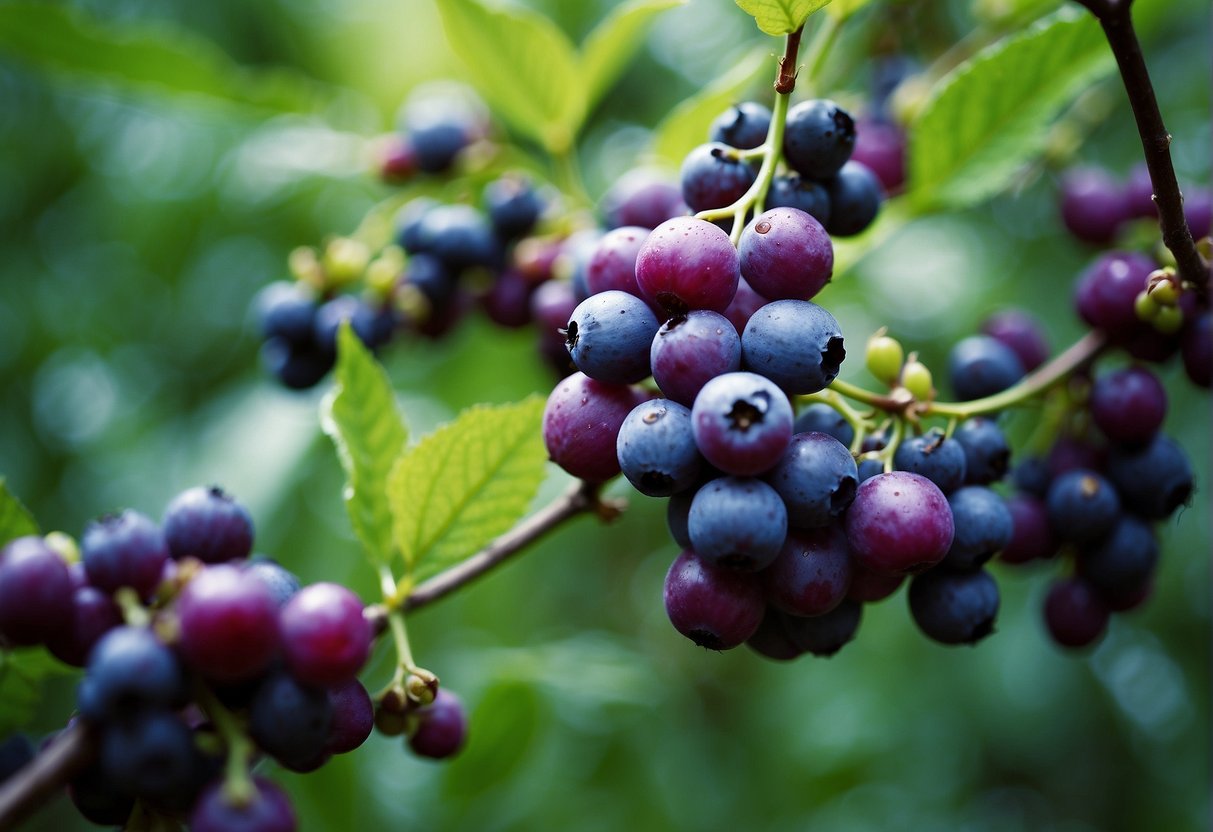
Beautyberry, scientifically known as Callicarpa, is a genus of shrubs that belongs to the mint family, Lamiaceae. This ornamental plant is widely popular for its bright purple berries that add a pop of color to any landscape. In this section, we will provide an overview of the botanical characteristics of the beautyberry, including its species and varieties, habitat and distribution, and physical characteristics.
Species and Varieties
There are approximately 140 species of Callicarpa, which are native to various regions of the world. The most common species found in the southeastern United States are Callicarpa americana and Callicarpa japonica. Callicarpa dichotoma, Callicarpa bodinieri, and Callicarpa pedunculata are other species that are commonly grown in landscapes.
Habitat and Distribution
Beautyberry is a native shrub to the southeastern United States, including Texas, Florida, Maryland, and Arkansas. It is also found in Mexico, Cuba, and the Bahamas. Beautyberry grows best in partial shade to full sun and is often found in wooded areas, thickets, and along the edges of forests.
Physical Characteristics
Beautyberry is a deciduous shrub that grows up to 10 feet tall and 6 feet wide. It has a rounded shape with arching branches. The leaves are simple, opposite, and serrated, and range in color from light green to dark green. In the summer, beautyberry produces small, pink or lilac flowers that are followed by clusters of bright purple berries in the fall. Some varieties of beautyberry produce white berries instead of the bright purple berries.
In conclusion, beautyberry is an attractive and popular landscape plant that is known for its bright purple berries and lilac flowers. It is native to the southeastern United States and is commonly found in wooded areas and along the edges of forests. Understanding the botanical characteristics of beautyberry is important when considering what animals may eat it.
Cultivation and Care
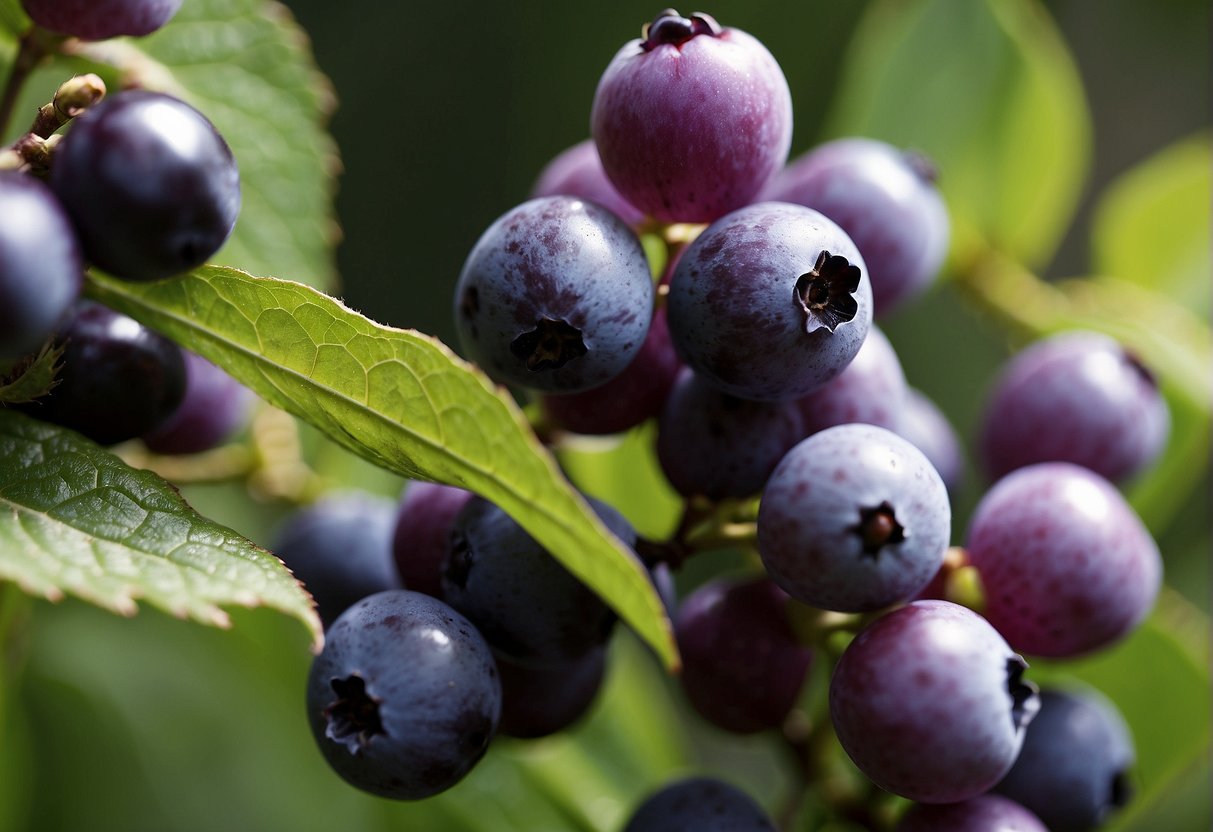
Beautyberry is a popular shrub known for its attractive foliage and bright purple berries. It is easy to grow and maintain, making it a great addition to any landscape. In this section, we will discuss the planting conditions, propagation methods, and maintenance required for this plant.
Planting Conditions
Beautyberry thrives in full sun to partial shade and prefers well-draining soils. It can tolerate clay soil but may require additional watering during periods of drought. When planting, it is recommended to space the shrubs 3 to 4 feet apart to allow for proper growth.
Propagation Methods
Beautyberry can be propagated through cuttings. Softwood cuttings taken in the summer can be rooted in a well-draining soil mixture. The addition of rooting hormone can increase the success rate of propagation.
Maintenance and Pruning
Beautyberry is a low-maintenance shrub that requires little pruning. It can be pruned in the late winter or early spring to maintain its shape and remove any dead or damaged branches. It is also drought-tolerant and can survive periods of heat and dryness.
In summary, beautyberry is a versatile shrub that can be used in a variety of landscape settings, including shrub borders and mass plantings. With the right planting conditions, propagation methods, and maintenance, you can enjoy the beauty of this plant for years to come.
Wildlife Interactions
Beautyberry is a popular food source for several wildlife species, including birds and mammals. As an understory shrub, it provides a valuable source of food in forest ecosystems. In this section, we will explore the different types of wildlife that are attracted to beautyberry and how they interact with this plant.
Birds Attracted to Beautyberry
Beautyberry is a favorite among many bird species, including mockingbirds, brown thrashers, finches, cardinals, and woodpeckers. These birds are known to visit beautyberry bushes regularly to feed on the ripe berries. In fact, beautyberry is so popular among birds that it is often referred to as “bird magnet” in wildlife gardening circles.
Mammals and Other Fauna
Not only birds, but mammals also find beautyberry to be a tasty treat. White-tailed deer are known to browse on the leaves and stems of beautyberry bushes, while opossums and squirrels feed on the berries. Other wild animals, such as raccoons and foxes, may also be attracted to beautyberry for its food source.
Overall, beautyberry plays an important role in providing food for wildlife. Its bright purple berries are a valuable source of nutrition for birds and mammals alike. If you are interested in wildlife gardening, consider planting beautyberry in your yard to attract a variety of wildlife species.
Beautyberry in Human Use
Beautyberry, also known as Callicarpa, is a popular ornamental plant known for its bright purple berries. While it is primarily grown for its aesthetic appeal, beautyberry has also been used for various purposes by humans.
Edible Uses
The berries of the beautyberry plant are edible and can be used to make jelly, jam, and even wine. The berries have a slightly bitter taste and are not commonly consumed raw. The seeds of the beautyberry plant are also edible, but they are small and not commonly used.
Medicinal Properties
Beautyberry has been traditionally used for its antibacterial, antifungal, and astringent properties. The leaves and stems of the plant contain callicarpenal, a compound that has been shown to have mosquito repellent properties. Additionally, the plant has been used in traditional medicine to treat various ailments such as fever, dysentery, and rheumatism.
Cultural Significance
Beautyberry is a pioneer and native plant of the Lamiaceae family, and it has a special cultural significance in some communities. The plant is considered a symbol of resilience and adaptability, and it is often used in traditional ceremonies and rituals. In some cultures, the plant is also associated with good luck and prosperity.
In conclusion, beautyberry is a versatile plant that has been used for various purposes by humans. While it is primarily grown for its ornamental value, the plant has several edible and medicinal uses. Additionally, its cultural significance makes it an important plant in some communities.
Additional Information
Seasonal Changes
The beautyberry plant is deciduous, meaning it loses its leaves during the fall months. During this time, the berries will ripen and turn from green to a vibrant magenta or violet color. This is the time when animals are most likely to feed on the berries. September and October are the peak months for ripening.
Landscaping and Aesthetic Uses
Beautyberry plants are often used in yards and gardens as ornamental plants due to their striking color and unique appearance. They can be planted as hedges or borders, or used as a focal point in a garden. The roots of the plant are not invasive, making it a great choice for landscaping.
While beautyberry plants are primarily grown for their aesthetic value, they also serve a practical purpose. The leaves of the plant contain compounds that repel mosquitoes, making it a natural alternative to chemical insecticides. Additionally, horses have been known to eat beautyberry leaves as a natural dewormer.
Overall, beautyberry plants are a versatile addition to any yard or garden. They provide a pop of color during the fall months, repel mosquitoes, and have practical uses for horses.
Frequently Asked Questions
Which bird species are known to feed on beautyberries?
Several bird species are known to feed on beautyberries, including the Northern Mockingbird, Eastern Bluebird, Cedar Waxwing, and American Robin. These birds are attracted to the bright purple berries and can often be seen perched on beautyberry shrubs consuming the fruit.
Are beautyberry plants a food source for deer?
While deer are known to browse on a variety of plants, beautyberry is not a preferred food source for them. Deer may occasionally consume beautyberry leaves or fruit, but it is not a significant part of their diet.
Do small mammals consume beautyberry leaves or fruits?
Yes, small mammals such as squirrels and raccoons are known to consume beautyberry fruit. They may also eat the leaves and stems of the plant, although this is less common.
Which creatures typically eat beautyberry seeds?
Several bird species, including the Northern Cardinal and the Carolina Chickadee, are known to eat beautyberry seeds. Small mammals such as mice and chipmunks may also consume the seeds.
Can rabbits safely ingest parts of the beautyberry plant?
While rabbits are known to eat a variety of plants, beautyberry is not a preferred food source for them. Ingesting large amounts of beautyberry leaves or fruit may cause gastrointestinal upset in rabbits.
What predators target American beautyberry in their diet?
American beautyberry is not a significant part of the diet of any predators. However, small mammals that consume the fruit may be preyed upon by larger predators such as foxes or coyotes.

