
How to Harvest Beautyberry: Tips and Techniques
If you’re interested in brightening up your autumn garden, beautyberry is a superb selection. This bush is celebrated for its striking purple berries that cluster on its limbs. These berries not only introduce a burst of color but also attract birds and various wildlife. This article will cover all the essentials for harvesting beautyberry.
Understanding Beautyberry
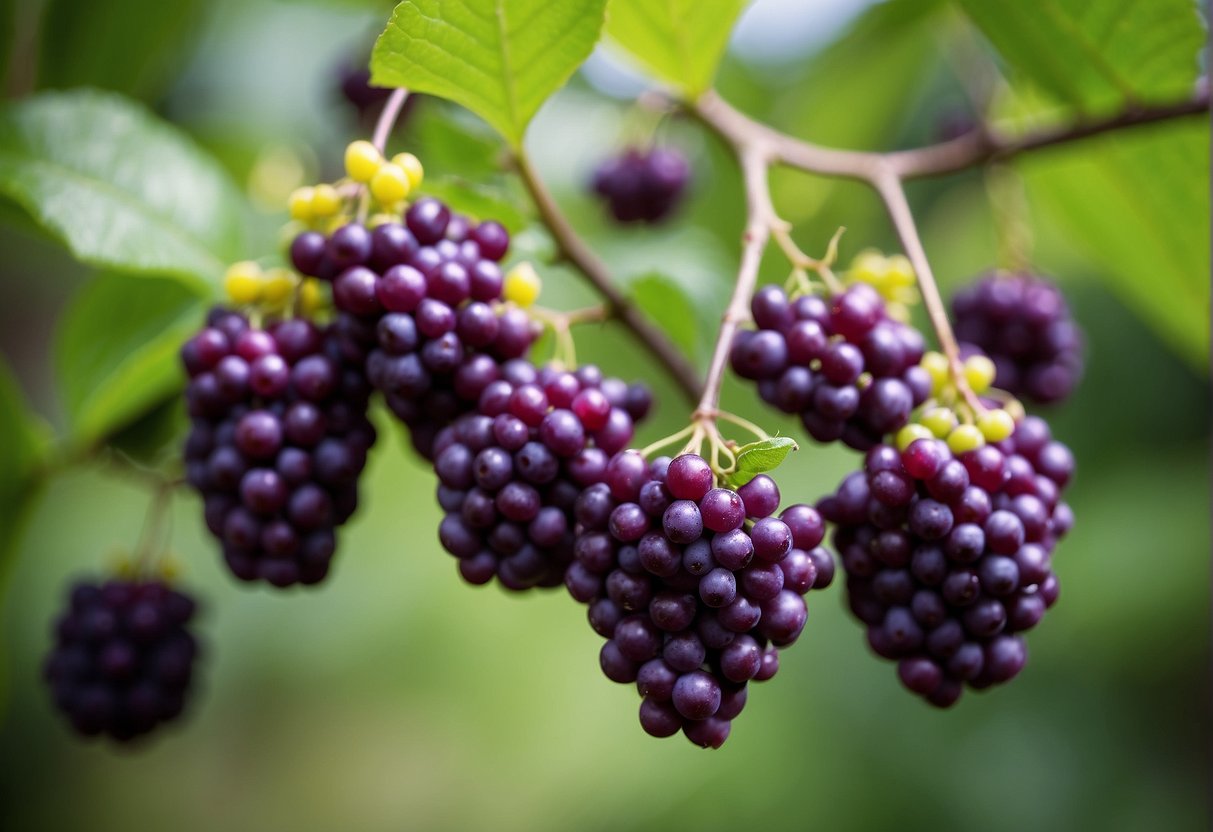
Before we dive into the specifics of harvesting, let’s take a closer look at what beautyberry is. Beautyberry, also known as American beautyberry or Callicarpa americana, is a deciduous shrub native to the southeastern United States. It typically grows to be around 6 feet tall and wide, with green leaves that turn yellow in the fall. The real star of the show, however, is the clusters of bright purple berries that appear in the fall. These berries are not only beautiful to look at, but they’re also edible and have been used for medicinal purposes for centuries.
Understanding Beautyberry
Species Overview
Beautyberry (Callicarpa) is a genus of shrubs and small trees that belongs to the mint family. There are over 140 species of Callicarpa found around the world, but the American beautyberry (Callicarpa americana) is the most common species found in North America.
Native Habitat and Range
The American beautyberry is native to the southeastern United States, particularly Florida. It is commonly found in forest edges and clearings, as well as along the edges of rivers and streams. The plant prefers moist, well-drained soils and partial shade.
Plant Characteristics
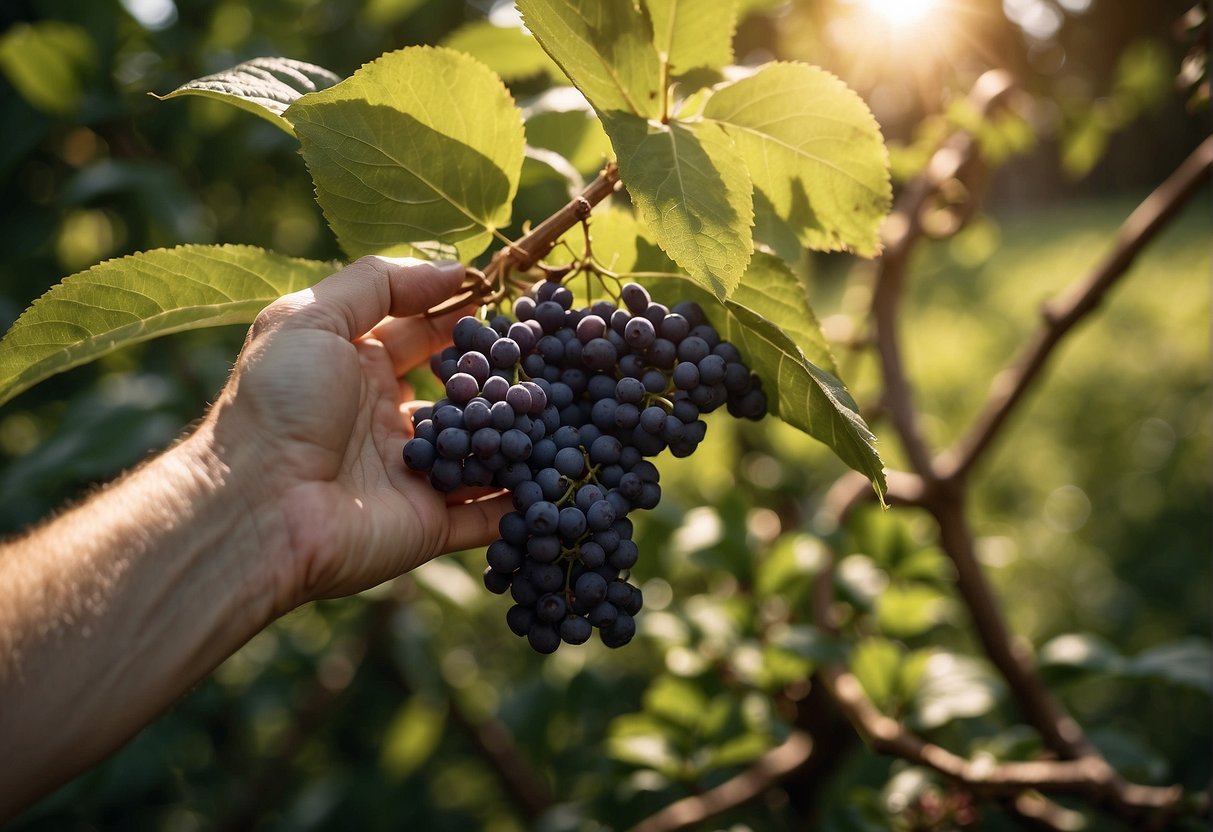
The American beautyberry is a deciduous shrub that can grow up to 10 feet tall. It has long, arching branches that are covered in bright green leaves. The leaves are simple and opposite, and they have a slightly toothed margin. In the fall, the leaves turn yellow before falling off the plant.
The most striking feature of the American beautyberry is its bright purple berries, which grow in clusters along the branches. The berries are round and about the size of a pea. They are not edible for humans, but they are a valuable food source for birds and other wildlife.
When harvesting beautyberry, it is important to be aware of its role in the ecosystem and to harvest responsibly. By only taking a portion of the berries and leaving some for wildlife, you can help maintain biodiversity in the area.
Cultivation Requirements
Soil Preferences
Beautyberry plants thrive in well-drained soil that is moist but not waterlogged. They prefer slightly acidic to neutral soil with a pH range of 5.5 to 7.0. If your soil is too alkaline, you can add organic matter to lower the pH level. Beautyberry plants grow well in loamy soil with a good amount of organic matter.
Sunlight and Temperature
Beautyberry plants prefer full sun to partial shade. They can tolerate a wide range of temperatures, but they are most productive when grown in USDA hardiness zones 7 through 11. In colder regions, they can be grown as annuals or in containers that can be brought indoors during the winter.
Watering and Nutrients
Beautyberry plants require regular watering, especially during periods of drought. They also benefit from regular fertilization with a balanced fertilizer that is rich in nitrogen, phosphorus, and potassium. Organic fertilizers are also a good option for beautyberry plants.
To ensure optimal growth and productivity, it is important to monitor the soil moisture level and adjust watering accordingly. Overwatering can lead to root rot, while underwatering can cause the plant to wilt and die.
Overall, beautyberry plants are relatively easy to cultivate and maintain. With the right soil, sunlight, and watering, you can enjoy a bountiful harvest of beautiful and delicious berries.
Planting and Propagation
If you want to grow beautyberry in your garden, you have a few options for planting and propagation. Here are the three most common methods: Seed Planting, Cuttings Method, and Transplanting Mature Plants.
Seed Planting
To grow beautyberry from seeds, you need to start by collecting ripe berries from the plant. Once you have the berries, remove the seeds and rinse them thoroughly. Then, sow the seeds in seedling trays filled with potting soil or seed-starter potting mix.
Keep the trays in a warm, bright location and water them regularly. The seeds should germinate within a few weeks. Once the seedlings have developed new wood, you can transplant them into larger pots or directly into your garden.
Cuttings Method
Another way to propagate beautyberry is through cuttings. Take a cutting from a healthy, mature plant in the spring or summer. Make sure the cutting is at least 6 inches long and has several leaves.
Remove the leaves from the bottom half of the cutting and dip the cut end in rooting hormone. Then, plant the cutting in a pot filled with potting soil or seed-starter potting mix.
Keep the pot in a warm, bright location and water it regularly. The cutting should root within a few weeks. Once it has developed new wood, you can transplant it into a larger pot or directly into your garden.
Transplanting Mature Plants
If you have a mature beautyberry plant that you want to move to a new location, you can transplant it in the spring or fall. Start by digging a hole that is twice as wide and deep as the plant’s root ball.
Carefully remove the plant from its current location, being careful not to damage the roots. Place the plant in the new hole and fill in the space around the root ball with soil.
Water the plant thoroughly and keep it well-watered for the first few weeks after transplanting. With proper care, your beautyberry plant should thrive in its new location.
Pruning and Maintenance
Proper pruning and maintenance are essential for keeping your beautyberry bushes healthy and productive. Here are a few tips to help you keep your plants in top shape.
Pruning Techniques
Pruning is a crucial part of beautyberry maintenance, and it helps to keep the shrub healthy and attractive. It is best to prune your beautyberry in late winter or early spring before new growth begins. Use sharp, clean pruning shears to remove any dead, diseased, or damaged branches. Cut back any branches that are crossing or rubbing against each other, as this can cause damage and disease.
To maintain the shape and size of your beautyberry, you can also selectively prune some of the oldest stems at ground level. This will encourage new growth and keep the plant from becoming too woody and overgrown.
Seasonal Care
Beautyberry requires minimal care throughout the year. In the winter, you can apply a layer of mulch around the base of the plant to protect the roots from freezing temperatures. In the spring, you can fertilize the plant with a balanced fertilizer to encourage healthy growth.
During the growing season, it is essential to water your beautyberry regularly, especially during periods of drought. However, be careful not to overwater, as this can cause root rot and other problems.
Pest and Disease Management
Beautyberry is generally resistant to pests and diseases, but there are a few common problems to watch out for. One of the most common pests is the Japanese beetle, which can cause significant damage to the foliage. You can control Japanese beetles by handpicking them off the plant or using a natural insecticide.
Another common problem is powdery mildew, a fungal disease that can cause a white, powdery coating on the leaves. To prevent powdery mildew, make sure your beautyberry has good air circulation and avoid overhead watering. If you do notice signs of powdery mildew, you can treat it with a fungicide or by removing infected leaves.
By following these simple pruning and maintenance techniques, you can keep your beautyberry healthy and productive for years to come. Plus, the trimmings from pruning can be composted to provide valuable nutrients for your garden.
Harvesting Beautyberries
If you’re looking to harvest beautyberries, it’s important to know the right time to do so, the proper techniques, and how to handle the berries after they’ve been harvested. Here are some tips to help you get the most out of your beautyberry harvest.
Optimal Harvest Time
The best time to harvest beautyberries is when the fruit is fully ripe. Ripe berries will be a bright, vibrant shade of purple, and will be plump and juicy to the touch. Be sure to wait until the fruit is fully ripe before harvesting, as unripe berries will be bitter and unpleasant to eat.
Harvesting Techniques
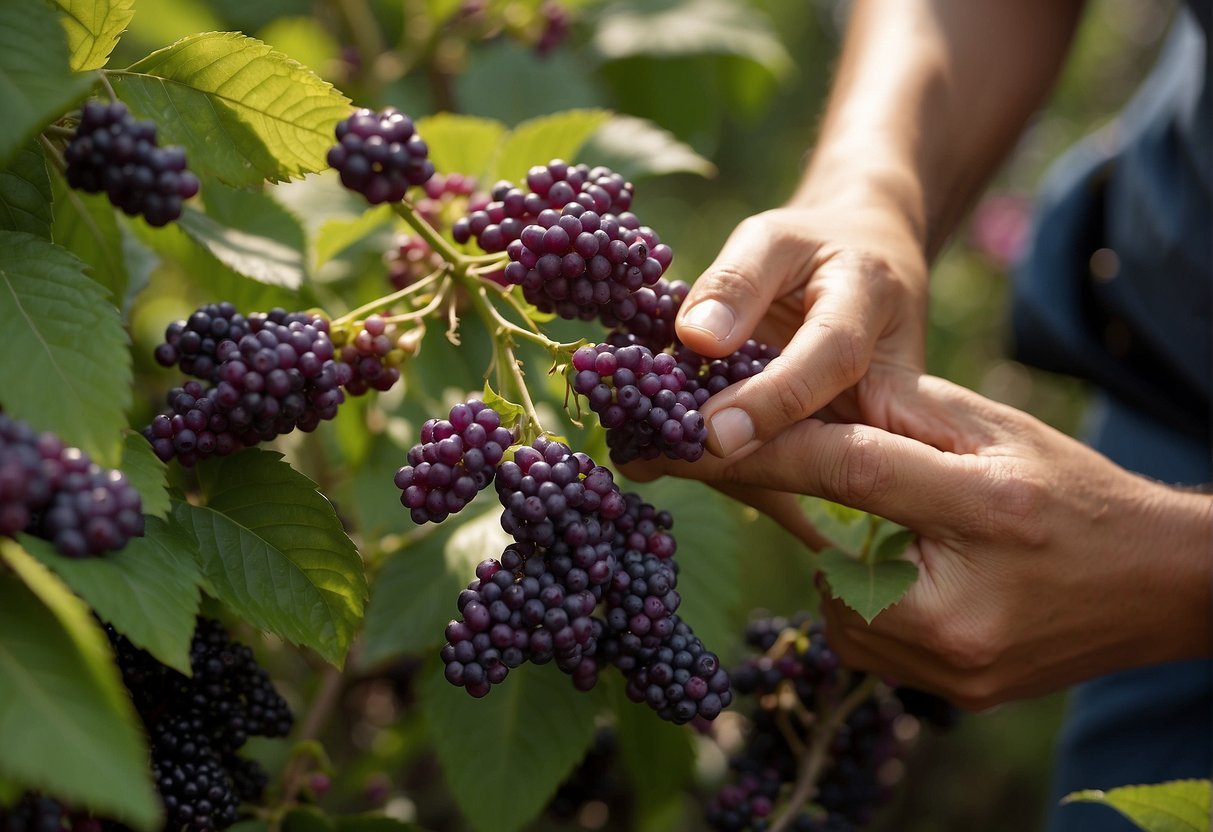
When harvesting beautyberries, it’s important to be gentle to avoid damaging the fruit. You can either pick the berries by hand, or use a pair of pruning shears to snip the stems. If you’re using pruning shears, be sure to sterilize them before use to prevent the spread of disease.
To make harvesting easier, consider growing your beautyberries in a raised bed or container. This will make it easier to reach the fruit without having to bend down or stoop over.
Post-Harvest Handling
After harvesting, it’s important to handle the beautyberries gently to avoid bruising or damaging the fruit. Be sure to remove any stems, leaves, or debris before storing the berries.
Beautyberries can be stored in the refrigerator for up to a week, or frozen for long-term storage. To freeze, simply rinse the berries and place them in a single layer on a baking sheet. Once frozen, transfer the berries to a freezer bag or container and store in the freezer until ready to use.
By following these tips, you can ensure a successful beautyberry harvest and enjoy the delicious fruit that these plants produce.
Uses and Benefits
Beautyberry is a versatile plant that can be used for a variety of purposes. Here are some of the most common uses and benefits of beautyberry:
Culinary Applications
Beautyberry is known for its sweet and slightly tart flavor, which makes it a popular ingredient in many recipes. One of the most popular culinary uses of beautyberry is to make beautyberry jelly. To make beautyberry jelly, you will need beautyberries, sugar, lemon juice, and pectin. First, crush the beautyberries and strain out the juice. Then, combine the juice with sugar, lemon juice, and pectin in a pot and bring to a boil. Once the mixture has thickened, pour it into jars and let it cool. You can use beautyberry jelly as a spread on toast or as a glaze for meats.
Medicinal and Ecological Uses
In addition to its culinary uses, beautyberry has several medicinal and ecological benefits. The leaves and stems of the beautyberry plant contain compounds that repel mosquitoes, making it a natural insect repellent. You can crush the leaves and rub them on your skin to keep mosquitoes at bay. Beautyberry also provides food and shelter for birds and other wildlife, making it an important part of the ecosystem.
Overall, beautyberry is a useful and versatile plant that can be enjoyed in a variety of ways. Whether you are using it in the kitchen or in the great outdoors, beautyberry is sure to provide you with many benefits.
Growing Beautyberries in Containers
Beautyberries can be grown in containers, making them a great option for those with limited space or who want to move their plants around. When choosing a container, make sure it has drainage holes to prevent waterlogging. You can also consider using a self-watering container to help maintain consistent moisture levels.
When it comes to potting soil, use a high-quality, well-draining mix. Beautyberries prefer a friable soil texture, so make sure to add perlite or vermiculite to improve drainage. You can also add compost or slow-release fertilizer to provide nutrients for your plant.
When planting, make sure to leave enough space for the roots to grow. A container that is at least 18 inches in diameter and 18 inches deep should be sufficient for one plant. Beautyberries prefer full sun to partial shade, so place your container in a location that receives at least 6 hours of sunlight per day.
Water your beautyberry regularly, making sure to keep the soil moist but not waterlogged. In hot, dry weather, you may need to water your plant more frequently. Fertilize your beautyberry once a month during the growing season with a balanced fertilizer.
Overall, growing beautyberries in containers is a great way to enjoy these beautiful plants even if you have limited space. With the right container, soil, and care, you can enjoy a bountiful harvest of beautyberries.
Aesthetic Considerations
When it comes to harvesting beautyberry, there are several aesthetic considerations to keep in mind. These include landscape design and ornamental attributes that can enhance the beauty of your garden.
Landscape Design
If you’re a gardener, you know that the beautyberry shrub is a great addition to any landscape design. It’s a versatile plant that can be used in a variety of ways, such as a backdrop for other plants or as a standalone feature. Its height, flower color, and shape make it an ideal choice for adding interest and texture to your garden.
When planning your landscape design, consider the color of the beautyberry’s flowers. They range from pink to purple, and some varieties even have white flowers. You can use this color to complement other plants in your garden or to create a focal point.
Ornamental Attributes
The beautyberry shrub is known for its ornamental attributes, which include its purple berries and French mulberry appearance. These features make it a popular choice for gardeners who want to add a unique touch to their landscape.
When considering the beautyberry’s ornamental attributes, keep in mind its mature size. The shrub can grow up to 6 feet tall and wide, so make sure you have enough space for it to thrive.
Overall, the beautyberry shrub is a beautiful addition to any garden. By considering its landscape design and ornamental attributes, you can enhance the beauty of your outdoor space.
Frequently Asked Questions
When is the best time to pick beautyberries?
The best time to pick beautyberries is in the fall when the berries are fully ripened. Beautyberries typically ripen in late summer to early fall, depending on the location and climate. It’s important to wait until the berries are fully ripened before harvesting to ensure the best flavor and texture.
What are the steps to properly harvest beautyberries?
To properly harvest beautyberries, you should first locate a bush that has ripe berries. Then, gently pick the berries off the bush by hand or with a pair of scissors. It’s important to be careful not to damage the plant or the berries during the harvesting process.
How can you tell if beautyberries are ripe and ready for picking?
Ripe beautyberries are a deep shade of purple and have a slightly soft texture. You can test the ripeness of the berries by gently squeezing them. If they feel soft and give slightly, they are ready for picking.
What are the culinary uses of harvested beautyberries?
Harvested beautyberries can be used in a variety of culinary applications. They are often used to make jams, jellies, and syrups. They can also be used to flavor desserts, such as cakes and pies. Additionally, beautyberries can be used to make tea or infused into vodka for a unique cocktail ingredient.
Are there any precautions to take when harvesting beautyberries for consumption?
When harvesting beautyberries for consumption, it’s important to make sure that they are not contaminated by pesticides or other chemicals. You should also thoroughly wash the berries before using them in any recipe. Additionally, it’s important to note that some people may experience an allergic reaction to beautyberries, so it’s best to consume them in moderation.
Can beautyberry fruit be eaten directly from the plant?
While beautyberry fruit is edible, it’s not typically eaten directly from the plant due to its tart flavor. However, some people may enjoy snacking on the berries raw or using them as a garnish for cocktails or other dishes.

