

Why Did My Yucca Plants Die: Common Causes and Solutions
Should you find yourself going through this piece, it’s probable that your yucca plant has perished, leaving you in search of explanations for its demise. Recognized for their resilience, it becomes both perplexing and disheartening when yucca plants abruptly succumb and perish. Thankfully, a number of frequent causes behind the death of yucca plants exist, and grasping these causes may aid in averting such occurrences moving forward.
One of the most important things to understand about yucca plants is that they are native to arid climates and are adapted to survive in harsh conditions. This means that they are very sensitive to overwatering and can quickly develop root rot if they are sitting in soggy soil. In addition, yucca plants are susceptible to a variety of pests and diseases that can weaken or kill them. Finally, yucca plants can become stressed and die if they are not receiving the right amount of sunlight or nutrients. In the following sections, we’ll explore these issues in more detail and provide tips for keeping your yucca plants healthy and thriving.
Key Takeaways
- Yucca plants are native to arid climates and are adapted to survive in harsh conditions.
- Overwatering, pests and diseases, and improper sunlight and nutrient levels can all cause yucca plants to die.
- By understanding the basic needs of yucca plants and taking steps to prevent common problems, you can keep your yucca plants healthy and thriving.
Understanding Yucca Plant Basics
Yucca plants are popular for their striking appearance and low maintenance requirements. However, if your yucca plants have died, it is important to understand the basics of their care to prevent future losses.
Ideal Soil and Potting Mix
Yucca plants thrive in well-draining soil that is porous and well-drained. They are drought-tolerant and prefer sandy soil that allows water to drain quickly. When planting yucca in pots, use a well-draining potting mix that is specifically formulated for cacti and succulents. This will ensure that excess water does not accumulate in the pot, which can lead to root rot and other problems.
Sunlight and Temperature Requirements
Yucca plants require full sun to thrive. They can tolerate some shade, but too little light can cause them to become leggy and weak. Direct sunlight is ideal, but they can also grow in areas with indirect sunlight. Yucca plants are also tolerant of high temperatures, but they can experience stress if the temperature exceeds 90°F. In the winter, they can tolerate temperatures as low as 30°F, but it is best to keep them in a warm location indoors to prevent cold damage.
By understanding the basics of yucca plant care, you can ensure that your plants thrive and avoid common problems that can lead to their demise.
Watering and Feeding Your Yucca Plant
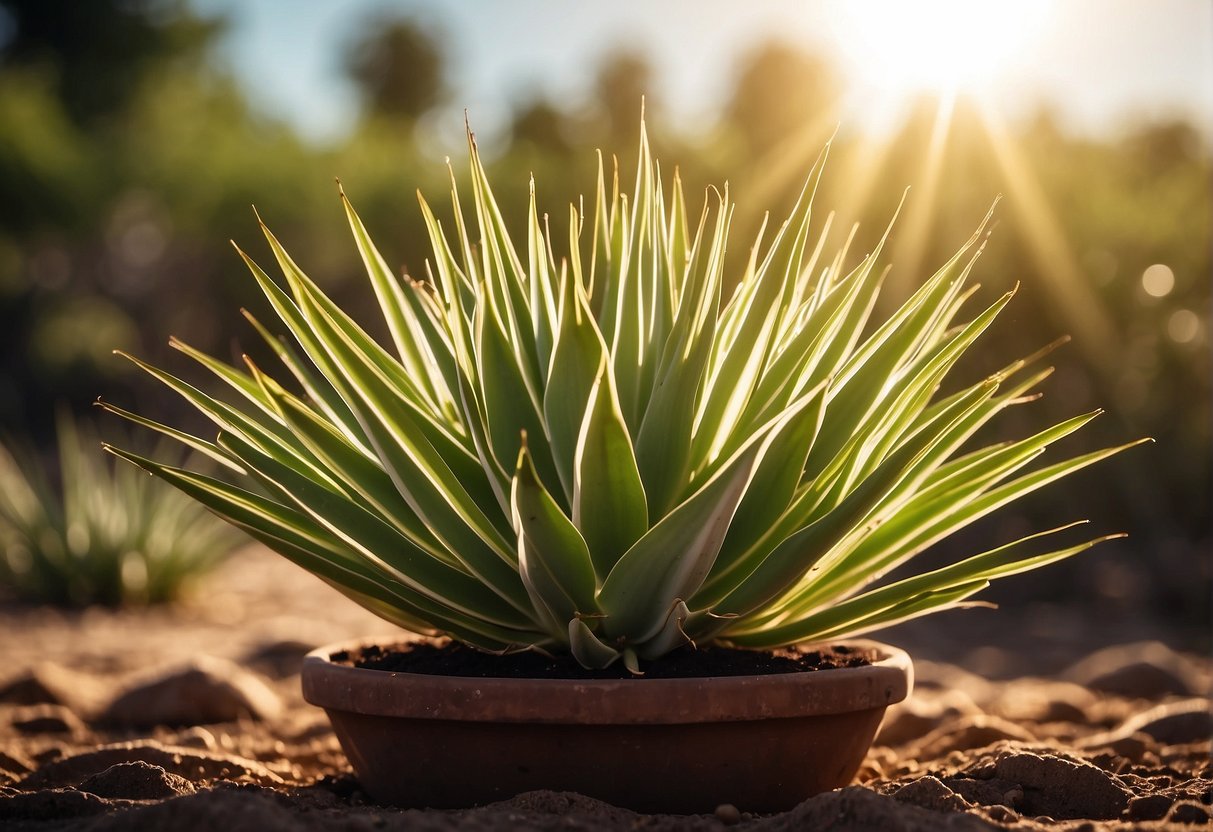
Yucca plants are known for their low maintenance and drought-tolerant nature. However, improper watering and feeding can cause them to die. In this section, we will discuss some tips for watering and feeding your yucca plant to keep it healthy.
Proper Watering Techniques
Yucca plants prefer well-draining soil and do not like to sit in water. Overwatering can lead to root rot, which can be fatal to the plant. It is important to water your yucca plant only when the top 2 inches of soil are dry.
When watering, make sure to water deeply to encourage deep root growth. Water the soil around the plant, avoiding the leaves and stem. Yucca plants do not need frequent watering, so a watering schedule of once every 10-14 days is sufficient.
Signs of Overwatering and Underwatering
Overwatering can cause the leaves of your yucca plant to turn yellow and wilt. The soil may also have a foul smell and feel soggy. Underwatering can cause the leaves to turn brown and dry out. The soil may also be extremely dry and crumbly.
Fertilization and Nutrient Management
Yucca plants do not require frequent fertilization, but they do benefit from a balanced fertilizer once or twice a year. Overfertilization can lead to slow growth and damage to the plant.
When fertilizing, make sure to apply the fertilizer to the top 2 inches of soil and water thoroughly. Yucca plants also benefit from organic matter such as compost mixed into their potting soil.
Proper watering and feeding are essential to keeping your yucca plant healthy and thriving. By following these tips, you can avoid common problems such as root rot and slow growth.
Common Pests and Diseases
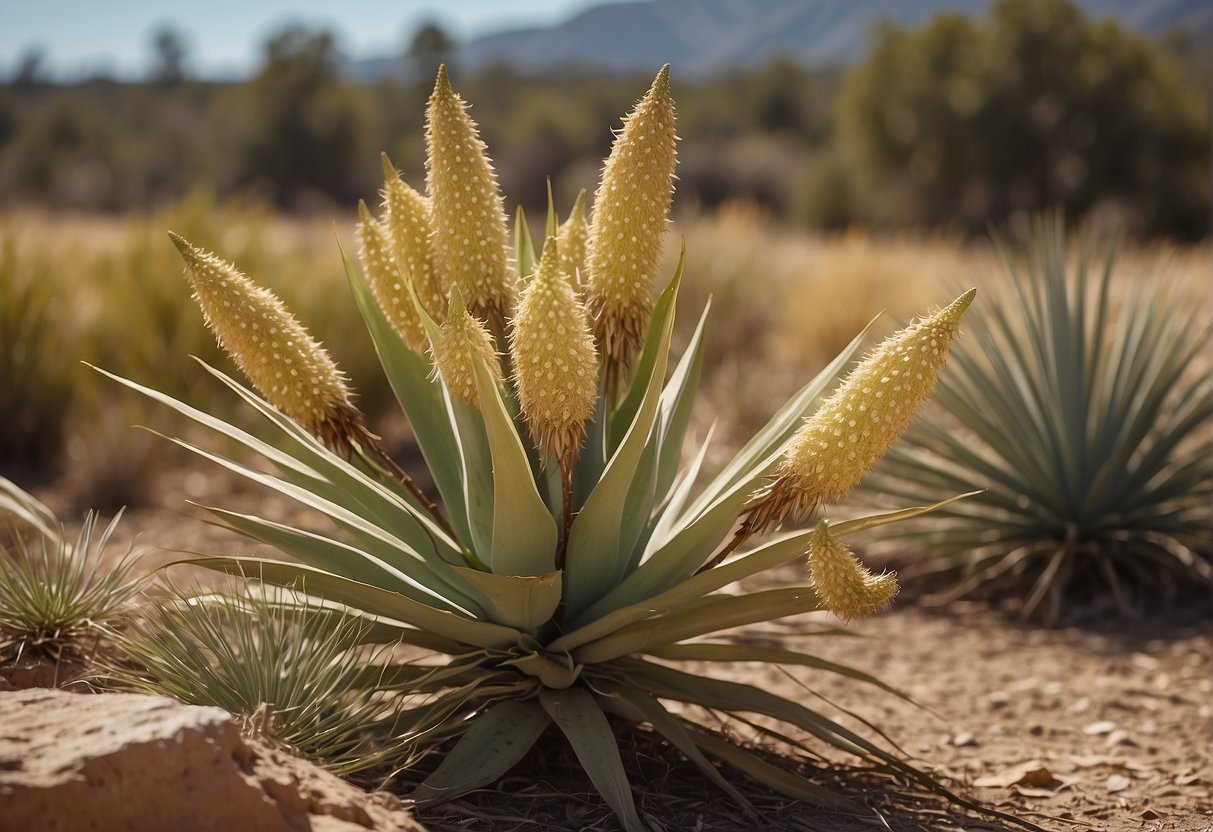
If your yucca plant is dying, it could be due to pests or diseases. Here are some common pests and diseases that can affect yucca plants and how to identify and prevent them.
Identifying Pests
Pests can cause damage to your yucca plant, leading to its death. Here are some common pests that can affect your yucca plant:
- Aphids: These tiny insects can suck sap from the leaves of your yucca plant, causing them to wilt and turn yellow.
- Scale: These insects can attach themselves to the leaves and stems of your yucca plant, causing them to turn brown and fall off.
- Mealybugs: These insects can also suck sap from your yucca plant, causing the leaves to turn yellow and fall off.
- Spider mites: These tiny pests can spin webs on the leaves of your yucca plant and cause them to turn yellow and fall off.
To identify if your yucca plant is infested with pests, check for signs such as yellowing leaves, webbing, or tiny insects on the leaves and stems.
Disease Prevention and Treatment
Preventing and treating diseases is essential to keep your yucca plant healthy. Here are some tips to prevent and treat diseases in your yucca plant:
- Keep your yucca plant in a well-ventilated area with good air circulation to prevent fungal diseases.
- Avoid overwatering your yucca plant, as it can lead to root rot and other diseases.
- Use neem oil or insecticidal soap to treat pests on your yucca plant.
- If your yucca plant is infected with a disease, prune off the affected leaves and stems and apply a fungicide to prevent the disease from spreading.
By following these tips, you can prevent and treat common pests and diseases that can cause your yucca plant to die.
Reviving a Dying Yucca Plant
If you notice your yucca plant dying, don’t panic! There are several things you can do to revive it and bring it back to its former glory. In this section, we will discuss how to assess your plant’s health, recovery steps, and maintenance to ensure your yucca stays healthy.
Assessing Plant Health
To revive a dying yucca plant, you must first assess its health. Look for signs of wilting leaves, yellowing leaves, and lack of growth. These symptoms could indicate overwatering, underwatering, insufficient light, or even scale insects. Check the soil for proper drainage and any toxins that may have accumulated.
If you notice that your yucca plant is suffering from transplant shock, it may be due to improper watering or poor drainage. Check the soil mix and ensure that the plant is getting enough ventilation. If the plant is in an indoor location, consider moving it to a spot with partial shade to avoid scorch.
Recovery Steps and Maintenance
To revive your yucca plant, you may need to repot or transplant it. Choose a well-draining soil mix and ensure that the pot has proper drainage holes. If the roots are damaged, prune them with clean pruners before replanting.
Once you have replanted your yucca, pay attention to its watering needs. Yuccas prefer to be slightly underwatered, so avoid overwatering and ensure that the soil dries out between watering sessions. Additionally, ensure that your yucca is getting enough sunlight, as lack of light can cause stunted growth and even plant death.
To maintain your yucca’s health, continue to monitor its watering needs, soil mix, and sunlight exposure. If you notice any signs of plant stress, such as wilting or yellowing leaves, take action immediately to ensure that your yucca stays healthy and strong.
In conclusion, reviving a dying yucca plant requires attention to detail and proper care. By assessing your plant’s health, taking recovery steps, and maintaining its health, you can ensure that your yucca thrives and grows back its beautiful foliage.
Frequently Asked Questions
What are common issues that can cause a yucca plant to die?
Yucca plants are hardy and low-maintenance, but they can still succumb to a variety of issues. Overwatering, underwatering, pest infestations, and inadequate lighting are some common problems that can cause a yucca plant to die.
How can overwatering affect the health of a yucca plant?
Overwatering is one of the most common causes of yucca plant death. When the soil is constantly wet, the roots can become waterlogged and begin to rot. This can lead to leaf yellowing, leaf drop, and eventually, the death of the plant.
What are the signs of root rot in yucca plants and how does it lead to their demise?
Root rot is a fungal disease that affects the roots of yucca plants. The first sign of root rot is usually yellowing leaves that eventually turn brown and wilt. As the disease progresses, the roots will become black and mushy, and the plant will eventually die. Root rot is often caused by overwatering or poorly-draining soil.
Can pest infestations be responsible for the death of a yucca plant?
Yes, pest infestations can cause significant damage to yucca plants and even lead to their death. Common pests that can affect yucca plants include spider mites, mealybugs, and scale insects. These pests can cause leaf yellowing, leaf drop, and stunted growth.
How does inadequate lighting contribute to the deterioration of indoor yucca plants?
Yucca plants require bright, indirect light to thrive. If they are kept in low-light conditions, they may become leggy and weak. Inadequate lighting can also cause leaf yellowing and leaf drop, and can make the plant more susceptible to pest infestations and diseases.
What steps should be taken to diagnose and treat a yucca plant with browning leaves?
Browning leaves can be a sign of several issues, including overwatering, underwatering, pest infestations, and inadequate lighting. To diagnose the problem, check the soil moisture level, inspect the leaves for pests, and evaluate the plant’s lighting conditions. Once the issue has been identified, take steps to correct it, such as adjusting watering frequency, treating pests, or moving the plant to a brighter location.

