
Why Do Yucca Plants Turn Green: Understanding the Factors Behind Yucca Plant Coloration
If you enjoy yucca plants, you might have observed the leaves turning green at times. Though this might appear odd, it is in fact a normal aspect of the plant’s development cycle. Comprehending the reasons behind this can aid you in offering optimal care for your yucca, helping it to remain robust and flourishing.
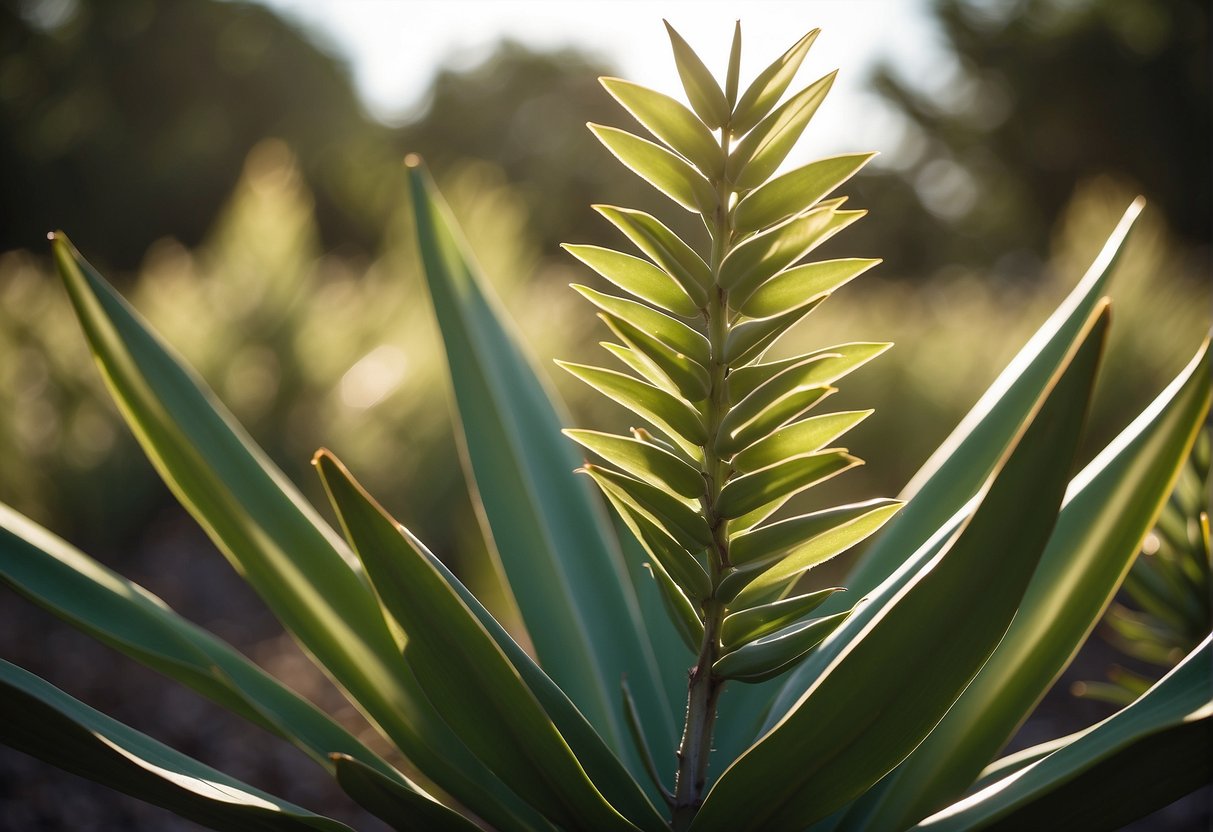
Yucca plants are known for their striking appearance, with long, pointed leaves that often have a blue-green hue. However, as the plant matures, the leaves may start to turn green. This is because the plant is redirecting its energy towards growth and reproduction, rather than producing the pigments that give the leaves their distinctive color. While some gardeners may prefer the blue-green color, a healthy green yucca plant can still be a beautiful addition to any garden or indoor space.
Key Takeaways
- Yucca plants can turn green as part of their natural growth process.
- A green yucca plant can still be healthy and beautiful.
- Understanding the reasons behind color changes can help you provide the best care for your yucca plant.
Understanding Yucca Plant Basics
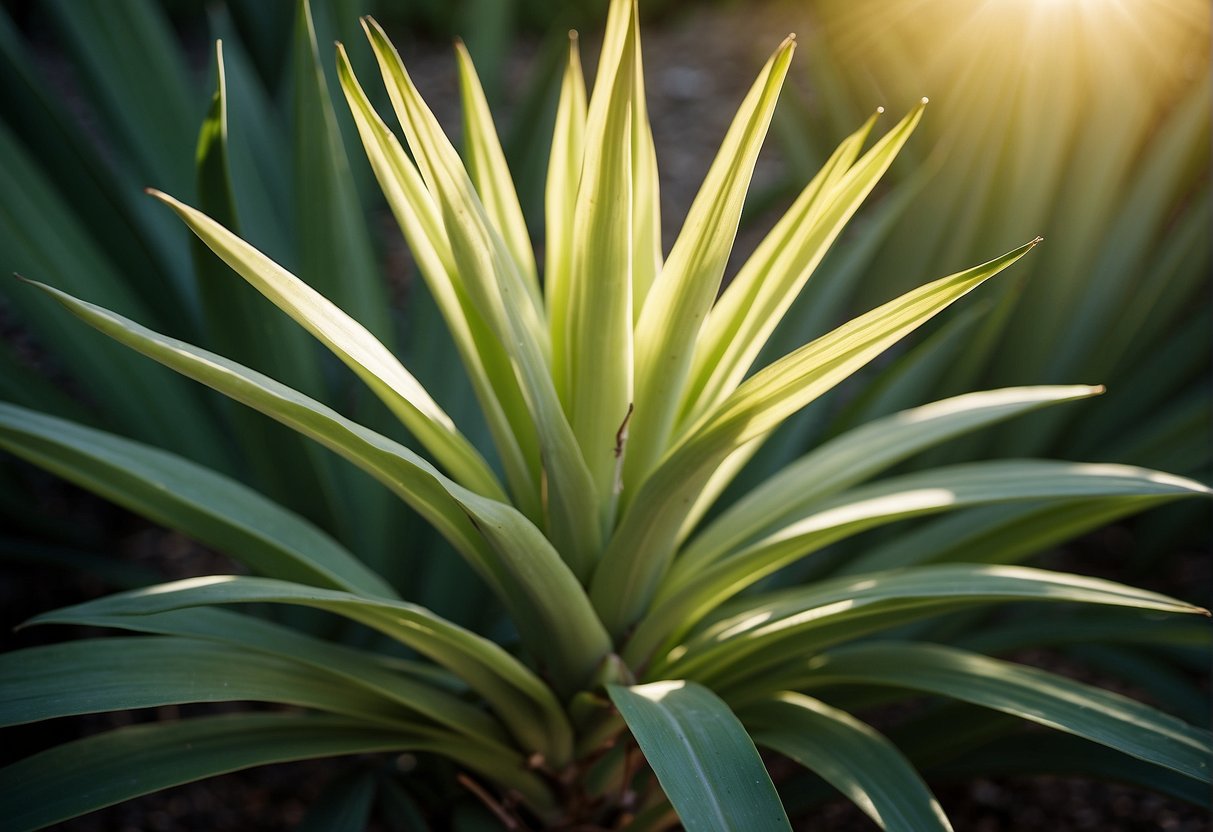
If you are interested in Yucca plants, it is essential to understand the basics of these desert plants. Here are some key points to help you get started.
Species and Natural Habitat
Yucca plants belong to the Asparagaceae family and are native to the arid regions of North and Central America. There are over 40 species of Yucca plants, each with unique physical characteristics and growing requirements.
These plants are well adapted to survive in the hot and dry desert climate. They have evolved to store water in their thick, succulent leaves, making them drought-resistant. Some species of Yucca plants, such as Yucca elephantipes, can grow up to 30 feet tall and have a lifespan of several decades.
Physical Characteristics of Yucca Plants
Yucca plants are known for their sword-shaped leaves that grow in a rosette pattern. These leaves can range in color from blue-green to cream, depending on the species and growing conditions. The leaves also have sharp tips, making them an effective defense mechanism against predators.
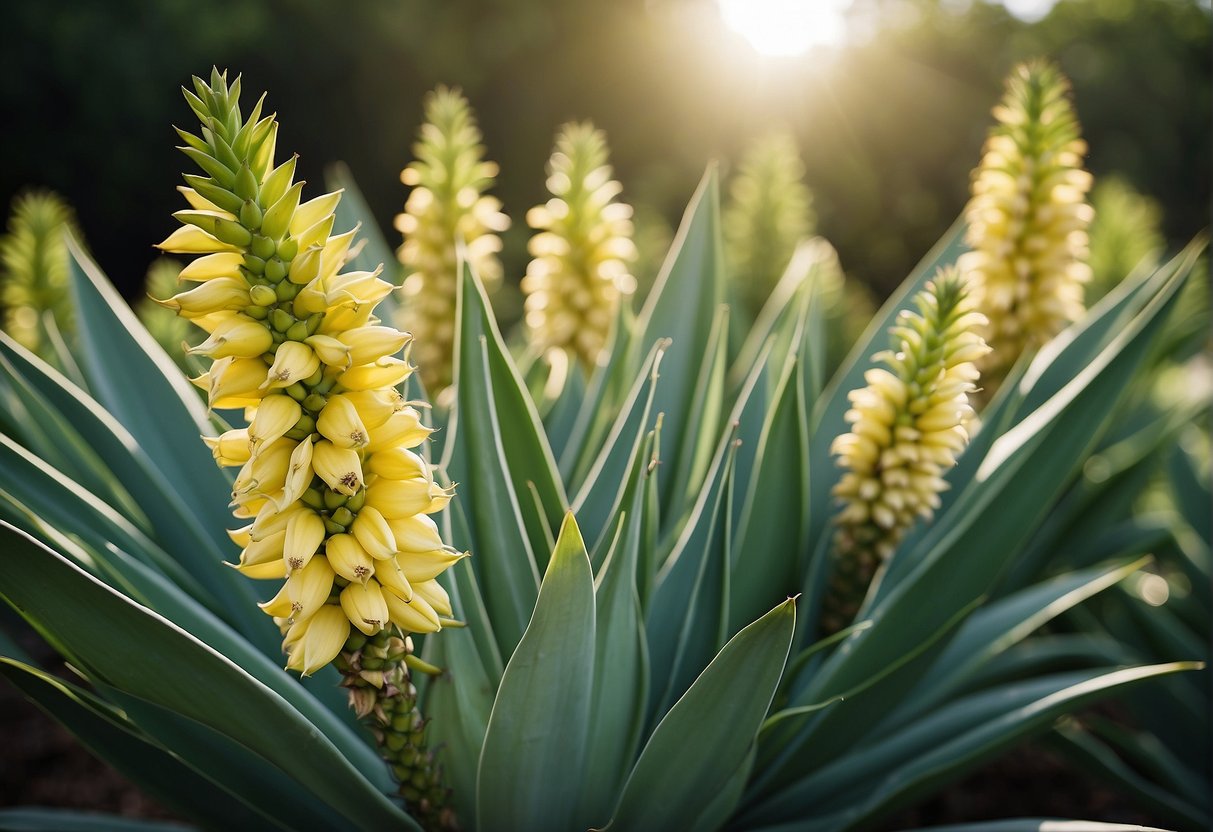
The flowers of Yucca plants are also unique. They are typically white or cream in color and grow on tall stalks above the leaves. These flowers are pollinated by yucca moths, which are the only insects that can successfully pollinate them.
In conclusion, understanding the basics of Yucca plants is essential if you want to grow and care for them properly. Knowing the species and natural habitat of Yucca plants, as well as their physical characteristics, will help you provide the right growing conditions and care for these beautiful desert plants.
Factors Influencing Yucca Plant Coloration
Yucca plants are known for their unique, spiky foliage and can add a touch of exotic beauty to any garden. One of the most striking features of these plants is their coloration, which can vary from green to blue-green or even yellow-green. While some yucca species naturally have green leaves, others may turn green due to various factors. Here are some of the factors that can influence yucca plant coloration:
Light and Sunlight Exposure
The amount of light and direct sunlight a yucca plant receives can significantly affect its coloration. Yuccas that grow in full sun and direct sunlight tend to have more intense and vibrant green leaves than those grown in partial shade. However, too much sun exposure can also cause the leaves to turn yellow or brown. Therefore, it is essential to find the right balance of light for your yucca plant to maintain its green color.
Soil Quality and Composition
The quality and composition of the soil can also affect the coloration of yucca plants. Yuccas prefer well-draining soil that is not too rich in nutrients. Overwatering and drought can both cause the leaves to turn yellow or brown, as can soil that is too dense or heavy. Sandy or well-drained soil is ideal for yuccas, as it allows for adequate drainage and prevents waterlogging.
Watering Practices and Hydration
Watering practices and hydration are other critical factors that can influence yucca plant coloration. Overwatering can cause the leaves to turn yellow or brown, while drought can cause the leaves to wilt and turn brown. Yuccas prefer to be watered sparingly, with the soil allowed to dry out between watering sessions. It is also essential to ensure that the plant is not exposed to excessive humidity, as this can cause fungal diseases that can affect the plant’s coloration.
In summary, several factors can influence the coloration of yucca plants, including light and sunlight exposure, soil quality and composition, and watering practices and hydration. Understanding these factors and finding the right balance can help you maintain your yucca plant’s green color and ensure that it thrives in your garden.
Common Issues and Resolutions
Yucca plants are generally easy to care for, but they can still experience some common issues. Here are some tips for identifying and resolving these problems.
Identifying and Treating Diseases
Yucca plants can be susceptible to fungal diseases like root rot and leaf spot. If you notice yellow or brown spots on your yucca’s leaves, or if the leaves are drying out and falling off, it may be a sign of a fungal infection. To treat the infection, make sure your yucca has good drainage and avoid overwatering. You can also use a fungicide to help control the spread of the disease.
Dealing with Pests and Infestations
Yucca plants can attract pests like aphids, mealybugs, and spider mites. These insects can cause yellowing leaves, brown spots, and even plant death. To prevent infestations, keep your yucca plant healthy and well-watered. If you do notice pests, try using neem oil or insecticidal soap to get rid of them. You can also use a systemic insecticide to help prevent future infestations.
Addressing Environmental Stressors
Yucca plants are drought-tolerant, but they can still experience stress if they’re not getting enough water or sunlight. If your yucca’s leaves are drooping or wilting, it may be a sign that it needs more water. If the leaves are turning yellow or brown, it may be a sign that it’s not getting enough sunlight. Make sure your yucca is planted in well-draining soil and has access to plenty of light. If you need to move your yucca to a new location, be sure to do so gradually to avoid transplant shock.
Overall, yucca plants are hardy and resilient, but they can still experience problems. By keeping an eye out for signs of stress or disease, you can help keep your yucca plant healthy and thriving.
Optimizing Yucca Plant Care for Vibrant Greenery
If you are looking for an easy-to-care-for plant that adds a touch of the tropics to your home or garden, look no further than the yucca plant. These versatile shrubs are native to Mexico and the southwestern United States and are known for their spiky leaves and towering flower stalks. Yuccas are hardy plants that can thrive in a variety of conditions, but with a little attention and care, you can optimize their growth and ensure vibrant greenery all year round.
Best Practices for Indoor and Outdoor Yuccas
Whether you are growing yuccas indoors or outdoors, there are a few best practices that can help your plants thrive. Yuccas prefer bright light, so place them in a spot where they can get plenty of sunlight. If you are growing yuccas indoors, consider using a grow light to supplement natural light.
Yuccas are also tolerant of a wide range of temperatures, but they prefer warm temperatures between 60 and 80 degrees Fahrenheit. During the summer months, you can move your yucca plants outside to enjoy some fresh air and sunshine. If you live in a hot, dry climate, be sure to water your yuccas regularly to prevent scorching.
When planting yuccas outdoors, choose a spot that gets plenty of bright, direct sunlight. Yuccas can tolerate some shade, but they will grow best in full sun. Make sure the soil is well-draining, as yuccas do not like to sit in standing water. You can also add some organic matter, such as compost or peat moss, to the soil to improve drainage and provide nutrients.
Seasonal Care Tips
Yuccas require very little maintenance, but there are a few seasonal care tips that can help keep your plants healthy and vibrant. In the spring and summer, fertilize your yuccas with a balanced fertilizer to promote growth and encourage blooming. During the fall and winter months, reduce watering and stop fertilizing to allow the plant to rest.
If you are growing yuccas indoors, be sure to dust the leaves regularly to keep them clean and free of debris. You can also wipe the leaves with a damp cloth to remove any pests or dust. Yuccas are also known for their fiber, which can be used to make baskets, rope, and other items.
By following these simple tips, you can optimize yucca plant care and enjoy vibrant greenery all year round. Whether you are growing yuccas indoors or outdoors, these hardy plants are a great addition to any home or garden.
Frequently Asked Questions
How can I prevent my yucca leaves from turning yellow?
Yellowing leaves on a yucca plant can be a sign of overwatering, underwatering, or poor soil drainage. To prevent yellowing, make sure your yucca plant is receiving the right amount of water and is planted in well-draining soil. Avoid keeping the soil too wet or too dry, and make sure the pot has adequate drainage holes. Also, avoid placing your yucca plant in direct sunlight, as this can cause the leaves to become scorched and turn yellow.
What are the signs of an overwatered yucca plant?
Overwatering can cause the leaves of a yucca plant to turn yellow or brown and become mushy to the touch. The soil may also become waterlogged and have a foul odor. To avoid overwatering, make sure the soil is allowed to dry out between waterings and that the pot has adequate drainage holes.
How do I treat yucca leaves turning brown?
Brown leaves on a yucca plant can be a sign of underwatering, overwatering, or exposure to cold temperatures. To treat brown leaves, make sure your yucca plant is receiving the right amount of water and is not exposed to cold drafts. Also, remove any dead or damaged leaves to promote new growth.
Can yellow yucca leaves return to green?
If the yellowing is caused by overwatering or poor soil drainage, the leaves may be able to return to green with proper care. However, if the yellowing is caused by a disease or pest infestation, the leaves may not be able to recover. In general, it is best to remove any damaged or diseased leaves and take steps to prevent further damage.
What causes yucca leaves to droop and how can I fix it?
Drooping leaves on a yucca plant can be a sign of underwatering, overwatering, or exposure to cold temperatures. To fix drooping leaves, make sure your yucca plant is receiving the right amount of water and is not exposed to cold drafts. Also, remove any dead or damaged leaves to promote new growth.
Is it normal for yucca plants to change color during different seasons?
Yes, it is normal for yucca plants to change color during different seasons. In general, yucca plants will have more green leaves during the growing season and may have more yellow or brown leaves during the winter months. However, if the leaves are turning yellow or brown due to overwatering or poor soil drainage, it is important to take steps to correct the issue.

