
How Long Do Yucca Plants Live in Chicago Area: Expert Insights
Should you be a resident of Chicago with aspirations of incorporating some green elements into your outdoor space, yucca plants might be on your radar. Renowned for their distinctive looks and minimal upkeep, these resilient desert dwellers have become a favored option for those looking to beautify their Chicago landscapes. However, a question arises: what is the life expectancy of yucca plants in such a climate? This piece delves into the various elements that influence the lifespan of yucca plants in Chicago, alongside offering advice on how to properly maintain these intriguing specimens.
Understanding Yucca Plants
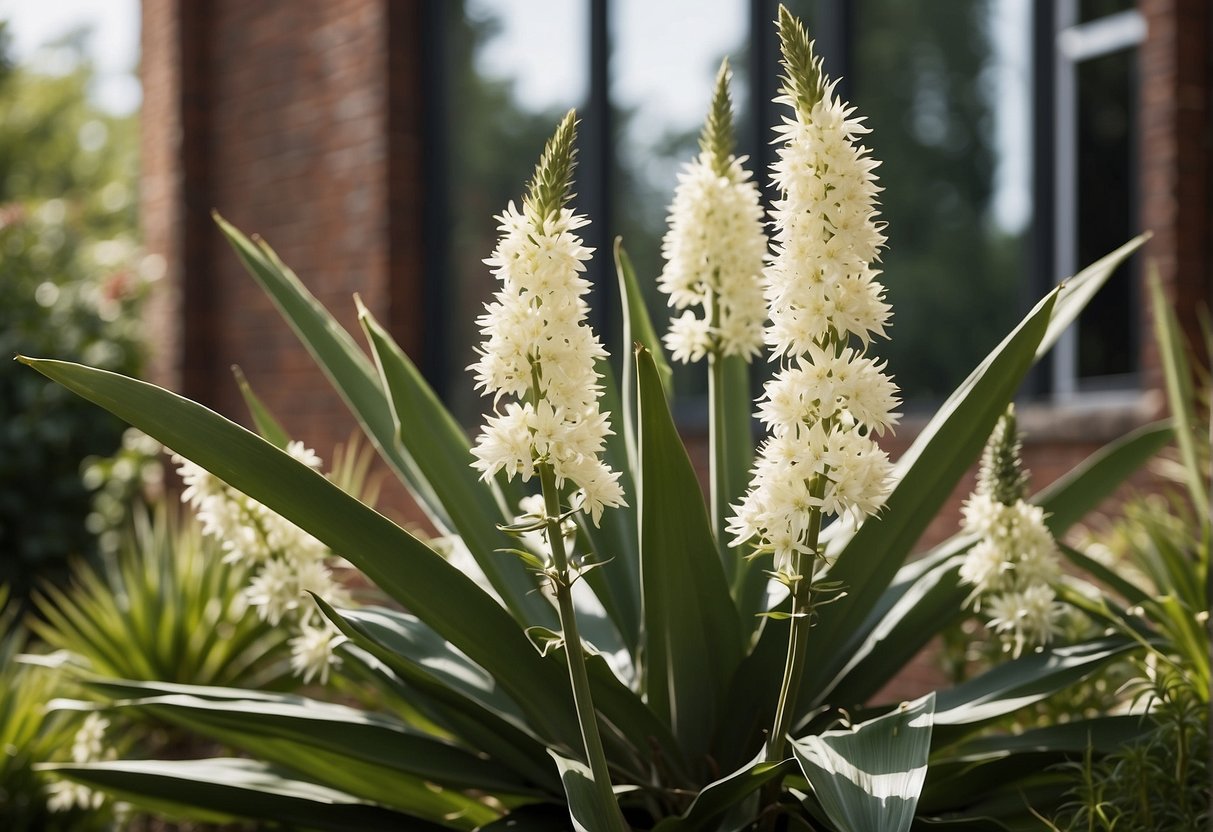
Before we dive into yucca plant longevity, it’s important to understand the basics of these plants. Yuccas are native to arid regions of North and Central America and are well adapted to hot, dry climates. They are characterized by their sword-like leaves and tall, spiky flower stalks. There are many different species of yucca, each with its own unique appearance and growth habits. In general, yuccas are hardy plants that require minimal watering and upkeep, making them an attractive option for busy homeowners.
Caring for Yuccas in Chicago
While yuccas are well adapted to desert climates, they can also thrive in the Chicago area with the right care. To ensure your yucca plants stay healthy and strong, it’s important to provide them with well-draining soil, plenty of sunlight, and occasional watering during dry spells. You should also be mindful of pests and diseases that can affect yuccas, such as spider mites and root rot. With proper care, yuccas can live for several years in the Chicago area, adding a unique and eye-catching element to your landscaping.
Key Takeaways
- Yucca plants are hardy desert plants that require minimal watering and upkeep.
- With proper care, yuccas can live for several years in the Chicago area.
- To ensure your yucca plants stay healthy, provide them with well-draining soil, plenty of sunlight, and occasional watering during dry spells.
Understanding Yucca Plants
Yucca plants are a popular choice for gardeners in the Chicago area due to their hardiness and unique appearance. However, before you decide to add a yucca plant to your garden, it is important to understand the species native to the Chicago area and their optimal growing conditions.
Species Native to the Chicago Area
The most common yucca species native to the Chicago area is the Yucca filamentosa, also known as the Adam’s needle. This species is characterized by its sharp, narrow leaves and tall flower stalks. Another species that can thrive in the Chicago area is the Yucca aloifolia, also known as the Spanish bayonet. This species has wider leaves and can grow up to 10 feet tall.
Optimal Growing Conditions
Yucca plants are adaptable and can thrive in a variety of conditions, but they do have some specific requirements for optimal growth. They prefer well-draining soil and can tolerate drought, so be careful not to overwater them. Yuccas also require full sunlight, so make sure to plant them in an area with at least six hours of direct sunlight per day.
In terms of temperature, yucca plants are hardy and can survive in temperatures as low as -10°F. However, extreme cold can damage the plant, so it is important to protect it during harsh winters. Additionally, yuccas are sensitive to high humidity, so it is important to plant them in an area with good air circulation.
Overall, yucca plants can live for many years in the Chicago area if they are given the proper care and growing conditions. By understanding the species native to the area and their optimal growing conditions, you can enjoy the unique beauty of yucca plants in your garden for years to come.
Caring for Yuccas in Chicago
Yuccas are sturdy plants that can thrive in various conditions, including the Chicago area. However, they require proper care to reach their full potential. Here are some tips to help you care for your yuccas.
Soil and Water Requirements
Yuccas prefer well-draining soil that is slightly acidic. In the Chicago area, the soil is typically clay-based, which can lead to waterlogging and root rot. To prevent this, ensure that the soil is well-draining and add some sand or perlite to the soil mix.
Watering is also crucial for yuccas. They require moderate watering, and the soil should be allowed to dry out slightly between watering. Overwatering can lead to root rot, so it is essential to avoid this.
Light and Temperature Needs
Yuccas require plenty of sunlight to thrive. In the Chicago area, they should be placed in a spot that receives at least six hours of direct sunlight per day.
Yuccas can tolerate a wide range of temperatures, but they prefer warm temperatures. They can survive in temperatures as low as 10°F, but they may require some protection during harsh winters.
Common Pests and Diseases
Yuccas are relatively resistant to pests and diseases, but they can still fall victim to some common issues. Mealybugs and scale insects can infest yuccas, leading to stunted growth and yellowing leaves. To prevent this, inspect your yuccas regularly and remove any pests you find.
Root rot and leaf spot are also common issues that can affect yuccas. These are usually caused by overwatering or poor drainage. To prevent this, ensure that the soil is well-draining and avoid overwatering.
In conclusion, caring for yuccas in the Chicago area requires proper attention to soil, water, sunlight, and temperature. By following these tips and keeping an eye out for common pests and diseases, you can help your yuccas thrive.
Yucca Plant Longevity
Yucca plants are a popular choice for gardeners and homeowners in the Chicago area due to their unique and striking appearance. However, if you are considering adding a yucca plant to your garden or indoor space, you may be wondering how long they typically live.
Factors Affecting Lifespan
The lifespan of a yucca plant can vary depending on a variety of factors. One of the most significant factors affecting yucca plant longevity is the care they receive. Proper care includes regular watering, pruning, and ensuring they are planted in the correct soil type. Yucca plants can thrive in sandy, well-draining soil and should be planted in an area with plenty of sunlight.
Another factor that can impact the lifespan of a yucca plant is the climate. Yuccas are native to hot, arid regions such as the southwestern United States and Mexico. In Chicago, outdoor yuccas may struggle in the colder winter months, and it is essential to protect them from frost damage.
Maximizing Yucca Lifespan
If you want to maximize the lifespan of your yucca plant, there are several things you can do. First, make sure you are providing proper care, including regular watering and pruning. Overwatering can be detrimental to yucca plants, so it is essential to ensure the soil is not too moist.
You can also consider planting your yucca in a container rather than directly in the ground. This allows you to move the plant indoors during the winter months, protecting it from frost damage.
In conclusion, yucca plants can live for many years with proper care and attention. By understanding the factors that impact yucca plant longevity and taking steps to maximize their lifespan, you can enjoy the unique beauty of these plants for years to come.
Landscaping with Yuccas
Yuccas are a popular choice for landscaping in the Chicago area due to their hardiness and unique appearance. They are versatile plants that can be used in a variety of outdoor and indoor settings. In this section, we will explore how to design with different yucca varieties and how to properly care for them.
Designing with Different Yucca Varieties
Yuccas come in a variety of shapes, sizes, and colors, making them a great choice for adding interest and texture to your landscape. Some popular varieties include:
-
Yucca Rostrata: This yucca tree has blue-green foliage and tall stalks that can reach up to 20 feet tall. It produces creamy white flowers in the summer and is a great choice for full sun areas.
-
Yucca Filamentosa: This yucca has green foliage and produces a tall flower stalk in the summer. It is drought-tolerant and can handle a variety of soil types.
-
Yucca Gloriosa: This yucca has green foliage and produces a tall flower stalk with white flowers in the summer. It is a hardy plant that can handle full sun and drought conditions.
When designing with yuccas, it’s important to consider their size and growth habit. Yuccas can grow quite large, so be sure to give them plenty of space to grow. They also work well as focal points in a landscape or as a border plant.
Maintenance and Seasonal Care
Yuccas are relatively low-maintenance plants, but they do require some care to keep them looking their best. Here are some tips for maintaining your yuccas:
-
Watering: Yuccas are drought-tolerant and do not require frequent watering. Water them deeply once a week during the growing season and less frequently during the winter months.
-
Fertilizing: Yuccas do not require regular fertilization, but you can apply a slow-release fertilizer in the spring to promote healthy growth.
-
Pruning: Yuccas do not require regular pruning, but you can remove dead or damaged leaves as needed. Be sure to wear gloves as yucca leaves are sharp and can cause injury.
-
Winter care: Yuccas are hardy plants that can handle cold temperatures, but they may require protection during severe winters. Cover the base of the plant with mulch to protect the roots from freezing.
In conclusion, yuccas are a great choice for landscaping in the Chicago area. They are hardy, drought-tolerant, and come in a variety of shapes and colors. With proper care and maintenance, your yuccas will thrive and add interest to your landscape for years to come.
Frequently Asked Questions
What is the average lifespan of a yucca plant when grown outdoors in the Chicago area?
Yucca plants can live for several years when grown outdoors in the Chicago area if they are well-cared for. On average, yucca plants can live up to 10 years or more.
How should yucca plants be cared for during Chicago winters to ensure their longevity?
During Chicago winters, yucca plants should be protected from the cold and wind. It is recommended to cover them with blankets or burlap and to keep them in a sheltered area. Additionally, watering should be reduced to prevent root rot.
Are there specific varieties of yucca plants that are more suited to the Chicago climate?
Yes, there are some varieties of yucca plants that are more suited to the Chicago climate. Yucca filamentosa and Yucca glauca are two varieties that are more tolerant of cold temperatures and can survive in the Chicago area.
What are the common causes of death for yucca plants in colder regions like Chicago?
The most common causes of death for yucca plants in colder regions like Chicago are root rot and frost damage. Overwatering during the winter months can cause root rot, while frost damage can occur if the plant is not protected from the cold and wind.
Can yucca plants survive the temperature fluctuations typical of the Chicago area?
Yucca plants can survive the temperature fluctuations typical of the Chicago area if they are well-cared for. However, it is important to protect them from extreme cold and wind during the winter months.
What measures can be taken to protect yucca plants from Chicago’s winter conditions?
To protect yucca plants from Chicago’s winter conditions, they should be covered with blankets or burlap and kept in a sheltered area. Additionally, watering should be reduced to prevent root rot. Applying a layer of mulch around the base of the plant can also help to insulate the roots.

