
Where to Find Yucca Plants: A Guide to Locating These Desert Beauties
If you’re interested in enhancing your garden or indoor space with some distinctive and captivating vegetation, yucca plants are an excellent selection. Recognized for their remarkable looks and robustness, yucca plants have gained favor among numerous gardening aficionados and plant lovers. However, the question arises: where does one obtain yucca plants? In this article, we delve into the natural environments and cultivation areas of yucca plants, alongside offering advice on how to successfully grow and maintain these intriguing plants.
Natural Habitats and Growing Regions
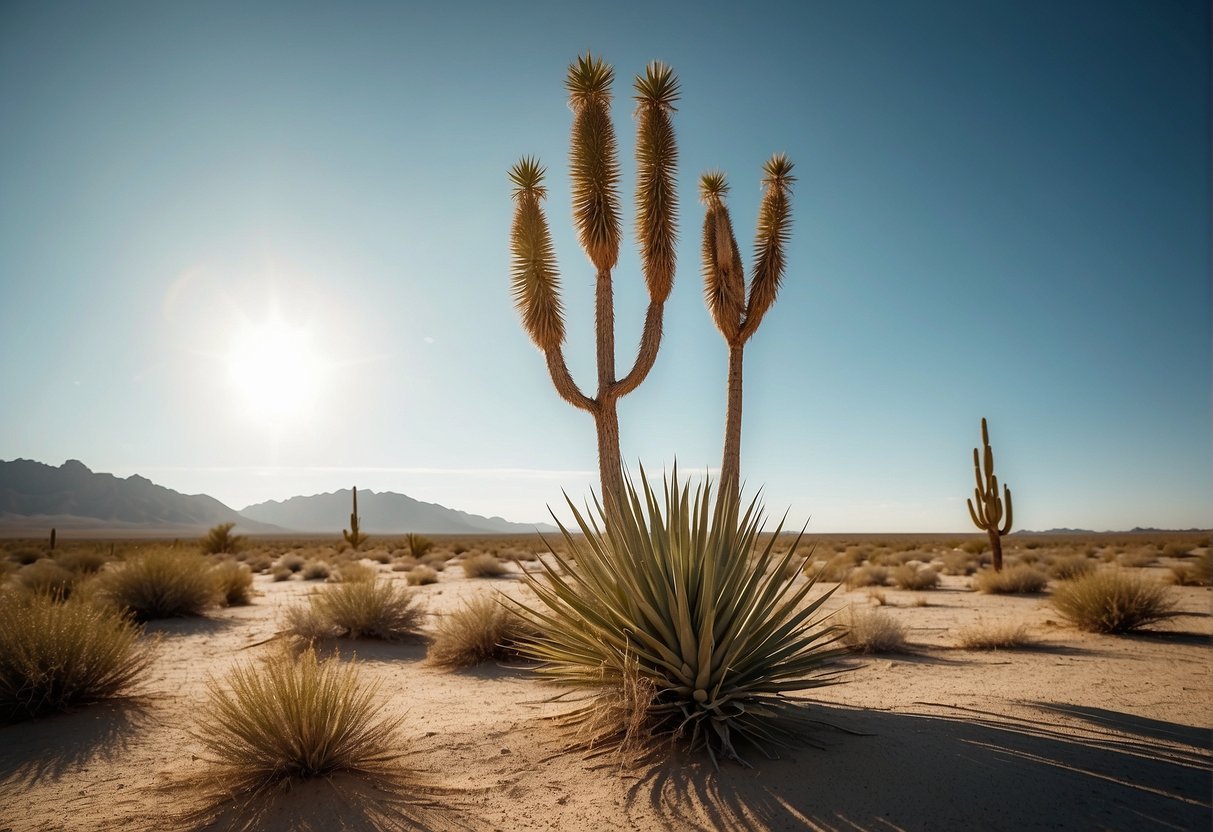
Yucca plants are native to North and Central America, and can be found in a variety of different habitats. Some species of yucca grow in desert regions, while others are found in grasslands or rocky areas. Yuccas can also be found in coastal regions, and some species even grow in mountainous areas. Depending on the species, yucca plants can be found in a variety of different states and countries, including Arizona, New Mexico, Texas, California, and Mexico.
Cultivation and Care
If you’re interested in growing yucca plants in your own garden or home, there are a few things to keep in mind. First, it’s important to choose the right species of yucca for your climate and growing conditions. Some species are more tolerant of cold temperatures, while others prefer warmer climates. Yuccas also require well-draining soil and plenty of sunlight, so be sure to choose a location that meets these requirements. With proper care and maintenance, yucca plants can thrive for many years, adding a unique and interesting touch to your home or garden.
Key Takeaways
- Yucca plants are native to North and Central America and can be found in a variety of different habitats.
- When cultivating yucca plants, it’s important to choose the right species for your climate and growing conditions, and provide them with well-draining soil and plenty of sunlight.
- With proper care and maintenance, yucca plants can thrive for many years, adding a unique and interesting touch to your home or garden.
Natural Habitats and Growing Regions
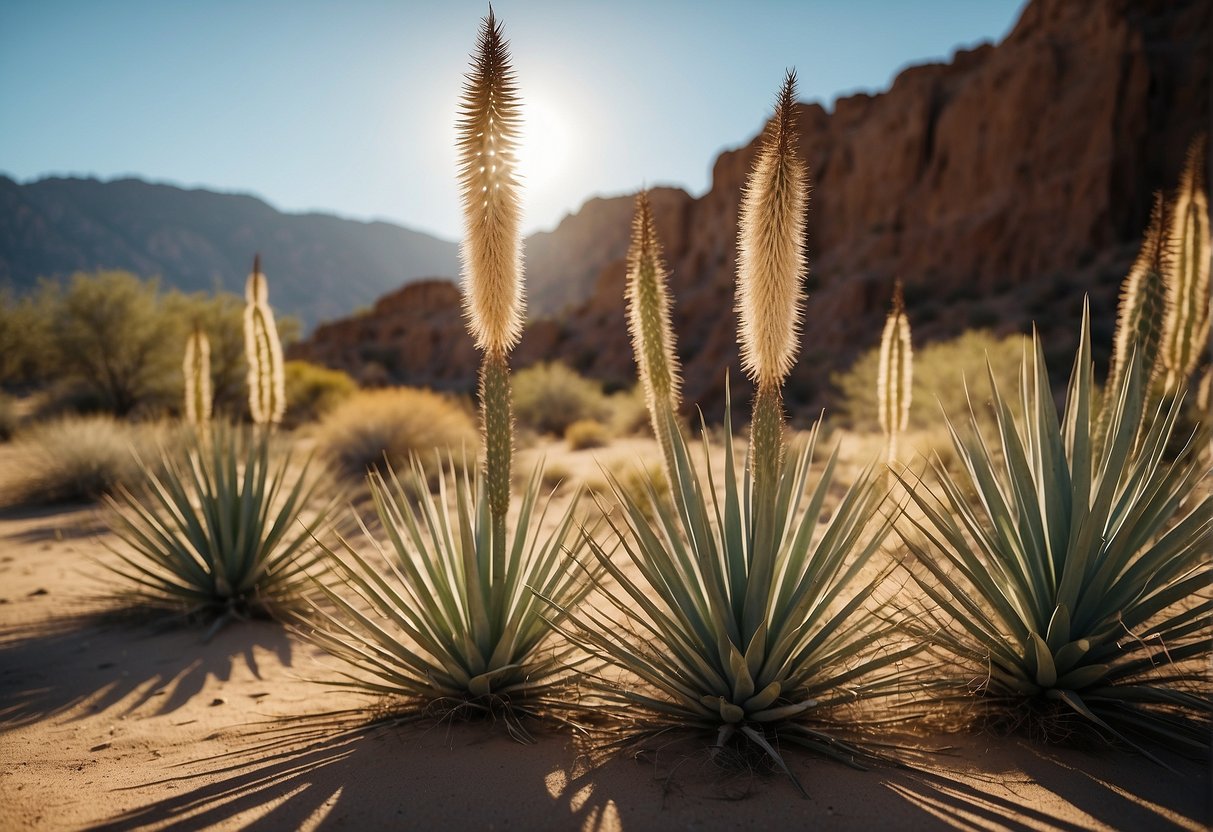
If you are looking to grow yucca plants, it is important to understand their natural habitats and growing regions. Yucca plants are well adapted to desert regions and can thrive in a variety of soil types and climate conditions.
Desert Regions and Hardiness Zones
Yucca plants are commonly found in desert regions such as the Mojave and Joshua Tree areas. They are hardy plants that can tolerate extreme heat and drought conditions. Yucca plants are also capable of surviving in colder temperatures, making them suitable for growing in hardiness zones 5 through 11.
Soil Types and Climate Conditions
Yucca plants prefer well-draining soil and can grow in a variety of soil types, including sandy, rocky, and loamy soils. They also require ample sunlight and can tolerate a range of climate conditions, including high temperatures and low humidity.
In Mexico, where yucca plants are native, they are often found growing in dry, rocky areas with little rainfall. However, with proper care and attention, yucca plants can be grown successfully in a variety of regions and climates.
Overall, yucca plants are hardy and adaptable plants that can thrive in a variety of natural habitats and growing regions. By understanding their preferred soil types and climate conditions, you can successfully grow yucca plants in your own garden or landscape.
Cultivation and Care
Yucca plants are easy to grow and maintain, making them a popular choice for many gardeners. Here are some essential cultivation and care tips to help you keep your yucca plant healthy and thriving.
Planting and Watering Requirements
When planting yucca, ensure that the soil is well-draining and rich in nutrients. Yucca plants prefer full sun, but they can also tolerate partial shade. Once established, yucca plants are drought tolerant and do not require frequent watering. However, during the hot summer months, it is advisable to water them once a week.
Common Pests and Potential Problems
Yucca plants are generally pest and disease resistant. However, they can be susceptible to mealybugs, spider mites, and scale insects. To prevent pest infestations, inspect your plants regularly and remove any dead or damaged leaves. If you notice any signs of pest infestation, treat your plants with an insecticidal soap.
In addition, yucca plants can suffer from root rot if the soil is too wet. To prevent root rot, ensure that the soil is well-draining and do not overwater your plants.
Propagation and Pruning Techniques
Yucca plants can be propagated through stem cuttings or division. To propagate through stem cuttings, take a cutting from the top of the plant and plant it in well-draining soil. Water the cutting regularly and keep it in a warm, sunny location.
Pruning is not necessary for yucca plants, but you can remove any dead or damaged leaves to improve the plant’s appearance. If your yucca plant becomes too large, you can divide it into smaller plants and replant them in separate containers.
By following these simple cultivation and care tips, you can enjoy a healthy and beautiful yucca plant in your garden or home.
Frequently Asked Questions
What are the different types of yucca plants available?
There are many different types of yucca plants available, each with its own unique characteristics. Some of the most common types include Adam’s Needle, Banana Yucca, Spanish Dagger, and Mojave Yucca.
How to identify a yucca plant?
Yucca plants are characterized by their long, pointed leaves and tall, spiky flowers. They are often mistaken for agave plants, but can be distinguished by their thinner leaves and more upright growth habit.
Where are the common regions in the US where yucca plants naturally grow?
Yucca plants are native to the southwestern United States, particularly in arid regions such as Arizona, New Mexico, and Texas. They can also be found in parts of California, Nevada, and Utah.
What are the best conditions for growing yucca plants?
Yucca plants thrive in hot, dry conditions and require well-draining soil. They can tolerate a range of soil types, but prefer sandy or rocky soil. They also require full sun exposure and can be damaged by frost or excessive moisture.
How can I purchase a yucca plant online?
Yucca plants can be purchased online from a variety of retailers, including specialty nurseries and online marketplaces such as Amazon and Etsy. Be sure to research the seller and read reviews before making a purchase.
Are there specific retailers that specialize in selling yucca plants?
Yes, there are several retailers that specialize in selling yucca plants, including Yucca Do Nursery, High Country Gardens, and Plant Delights Nursery. These retailers offer a wide selection of yucca plants and can provide expert advice on how to care for them.

