
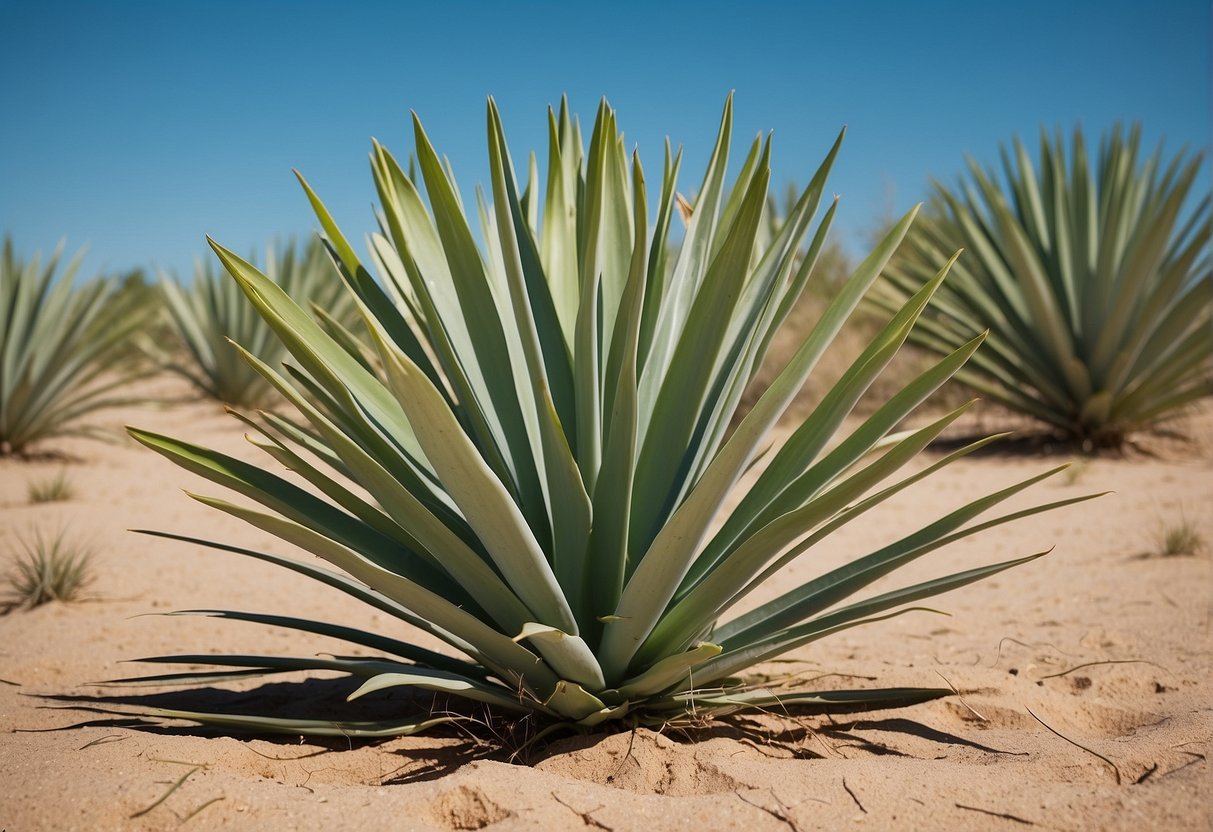
What Color Are Yucca Plants? A Guide to Identifying Yucca Plant Colors
If you’re curious about the color of yucca plants, rest assured, many others share your interest. Yuccas, celebrated for their eye-catching looks and low-maintenance needs, are a favorite among gardeners. However, with the vast array of yucca species available, determining their color can present a challenge. In the following article, we explore the various hues yucca plants can exhibit and the elements that affect their coloration.
Yucca plants are native to the Americas, and there are over 40 species in the genus. They range in size from small shrubs to large trees, and their leaves can be long and narrow or short and wide. Yucca plants are known for their distinctive rosette shape, with leaves growing from a central point. The flowers of yucca plants are also unique, with large, showy blooms that are pollinated by yucca moths. But what about the color of yucca plants? Let’s find out.
Key Takeaways
- Yucca plants come in a range of colors, from green to blue to yellow.
- The color of yucca plants can be influenced by factors such as sunlight, soil type, and temperature.
- When choosing a yucca plant, consider the color of its leaves and flowers, as well as its size and growing requirements.
Characteristics of Yucca Plants
Physical Description
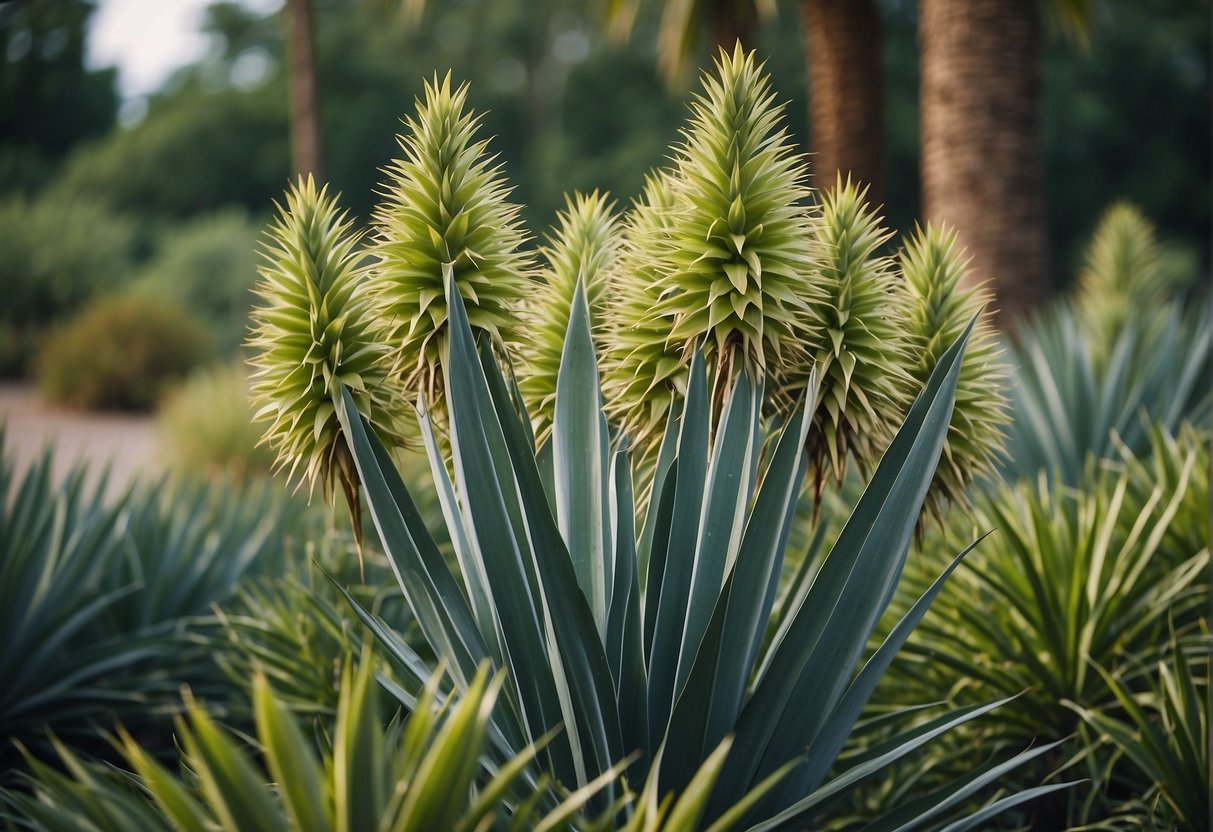
Yucca plants are a type of succulent perennial that are known for their sword-like leaves with sharp points. These shrubs come in a variety of species and can range in color from green to white. They typically have a rosette form and can grow up to several feet tall. Some common types of yucca plants include yucca filamentosa, yucca aloifolia, and the iconic Joshua tree.
One of the most distinctive features of yucca plants is their stiff leaves, which are often pointed and sharp. The leaves can be green or bluish-green in color, depending on the species. Some species, such as the yucca filamentosa ‘Excalibur’, have variegated leaves with white or yellow stripes.
Species Diversity
There are many different types of yucca plants, each with its own unique characteristics. Some species, such as the Spanish bayonet and the Spanish dagger, have particularly sharp leaves that can be dangerous to handle. Others, such as the yucca elephantipes and the banana yucca, have broader leaves that are less pointed.
Yucca plants can also vary in size and shape. Some, like the yucca gloriosa, can grow up to 8 feet tall and have a tree-like appearance. Others, like the hesperaloe parviflora, are smaller and more compact, making them ideal for use in landscaping.
Overall, yucca plants are a versatile and attractive addition to any garden or landscape. With their sword-like leaves and striking appearance, they are sure to make a statement wherever they are planted.
Cultivation and Care
Planting and Soil Requirements
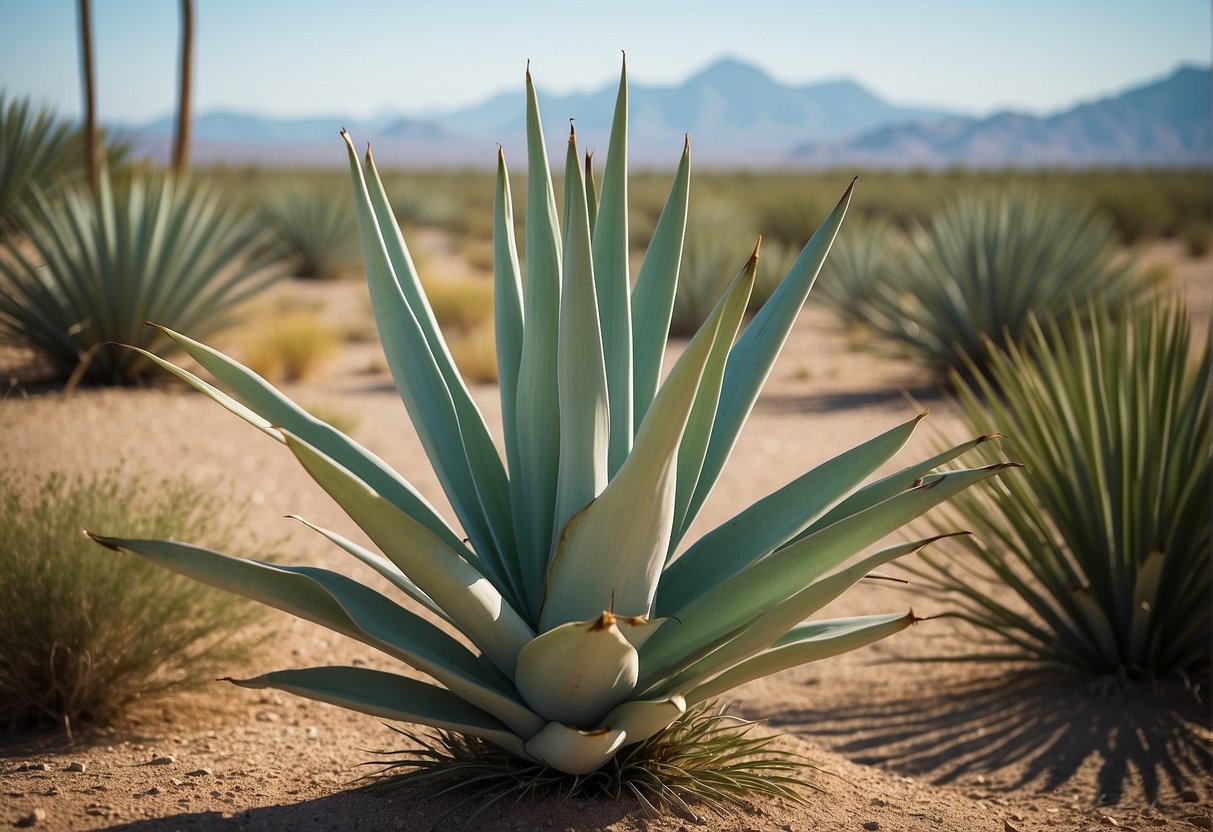
Yucca plants are easy to grow and care for, making them a popular choice for both indoor and outdoor gardening. When planting yucca plants, it’s important to choose a well-draining soil that is not too rich in organic matter. Sandy or gritty soil is ideal for yuccas, as it mimics their natural desert habitat. If you’re planting yuccas in containers, use a potting mix specifically formulated for cacti and succulents.
Maintenance and Pruning
Yucca plants require minimal maintenance and pruning. In fact, over-pruning can actually harm the plant. If you need to remove dead or damaged leaves, use gloves to protect your hands from the sharp spines. To maintain the plant’s shape, simply trim the tips of the leaves with a sharp pair of scissors.
Watering and Fertilization
Yucca plants are drought-tolerant and can survive long periods without water. However, they still require occasional watering, especially during the summer months. When watering yuccas, be sure to soak the soil thoroughly, then allow it to dry out completely before watering again. Fertilize yuccas once a month during the growing season with a liquid fertilizer specifically formulated for cacti and succulents.
Common Pests and Diseases
Yucca plants are generally resistant to pests and diseases, but they can still be affected by a few common problems. Scale insects and mealybugs are the most common pests that affect yuccas. To treat these pests, use a mild soap solution and a soft-bristled brush to scrub them off the leaves. Yucca plants can also be affected by root rot if they are overwatered or planted in soil that doesn’t drain well. If you notice the leaves turning yellow or brown, reduce watering and improve drainage.
Frequently Asked Questions
How can I identify different types of yucca plants?
Yucca plants can be identified by their long, sword-shaped leaves and their tall, branching stems. There are over 50 species of yucca plants, and some have unique features such as curly leaves or variegated coloring. You can use a plant identification guide or consult with a professional to help you identify specific types of yucca plants.
What are the common colors of yucca plants when grown indoors?
When grown indoors, yucca plants typically have green leaves with a slight bluish tint. Some varieties may have variegated leaves with white or yellow stripes. The color of the leaves can vary depending on the lighting conditions and the age of the plant.
How does the color of a yucca plant change during winter?
During the winter months, yucca plants may experience a slight change in color. The leaves may turn a slightly lighter shade of green or develop a reddish tint. This is a normal response to changes in temperature and lighting conditions.
What are the visual differences between yucca plants and similar species?
Yucca plants are often mistaken for agave plants, which have similar long, pointed leaves. However, agave plants have sharp spikes on the edges of their leaves, while yucca plants do not. Yucca plants also have tall, branching stems, while agave plants typically have a single stem.
What should healthy yucca leaves look like in terms of color?
Healthy yucca leaves should be a vibrant green color with a slight bluish tint. The leaves should be firm and upright, without any signs of wilting or discoloration. If the leaves are yellow or brown, it may be a sign of overwatering or other issues.
Are there any color variations among yucca plants native to specific regions?
Yes, there are some color variations among yucca plants native to specific regions. For example, the Joshua tree, which is native to the Mojave Desert, has bluish-gray leaves. The Spanish bayonet, which is native to the southeastern United States, has green leaves with a slight bluish tint. However, these variations are generally minor and do not affect the overall appearance or care of the plant.

