
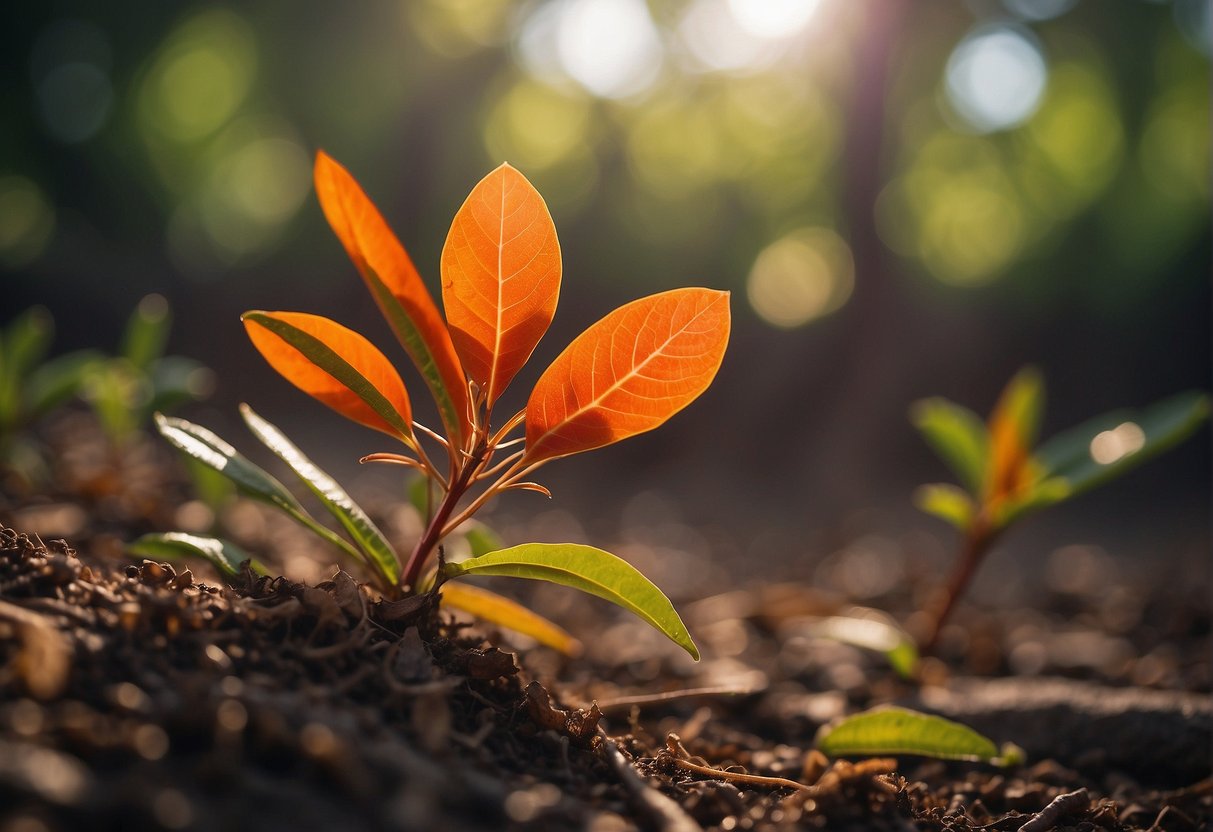
How Fast Does Firebush Grow: A Comprehensive Guide
Should you be in search of a low-maintenance plant that brings vibrant colors to your garden, the firebush could be an ideal pick. Known scientifically as Hamelia patens, this bush originates from the southern regions of the United States along with areas in Central and South America. A frequently asked question by gardeners regarding the firebush concerns its growth rate.
Firebush is a relatively fast-growing shrub that can reach heights of up to 15 feet tall in ideal conditions. However, the rate at which it grows can vary depending on a variety of factors, including climate, soil conditions, and water availability. In this article, we’ll take a closer look at the growth habits of firebush and what you can do to help it thrive in your garden.
Key Takeaways
- Firebush is a fast-growing shrub that can reach heights of up to 15 feet tall in ideal conditions.
- The rate of growth can vary depending on factors such as climate, soil conditions, and water availability.
- To help your firebush thrive, it’s important to provide it with the right growing conditions and care.
Botanical Profile
Scientific Classification
Firebush, also known as Hamelia patens, is a woody shrub that belongs to the Rubiaceae family. This family includes over 13,000 species of plants, including coffee and gardenias. Firebush is a perennial plant that is native to the Americas, from the southern United States to South America.
Physical Characteristics
Firebush is a fast-growing shrub that can reach heights of up to 15 feet. It has a spreading growth habit and can grow up to 10 feet wide. The leaves of firebush are a glossy dark green color and are arranged in an opposite pattern on the stem. The leaves are lance-shaped and can grow up to 6 inches long.
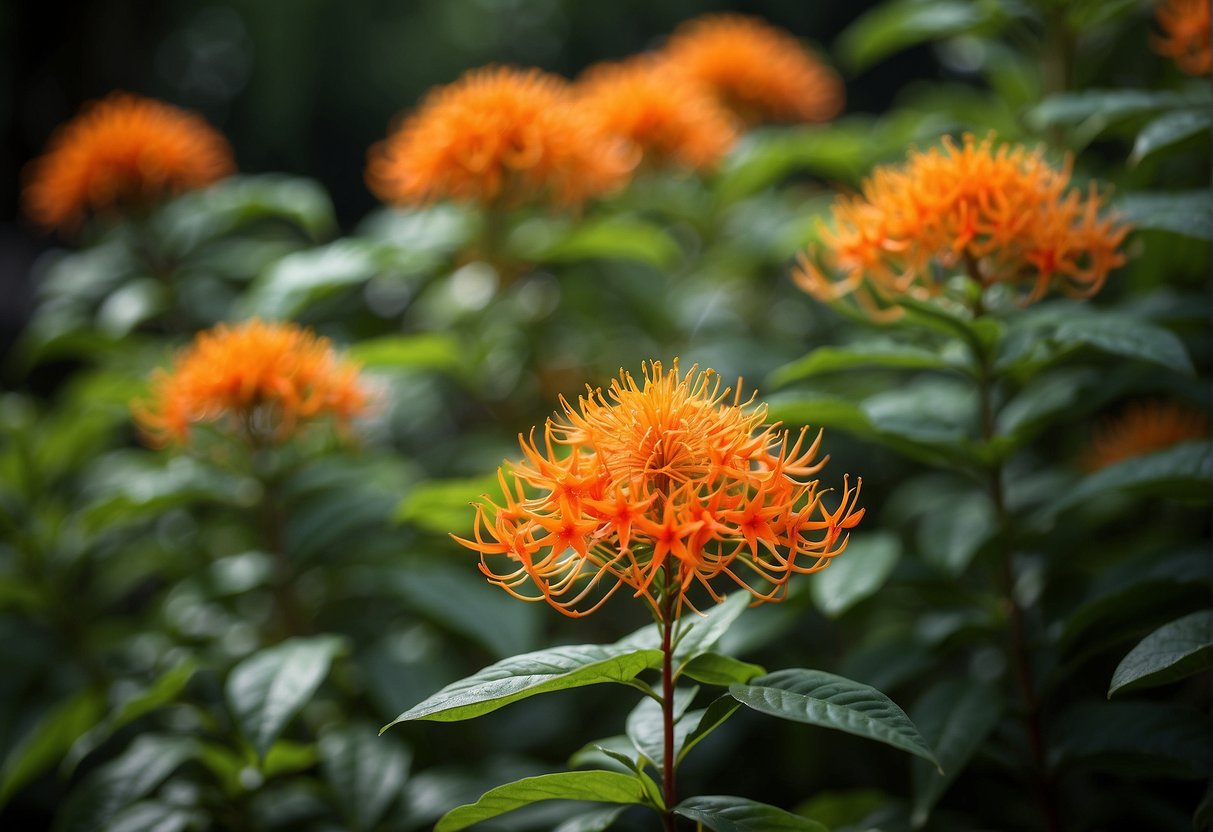
The flowers of firebush are tubular and bright red or orange in color, which is why it is sometimes called “scarlet bush.” The flowers grow in clusters at the end of the branches and bloom from spring until fall. The fruit of firebush is a small, round, black berry that is not edible.
Firebush grows best in full sun to partial shade and prefers well-draining soil. It is drought-tolerant once established and can also tolerate salt spray, making it a good choice for coastal gardens.
Overall, firebush is a beautiful and easy-to-grow shrub that can add color and interest to any garden.
Growth Habits
Growth Rate
The Firebush is a fast-growing perennial plant that can reach a mature height of 6 to 8 feet in just a few years. Its growth rate is influenced by various factors such as the amount of sunlight, water, and nutrients it receives. With proper care, Firebush can grow up to 2 feet per year, making it an ideal choice for those who want to add some greenery to their garden quickly.
Mature Size
Firebush is a small tree that can grow up to 15 feet tall and 10 feet wide, but it can also be pruned to maintain a smaller size. Its mature size is determined by the growing conditions, such as the soil type, temperature, and moisture. Firebush can adapt to a wide range of growing conditions, making it a versatile choice for landscaping.
Firebush has a moderate growth rate, which means that it will not take over your garden quickly. It is a great choice for those who want to add some color and texture to their garden without worrying about constant maintenance. With its vibrant red-orange flowers and glossy green leaves, Firebush is sure to add some beauty to your garden.
Cultivation Requirements
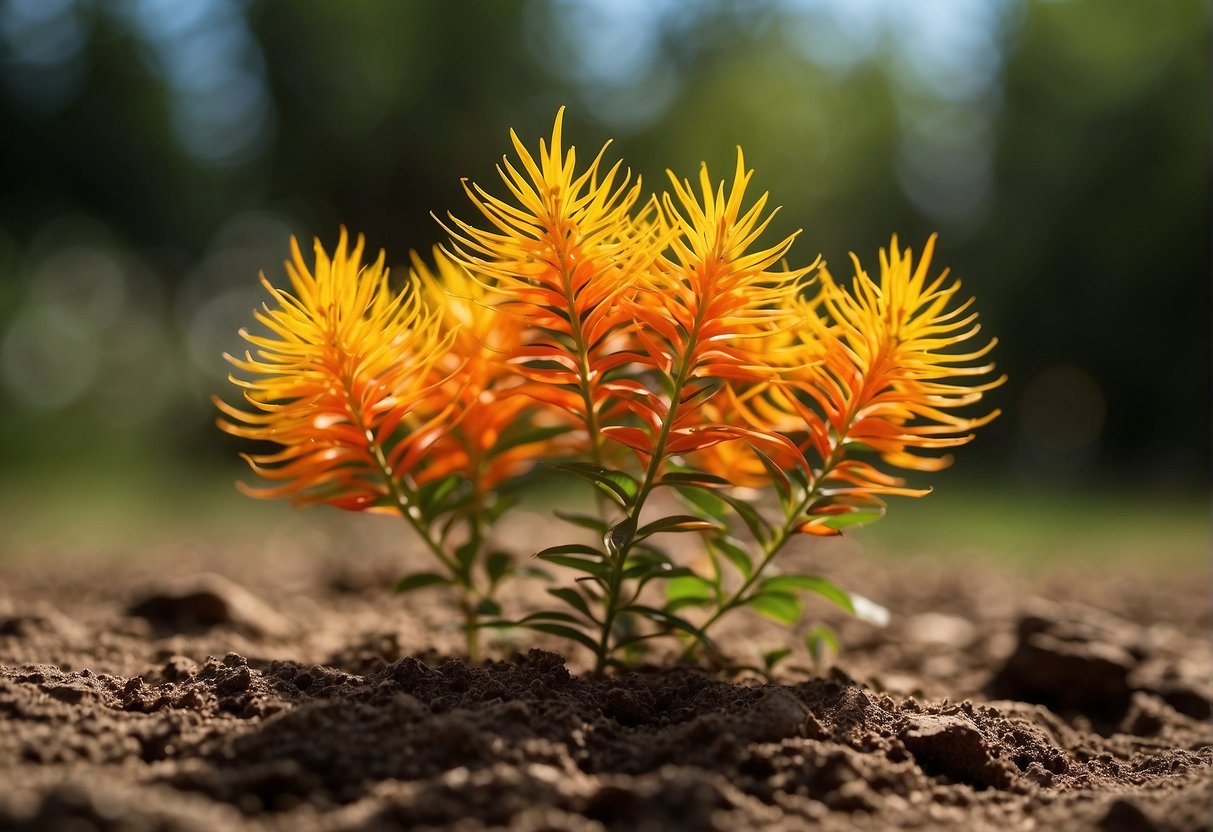
If you’re looking to grow firebush, it’s essential to understand its cultivation requirements. This section will cover the three main factors that contribute to the growth of firebush: sunlight exposure, soil preferences, and watering needs.
Sunlight Exposure
Firebush thrives in full sun, which means it requires at least six hours of direct sunlight daily. However, it can also tolerate partial shade, but it may not grow as quickly or produce as many flowers. If you’re planting firebush in an area with partial shade, make sure it still receives at least four hours of direct sunlight daily.
Soil Preferences
Firebush grows best in well-drained soil that is rich in organic matter. It can tolerate a range of soil types, including sandy soil. However, it’s essential to ensure that the soil is not waterlogged, as firebush does not like wet feet. If you’re planting firebush in an area with heavy clay soil, consider amending the soil with organic matter to improve drainage.
Watering Needs
Firebush is drought-tolerant once established, but it still requires regular watering during the first year of growth. Make sure to water the plant deeply once a week, allowing the soil to dry out slightly between waterings. During periods of drought, you may need to water more frequently. However, be careful not to overwater, as this can lead to root rot.
In summary, firebush grows best in full sun, well-drained soil, and with regular, deep watering. By providing these cultivation requirements, you can ensure that your firebush grows healthy and strong.
Plant Care and Maintenance
Taking care of your firebush is essential to ensure healthy growth and beautiful blooms. Here are some tips on pruning, fertilizing, and pest and disease management.
Pruning and Shaping
Firebush can grow very tall and wide, so it’s important to prune it regularly to keep it in shape and prevent it from becoming too leggy. Prune your firebush in early spring before new growth begins. Cut back any dead or damaged branches to the base of the plant. You can also prune any branches that are crossing or rubbing against each other. To shape your firebush, prune the top and sides to encourage bushy growth.
Fertilizing
Firebush is a heavy feeder and requires regular fertilization to thrive. Use a balanced fertilizer with equal amounts of nitrogen, phosphorus, and potassium. Apply the fertilizer every two weeks during the growing season, from spring to fall. Be sure to water your firebush thoroughly before and after fertilizing to prevent root burn.
Pest and Disease Management
Firebush can be susceptible to pests and diseases, but proper care and maintenance can prevent these issues. Common pests include mites and aphids, which can be controlled with neem oil or insecticidal soap. Diseases such as leaf spot and root rot can be prevented by avoiding overwatering and ensuring good drainage. If your firebush does develop a disease, remove any affected leaves or branches and treat with a fungicide.
By following these simple tips, you can ensure that your firebush grows healthy and strong, providing you with beautiful blooms year after year.
Propagation Methods
Firebush can be propagated through seed or cuttings. Each method has its own advantages and disadvantages, and the choice of propagation method depends on various factors such as the time of year, available resources, and desired outcome.
Seed Propagation
Propagating firebush through seeds is a simple and cost-effective method. The best time to sow the seeds is in the spring. The seeds should be sown in a well-draining soil mix that is kept moist but not waterlogged. Germination can take up to two weeks, and the seedlings should be kept in a warm and bright location.
Once the seedlings have grown to a suitable size, they can be transplanted into individual pots or directly into the ground. It is important to keep the soil moist and provide adequate sunlight to ensure healthy growth.
Cuttings
Propagating firebush through stem cuttings is a faster method than seed propagation and produces plants that are identical to the parent plant. The best time to take cuttings is in the late spring or early summer when the plant is actively growing.
To take cuttings, select a healthy stem that is approximately 4-6 inches long and remove the leaves from the bottom half of the stem. Dip the cut end of the stem in rooting hormone and plant it in a well-draining soil mix. Keep the soil moist and provide bright, indirect light.
Within a few weeks, the cuttings should start to develop roots. Once the roots have formed, the cuttings can be transplanted into individual pots or directly into the ground. It is important to keep the soil moist and provide adequate sunlight to ensure healthy growth.
Overall, both seed propagation and cuttings are effective methods for propagating firebush. The choice of propagation method depends on various factors, and it is important to choose the method that best suits your needs.
Landscape Uses
If you are looking for a plant that can add color and texture to your landscape, firebush is a great option to consider. This fast-growing shrub can be used in a variety of ways to enhance your outdoor space. Here are some landscape uses for firebush:
Ornamental Value
Firebush is known for its showy blooms, which can add a pop of color to your garden. The flowers are typically bright red or orange, and they attract butterflies and hummingbirds. Firebush also has attractive foliage, with leaves that are dark green and glossy. This makes it a great choice for use as a specimen plant, where it can be showcased on its own or in a container.
Hedging and Borders
Firebush can also be used as a hedge or border plant, thanks to its fast growth rate and dense foliage. It can be trimmed to maintain a desired height and shape, and it can be planted in a row to create a living fence. Firebush is also a good choice for mass plantings, where it can create a bold statement in your landscape.
When using firebush in your landscape, it is important to keep in mind that it prefers full sun and well-draining soil. It is also drought-tolerant once established, making it a low-maintenance option for your garden. With its ornamental value and versatility, firebush is a great addition to any landscape.
Ecological Benefits
Firebush is a fast-growing plant that provides several ecological benefits. Here are some of the ways that firebush can benefit the environment:
Attracting Wildlife
Firebush is a popular plant among birds, butterflies, and other pollinators. The bright red flowers of the firebush attract hummingbirds, which are known to feed on the nectar of the plant. Butterflies also feed on the nectar and use the plant as a host for their larvae. The plant provides a habitat for various species of birds and insects, making it an important part of the ecosystem.
Environmental Tolerance
Firebush is a drought-tolerant plant that can survive in dry conditions. It is also tolerant of salt spray, making it a suitable plant for coastal regions. The plant is known for its ability to withstand extreme weather conditions and adapt to different environments. This makes it a valuable addition to any landscape, especially in areas where water is scarce.
In summary, firebush is a fast-growing plant that provides several ecological benefits. It attracts wildlife such as birds, butterflies, and pollinators, and is tolerant of drought and salt spray. By planting firebush in your garden, you can contribute to the health and diversity of the local ecosystem.
Varieties and Cultivars
Firebush is a popular shrub that is known for its fast growth rate and attractive blooms. There are several varieties and cultivars of firebush, each with its unique characteristics. In this section, we will discuss two of the most common types of firebush: Standard Firebush and Dwarf Varieties.
Standard Firebush
The Standard Firebush (Hamelia patens) is the most common and widely grown variety of firebush. It is a fast-growing shrub that can reach up to 12 feet in height and 6 feet in width. The leaves of the standard firebush are dark green, glossy, and ovate in shape, while the flowers are tubular and orange-red in color.
The standard firebush is a popular choice for landscaping and is often used as a hedge or screen. It is also a favorite among hummingbirds and butterflies, who are attracted to its nectar-rich blooms. The standard firebush is relatively easy to care for and can tolerate a wide range of soil types and growing conditions.
Dwarf Varieties
Dwarf varieties of firebush are compact versions of the standard firebush and are ideal for smaller gardens or container planting. These cultivars are typically 3 to 4 feet tall and wide, making them perfect for borders, mass plantings, or as a specimen plant.
One of the most popular dwarf varieties is the ‘Compacta’ firebush, which grows to a height of 3 to 4 feet and has a dense, bushy habit. The ‘Compacta’ firebush has bright red-orange flowers and dark green leaves and is a favorite among gardeners for its compact size and attractive blooms.
Another popular dwarf variety is the ‘Dwarf Firebush’ (Hamelia patens var. glabra), which grows to a height of 3 to 4 feet and has a spreading habit. This cultivar has smaller leaves and flowers than the standard firebush, but it still produces attractive blooms that are a favorite among hummingbirds and butterflies.
In conclusion, firebush is a fast-growing shrub that is available in several varieties and cultivars. Whether you choose a standard firebush or a dwarf variety, you can be sure that you will have an attractive and easy-to-care-for plant that will provide years of enjoyment in your garden.
Historical and Cultural Significance
Firebush, also known as Hamelia patens, has a rich history and cultural significance in the regions where it is native. This native plant is commonly found in Central America, South America, and Mexico. It has been used by indigenous people for centuries for its medicinal properties and as an ornamental plant.
The Mayans used firebush to treat a variety of ailments, including fever, stomach problems, and skin irritations. They also used it in religious ceremonies as an offering to the gods. In Mexico, firebush is still used today as a natural remedy for various illnesses.
Firebush is also a popular ornamental plant due to its vibrant red-orange flowers and fast growth. It is commonly used in landscaping and gardening projects, as well as in public parks and gardens.
In addition to its medicinal and ornamental uses, firebush also plays an important role in the ecosystem. It provides food and shelter for a variety of wildlife, including birds and butterflies.
Overall, firebush has a long and significant history in the cultures and ecosystems of Central America, South America, and Mexico. Its versatility and usefulness make it an important plant for both practical and aesthetic purposes.
Frequently Asked Questions
What is the typical growth rate of firebush when planted in the ground?
Firebush is a fast-growing plant when planted in the ground. In ideal conditions, it can grow up to 6 feet tall in a year. However, the growth rate can vary depending on the environmental conditions and care provided to the plant.
Can firebush thrive in indoor containers and how does this affect its growth speed?
Firebush can be grown in indoor containers, but its growth rate may be slower compared to when planted in the ground. The growth rate can be affected by factors such as the size of the container, soil quality, and the amount of sunlight and water the plant receives.
What are the differences in growth rates between dwarf and standard firebush varieties?
Dwarf firebush varieties generally grow slower than standard firebush varieties. Dwarf firebush can reach a height of 3 to 4 feet, while standard firebush can grow up to 8 feet tall.
How quickly can one expect a firebush to reach maturity when propagated from cuttings?
When propagated from cuttings, firebush can take anywhere from 3 to 6 months to reach maturity. The growth rate can be influenced by factors such as the quality of the cutting, the soil quality, and the environmental conditions.
What environmental conditions are ideal for the fastest growth of firebush plants?
Firebush plants grow best in full sun and well-draining soil. They also require regular watering, especially during hot and dry weather. Fertilizing the plant with a balanced fertilizer can also help promote faster growth.
Is there a difference in growth rate for firebush plants in various climate zones, such as Florida?
Firebush is a tropical plant that thrives in warm and humid conditions. It can grow year-round in warm climates such as Florida. However, the growth rate may be slower in colder climates or during the winter months.

