
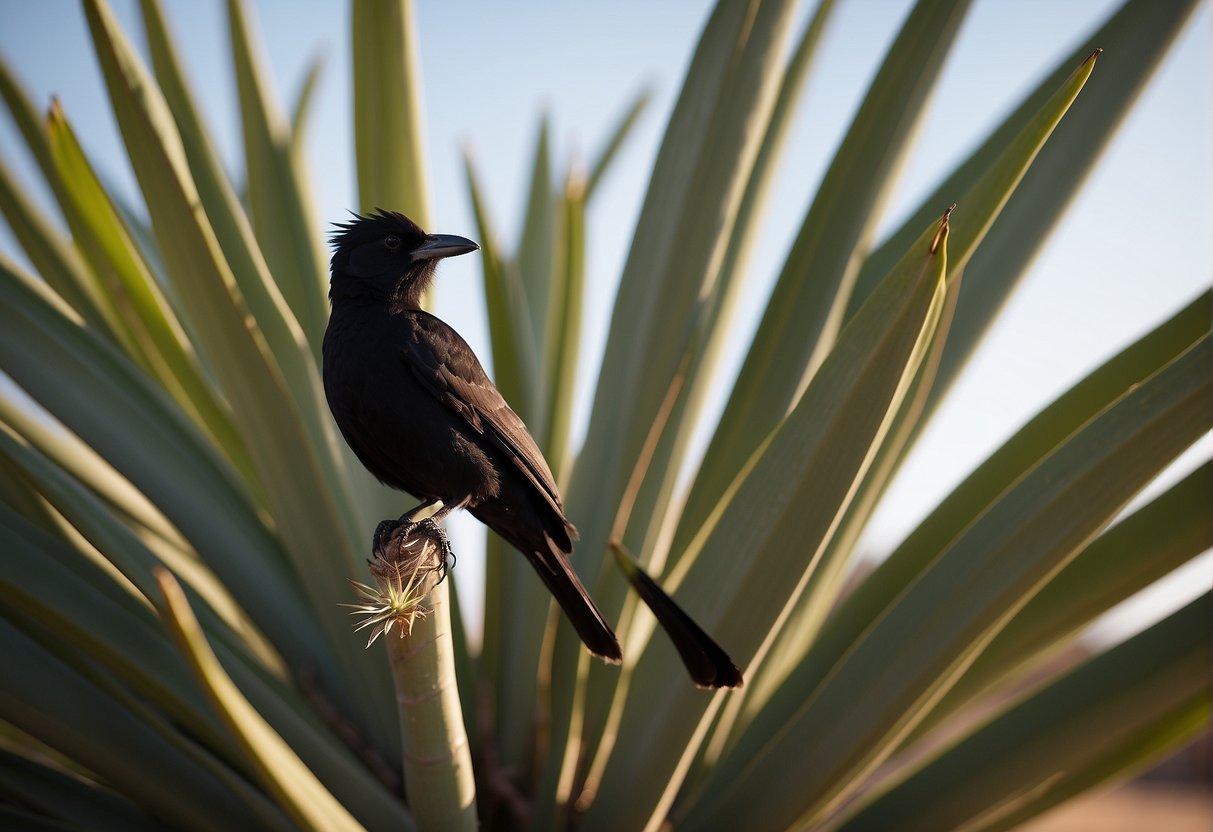
What is the Black Cap on Yucca Plants: Understanding Yucca Bloom Stalks
Should you have observed a yucca plant, it’s likely you’ve spotted an unusual, dark crown adorning its peak. This feature is an integral aspect of the yucca’s anatomy and fulfills a particular role. Within this piece, we will delve into the nature and significance of the yucca plant’s black cap.
Understanding the Black Cap on Yucca Plants
The black cap on yucca plants is actually a cluster of dead leaves that have accumulated over time. As the yucca plant grows, the lower leaves die off and form a protective layer over the top of the plant. This layer helps to insulate the plant from extreme temperatures and also provides a barrier against pests and other environmental stressors.
Cultivating and Maintaining Yucca Plants
If you’re interested in growing yucca plants, it’s important to understand how to properly care for them. Yuccas are relatively low-maintenance plants, but they do require some attention to thrive. Proper watering, fertilization, and pruning can help to ensure that your yucca plant stays healthy and vibrant. In the next section, we’ll explore some frequently asked questions about yucca plants and provide some tips for cultivating and maintaining them.
Key Takeaways
- The black cap on yucca plants is a cluster of dead leaves that accumulates over time.
- The black cap serves as a protective layer for the plant, insulating it from extreme temperatures and providing a barrier against pests and other environmental stressors.
- Proper care and maintenance are key to keeping your yucca plant healthy and vibrant.
Understanding the Black Cap on Yucca Plants
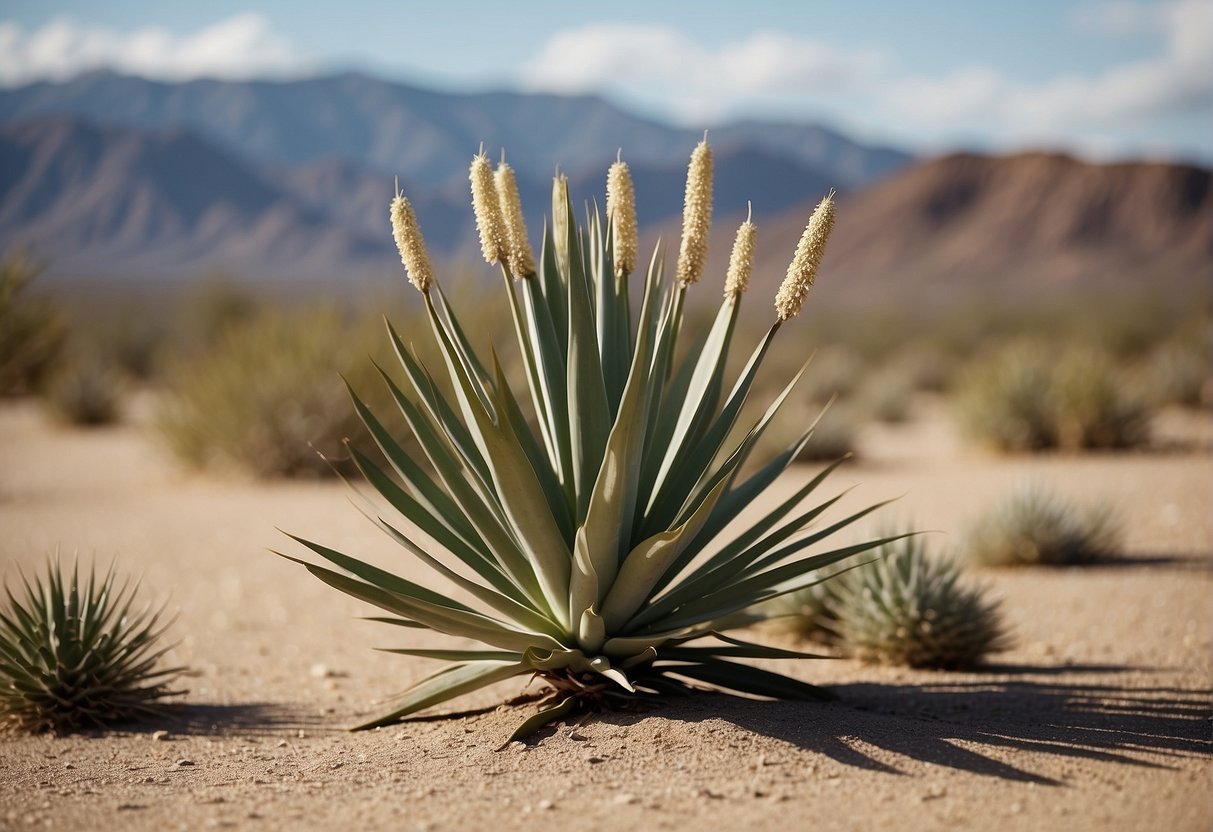
Yucca plants are a popular choice for indoor and outdoor gardening due to their low maintenance requirements and unique appearance. However, one issue that many yucca plant owners face is the development of black spots on the top of the plant, commonly referred to as the “black cap.” In this section, we will explore the common causes of this issue and provide tips for prevention and treatment.
Identifying Common Causes of Black Spots
The black cap on yucca plants can be caused by a variety of factors, including pest infestations, fungal infections, and overwatering. Scale insects, in particular, are a common pest that can cause black spots to form on the leaves of the plant. Fungal infections, such as those caused by bacteria or other fungi, can also lead to the development of black spots.
Overwatering is another common cause of black spots on yucca plants. When the soil is too moist, it can create an environment that is conducive to the growth of bacteria and fungi, which can lead to the development of black spots.
Prevention and Treatment of Pest Infestations
To prevent and treat pest infestations, it is important to regularly inspect your yucca plant for signs of scale insects or other pests. If you notice any signs of infestation, such as small bumps on the leaves or a sticky residue on the plant, you can use neem oil or other insecticides to treat the problem. It is important to follow the instructions on the label carefully to avoid damaging the plant.
Optimal Care for Healthy Yucca Plants
To prevent black spots from forming on your yucca plant, it is important to provide optimal care. This includes ensuring that the plant is not overwatered and that it receives the appropriate amount of sunlight and nutrients. If you suspect that your yucca plant has a fungal infection, you can use a copper fungicide or other fungicide to treat the issue.
In summary, the black cap on yucca plants can be caused by a variety of factors, including pest infestations, fungal infections, and overwatering. By regularly inspecting your plant and providing optimal care, you can prevent and treat this issue to keep your yucca plant healthy and thriving.
Cultivating and Maintaining Yucca Plants
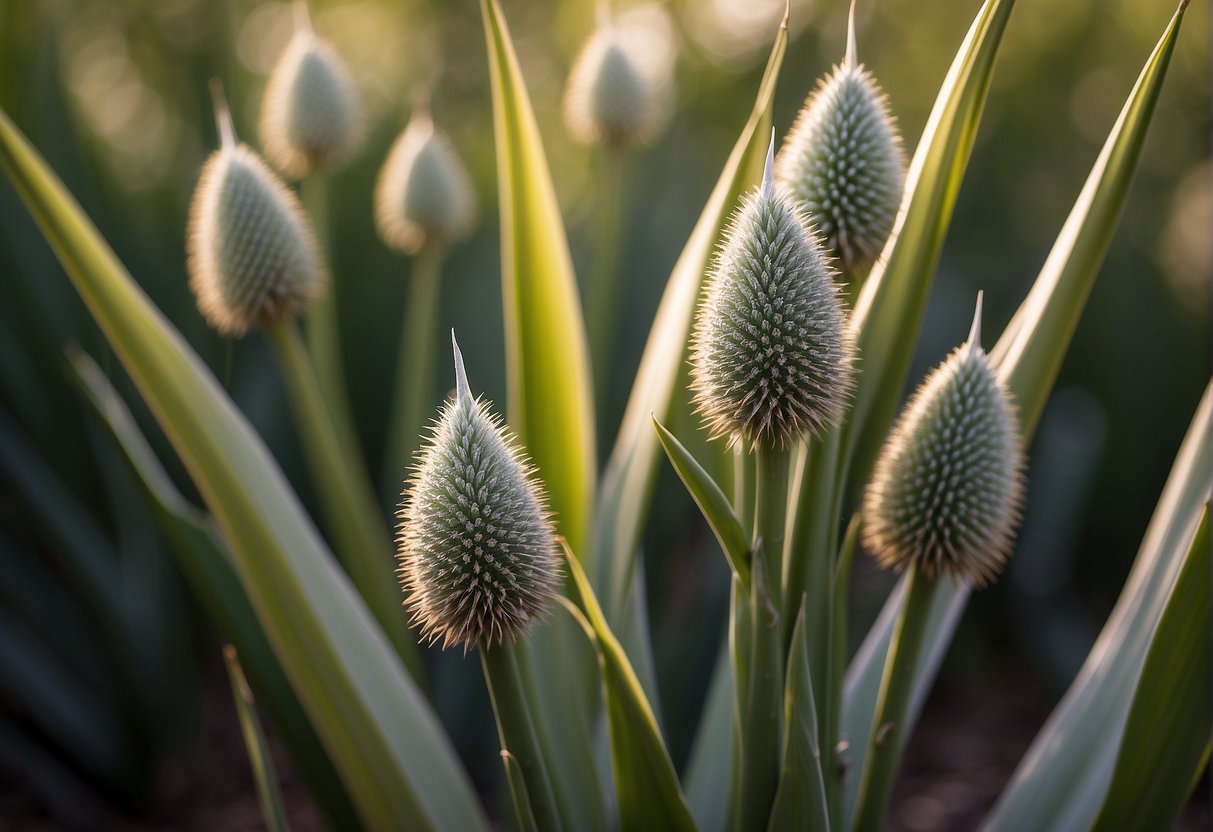
Yucca plants are a great addition to any garden or indoor plant collection. These plants are known for their hardiness and ability to survive in harsh conditions. If you’re looking to add a yucca plant to your collection, here are some tips on how to cultivate and maintain them.
Planting and Soil Requirements
When planting yucca plants, it’s important to choose a well-draining soil mix. Yucca plants prefer soil that is slightly acidic and well-draining, as they are susceptible to root rot if the soil is too moist. When planting, make sure to dig a hole that is slightly larger than the root ball and place the plant in the hole. Fill in the remaining space with the soil mix and water thoroughly.
Watering and Sunlight Needs
Yucca plants are drought-tolerant and prefer to be slightly dry between waterings. When watering, make sure to thoroughly saturate the soil and allow it to dry out before watering again. Yucca plants also thrive in full sun, so make sure to place them in an area that receives at least 6 hours of sunlight per day.
Pruning and Propagation Techniques
Pruning yucca plants is important to maintain their shape and prevent them from becoming too leggy. To prune, simply cut off any dead or damaged leaves at the base of the plant. If you’re looking to propagate your yucca plant, you can do so by taking stem cuttings and rooting them in a well-draining potting mix.
Overall, yucca plants are low-maintenance and easy to care for. With proper soil management, watering, and sunlight, you can enjoy your yucca plant for years to come.
Frequently Asked Questions
Why is there a waxy substance on my indoor yucca plant?
The waxy substance on your indoor yucca plant is a natural protective coating that helps the plant to retain moisture. This coating is called the “black cap” and is found on the tips of the leaves. It is more common in indoor plants as they are exposed to less wind and sun, which can cause the plant to produce more wax.
What causes black discharge on yucca plants?
Black discharge on yucca plants is caused by a fungal infection. This can be a result of overwatering or poor drainage, which can lead to root rot. It is important to ensure that your yucca plant is not sitting in water and that the soil is well-draining. If you notice black discharge on your yucca plant, it is best to remove the affected leaves and treat the plant with a fungicide.
How can I safely remove the wax from my yucca plant?
To safely remove the wax from your yucca plant, you can use a soft, damp cloth to gently wipe the leaves. Avoid using harsh chemicals or abrasive materials as these can damage the leaves. It is important to note that the wax is a natural protective coating and removing it may make the plant more susceptible to damage from pests and disease.
What care should be taken for a yucca plant after topping it?
After topping a yucca plant, it is important to keep the soil moist but not waterlogged. You should also avoid fertilizing the plant for a few weeks to allow it to recover. It is normal for the plant to go through a period of shock after being topped, but with proper care, it should recover and begin to produce new growth.
Why are the tips of my yucca plant turning black?
The tips of a yucca plant may turn black due to a variety of reasons, including overwatering, poor drainage, or pest infestation. It is important to ensure that your yucca plant is not sitting in water and that the soil is well-draining. You should also check for any signs of pest infestation and treat the plant accordingly.
What should I do if the top of my mass cane plant turns black?
If the top of your mass cane plant turns black, it is likely due to a fungal infection. You should remove the affected leaves and treat the plant with a fungicide. It is also important to ensure that the plant is not sitting in water and that the soil is well-draining. With proper care, your mass cane plant should recover and begin to produce new growth.

