
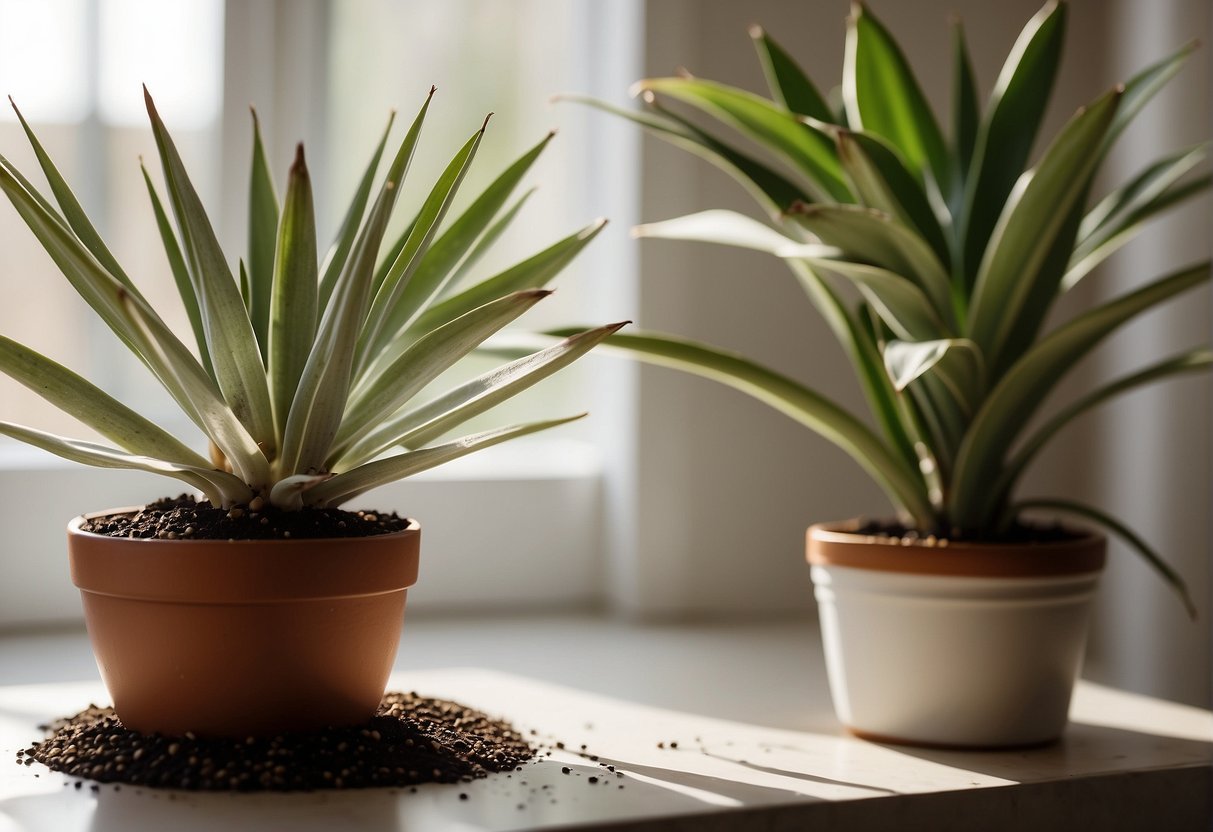
How to Care for Yucca Plants Indoors: A Comprehensive Guide
If you’re in search of an easy-to-care-for indoor plant, consider the yucca plant a top choice. These resilient plants are admired for their distinctive looks and their ability to endure with minimal attention. Yet, even the hardiest of plants require some fundamental care to remain healthy and flourishing. In this piece, we’ll explore everything you should know about maintaining yucca plants indoors, including crucial care tips, growth, and upkeep techniques.
Essential care for yucca plants includes providing them with the right amount of light, water, and nutrients. While yucca plants can tolerate low light, they prefer bright, indirect light and will grow best in a sunny window. When it comes to watering, it’s important to let the soil dry out completely between waterings to avoid overwatering and root rot. Yucca plants also benefit from occasional fertilization with a balanced houseplant fertilizer.
To keep your yucca plant looking its best, you’ll need to develop a maintenance strategy that works for you. This might include pruning away dead or damaged leaves, repotting the plant when it outgrows its container, and monitoring for pests or diseases. By following these simple guidelines, you can enjoy a beautiful and healthy yucca plant in your home for years to come.
Key Takeaways
- Yucca plants are a low-maintenance houseplant that can thrive indoors with the right care.
- Essential care for yucca plants includes providing them with bright, indirect light, allowing the soil to dry out between waterings, and occasional fertilization.
- To maintain your yucca plant, you may need to prune, repot, and monitor for pests or diseases.
Essential Care for Yucca Plants
Yucca plants are popular indoor plants that require minimal care and can add a touch of green to any space. To keep your yucca plants healthy and thriving, it’s important to follow some essential care guidelines.
Optimal Lighting Conditions
Yucca plants prefer bright, indirect light. Place your plant near a window that receives plenty of natural light, but avoid exposing it to direct sunlight for extended periods as this can scorch the leaves. If you don’t have a window that provides enough light, consider using artificial lighting to supplement the natural light.
Proper Watering Techniques
Yucca plants are drought-tolerant and can withstand periods of dryness, so it’s important not to overwater them. Allow the soil to dry out completely between waterings and make sure the pot has proper drainage to prevent water from accumulating in the soil. When watering, pour water slowly into the soil until it starts to drain out of the bottom of the pot.
Soil and Potting Requirements
Yucca plants prefer well-draining soil that is slightly acidic. Use a potting mix that contains perlite or sand to improve drainage and ensure that the soil doesn’t become waterlogged. Repot your yucca plant every two to three years to refresh the soil and provide more room for growth.
Temperature and Humidity Preferences
Yucca plants prefer warm temperatures between 60-80°F (15-27°C) and can tolerate low humidity levels. Avoid exposing your plant to cold drafts or temperatures below 50°F (10°C) as this can damage the leaves and slow down growth. If the air in your home is dry, consider using a humidifier to increase the humidity around your plant.
By following these essential care guidelines, you can ensure that your yucca plants stay healthy and green all year round. With minimal maintenance, yucca plants can be a great addition to any indoor space.
Growth and Maintenance Strategies
Propagation and Repotting
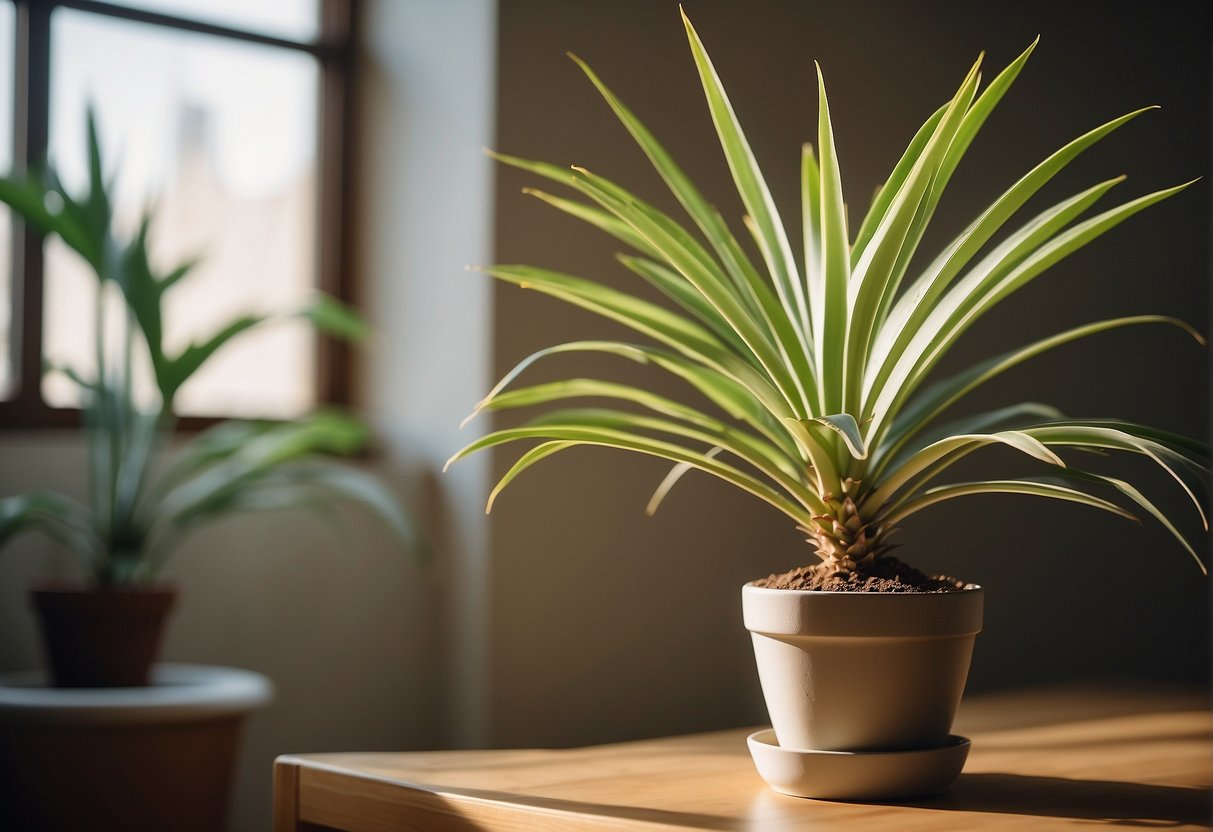
Yucca plants are relatively easy to propagate and repot. Propagation can be done by stem cuttings, offsets, or seed. To propagate using stem cuttings, take a cutting from the trunk or stem of the plant and allow it to dry for a few days. Then, plant the cutting in well-draining soil and keep it in bright light until it establishes roots. Repotting should be done every few years or when the plant outgrows its current pot. When repotting, choose a pot that is only slightly larger than the current pot and use a well-draining soil mix.
Pest and Disease Management
Yucca plants are generally hardy and drought-tolerant, but they can still be susceptible to pests and diseases. Mealybugs and scale insects are common pests that can be treated with insecticidal soap. Fungal diseases, such as root rot, can be prevented by ensuring the soil is well-draining and not over-watering the plant. If brown spots or tips appear on the leaves, it may be a sign of over-watering or too much direct sunlight.
Pruning and Cleaning
Yucca plants are slow-growing and do not require much pruning. However, if the plant becomes too tall or the lower leaves start to yellow and die off, pruning may be necessary. Use sharp, clean shears to remove any dead or dying leaves or stems. Yucca plants also have sharp points on their leaves, so be careful when handling the plant and wear gloves if necessary. To keep the plant looking its best, wipe down the leaves with a damp cloth to remove any dust or debris.
Overall, yucca plants are a great addition to any indoor space. With proper care and maintenance, these hardy shrubs can thrive for years to come.
Frequently Asked Questions
What are the best conditions for growing a yucca plant indoors?
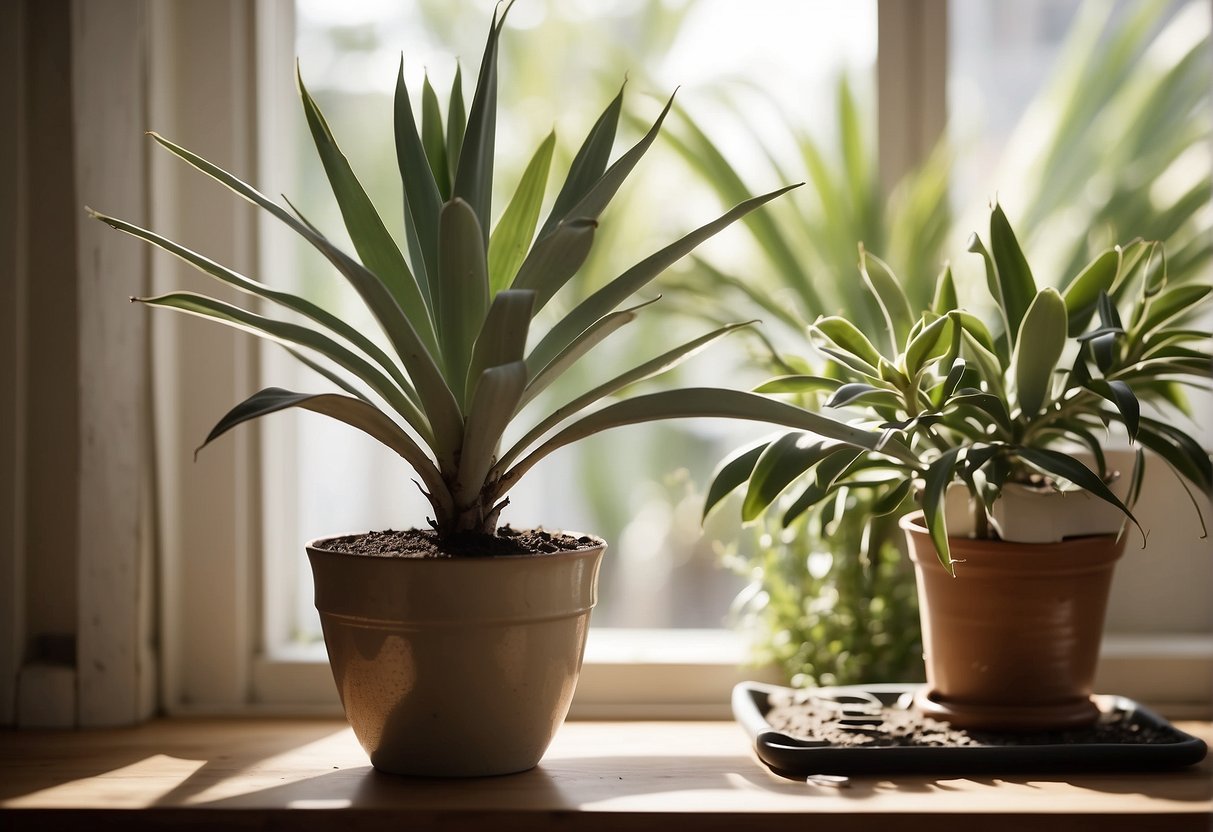
Yucca plants thrive in bright, indirect sunlight, so it’s best to place them near a window that receives plenty of light. They also prefer warm temperatures between 60-80°F (15-27°C) and low humidity levels. Yuccas can tolerate dry air, but they may benefit from occasional misting.
How often should I water an indoor yucca plant?
Yucca plants are drought-tolerant and prefer to be on the dry side, so it’s important not to overwater them. Allow the soil to dry out completely between waterings, which may take several weeks. In general, yuccas require less water during the winter months when they are dormant.
What are the common problems with indoor yucca plants and how can I address them?
The most common problems with indoor yucca plants are overwatering, pests, and root rot. To prevent overwatering, make sure the soil is dry before watering and avoid letting the plant sit in standing water. Pests such as spider mites and mealybugs can be treated with insecticidal soap or neem oil. Root rot can be prevented by ensuring proper drainage and using a well-draining soil mix.
How do I prune a yucca plant that is kept indoors?
Yucca plants don’t require regular pruning, but if you need to remove dead or damaged leaves, use sharp, clean shears to make a clean cut at the base of the leaf. Avoid cutting into the stem as this can damage the plant.
Are there any specific care instructions for yucca elephantipes when grown inside?
Yucca elephantipes, also known as spineless yucca, requires the same care as other yucca varieties. It prefers bright, indirect sunlight and well-draining soil. This plant can grow up to 30 feet (9 meters) tall, so it’s important to provide enough space for it to grow.
Can brown tips on yucca plants be prevented, and how should they be treated?
Brown tips on yucca plants are often caused by underwatering or low humidity. To prevent brown tips, make sure the soil is moist but not waterlogged and consider misting the plant occasionally. If you notice brown tips, trim them off with sharp, clean shears.

