
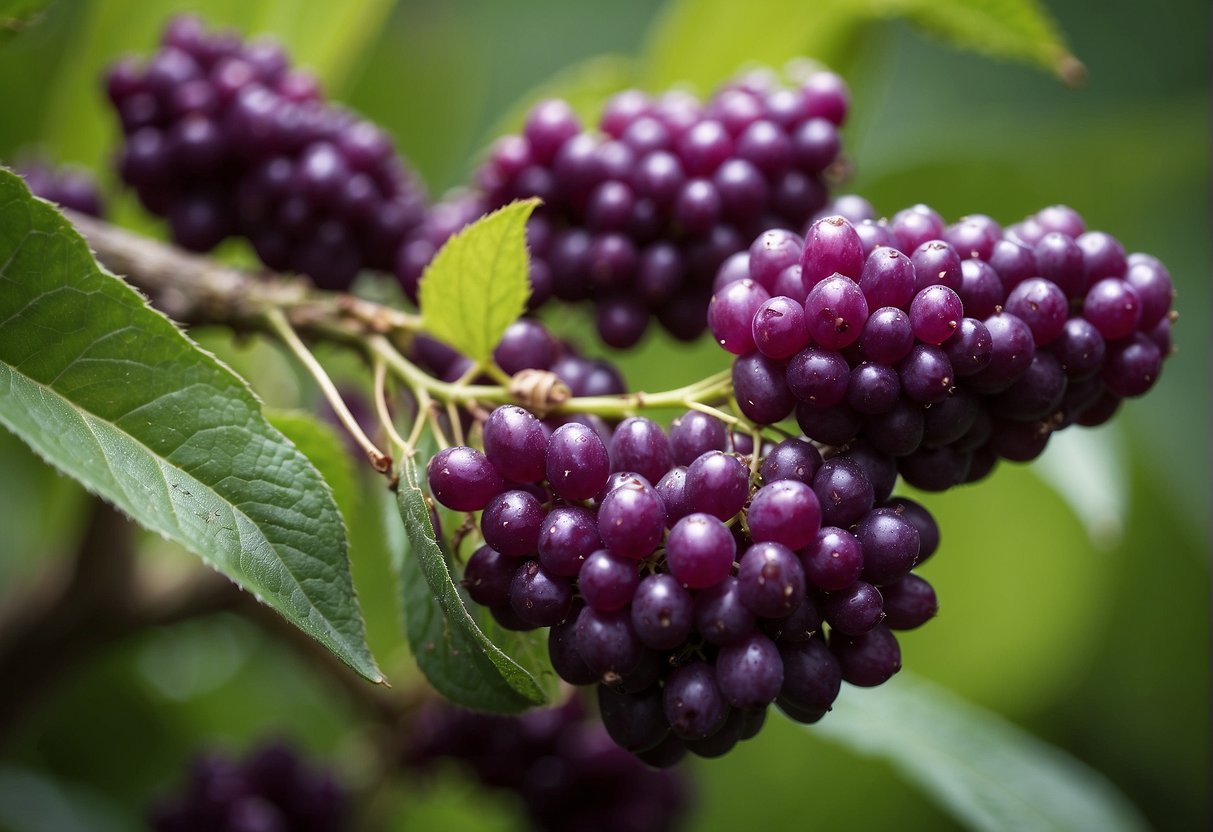
How to Harvest Beautyberry Seeds: A Clear Guide
If you have an appreciation for gardening and the allure of nature, you might be familiar with beautyberries. These brilliantly colored purple berries, flourishing on bushes in the Southern region, are renowned for their vivid hue and therapeutic benefits. For those looking to gather seeds from the beautyberry, it’s crucial to grasp the characteristics of the plant and the ideal conditions necessary for its cultivation. By employing proper methods, you can harvest and make use of these seeds in numerous ways.
Beautyberries are native to the Southeastern United States and have been used for centuries for their medicinal properties. They grow on deciduous shrubs that can reach up to 9 feet tall and 6 feet wide. The berries themselves are a bright purple color and grow in clusters along the branches. While the berries are not typically eaten raw, they can be used to make jams, jellies, and other culinary creations. Additionally, beautyberries are used in traditional medicine for their anti-inflammatory and antiviral properties.
To harvest beautyberry seeds, it’s important to wait until the berries are fully ripe and have turned a deep purple color. You can then remove the berries from the shrub and separate them from the stems. Once you have the berries, you can extract the seeds by crushing them and separating them from the pulp. These seeds can then be used for planting or other purposes. With a little patience and knowledge, you can enjoy the beauty and benefits of beautyberry seeds.
Key Takeaways
- Beautyberries are native to the Southeastern United States and have been used for centuries for their medicinal properties.
- To harvest beautyberry seeds, it’s important to wait until the berries are fully ripe and have turned a deep purple color.
- Beautyberry seeds can be extracted by crushing the berries and separating them from the pulp.
Understanding Beautyberry
Defining the Beautyberry Plant
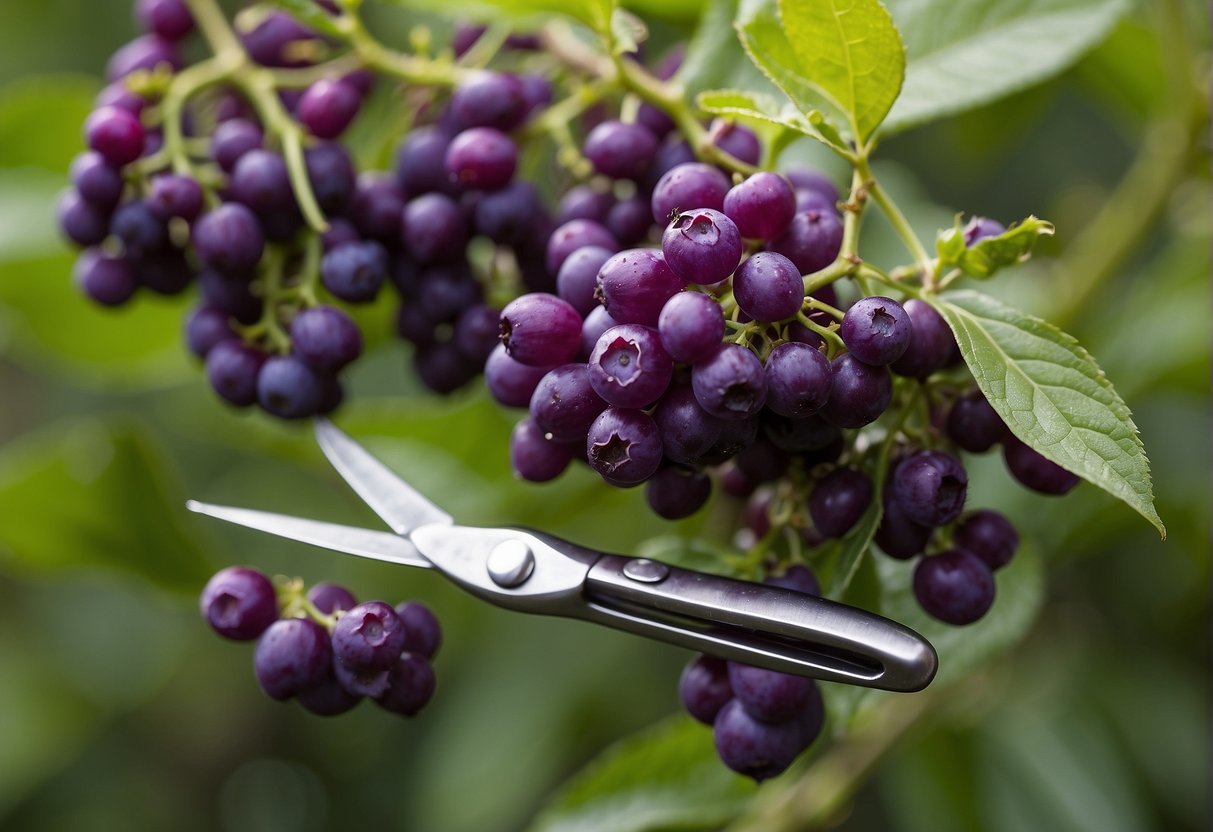
Beautyberry, also known as Callicarpa, is a deciduous shrub that is native to the southeastern United States. It is known for its strikingly vibrant purple berries that grow in clusters along the branches of the plant. The beautyberry plant typically grows to be about 3-5 feet tall and wide, and is often used as an ornamental plant in gardens and landscaping.
The American beautyberry, or Callicarpa americana, is the most common variety of beautyberry found in the United States. It is known for its bright purple berries, which are often used in traditional medicine for their potential anti-inflammatory and antiviral properties.
The Japanese beautyberry, or Callicarpa japonica, is another popular variety of beautyberry. It is native to Japan and Korea, and is known for its smaller, more delicate berries that are a lighter shade of purple.
Beautyberry Varieties
There are many different varieties of beautyberry, each with their own unique characteristics. Some of the most popular varieties include:
-
Callicarpa americana: The American beautyberry is the most common variety found in the United States. It is known for its bright purple berries and is often used in traditional medicine.
-
Callicarpa japonica: The Japanese beautyberry is native to Japan and Korea, and is known for its smaller, more delicate berries.
-
French Mulberry: The French Mulberry, or Callicarpa dichotoma, is a variety of beautyberry that is native to China. It is known for its dark purple berries and is often used in traditional medicine.
When harvesting beautyberry seeds, it is important to know which variety you are working with in order to ensure that you are collecting the correct seeds.
Optimal Conditions for Beautyberry Growth
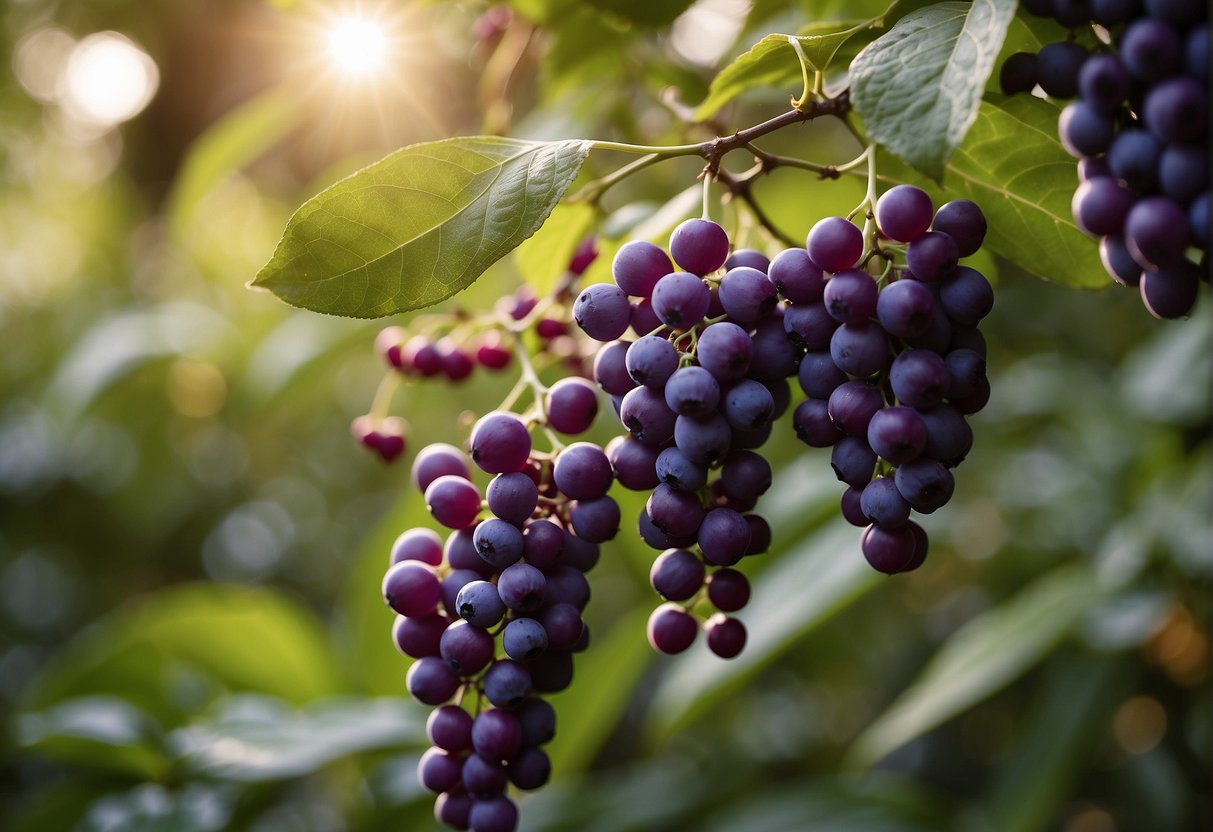
If you’re planning to grow beautyberry, it’s important to know the optimal conditions for its growth. Here are some key factors to consider:
Soil Requirements
Beautyberry thrives in well-drained soil with a pH range of 5.5 to 6.5. The soil should be moist but not waterlogged. If your soil is heavy clay, amend it with organic matter such as compost or peat moss to improve drainage and aeration.
Climate and Hardiness Zones
Beautyberry is native to the southeastern United States and is well-suited to warm, humid climates. It is hardy in USDA zones 6 through 10, but can also be grown in cooler climates as long as it is protected from frost.
Sunlight and Watering Needs
Beautyberry prefers full sun, but can tolerate partial shade. It requires regular watering, especially during periods of drought. Be sure to water deeply and avoid getting the leaves wet, as this can lead to fungal diseases.
In summary, beautyberry requires well-drained soil, warm and humid climate, and regular watering. By providing these optimal conditions, you can ensure a healthy and thriving beautyberry plant.
Propagation Techniques
If you want to propagate beautyberry plants, you have two primary options: growing from seeds or cutting and transplanting. Both methods can be successful, but they require different techniques.
Growing from Seeds
If you choose to grow beautyberry from seeds, you’ll need to collect the seeds from mature berries in the fall. The berries should be deep purple and plump. Once you have the seeds, you can plant them in seedling trays filled with damp potting soil. Cover the seeds lightly with soil and keep them moist.
The seeds will need to be kept in a warm, sunny location. A greenhouse is an excellent option, but a sunny windowsill can also work. After a few weeks, you should see new growth. Once the seedlings have developed two or three sets of leaves, you can transplant them into larger pots or directly into the ground.
Cutting and Transplanting
If you prefer to use cuttings to propagate your beautyberry plants, you’ll need to take softwood cuttings in the spring or early summer. Look for new growth that is still green and supple. Cut the stem at a 45-degree angle and dip the cut end into rooting hormone.
Once you have your cuttings, you can plant them in a pot filled with damp potting soil. Cover the pot with a clear plastic bag to create a mini greenhouse. Keep the soil moist and the pot in a warm, sunny location. After a few weeks, you should see new growth.
Once the cuttings have developed roots, you can transplant them into larger pots or directly into the ground. Be sure to keep the soil moist and protect the young plants from direct sunlight until they are established.
Harvesting Beautyberry Seeds
If you want to grow beautyberry plants in your garden, you’ll need to harvest the seeds from ripe berries in the fall. Here’s how to do it:
Identifying Ripe Berries
Beautyberry berries are usually ripe and ready for harvest in the fall, around September or October. You can tell they’re ready when they turn a bright, vibrant purple color. The berries should be plump and firm, not shriveled or soft.
Collecting and Cleaning Seeds
To harvest the seeds, simply pluck the ripe berries from the plant and place them in a plastic bag. Use your fingers to gently crush the berries and separate the seeds from the pulp. You can also use a sieve or strainer to remove the pulp.
Once you’ve separated the seeds from the pulp, rinse them thoroughly with cool, running water to remove any remaining debris. Spread the seeds out on a paper towel to dry for a few days.
Storing Seeds for Planting
Once the seeds are dry, you can store them in a cool, dry place until you’re ready to plant them. Many gardeners recommend storing beautyberry seeds in a plastic bag in the refrigerator, as this will help keep them cool and moist.
When you’re ready to plant the seeds, simply scatter them on top of moist soil and cover them with a thin layer of soil. Keep the soil moist and warm, and the seeds should germinate within a few weeks.
By following these simple steps, you can easily harvest and store beautyberry seeds for planting in your own garden.
Caring for Beautyberry Plants
If you want to grow healthy and vibrant beautyberry plants, it is important to provide them with proper care and maintenance. Here are some tips on how to care for your beautyberry plants:
Pruning and Maintenance
Pruning is an important aspect of maintaining a healthy beautyberry shrub. It is recommended to prune your beautyberry plant in late winter or early spring before new growth begins. This will help to promote new growth and maintain the shape and size of the shrub. You can remove any dead or diseased branches, as well as any branches that are crossing or rubbing against each other.
In addition to pruning, it is important to provide regular maintenance for your beautyberry plant. This includes regular watering, mulching, and fertilization. You can also add organic matter such as compost to the soil to improve its health and fertility.
Pest and Disease Management
Beautyberry plants are generally resistant to pests and diseases, but they can still be affected by certain issues such as leaf spot. To prevent these problems, it is important to keep your beautyberry plant healthy and well-maintained. You can also use organic pest control methods such as neem oil or insecticidal soap to manage any pest problems that may arise.
Fertilization and Soil Health
Beautyberry plants require regular fertilization to maintain their health and vitality. You can use a balanced fertilizer in the spring and summer months to provide your plants with the nutrients they need. It is also important to maintain healthy soil by adding organic matter such as compost or mulch. This will help to improve soil fertility and promote healthy root growth.
By following these tips for caring for your beautyberry plants, you can ensure that they remain healthy and vibrant for years to come. With proper maintenance and care, your beautyberry shrub will provide you with beautiful foliage and berries that will add color and interest to your garden.
Beautyberry in the Ecosystem
Beautyberry (Callicarpa americana) is a native shrub that grows in the southeastern United States. It is known for its bright purple berries that grow in clusters along the stems. While the berries are often used in landscaping, beautyberry also plays an important role in the ecosystem.
Wildlife Interactions
Beautyberry is an important source of food for many species of birds and wildlife. The berries are high in fat and protein, making them an ideal food source for animals preparing for winter. In addition, the dense clusters of berries provide cover and shelter for birds and other small animals.
Use in Landscaping
Beautyberry is a popular choice for landscaping due to its attractive purple berries and easy maintenance. However, it is important to note that beautyberry is not pest resistant and may require additional care to prevent damage from insects and diseases.
When planting beautyberry in your landscape, it is important to consider its role in the ecosystem. By choosing native plants like beautyberry, you can help support local wildlife populations and promote biodiversity in your area.
Overall, beautyberry is a valuable addition to any landscape and plays an important role in the ecosystem. Whether you are looking to attract birds and butterflies or simply enjoy the beauty of its purple berries, beautyberry is a great choice for your garden.
Harvesting and Utilizing Beautyberries
If you’re interested in harvesting beautyberry seeds, you’re in luck! Beautyberries are easy to grow and maintain, and their purple berries are not only beautiful but also have several practical uses.
Edible Uses of Beautyberries
While beautyberries are not commonly eaten raw, they can be used to make delicious jelly. To make beautyberry jelly, you’ll need to collect about 4 cups of ripe beautyberries. Rinse the berries and place them in a pot with enough water to cover them. Bring the water to a boil, then reduce the heat and let the berries simmer for about 20 minutes.
After the berries have simmered, strain them through a fine mesh strainer or cheesecloth to remove any seeds or skins. Then, measure the juice you’ve collected and add an equal amount of sugar. Bring the mixture to a boil and let it cook until it reaches the jelling point, which is usually around 220°F.
Beautyberry as a Natural Repellent
Beautyberries have also been found to have natural mosquito-repelling properties. To use beautyberries as a natural mosquito repellent, crush a handful of leaves and rub them onto your skin. You can also boil the leaves and use the resulting water as a spray.
While beautyberries are not a foolproof mosquito repellent, they can be a useful addition to your arsenal of natural bug repellents. Plus, they smell great and are a natural alternative to chemical-laden bug sprays.
In conclusion, beautyberries are a versatile and useful plant to have in your garden. Whether you’re using them to make jelly or as a natural mosquito repellent, the purple berries are sure to brighten up your yard and provide practical benefits.
Frequently Asked Questions
When is the best time to harvest beautyberry seeds for optimal germination?
The best time to harvest beautyberry seeds is in the fall when the berries turn a bright, vibrant purple. This is when the seeds are fully mature and ready to be collected.
What is the correct method to collect seeds from a beautyberry plant?
To collect beautyberry seeds, simply pick the berries off the plant and remove the seeds from the fruit. It is important to wear gloves when handling the berries, as they can stain your hands. Once you have removed the seeds, clean them thoroughly and dry them in a cool, dry place.
Do beautyberry seeds require any special treatment before planting?
Beautyberry seeds do not require any special treatment before planting. However, it is recommended to soak the seeds in water for 24 hours before planting to help with germination.
How long does it take for beautyberry seeds to germinate after planting?
Beautyberry seeds usually take 2-4 weeks to germinate after planting. However, it is important to note that germination can be slow and sporadic, so be patient.
Can you grow beautyberry successfully from seeds in colder climates?
Yes, beautyberry can be grown successfully from seeds in colder climates. However, it is important to start the seeds indoors and transplant them outside once the weather warms up.
How do you differentiate between ripe and unripe beautyberry seeds?
Ripe beautyberry seeds are a dark brown color and feel hard to the touch. Unripe seeds are light brown or tan in color and feel soft or mushy. It is important to only collect seeds that are fully ripe to ensure successful germination.

