
How Many Nuclear Power Plants Are Currently Stored in Yucca Mountain?
Should you find yourself interested in nuclear power facilities across the United States, Yucca Mountain might ring a bell. Nestled in Nevada, this location was pinpointed during the 1980s as a prospective site for storing nuclear waste. The discussion regarding the utilization of Yucca Mountain for this purpose has been persistent ever since.
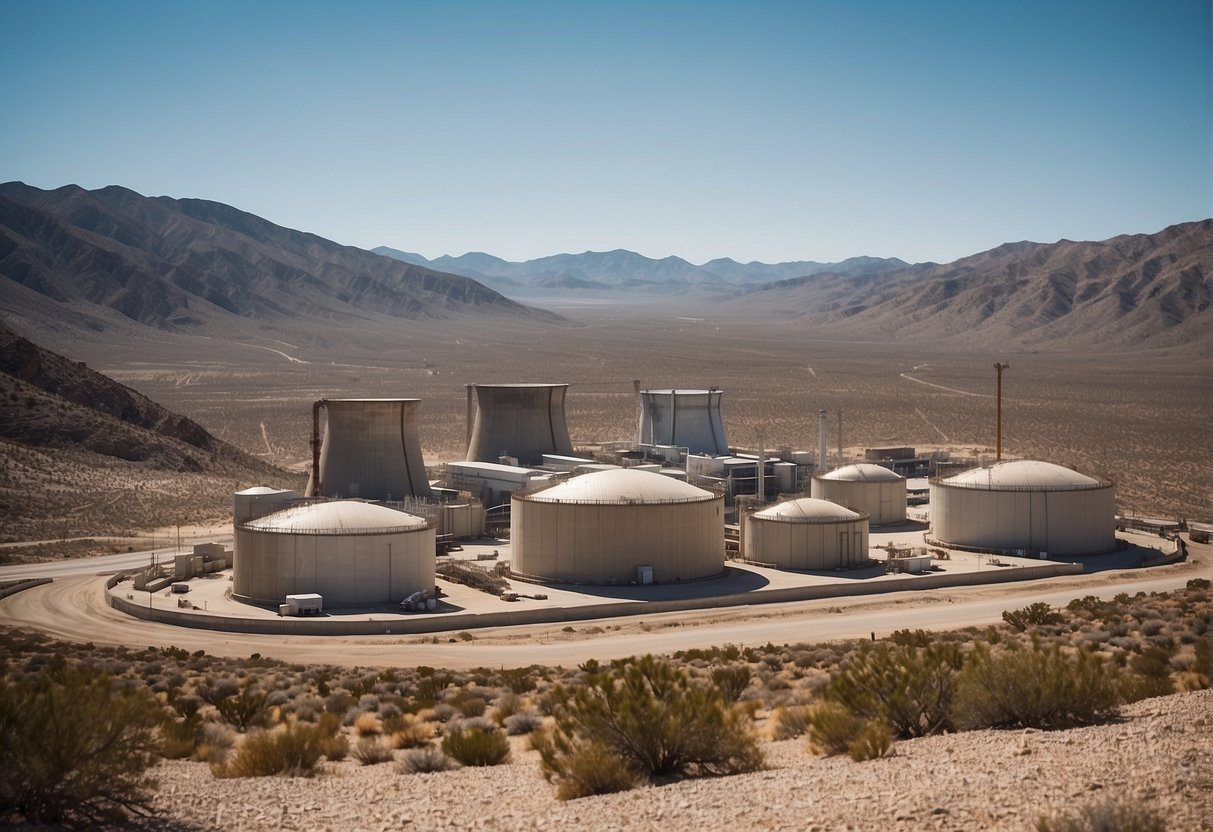
So, how many nuclear power plants are actually located at Yucca Mountain? The answer is none. While Yucca Mountain has been proposed as a site for storing nuclear waste, it is not a location for nuclear power generation. Instead, the mountain is being considered as a potential location for a long-term storage facility for spent nuclear fuel and other radioactive waste.
Key Takeaways
- Yucca Mountain is not a location for nuclear power generation, but rather a proposed site for storing nuclear waste.
- The debate over whether to use Yucca Mountain as a nuclear waste repository has been ongoing since the 1980s.
- While Yucca Mountain has not yet been used as a nuclear waste storage site, it remains a topic of discussion for the future of nuclear waste management in the United States.
Yucca Mountain Nuclear Repository Overview
Yucca Mountain is a geological formation located in Nevada, USA. It was designated by the US Department of Energy (DOE) as a potential site for a deep geological repository for spent nuclear fuel and high-level radioactive waste. The repository was intended to provide a long-term solution for the disposal of nuclear waste.
Historical Development
The idea of a geologic repository for nuclear waste was first proposed in the 1950s. Yucca Mountain was identified as a potential site in the 1980s, and the DOE began studying the site in the 1990s. In 2002, President George W. Bush signed the Nuclear Waste Policy Act, which designated Yucca Mountain as the site for the nation’s first permanent geologic repository for nuclear waste.
Geological Characteristics
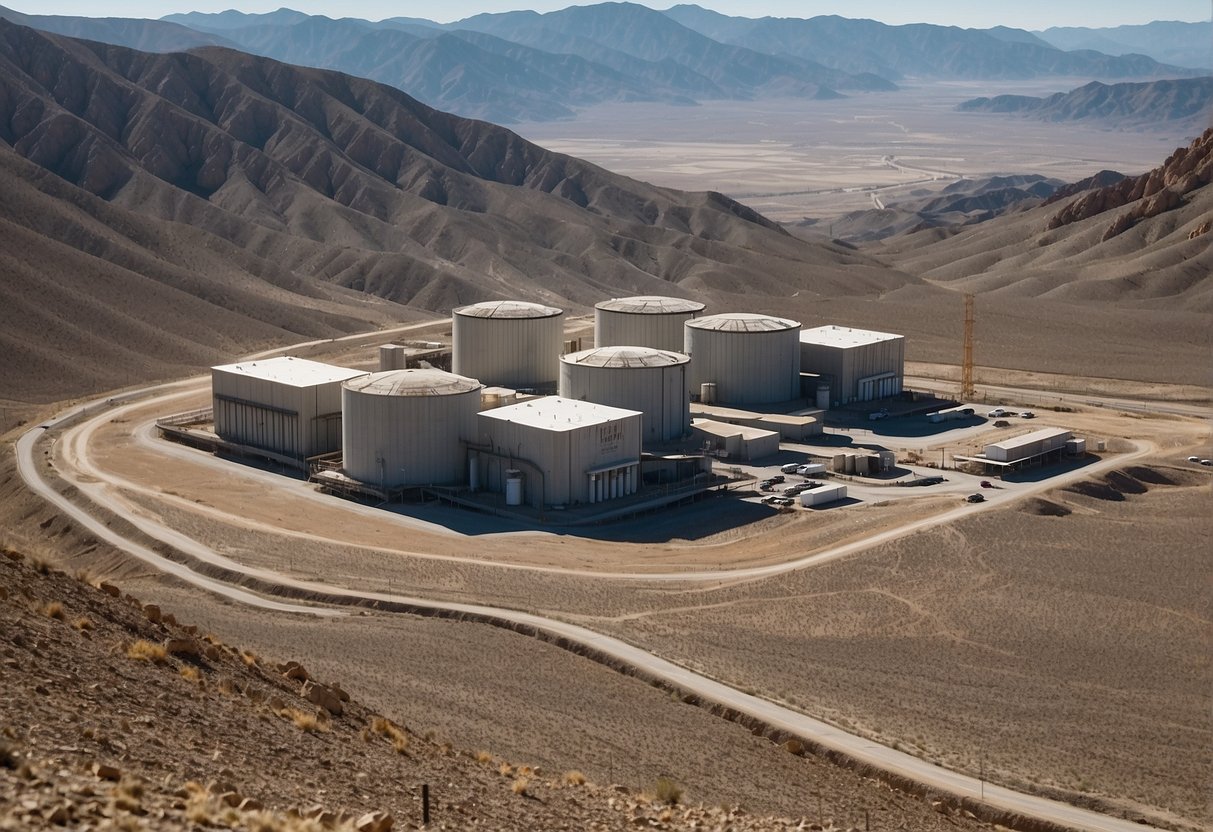
Yucca Mountain is located in a remote desert area of Nevada. The site is characterized by a thick layer of volcanic tuff, which is a type of rock formed from volcanic ash. The tuff is believed to be geologically stable and impermeable, which would help prevent the release of radioactive material into the environment.
Legislation and Regulation
The Nuclear Regulatory Commission (NRC) is responsible for regulating the design and construction of the repository. The NRC has issued numerous regulations and guidelines to ensure that the repository is safe and secure. The DOE is responsible for managing the repository and ensuring that it meets all regulatory requirements.
The Yucca Mountain repository has been the subject of controversy and legal challenges. Opponents of the repository have raised concerns about the potential for groundwater contamination and the safety of transporting nuclear waste to the site. Despite these challenges, the DOE has continued to work towards opening the repository.
Overall, Yucca Mountain remains a topic of debate and controversy in the US. While some see it as a necessary solution for the disposal of nuclear waste, others argue that it poses too great a risk to the environment and public health.
Impact on Environment and Public Health
Environmental Concerns
The potential environmental impact of nuclear power plants is a major concern for many people. Yucca Mountain has been proposed as a site for the storage of nuclear waste, which has raised concerns about the potential impact on the environment.
One of the main concerns is the potential for radiation leaks. If a leak were to occur, it could contaminate the surrounding environment and harm wildlife. Additionally, the storage of nuclear waste could also impact the temperature of the surrounding area, which could have a negative impact on local ecosystems.
Another concern is the potential impact on groundwater. The storage of nuclear waste could potentially contaminate groundwater, which could have a negative impact on local communities that rely on this water source.
Human Health Risks
The potential health risks associated with nuclear power plants are a major concern for many people. Yucca Mountain has been proposed as a site for the storage of nuclear waste, which has raised concerns about the potential impact on public health.
One of the main concerns is the potential for radiation exposure. If a leak were to occur, it could expose local communities to harmful levels of radiation, which could lead to health problems such as cancer.
Additionally, the storage of nuclear waste could also impact the quality of air and water in the surrounding area, which could have a negative impact on public health. This could be particularly concerning for vulnerable populations such as children and the elderly.
Overall, the potential impact of nuclear power plants on the environment and public health is a major concern. It is important that all potential risks are carefully considered and addressed to ensure the safety of both the environment and local communities.
Political and Legal Challenges
State and Federal Government Stance
Yucca Mountain has been a controversial issue for both state and federal governments. The State of Nevada has been actively opposing the construction of a nuclear waste repository at Yucca Mountain since the 1980s. The state government argues that the site is not geologically stable enough to store nuclear waste safely and that the transportation of nuclear waste to the site would pose a significant risk to public safety.
On the other hand, the federal government has been pushing for the construction of the repository for decades. The government argues that Yucca Mountain is the only viable option for the long-term storage of high-level nuclear waste in the United States.
Legal Proceedings
The legal battle over Yucca Mountain has been ongoing for years. In 2010, the Obama administration terminated the Yucca Mountain project, citing concerns over safety and environmental impact. However, in 2013, a U.S. Court of Appeals ruled that the Nuclear Regulatory Commission (NRC) must continue to review the license application for the repository.
Since then, there have been multiple legal challenges from both sides. The State of Nevada has filed lawsuits against the federal government, arguing that the NRC’s review process is flawed and that the repository would pose a significant risk to public safety. Members of Congress have also introduced legislation to revive the Yucca Mountain project, but these efforts have been met with opposition from the state government and environmental groups.
In conclusion, the political and legal challenges surrounding Yucca Mountain continue to be a contentious issue. The State of Nevada and the federal government remain at odds over the safety and viability of the repository, and the legal battle over the project is likely to continue for years to come.
Future of Nuclear Waste Management
As the debate over the Yucca Mountain waste repository continues, it’s important to consider the future of nuclear waste management. There are a variety of alternative solutions being proposed, and industry and community perspectives must be taken into account.
Alternative Solutions
One potential solution is the use of reprocessing technology, which would allow for the reuse of spent nuclear fuel. This technology is already being used in countries like France, but it has faced opposition in the United States due to concerns over national security and the potential for nuclear proliferation.
Another option is the use of deep borehole disposal, which involves drilling deep holes in the ground and placing nuclear waste in them. This method has been proposed as a potential alternative to Yucca Mountain, but it has faced opposition from some environmental groups.
Industry and Community Perspectives
The nuclear industry has long argued that nuclear power is a safe and reliable source of energy, and that waste can be safely stored and disposed of. However, some members of the community have expressed concerns over the potential risks associated with nuclear waste disposal.
The politics of nuclear waste disposal are also complex, with different stakeholders holding different views on the issue. Some believe that Yucca Mountain is the best solution, while others argue that alternative solutions should be pursued.
Ultimately, the future of nuclear waste management will depend on a variety of factors, including national security concerns, community perspectives, and the politics of the issue. As the debate continues, it’s important to consider all options and work towards a solution that is safe, reliable, and sustainable for future generations.
Frequently Asked Questions
What is the history of Yucca Mountain’s nuclear waste storage project?
Yucca Mountain, located in Nevada, was designated as the site for the United States’ first permanent nuclear waste repository in 1987. The project was intended to provide a long-term solution for the disposal of spent nuclear fuel and high-level radioactive waste generated by nuclear power plants and other sources.
What led to the closure of the Yucca Mountain facility?
The Yucca Mountain project faced opposition from various groups, including environmental organizations, Native American tribes, and the state of Nevada. In 2010, the Obama administration terminated the project, citing concerns over safety and environmental impact.
How much nuclear waste was planned to be stored at Yucca Mountain?
The Yucca Mountain project was designed to hold up to 77,000 metric tons of spent nuclear fuel and high-level radioactive waste. As of 2024, there are currently over 80,000 metric tons of nuclear waste stored at various sites across the United States.
What are the primary safety concerns associated with Yucca Mountain?
One of the main safety concerns associated with Yucca Mountain is the potential for groundwater contamination. Critics argue that the site is located near several major aquifers and that the repository could leak radioactive waste into the surrounding environment.
What is the current status of the Yucca Mountain nuclear waste repository?
As of 2024, the Yucca Mountain repository remains closed and the project has been effectively abandoned. However, there are ongoing discussions and debates about the need for a permanent nuclear waste repository in the United States.
What alternatives to Yucca Mountain are being considered for nuclear waste disposal?
Several alternatives to Yucca Mountain are currently being considered for nuclear waste disposal, including deep borehole disposal, consolidated interim storage, and reprocessing. Each of these options has its own advantages and disadvantages, and the debate over the best approach to nuclear waste disposal is ongoing.

