
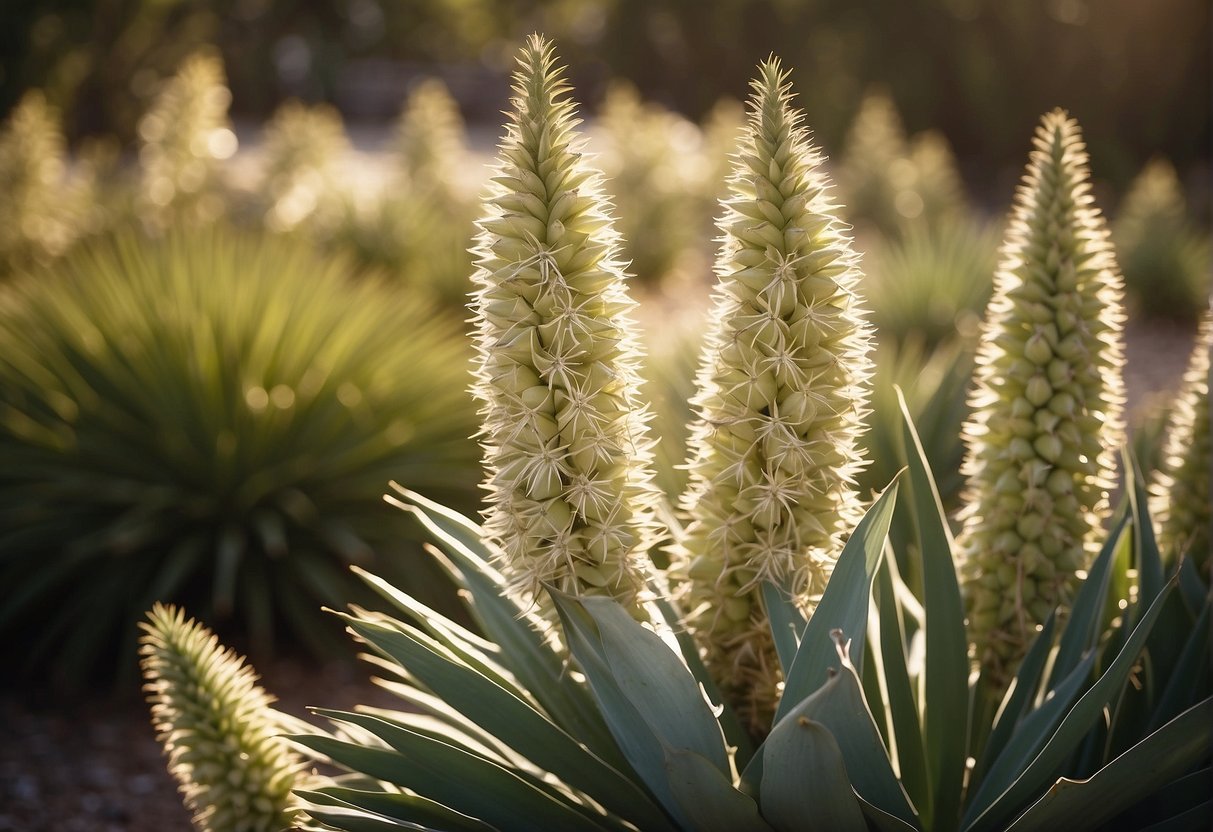
Why Did My Yucca Plants Die?
As a plant enthusiast, maintaining the health and vigor of your botanical buddies is always a top priority. Yucca plants have become a favorite among those who garden indoors or outdoors, thanks to their distinctive appearance and straightforward maintenance needs. Nonetheless, it’s not uncommon for even the most attentively nurtured plants to begin displaying trouble signs. If you’re puzzled by issues with your yucca plants and wondering “why did my yucca plants…”, continue reading to discover insights on how to sustain the health and wellbeing of your yucca plants.
Understanding Yucca Plant Health is key to keeping your plants looking their best. Yucca plants are known for their hardiness, but they can still be susceptible to certain issues. From overwatering to pest infestations, there are a variety of factors that can impact the health of your yucca plants. By learning more about common problems and solutions, you can take steps to keep your plants healthy and thriving.
Key Takeaways:
- Yucca plants are a popular choice for both indoor and outdoor gardening.
- Understanding Yucca Plant Health is key to keeping your plants looking their best.
- By learning more about common problems and solutions, you can take steps to keep your plants healthy and thriving.
Understanding Yucca Plant Health
Watering and Drainage
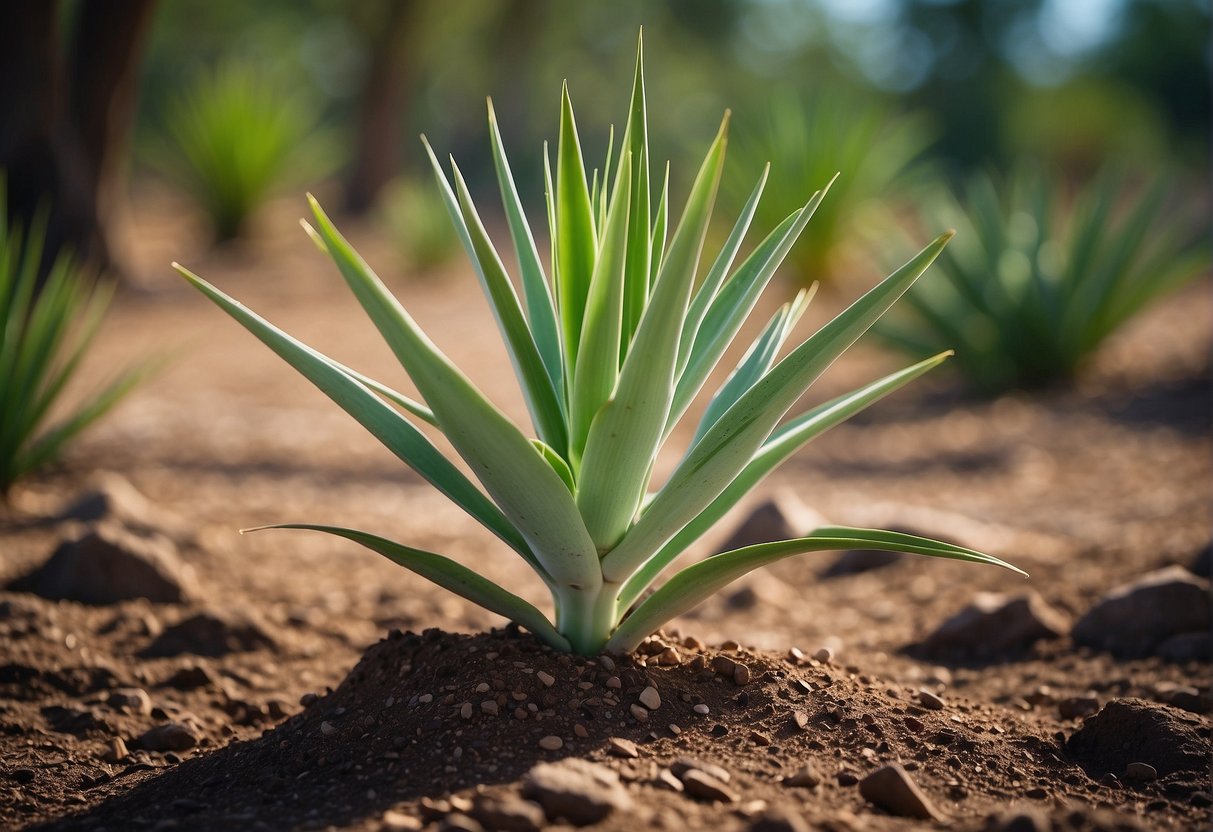
Proper watering and drainage are crucial for the health of your yucca plant. Overwatering can lead to root rot, which is a common problem for yucca plants. On the other hand, underwatering can cause the plant to become dehydrated and die. To avoid overwatering, make sure the soil is well-drained and allow the top inch of soil to dry out before watering again. If you notice signs of root rot, such as yellowing leaves or a foul smell, you may need to repot the plant in fresh soil.
Sunlight and Temperature
Yucca plants thrive in direct sunlight, but they can also tolerate partial shade. However, too much direct sunlight can cause sunburn and heat stress, while low light can lead to drought and temperature stress. To ensure your yucca plant gets the right amount of sunlight, place it in a location that receives bright, indirect light for most of the day. You should also avoid placing the plant near a window that gets direct sunlight for extended periods.
Soil and Nutrient Management
Yucca plants prefer well-drained soil that is slightly acidic to neutral. Fertilization is also important for the health of your yucca plant, but overfertilization can cause problems. Too much fertilizer, especially those high in phosphorus, can lead to nutrient burn and damage the roots. It’s best to use a balanced fertilizer with a higher nitrogen content, and only fertilize once a month during the growing season.
Common Problems and Solutions
Pests and Diseases
Yucca plants are susceptible to a variety of pests and diseases. Some common pests that can affect your yucca plant include aphids, scale, mealybugs, and spider mites. These pests can weaken your plant and cause it to wilt or drop leaves. To prevent these pests, it is important to keep your plant healthy and stress-free. Regularly inspect your plant for signs of infestation and treat it with an appropriate insecticide if necessary.
Fungal diseases can also affect your yucca plant, causing yellowing or wilting leaves, slow growth, and poor flower production. To prevent fungal diseases, make sure your plant is not overwatered and has good air circulation. If your plant does develop a fungal disease, prune off any affected leaves or stalks and treat it with a fungicide.
Physical Damage and Stress
Improper care, repotting, replanting, or transplant shock can all cause physical damage and stress to your yucca plant. This can lead to yellowing or drooping leaves, slow growth, and even death. To prevent physical damage and stress, make sure to handle your plant gently and avoid overwatering or underwatering it. When repotting or replanting, make sure to use a well-draining soil and provide your plant with plenty of light and water.
Growth and Development Issues
If your yucca plant is not growing or developing properly, it could be due to a variety of issues. Slow growth can be caused by a lack of nutrients or light, while wilting leaves can be a sign of overwatering or underwatering. To promote healthy growth and development, make sure your plant is getting enough light and water, and fertilize it regularly with a balanced fertilizer. Pruning your plant can also help encourage new growth and flower production. Use sharp scissors or pruning shears to trim back any dead or damaged leaves or stalks.
Frequently Asked Questions
Why is my outdoor Yucca plant dying?
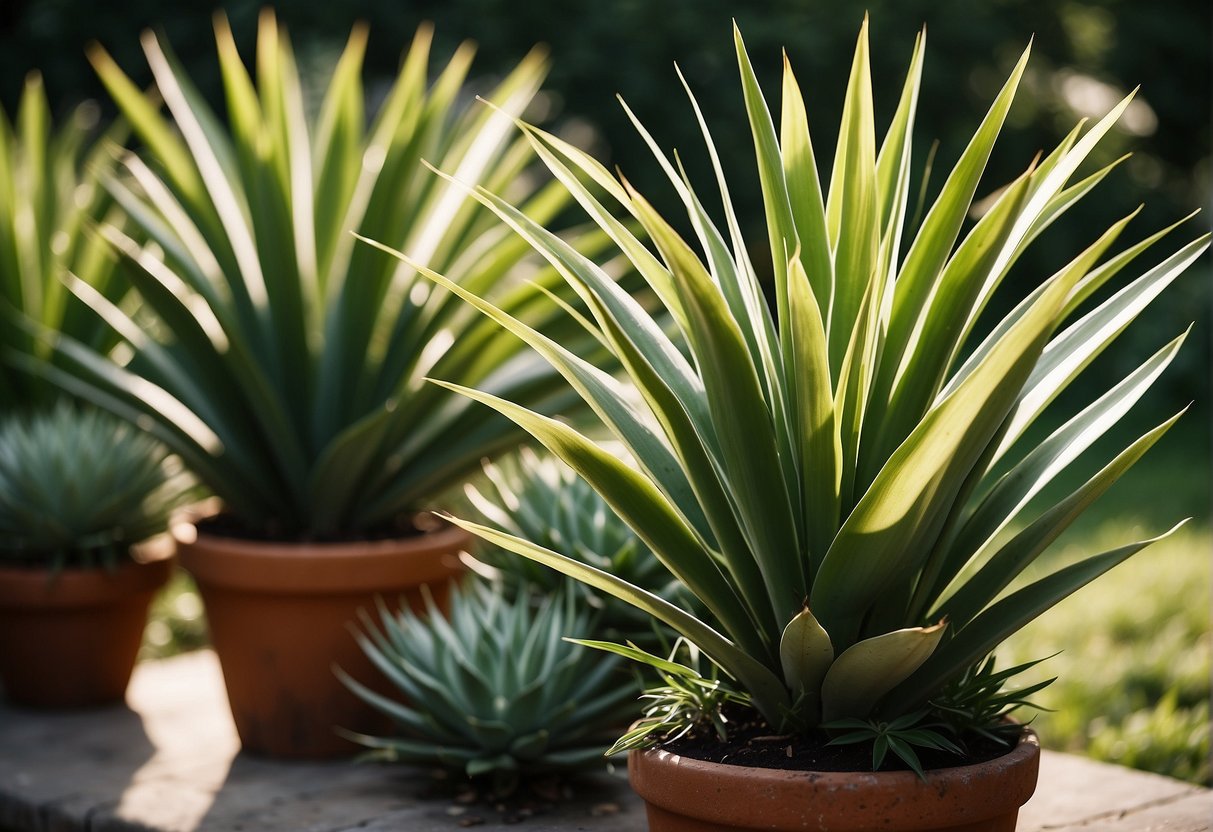
If your outdoor Yucca plant is dying, it could be due to a variety of reasons. Some common causes include overwatering, underwatering, poor soil drainage, or exposure to extreme weather conditions. Make sure to check the soil moisture level and adjust watering frequency accordingly. Also, ensure that the plant is receiving adequate sunlight and is planted in well-draining soil.
Why is my indoor yucca drooping?
If your indoor Yucca plant is drooping, it could be due to lack of sunlight, overwatering, or poor soil quality. Yucca plants require bright, indirect sunlight and well-draining soil to thrive indoors. Make sure to check the soil moisture level and adjust watering frequency accordingly. Also, consider repotting the plant in fresh soil if the current soil is compacted or lacks nutrients.
What are common diseases affecting yucca plants?
Yucca plants are susceptible to a few diseases, including root rot, leaf spot, and stem canker. Root rot is caused by overwatering and can be prevented by ensuring proper soil drainage. Leaf spot and stem canker are caused by fungal infections and can be treated with fungicides. Regularly inspect your Yucca plant for signs of disease and take appropriate action as needed.
How can I tell if my yucca plant has been overwatered?
Overwatering is a common issue that can lead to the death of Yucca plants. Signs of overwatering include yellowing leaves, soft and mushy stems, and a foul odor coming from the soil. To prevent overwatering, make sure to allow the soil to dry out completely between watering sessions.
Why is my yucca plant turning yellow and brown?
Yucca plants may turn yellow and brown due to a variety of reasons, including overwatering, underwatering, poor soil quality, or exposure to extreme temperatures. Check the soil moisture level and adjust watering frequency accordingly. Also, ensure that the plant is receiving adequate sunlight and is planted in well-draining soil. If the issue persists, consider repotting the plant in fresh soil.
What steps should I take to revive a dying yucca plant?
If your Yucca plant is dying, take immediate action to revive it. First, identify the cause of the problem, such as overwatering or poor soil quality. Adjust watering frequency and repot the plant in fresh soil if needed. Remove any dead or diseased leaves or stems. Finally, provide the plant with adequate sunlight and nutrients to promote healthy growth.

