
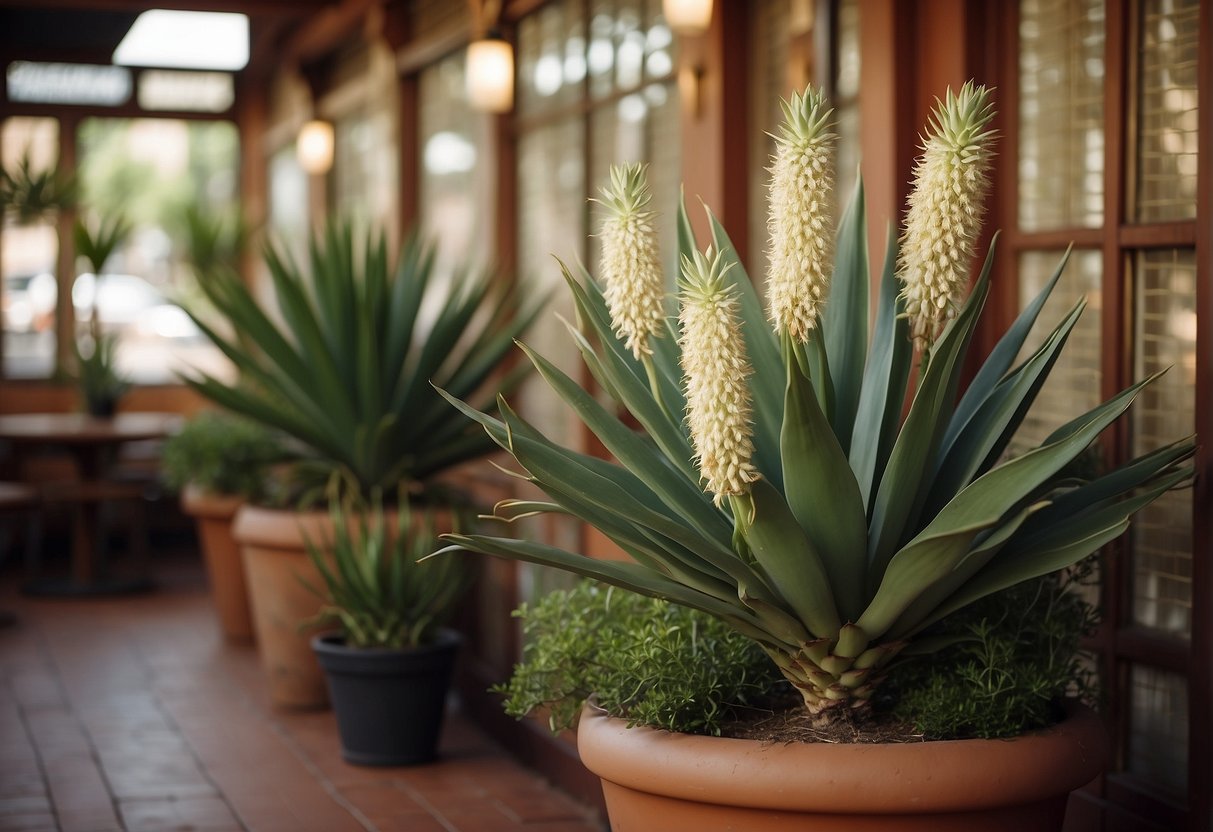
Why Yucca Plants and Women are Featured in Mexican Restaurant Decor
Have you ever observed the visuals of yucca plants alongside women depicted in conventional Mexican eateries? These representations frequently grace the walls and menus of such places, but have you pondered their purpose? In our discussion, we aim to delve into the cultural importance of yucca in Mexican dining settings and examine the depiction of women in Mexican art and imagery, to offer insights into this fascinating subject.
Yucca plants have played an important role in Mexican culture for centuries, with the plant being used for both food and medicinal purposes. This makes it a fitting addition to the decor of Mexican restaurants, which often seek to celebrate and showcase traditional Mexican culture. Additionally, yucca plants are known for their hardiness and resilience, which may also make them a symbol of strength and endurance in Mexican culture.
The images of women that often accompany the yucca plants in these restaurants are also steeped in cultural significance. Women have long played a vital role in Mexican art and imagery, with depictions of strong, powerful women being common in Mexican folklore and mythology. These images may serve to honor the important role that women have played in Mexican culture throughout history.
Cultural Significance of Yucca in Mexican Restaurants
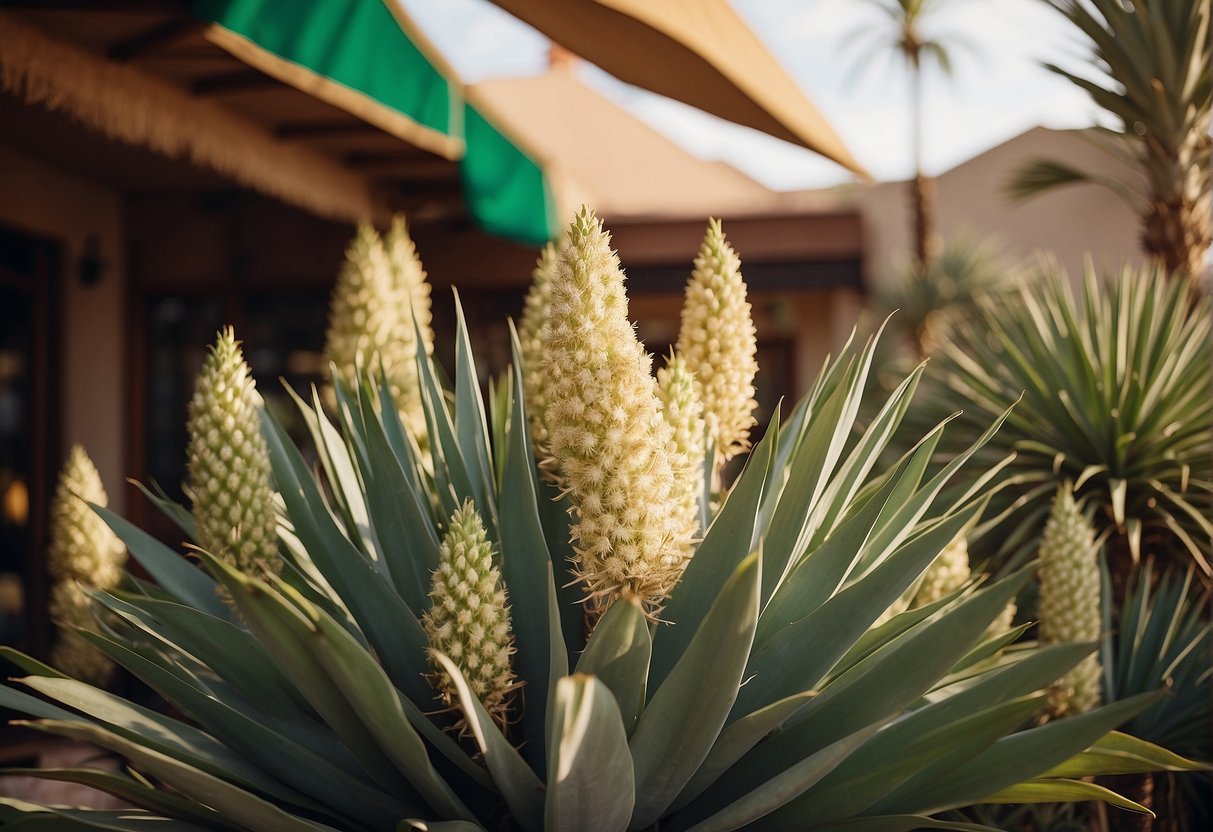
If you have ever dined at a Mexican restaurant, you may have noticed the presence of yucca plants and a woman dressed in traditional Mexican attire. The use of yucca plants and the woman’s attire is not a coincidence. In fact, they both hold cultural significance in Mexican cuisine and decor.
Historical Roots and Symbolism
Yucca, a genus of perennial shrubs and trees, is native to the Americas and has been used by indigenous people for centuries. In Mexican culture, yucca was used for medicinal purposes and as a source of food. The yucca plant’s leaves were used to make baskets, sandals, and other items. The plant’s roots were also used to make soap.
In Mexican cuisine, yucca is still used as a food source, particularly in the form of yucca fries. Yucca is also a symbol of strength and resilience, which is why it is often used in Mexican decor.
Modern Interpretations and Decor
In modern Mexican restaurants, yucca plants are often used as decorative elements. The plant’s green foliage adds a pop of color to the restaurant’s interior, while its evergreen nature ensures that it remains vibrant year-round.
The woman dressed in traditional Mexican attire is also a common sight in Mexican restaurants. She is often seen carrying a basket of fresh tortillas or other traditional Mexican foods. Her attire, which includes a colorful dress and apron, is a nod to Mexico’s rich cultural heritage.
In conclusion, the use of yucca plants and a woman in traditional Mexican attire in Mexican restaurants is not just for show. They both hold cultural significance in Mexican cuisine and decor, and serve as a reminder of Mexico’s rich cultural heritage.
Understanding Yucca Plants
Botanical Characteristics
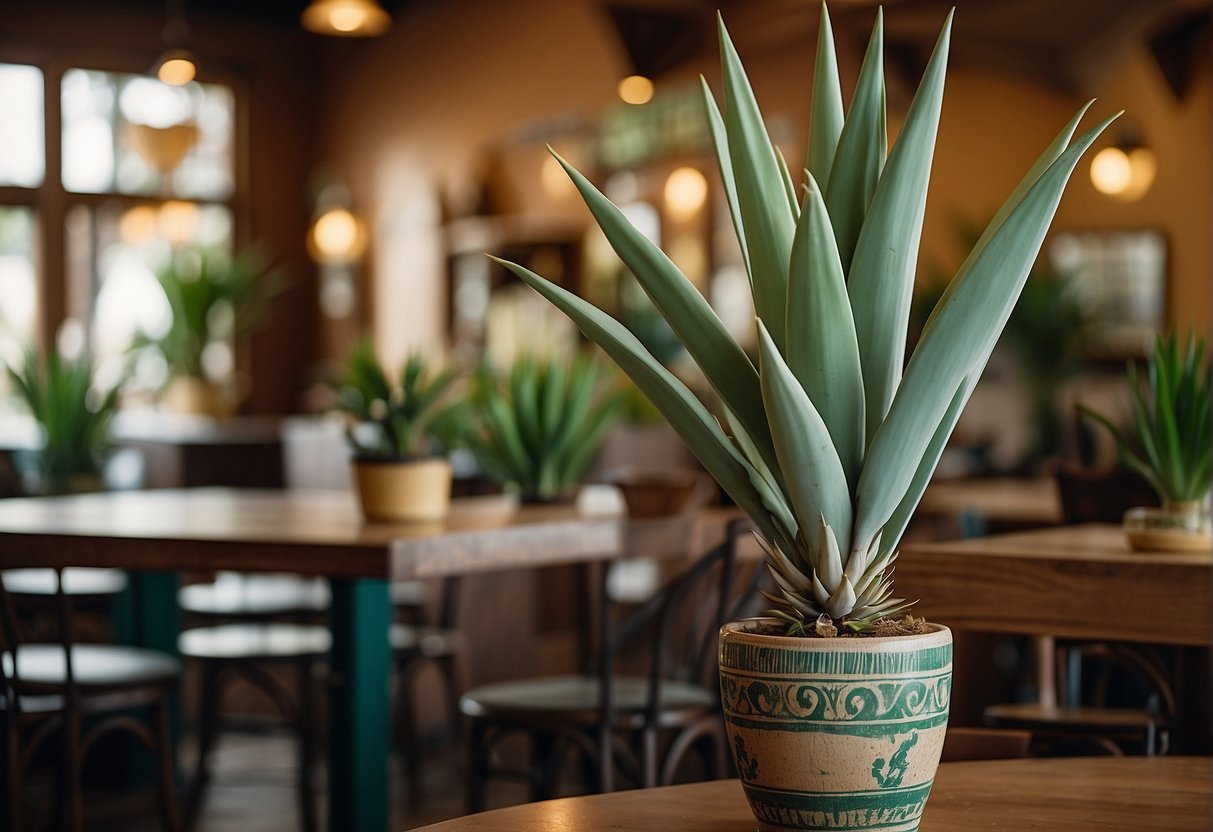
Yuccas are trees or shrubs that belong to the family Asparagaceae. They are native to North and Central America and are known for their hardy and drought-tolerant nature. Yuccas come in a variety of species, but they are all characterized by their sword-shaped leaves and rosettes.
Varieties and Species
There are many types of yucca plants, including Yucca aloifolia, Yucca baccata, Yucca brevifolia, Yucca carnerosana, Yucca elata, Soaptree yucca, Spineless yucca, Yucca rostrata, and more. Each species has its own unique features, such as blue-green leaves or multi-stemmed growth. Yuccas can be propagated through offsets and are commonly used in landscaping.
Caring for Yuccas
Yuccas prefer sandy soil and bright, indirect light. They are hardy and can tolerate a wide range of temperatures, but they do not do well in overly wet conditions. Indoor yucca plants should be repotted every few years and can be propagated through stem cuttings. Common issues with yuccas include yellow leaves and leaf spot, as well as pests like mealybugs. Yuccas are versatile and ornamental plants that can add a tropical look to any space.
Overall, yuccas are fragrant and easy to care for, making them a great addition to any garden or indoor space.
The Role of Women in Mexican Art and Imagery
Traditional Representation
Women have played a significant role in Mexican art and imagery for centuries. In traditional Mexican art, women are often depicted as nurturing and caring figures, with an emphasis on their domestic roles. This is reflected in the use of images of women in Mexican restaurants, where they are often shown preparing and serving food.
One common image seen in Mexican restaurants is that of a woman grinding corn or making tortillas. This image is often used to represent the traditional role of women in Mexican culture as the caretakers of the family and the providers of sustenance. Yucca plants, which are green and evergreen, are also sometimes featured in these images, as they are an important food source in Mexican cuisine.
Contemporary Depictions
In more contemporary depictions of women in Mexican art and imagery, there has been a shift towards portraying women as strong and empowered figures. This is reflected in the use of images of women in Mexican restaurants, where they are often shown as confident and capable individuals.
One example of this is the use of images of women in traditional Mexican dress, such as the colorful embroidered dresses and rebozos. These images celebrate the beauty and strength of Mexican women, and help to promote a positive image of Mexican culture.
Overall, the role of women in Mexican art and imagery has evolved over time, reflecting changes in Mexican society and culture. While traditional depictions of women emphasize their domestic roles, contemporary depictions celebrate their strength and resilience.
Frequently Asked Questions
What cultural significance do yucca plants hold in Mexican traditions?
Yucca plants have been an important part of Mexican culture for centuries. They are often associated with strength and resilience, as they are able to survive in harsh desert environments. In some indigenous Mexican cultures, yucca plants were used for medicinal purposes, and their fibers were woven into clothing and baskets.
How is the yucca plant used in traditional Mexican cuisine?
The yucca plant, also known as cassava, is a staple in many traditional Mexican dishes. Its starchy root is often boiled, mashed, or fried, and used as a substitute for potatoes or rice. Yucca is also used to make tortillas, tamales, and other traditional Mexican foods.
What symbolism is associated with women in Mexican restaurant decor?
Women are often depicted in Mexican restaurant decor as a nod to traditional Mexican culture, where women played important roles in cooking and hospitality. These depictions can range from colorful paintings and murals to sculptures and figurines.
Why are flowers like the dahlia important in Mexican celebrations such as the Day of the Dead?
Flowers, particularly the dahlia, are an important part of Mexican culture and are often used in celebrations such as the Day of the Dead. The dahlia is believed to represent the fragility of life and the beauty that can be found in death. It is often used to decorate altars and graves during the Day of the Dead.
What are common decorative themes in Mexican restaurants?
Common decorative themes in Mexican restaurants include bright colors, intricate tile work, and traditional Mexican imagery such as mariachi bands, sombreros, and piñatas. Many Mexican restaurants also feature handcrafted pottery and textiles, which add to the authentic atmosphere.
How do Mexican restaurants use plants and imagery to create an authentic atmosphere?
Mexican restaurants often use plants such as cacti and yucca to create an authentic desert feel. They also incorporate traditional Mexican imagery such as papel picado (cut paper banners) and colorful murals to create a festive atmosphere. Additionally, many Mexican restaurants use traditional Mexican music and employ staff who speak Spanish to further enhance the authentic experience.

