
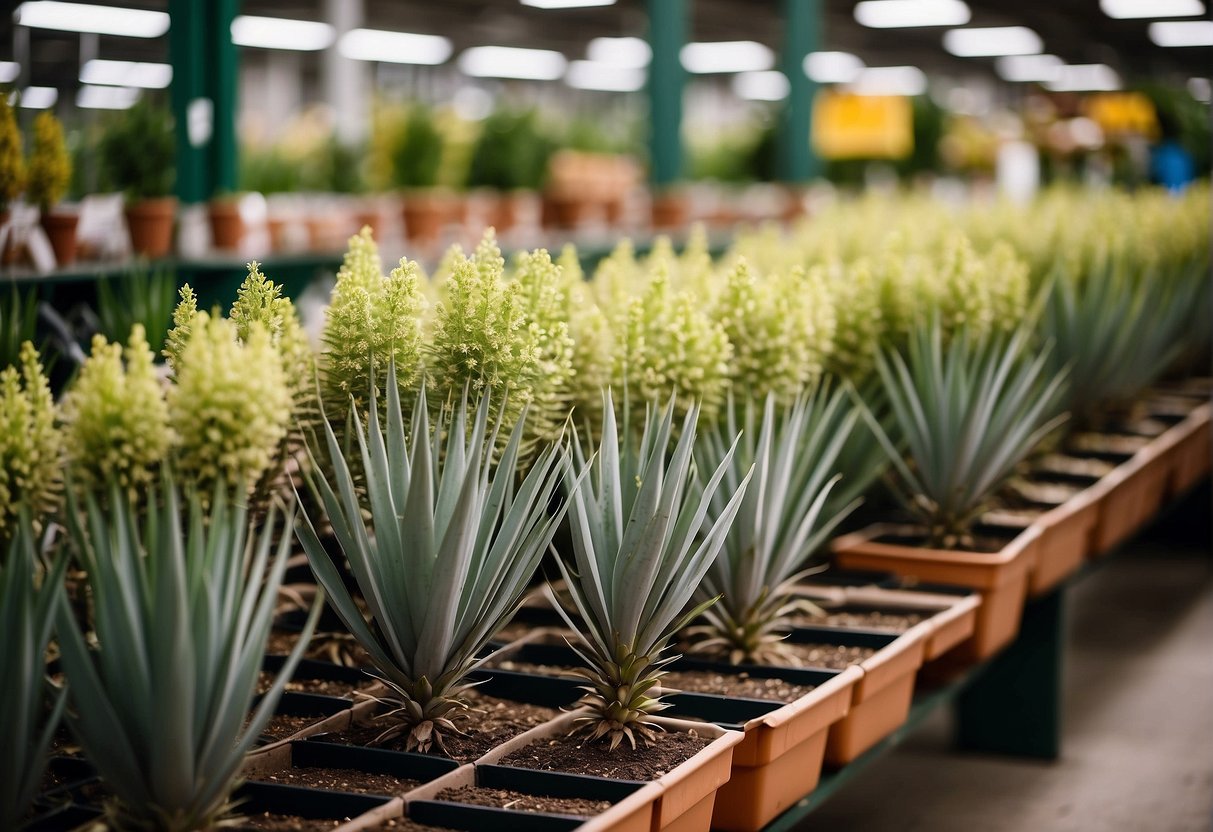
Where to Buy Yucca Plants: A Guide to Finding the Best Sources
Should you be in the market to bring a bit of verdure into your living space or garden, think about acquiring a yucca plant. Recognized for their distinct leaves and ease of upkeep, these perennials make a great addition. But, you might wonder, where is the best place to purchase yucca plants? We delve into several avenues for procuring yucca plants in this guide, alongside advice on selecting the perfect one for your area.
When it comes to buying yucca plants, you have a few different options. One option is to visit a local nursery or garden center. These stores often carry a variety of plants, including yuccas. Another option is to purchase yucca plants online. There are many online retailers that specialize in plants and offer a wide selection of yuccas. However, it’s important to do your research and read reviews before buying from an online retailer to ensure that you’re getting a healthy plant.
No matter where you choose to buy your yucca plant, it’s important to choose the right one for your space. Consider factors such as the size of the plant, the amount of sunlight it needs, and whether it’s suitable for indoor or outdoor growing. With a little research and careful consideration, you can find the perfect yucca plant for your home or garden.
Key Takeaways
- Yucca plants can be purchased at local nurseries or online retailers.
- When choosing a yucca plant, consider factors such as size, sunlight needs, and indoor/outdoor suitability.
- With proper care, yucca plants can thrive in your home or garden.
Choosing the Right Yucca Plant
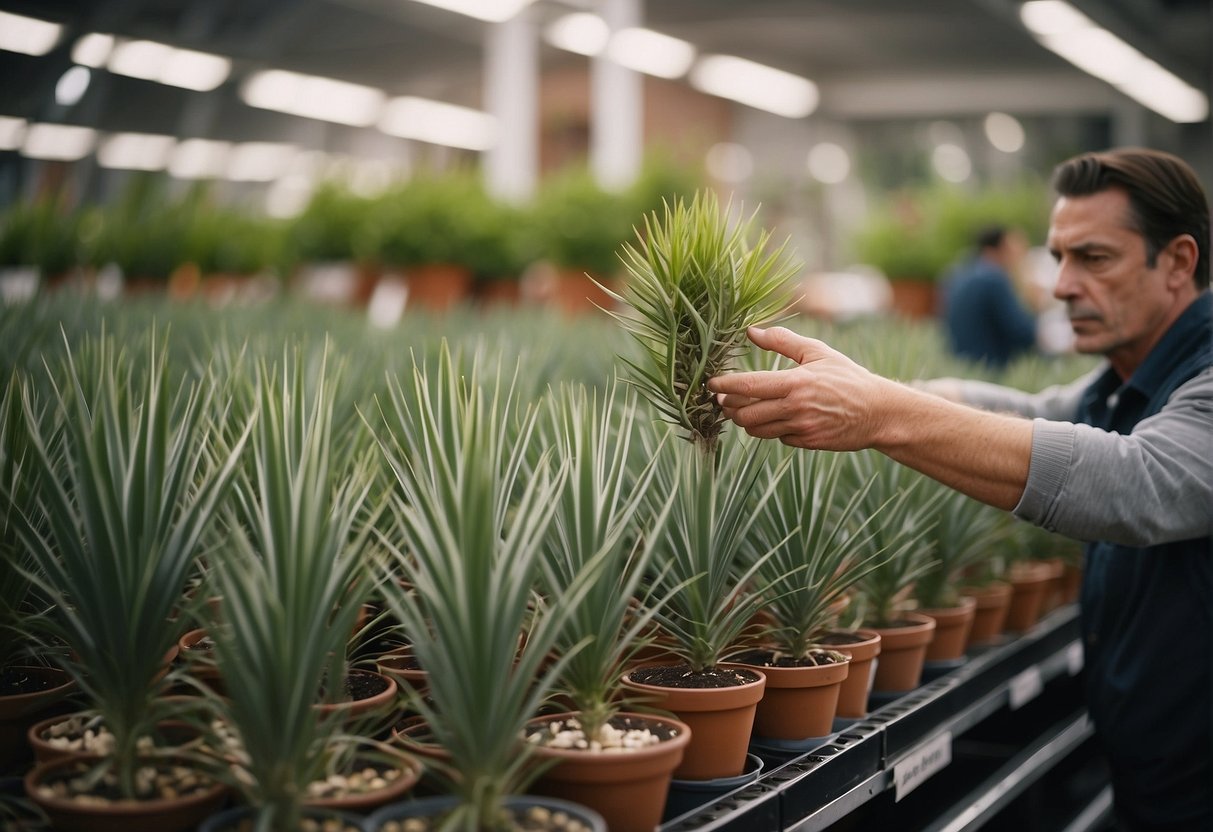
When it comes to choosing the right yucca plant for your home or garden, there are a few important factors to consider. In this section, we’ll cover the different yucca species, climate zones, and plant sizes and growth habits to help you make an informed decision.
Understanding Different Yucca Species
Yucca plants come in a variety of species, each with their own unique characteristics. Some of the most popular species include Yucca filamentosa, Yucca gloriosa, and Yucca aloifolia. Yucca filamentosa, also known as Adam’s Needle, is a hardy shrub that produces tall spikes of creamy white flowers. Yucca gloriosa, or Spanish Dagger, is a tree-like plant with long, sword-shaped leaves and white flowers. Yucca aloifolia, or Spanish Bayonet, is a tree-like plant with sharp, spiky leaves and white flowers.
Selecting Yucca Plants for Your Climate Zone
Yucca plants are well-suited to hot, dry climates and can thrive in a range of climate zones. It’s important to choose a yucca plant that is well-suited to your specific climate zone to ensure optimal growth and health. Yucca trees, for example, are best suited to warmer climates and can be damaged by frost. Yucca shrubs, on the other hand, are more cold-tolerant and can thrive in a wider range of climates.
Considering Yucca Plant Sizes and Growth Habits
Yucca plants come in a range of sizes, from small shrubs to towering trees. It’s important to consider the size and growth habit of your yucca plant when selecting the right one for your space. Yucca rostrata, for example, is a slow-growing tree with a compact, spherical shape that can reach up to 15 feet in height. Yucca filamentosa, on the other hand, is a smaller shrub that typically grows to around 3 feet tall and wide.
In summary, when choosing the right yucca plant, consider the different species, climate zones, and plant sizes and growth habits to ensure that you select a plant that will thrive in your space and climate.
Caring for Your Yucca Plant
Optimal Lighting and Placement
Yucca plants require plenty of bright, indirect light to thrive. They can tolerate some direct sunlight, but too much can scorch their leaves. Place your yucca plant near a south-facing window or another location with bright, indirect light.
If your yucca plant isn’t getting enough light, its leaves may turn yellow or brown and fall off. On the other hand, if it’s getting too much light, its leaves may become bleached or develop brown spots. If you notice either of these symptoms, adjust your plant’s placement accordingly.
Watering and Feeding Requirements
Yucca plants are drought-tolerant and prefer to be slightly underwatered rather than overwatered. Allow the top inch of soil to dry out before watering your plant thoroughly. Be sure to use well-draining soil to prevent root rot.
Fertilize your yucca plant once a month during the growing season (spring and summer) with a balanced, water-soluble fertilizer. Follow the instructions on the package carefully to avoid overfertilizing, which can damage your plant.
Pruning and Maintenance
Yucca plants require minimal pruning and maintenance. Remove any dead or yellow leaves as they appear to keep your plant looking neat and tidy. If your yucca plant becomes too tall or leggy, you can trim the stem back to encourage bushier growth.
Be sure to wear gloves and protective clothing when pruning your yucca plant, as its leaves have sharp, pointed tips that can cause injury. If you notice any pests or diseases on your plant, treat them promptly with an appropriate insecticide or fungicide.
By following these simple care tips, you can keep your yucca plant healthy and thriving for years to come.
Yucca Plant Propagation and Repotting
Propagating Yucca Through Offsets and Seeds
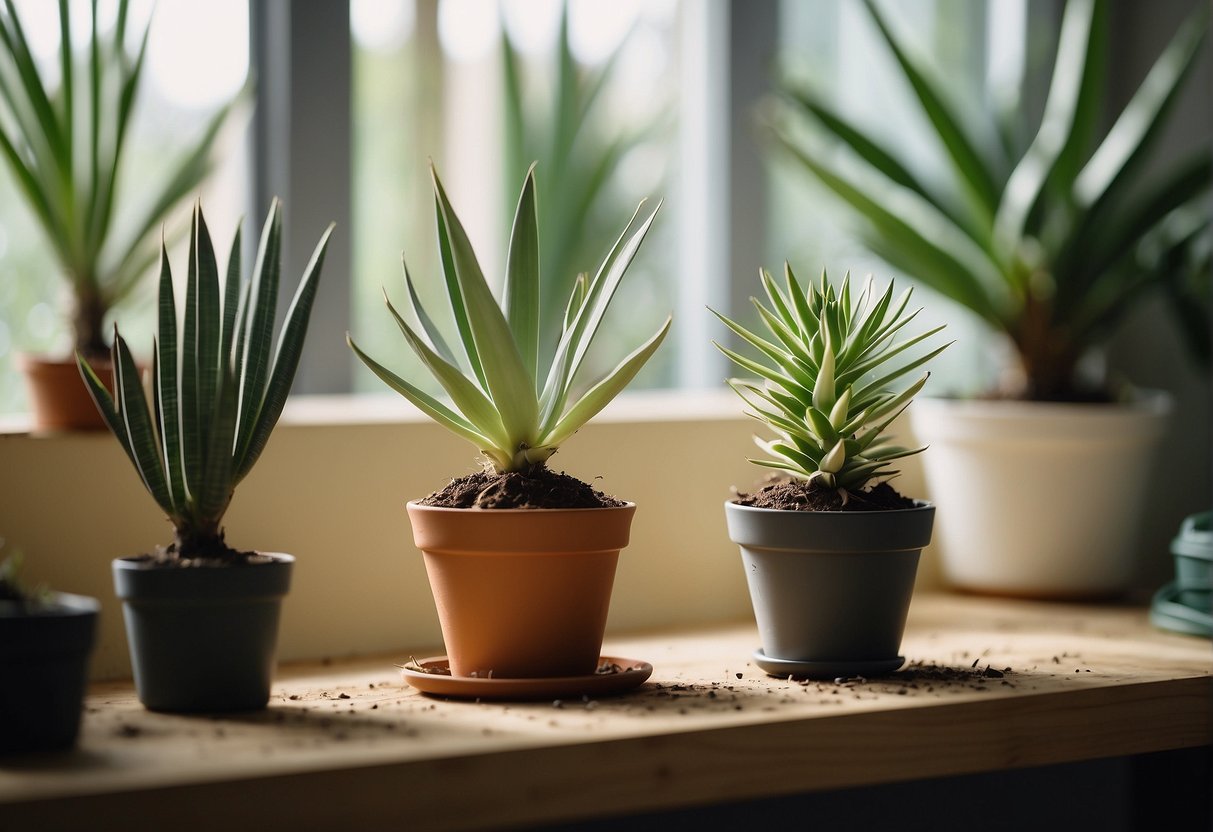
Yucca plants can be propagated through offsets or seeds. Offsets are small plants that grow from the base of the mother plant. To propagate yucca through offsets, you need to wait until they are big enough to be separated from the mother plant. This usually takes a few years. Once they are big enough, carefully remove them from the mother plant and plant them in well-draining soil in a new container. Make sure the container has drainage holes to prevent overwatering.
To propagate yucca through seeds, you need to collect the seeds from the yucca plant. Wait until the seed pods are dry and then collect the seeds. Plant the seeds in well-draining soil and keep them moist until they germinate. Once they have germinated and are big enough, you can transplant them into a new container.
When and How to Repot
Yucca plants need to be repotted when they outgrow their current container or when the soil becomes too compacted. You should repot your yucca plant every two to three years.
To repot your yucca plant, carefully remove it from its current container and gently loosen the roots. Choose a new container that is slightly bigger than the current one and has drainage holes. Fill the bottom of the new container with well-draining soil and place the yucca plant in the center. Fill in the gaps with more soil and gently press down. Water the plant thoroughly and place it in a bright, sunny spot.
In summary, propagating yucca plants through offsets or seeds is a great way to expand your collection. When repotting, make sure to use well-draining soil and a container with drainage holes to prevent overwatering.
Common Yucca Pests and Problems
As with any plant, yuccas can be susceptible to pests and diseases. Here are some common issues you may encounter with your yucca plants:
Pests
Yucca Moths
One of the most well-known pests of yucca plants is the yucca moth. These moths are the only pollinators of yucca plants and are essential for their survival. However, they can also lay their eggs inside the yucca’s flowers, which can damage the plant. If you notice a yucca moth infestation, it’s important to take action to prevent damage to your plant.
Diseases
Root Rot
Root rot is a common problem for yucca plants, especially if they are overwatered or planted in soil that doesn’t drain well. The roots of the plant will begin to rot, which can cause the plant to wilt and die. To prevent root rot, be sure to plant your yucca in well-draining soil and avoid overwatering.
Leaf Spot
Leaf spot is another common issue for yucca plants. This disease appears as brown or black spots on the leaves of the plant and can cause them to die and fall off. To prevent leaf spot, make sure your yucca is planted in an area with good air circulation and avoid getting water on the leaves when you water the plant.
Pests and Diseases
Scale Insects
Scale insects are a common pest of yucca plants. These insects attach themselves to the leaves and stems of the plant and suck the sap out of them, which can cause the plant to weaken and die. To prevent scale insects, regularly inspect your yucca plant and remove any insects you find.
Spider Mites
Spider mites are another common pest of yucca plants. These tiny insects can be difficult to see with the naked eye, but they can cause significant damage to the plant. They feed on the leaves of the plant, which can cause them to turn yellow and fall off. To prevent spider mites, regularly inspect your yucca plant and remove any insects you find.
By being aware of these common pests and problems, you can take steps to prevent them from affecting your yucca plants. Regular maintenance and care can go a long way in keeping your yucca plants healthy and thriving.
Frequently Asked Questions
What are the best online stores for purchasing yucca plants?
There are several reputable online stores where you can purchase yucca plants. Some of the most popular options include Amazon, Home Depot, and Lowe’s. You may also want to consider specialty plant retailers such as The Sill and Bloomscape.
How do I find yucca plants for sale in my local area?
To find yucca plants for sale in your local area, start by checking with your nearest plant nurseries and garden centers. You can also try searching online for local plant sales or farmer’s markets. Additionally, many home improvement stores and big-box retailers carry a selection of indoor plants, including yucca.
What are the price ranges for yucca plants?
The price of yucca plants can vary depending on the size and variety of the plant, as well as where you purchase it. Generally, you can expect to pay anywhere from $10 to $100 or more for a yucca plant.
What are the different types of yucca plants available for sale?
There are many different types of yucca plants available for sale, including the popular Yucca elephantipes (also known as the spineless yucca), Yucca filamentosa (also known as Adam’s needle), and Yucca gloriosa (also known as Spanish dagger). Other varieties include Yucca baccata, Yucca brevifolia, and Yucca rostrata.
What are the ideal conditions for placing a yucca plant indoors?
Yucca plants thrive in bright, indirect sunlight and prefer temperatures between 60 and 95 degrees Fahrenheit. They also require well-draining soil and should be watered sparingly, allowing the soil to dry out completely between waterings.
How can I identify a healthy yucca plant to purchase?
When selecting a yucca plant, look for one with firm, green leaves and a sturdy stem. Avoid plants with yellowing or brown leaves or signs of pests or disease. Additionally, check the soil to ensure it is well-draining and not waterlogged.

