
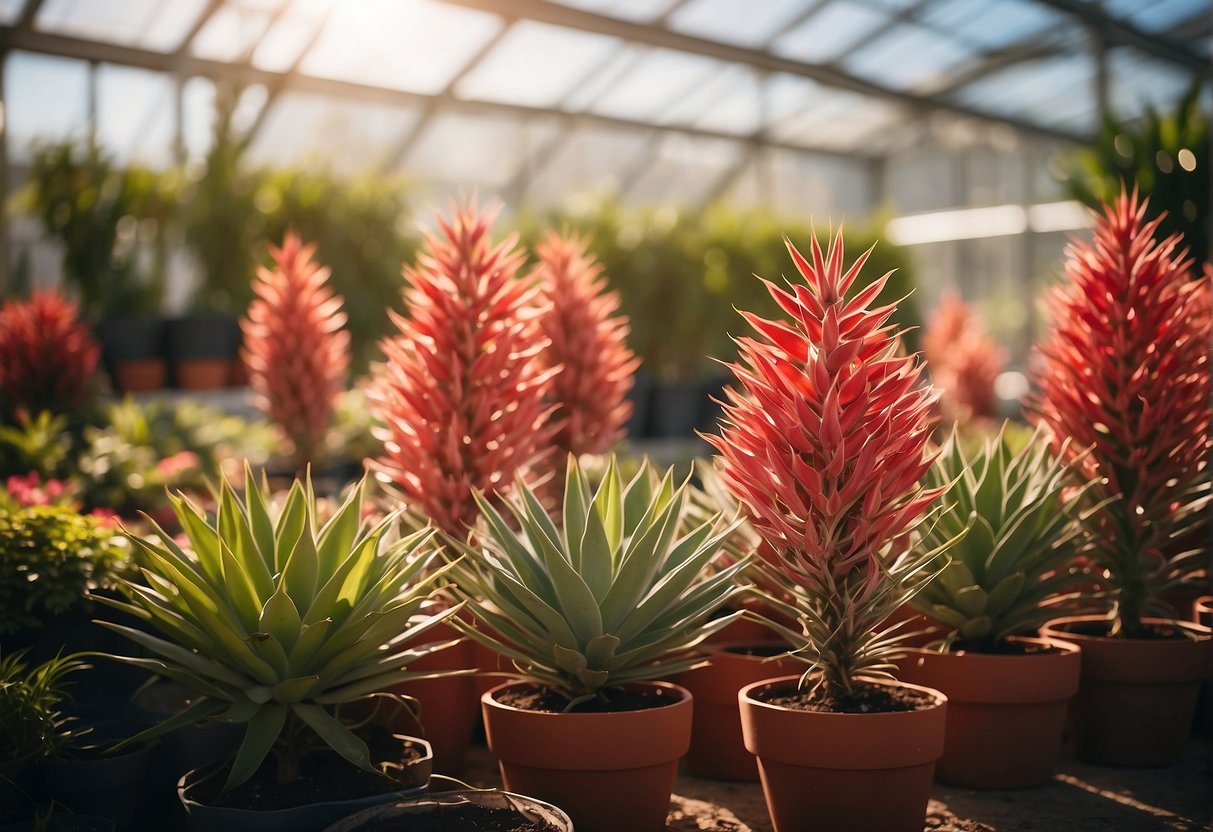
Where to Buy Red Yucca Plants: Tips and Recommendations
Want to infuse your garden with some vibrant hues? Consider the red yucca plant. Known scientifically as Hesperaloe parviflora and native to the Southwest, these eye-catching plants boast slender leaves and bold red blooms. Wondering where to get them? This article will guide you to some of the top spots to buy red yucca plants, along with advice on how to choose and nurture them.
When selecting red yucca plants, it’s important to look for established specimens that are healthy and disease-free. You’ll want to choose plants with plenty of green leaves and a strong root system. Once you’ve found the perfect plants, it’s time to think about where to put them in your garden. Red yuccas are versatile and can be used in a variety of landscape designs, from xeriscapes to rock gardens to borders and containers. With a little bit of care, your red yucca plants can thrive and add beauty to your outdoor space for years to come.
Key Takeaways
- Red yucca plants, also known as Hesperaloe parviflora, are prized for their long, slender leaves and vibrant red flowers.
- When selecting red yucca plants, look for established specimens that are healthy and disease-free.
- Red yuccas are versatile and can be used in a variety of landscape designs, from xeriscapes to rock gardens to borders and containers.
Selecting Red Yucca Plants
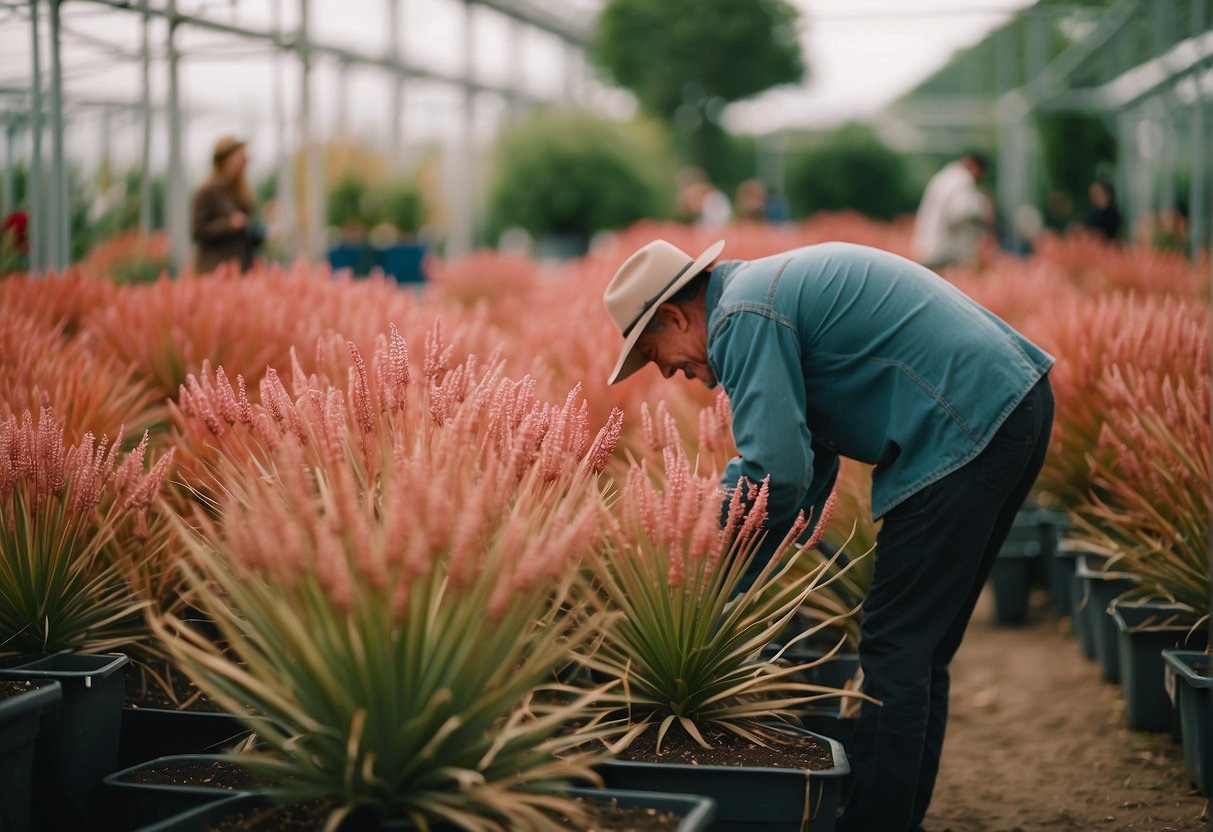
If you are looking to add a touch of color to your garden, red yucca plants are an excellent choice. These stunning plants are known for their vibrant red flowers and evergreen foliage, making them a great addition to any landscape design. However, selecting the right red yucca plant can be a bit tricky. In this section, we will cover everything you need to know about selecting healthy and beautiful red yucca plants.
Understanding Hesperaloe Parviflora
Red yucca plants, also known as Hesperaloe parviflora, are native to the southwestern United States and northern Mexico. These drought-tolerant plants are known for their hardiness and can survive in a variety of soil types. They are also evergreen, meaning they retain their foliage year-round, making them a great choice for any season.
Identifying Healthy Red Yucca Specimens
When selecting a red yucca plant, there are a few things to look for to ensure you get a healthy specimen. Here are some tips to keep in mind:
- Flowers: Look for plants with vibrant red flowers. Avoid plants with wilted or discolored flowers.
- Foliage: Check the foliage for any signs of damage or disease. The leaves should be a healthy green color and free from any spots or discoloration.
- Summer: Red yucca plants bloom during the summer months, so look for plants that are in bloom or have buds forming.
- Mature Height and Width: Consider the mature height and width of the plant to ensure it will fit in your garden space.
- Evergreen Foliage: Red yucca plants retain their foliage year-round, so ensure the plant has healthy leaves.
- Architectural Plant: Red yucca plants are often used as architectural plants due to their unique shape and structure. Look for plants with a strong and upright form.
By following these tips, you can select a healthy and beautiful red yucca plant that will thrive in your garden.
Where to Purchase Red Yucca
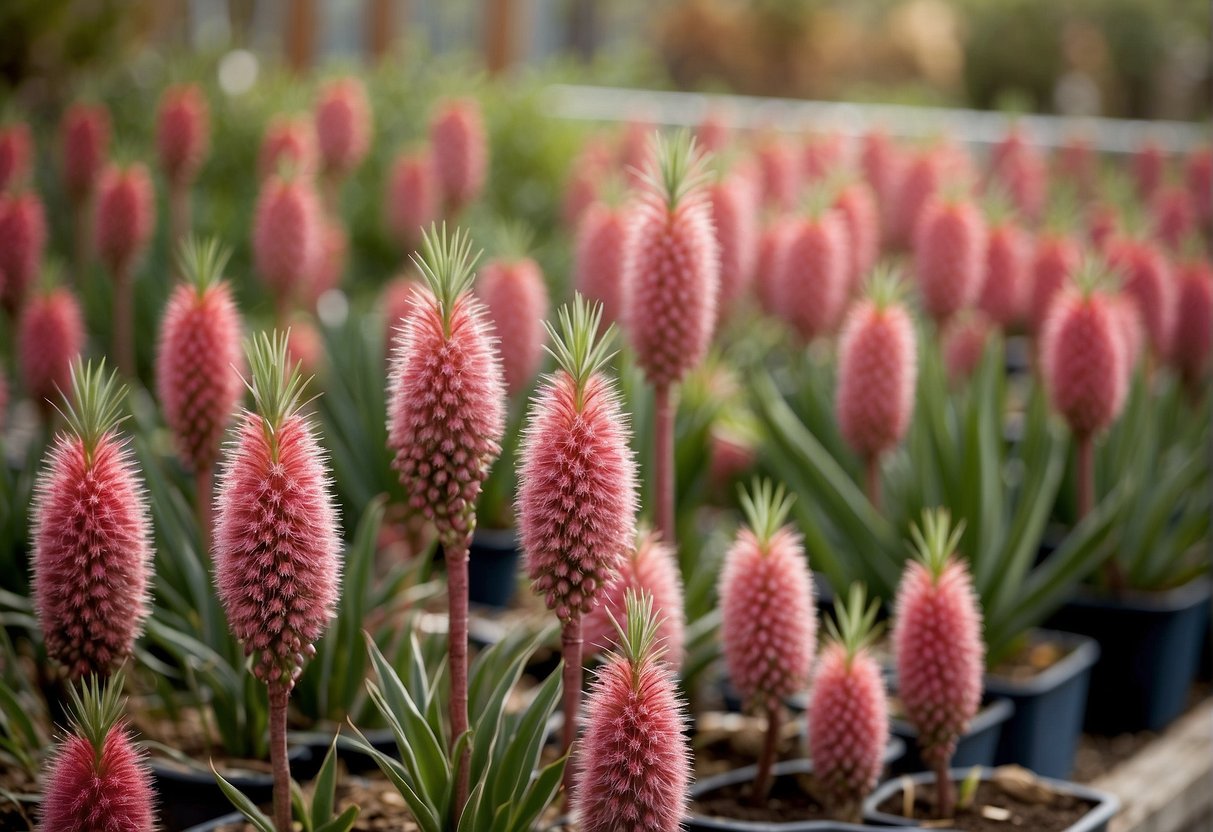
If you’re looking to purchase a red yucca plant, there are several options available to you. Here are some of the best places to find and buy red yucca plants:
Local Nurseries and Garden Centers
Your local nurseries and garden centers are a great place to start your search for a red yucca plant. Many of these stores carry a wide variety of succulents and cacti, including red yucca plants. You can also speak with knowledgeable staff members who can answer any questions you may have about caring for your new plant.
Online Retailers and Nurseries
Online retailers and nurseries can be a convenient option for purchasing a red yucca plant. You can browse a larger selection of plants and compare prices from the comfort of your own home. Some popular online retailers and nurseries that carry red yucca plants include Amazon, Etsy, and The Sill.
When shopping online, be sure to check the shipping costs and estimated delivery times to ensure that you receive your plant in a timely manner. You should also read customer reviews to get an idea of the quality of the plants and the customer service provided by the retailer.
Specialty Succulent Shops
If you’re looking for a more specialized selection of red yucca plants, consider visiting a specialty succulent shop. These stores often carry rare and hard-to-find succulents, including red yucca plants. You can also speak with experts who can provide you with advice on caring for your new plant.
When shopping at a specialty succulent shop, be prepared to pay a higher price for your red yucca plant. However, you can be confident that you are purchasing a high-quality plant from a knowledgeable and reputable source.
No matter where you decide to purchase your red yucca plant, be sure to choose a healthy and well-cared-for plant. With proper care, your red yucca plant can thrive and add a beautiful touch of color to your home or garden.
Planting and Care
When it comes to planting and caring for your red yucca plant, there are a few things to keep in mind to ensure its success. This section will cover soil and site requirements, planting instructions, and ongoing care and maintenance.
Soil and Site Requirements
Red yucca plants prefer full sun and well-drained soil. They can tolerate a range of soil types, including sandy, loamy, and clay soils, as long as they are well-draining. If you’re planting in a container, make sure it has drainage holes to prevent waterlogging.
When choosing a site for your plant, make sure it has plenty of room for the plant’s root system to spread out. Red yucca plants are hardy in growing zones 5-11, so make sure your area falls within this range.
Planting Instructions
The best time to plant your red yucca is in early spring when the soil has warmed up. Dig a hole that is slightly larger than the root ball and plant the yucca at the same depth as it was in its previous container or location. Water the plant thoroughly after planting.
If you’re planting in a container, use a well-draining potting mix and make sure the container is large enough to accommodate the plant’s root system. Water the plant regularly, especially during hot and dry weather.
Ongoing Care and Maintenance
Red yucca plants are relatively low-maintenance, but they do require some care to thrive. Water regularly, especially during the plant’s first year, to help establish a strong root system. Once established, the plant can tolerate some drought.
Feed your red yucca plant with a balanced fertilizer in the spring and summer to promote healthy growth. Watch out for common diseases such as root rot and leaf spot, and treat promptly if necessary.
With proper care, your red yucca plant can thrive and add a beautiful touch of color to your landscape or container garden.
Landscape Design with Red Yucca
If you are looking to add a touch of color and texture to your landscape, then incorporating red yucca plants might be a great option for you. Here are some tips on how to use red yucca in your landscape design.
Incorporating Red Yucca in Rock Gardens
Red yucca plants are perfect for rock gardens and landscape accents. They are evergreen and add a pop of color to the garden, especially in the summer. The tall spikes of rose-pink flowers are a favorite of hummingbirds and butterflies, making them a great addition to any pollinator garden.
Red yucca also pairs well with other desert-like plants such as grasses and succulents. They are easily grown in full sunlight and require little maintenance, making them perfect for busy gardeners.
Companion Plants for Red Yucca
When choosing companion plants for red yucca, consider plants that have similar water and sunlight needs. Some great options include:
- Agave
- Sedum
- Echinacea
- Black-eyed Susan
- Russian sage
These plants will create a beautiful and cohesive look in your garden while also attracting pollinators.
In conclusion, red yucca plants are a great addition to any landscape design. They are easy to care for and add a unique texture and color to your garden. Whether you are looking to create a rock garden or a pollinator garden, red yucca plants are a versatile choice that will not disappoint.
Frequently Asked Questions
What nurseries offer red yucca plants for sale?
Many nurseries offer red yucca plants for sale. You can check with your local nurseries to see if they have them in stock. You can also search for nurseries online that specialize in succulents and cacti.
How to find red yucca plants for sale online?
You can find red yucca plants for sale online by searching for them on plant nursery websites or online marketplaces such as Amazon or Etsy. Make sure to read reviews and check the seller’s reputation before making a purchase.
Which stores have red yucca plants available in Texas?
Many garden centers and nurseries in Texas carry red yucca plants. Some popular stores include Home Depot, Lowe’s, and Walmart. Check with your local store to see if they have them in stock.
What is the typical cost range for purchasing a red yucca plant?
The cost of a red yucca plant can vary depending on the size and where you purchase it. Typically, you can expect to pay between $10 to $30 for a small plant and up to $100 for a larger, more mature plant.
What is the best time of year to plant red yucca?
The best time to plant red yucca is in the spring or fall when temperatures are mild. Avoid planting during the summer when temperatures are high.
Are there any special care instructions for growing red yucca successfully?
Red yucca is a hardy plant and requires little maintenance. It prefers well-draining soil and full sun. Water sparingly, only when the soil is completely dry. Prune dead or damaged leaves as needed.

