
Winter Care for Tomato Plants in Yucca Valley: What to Do
As a gardener residing in Yucca Valley, you might be contemplating the best approach for caring for your tomato plants throughout the winter season. Given the region’s reputation for its warm and arid weather, it’s noteworthy that winter can introduce colder weather and sporadic frost. Safeguarding your tomato plants during this period is crucial to ensure they remain healthy and flourish with the arrival of spring.
One of the first things you should do to prepare your tomato plants for winter is to harvest any remaining fruit. Tomatoes that are left on the vine when temperatures drop can become damaged or even ruined. Once you’ve harvested your tomatoes, you can prune your plants back to about 12 inches in height. This will help them conserve energy and prepare for the cooler months ahead.
If you’re interested in keeping your tomato plants alive and healthy during the winter, you may want to consider bringing them indoors. Tomato plants can be grown in containers and placed near a sunny window or under a grow light. With proper care, you may be able to enjoy fresh tomatoes all year round.
Preparing Tomato Plants for Winter
If you live in Yucca Valley, you know that the winters can be harsh, with freezing temperatures and frosty mornings. As a gardener, it’s important to prepare your tomato plants for these conditions to ensure they survive the winter and produce a healthy crop come spring. Here are some tips for preparing your tomato plants for winter:
Assessing the Climate
Before you do anything, it’s important to assess the climate in your area. Yucca Valley experiences cold and frosty winters, so it’s important to select tomato varieties that are frost-tolerant. You should also take note of the average first frost date in your area, so you can plan accordingly.
Selecting Tomato Varieties
When selecting tomato varieties for Yucca Valley, it’s important to choose ones that are suitable for your climate. Determinate tomatoes are a good choice for colder climates as they produce fruit all at once and tend to ripen earlier in the season. Indeterminate tomatoes, on the other hand, produce fruit throughout the season and may require more time to ripen.
Overwintering Strategies
There are several strategies you can use to overwinter your tomato plants in Yucca Valley. One option is to cover your plants with frost blankets or row covers to protect them from frost. Another option is to transplant your tomato plants into pots and bring them indoors where they can be kept in a warm and sunny location. You can also try pruning your plants back to reduce their size and cover them with a thick layer of mulch to protect their roots.
By following these tips, you can help ensure your tomato plants survive the harsh winter conditions in Yucca Valley and produce a healthy crop come spring.
Indoor Care for Tomato Plants
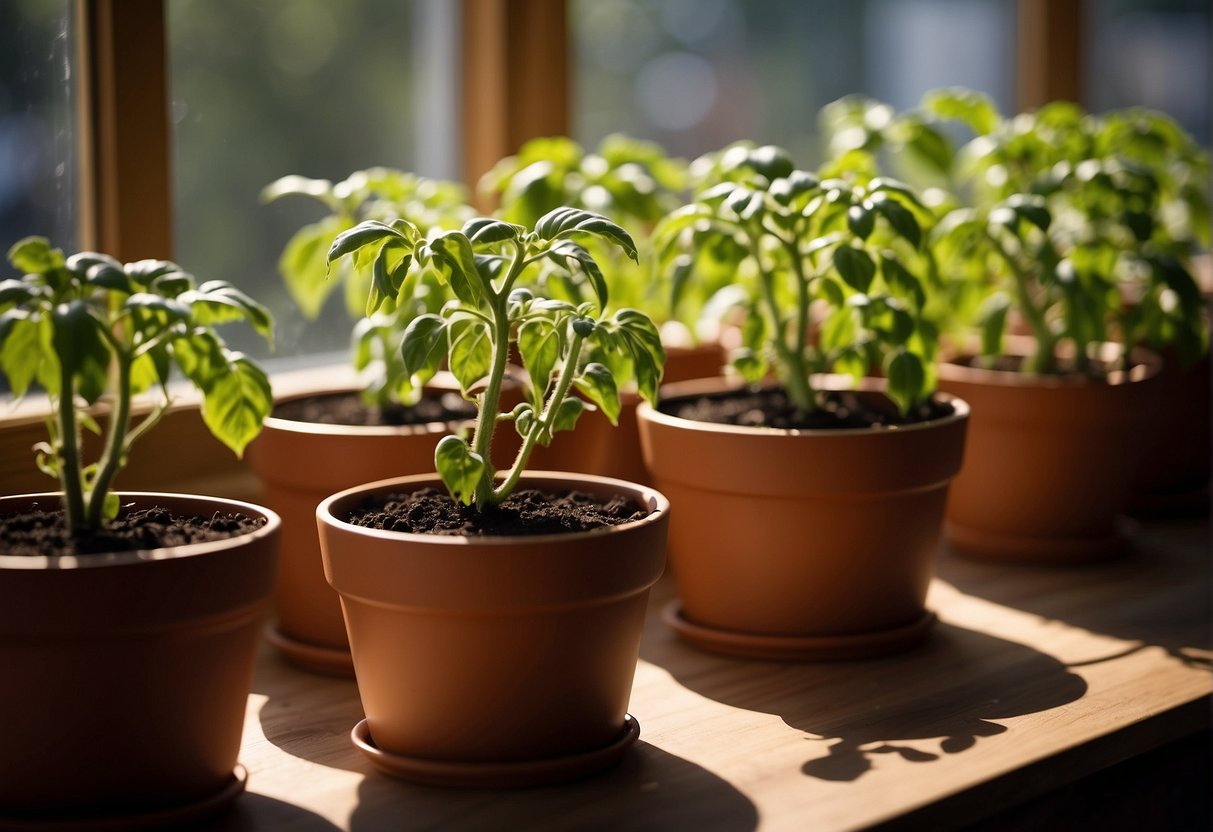
If you live in Yucca Valley, you may need to bring your tomato plants indoors during the winter months to protect them from the cold. Here are some tips for caring for your indoor tomato plants.
Setting Up Indoor Environment
When bringing your tomato plants indoors, you need to create an environment that is similar to their outdoor environment. Choose a location that receives plenty of natural light or invest in a grow light to provide the necessary light for your plants. Make sure the temperature in the room is between 60-70°F (15-21°C) and the humidity level is around 50%.
Lighting and Temperature
Tomato plants require at least 6-8 hours of direct sunlight each day to produce fruit. If you don’t have access to natural light, you can use a grow light to provide the necessary light for your plants. Keep the grow light on for 12-16 hours each day to mimic the natural sunlight cycle.
Maintain a consistent temperature of 60-70°F (15-21°C) in the room where your tomato plants are located. Avoid placing them near drafty windows or doors that may cause temperature fluctuations.
Watering and Feeding
Tomato plants require consistent watering to prevent the soil from drying out. Water your plants when the top inch of soil feels dry to the touch. Use a well-draining potting soil to prevent water from accumulating in the bottom of the pot.
Feed your indoor tomato plants with a balanced fertilizer every 2-3 weeks to provide them with the necessary nutrients for growth and fruit production.
By following these tips, you can successfully care for your tomato plants indoors during the winter months in Yucca Valley.
Routine Maintenance and Pest Management
Pruning and Training
Pruning your tomato plants in Yucca Valley during the winter is essential for maintaining their health and productivity. Remove any dead or damaged leaves and branches to prevent the spread of diseases. Also, trim the suckers that grow between the main stem and the branches to encourage the plant to focus its energy on producing fruit. Use clean, sharp pruning shears and make clean cuts at a 45-degree angle.
Training your tomato plants to grow vertically will help maximize space and sunlight exposure. Use a sturdy support system such as a cage or stake to keep the plant upright and prevent it from bending or breaking under the weight of the fruit. Tie the main stem to the support system using soft ties or twine to prevent damage.
Protecting from Pests and Diseases
Tomato plants in Yucca Valley are susceptible to various pests and diseases, including aphids, whiteflies, and fungal infections. To prevent infestations, regularly inspect your plants for signs of damage or discoloration. Remove any affected leaves or branches and dispose of them properly.
You can also use natural pest control methods such as introducing beneficial insects like ladybugs or using neem oil or insecticidal soap. Be sure to follow the instructions carefully and apply the products as directed.
To prevent fungal infections, avoid overhead watering and ensure proper air circulation around the plants. Water at the base of the plant and use a mulch layer to retain moisture and prevent soil splashing.
Regularly inspecting and maintaining your tomato plants in Yucca Valley during the winter will help ensure a healthy and productive harvest.
Harvesting and Utilizing Tomatoes
Maximizing the Ripening Process
When it comes to harvesting tomatoes, it’s important to wait until they’re fully ripe. But what if you’re in a hurry? There are a few things you can do to speed up the ripening process.
First, you can place the tomatoes in a brown paper bag with a ripe banana or apple. The ethylene gas produced by the fruit will help the tomatoes ripen faster.
Another option is to place the tomatoes in a warm, sunny spot. This will also help them ripen faster, but be careful not to leave them in direct sunlight for too long, as this can cause them to become overripe or even sunburned.
Preservation Techniques
If you have an abundance of ripe tomatoes, you may want to consider preserving them for later use. One popular method is canning. To do this, you’ll need to sterilize jars, fill them with tomatoes (either whole or chopped), and process them in a boiling water bath.
Another option is freezing. Simply blanch the tomatoes in boiling water for a few seconds, then transfer them to a bowl of ice water to stop the cooking process. Once they’re cool, remove the skins and freeze the tomatoes whole or chopped.
You can also make tomato sauce or salsa and freeze it in small batches for easy use later on. Just be sure to label and date your containers so you know what you have and when it was made.
Overall, harvesting and utilizing tomatoes in the winter can be a rewarding experience. With a little patience and some preservation techniques, you can enjoy the taste of fresh tomatoes all year round.
Frequently Asked Questions
How can I protect my tomato plants during the colder months in Yucca Valley?
The best way to protect your tomato plants during the colder months in Yucca Valley is to cover them with frost blankets or row covers. These covers will help to trap heat and keep the plants warm. You can also add a layer of mulch around the base of the plants to help insulate the roots.
Is it possible to overwinter tomato plants in a California climate?
Yes, it is possible to overwinter tomato plants in a California climate. However, it is important to note that tomato plants are not frost-tolerant and will need to be protected from freezing temperatures. In addition, tomato plants will not produce fruit during the winter months, so you may want to consider using the time to prune and prepare the plants for the next growing season.
What are the best practices for pruning tomato plants at the end of the growing season?
At the end of the growing season, it is important to prune your tomato plants to help them prepare for the winter months. Start by removing any dead or diseased leaves and branches. Next, trim back the remaining branches to about 6 inches above the soil line. This will help to promote new growth in the spring.
Can I cultivate tomatoes indoors during the winter season?
Yes, you can cultivate tomatoes indoors during the winter season. However, it is important to note that tomato plants need a lot of light to grow and produce fruit. You may need to supplement natural sunlight with grow lights to ensure that your plants get enough light to thrive.
Are there specific varieties of tomatoes that can survive the winter outdoors?
There are some tomato varieties that are more cold-tolerant than others and may be able to survive the winter outdoors in Yucca Valley. Look for varieties such as ‘Oregon Spring’, ‘Siberian’, and ‘Stupice’, which have been known to survive in colder climates.
What steps should I take to prepare my tomato plants for the winter in a greenhouse environment?
If you plan to grow your tomato plants in a greenhouse during the winter months, it is important to ensure that the environment is warm enough for the plants to thrive. You may need to add supplemental heat to the greenhouse to keep the temperature above freezing. In addition, make sure that the greenhouse is well-ventilated to prevent the buildup of excess moisture, which can lead to disease.

