
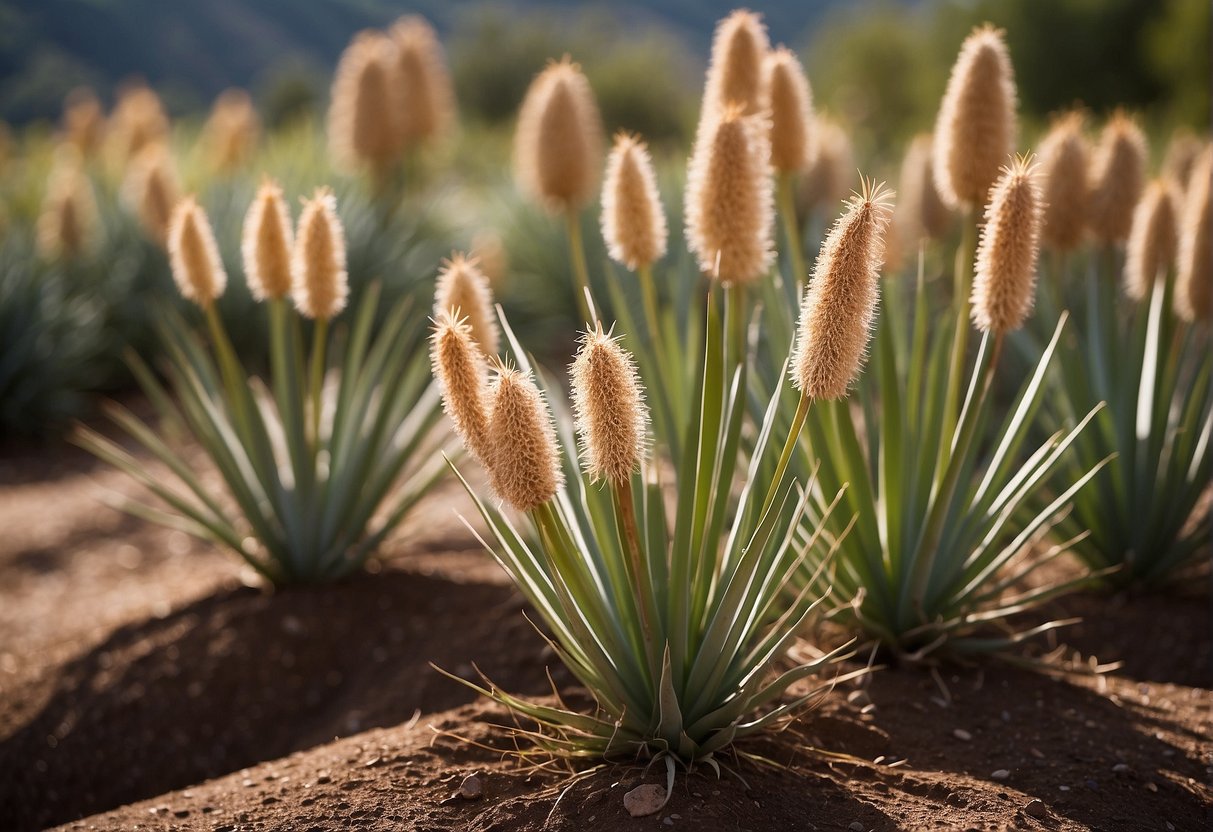
What Are the Water Requirements for Red Tip Yucca Plants: A Comprehensive Guide
Should you be interested in cultivating a red tip yucca plant, it’s essential to be aware of its hydration needs. Originating from the Chihuahuan Desert, these plants have naturally evolved to endure arid conditions. Nonetheless, adequate water is vital for their health and growth. This article will delve into the ideal watering practices for red tip yucca plants and address common queries concerning the maintenance of these distinctive desert dwellers.
Optimal Growing Conditions
Before we dive into watering, let’s briefly touch on the optimal growing conditions for red tip yucca plants. These plants prefer full sun and well-draining soil. They can tolerate a range of temperatures, from below freezing to over 100 degrees Fahrenheit. However, they don’t do well in humid conditions, so it’s important to ensure good air circulation around the plant. Now, let’s move on to watering and humidity.
Key Takeaways
- Red tip yucca plants are well adapted to drought conditions, but still need water to survive and thrive.
- These plants prefer full sun and well-draining soil, and don’t do well in humid conditions.
- When watering red tip yucca plants, it’s important to avoid overwatering and to allow the soil to dry out between waterings.
Optimal Growing Conditions
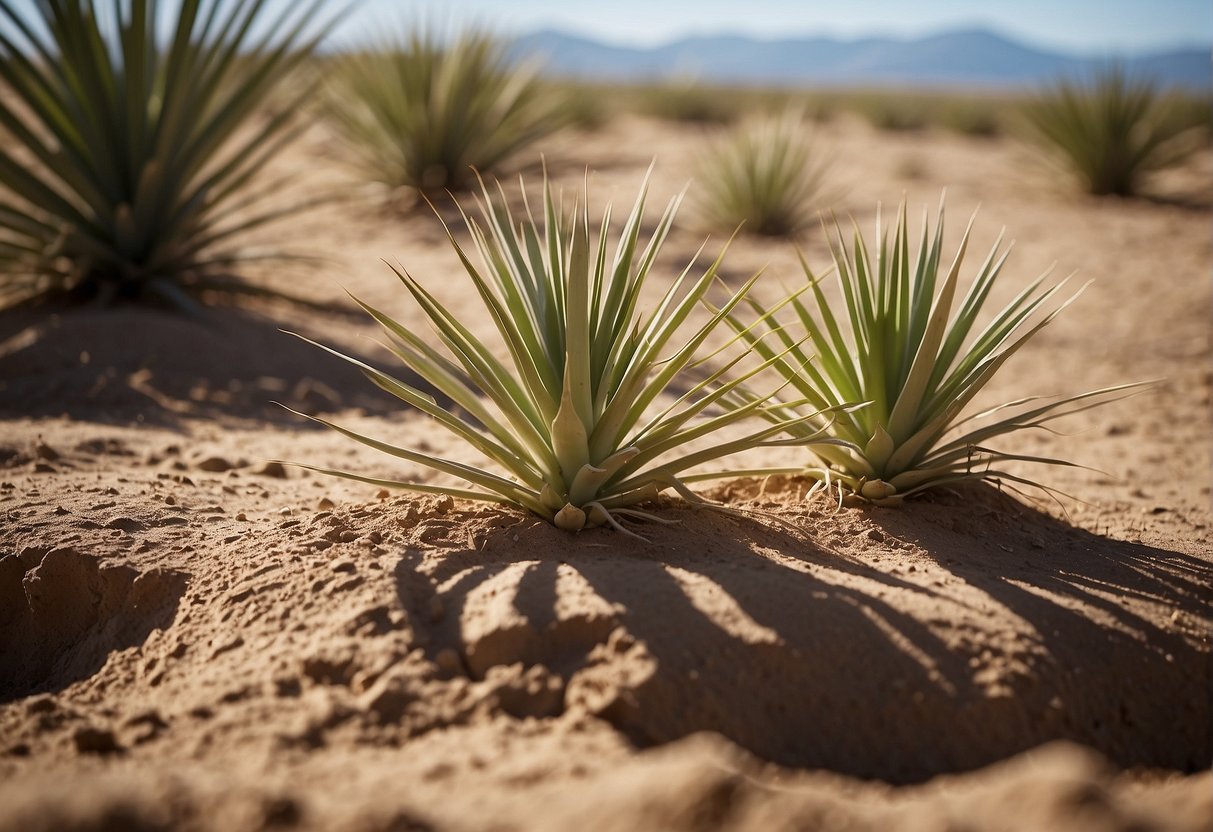
When it comes to growing red tip yucca plants, it is important to provide them with the right growing conditions to ensure their optimal growth. In this section, we will discuss the optimal soil preferences, light, and temperature requirements for red tip yucca plants.
Soil Preferences
Red tip yucca plants are hardy evergreen plants that are commonly grown outdoors in desert regions of Texas and Mexico. These plants prefer well-drained soil that is rich in sand and potting soil. The soil should be loamy and should not hold water for long periods of time as this can lead to root rot.
Light and Temperature
Red tip yucca plants require full sunlight to grow and thrive. They can tolerate a wide range of temperatures, but they prefer warm weather patterns. The ideal temperature range for these plants is between 60 and 80 degrees Fahrenheit. If you are growing red tip yucca plants indoors, it is important to place them in a sunny location, such as a south-facing window, to ensure they receive enough sunlight.
In summary, to ensure the optimal growth of your red tip yucca plants, it is important to provide them with well-drained soil that is rich in sand and potting soil, and to place them in a sunny location where they can receive full sunlight. Additionally, you should aim to keep the temperature between 60 and 80 degrees Fahrenheit for optimal growth.
Watering and Humidity
Watering Techniques
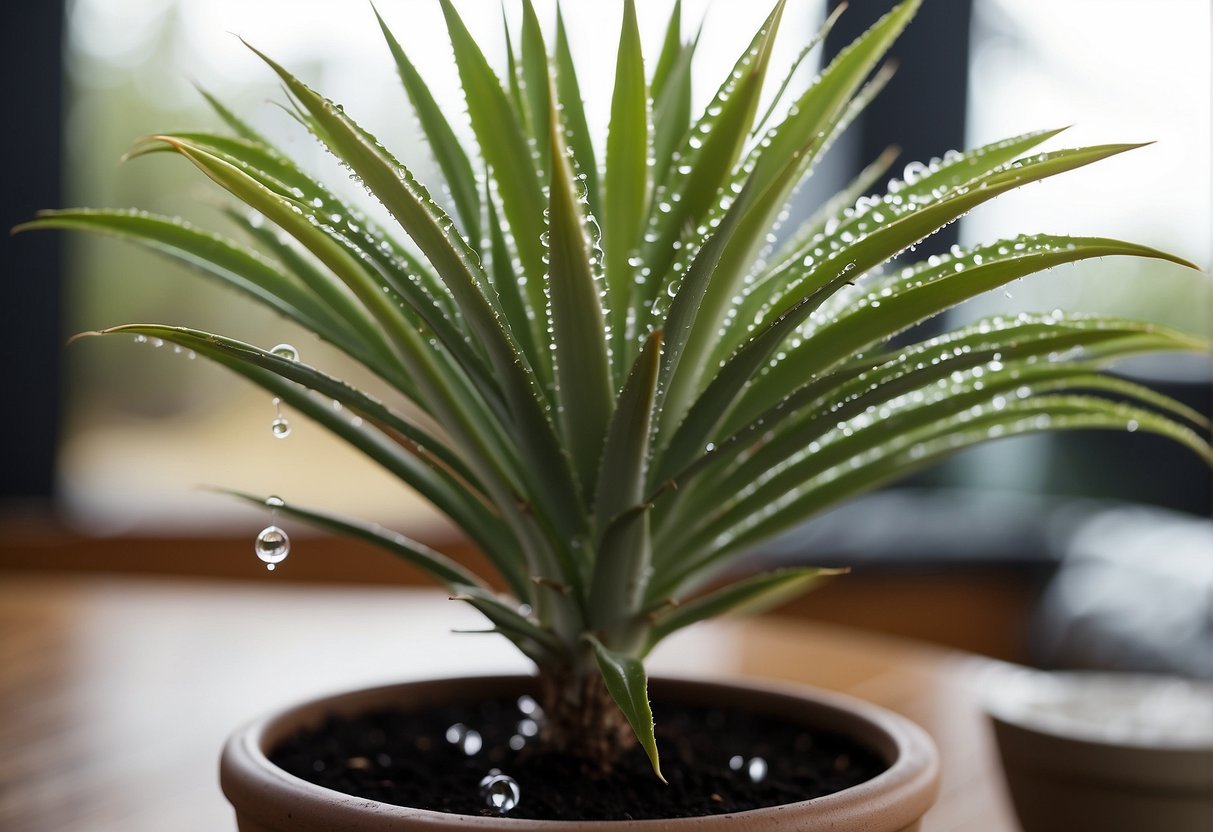
Red tip yucca plants are drought-tolerant succulents that require little water. However, when planted outdoors, they need to be watered regularly during the first few months to establish a strong root system. Afterward, you can water them once a week or whenever the top few inches of soil feel dry to the touch.
If you are growing red tip yucca plants in containers, make sure the container has drainage holes to prevent standing water. Overwatering can lead to root rot, while underwatering can cause the plant to become dehydrated and wilt.
To avoid overwatering, water the plant until the water starts to drain out of the drainage holes. If there is still standing water in the saucer after an hour, empty it out to prevent the roots from sitting in water.
Humidity and Drainage
Red tip yucca plants prefer dry conditions and do not require high humidity. However, they do need well-draining soil to prevent water from accumulating around the roots. If the soil does not drain well, the plant may become waterlogged, leading to root rot.
To improve drainage, you can mix sand or perlite into the soil before planting. Additionally, make sure the container has drainage holes or plant them in a raised bed to allow excess water to drain away from the roots.
In summary, red tip yucca plants are drought-tolerant and require little water. When watering, make sure to water deeply and allow the soil to dry out before watering again. They also require well-draining soil to prevent root rot. By following these watering and humidity techniques, your red tip yucca plant will thrive in your outdoor garden or indoor container garden.
Care and Maintenance
Red tip yucca plants are quite hardy and require minimal maintenance. However, proper care is crucial for their growth and overall health. Here are some tips on how to care for and maintain your red tip yucca plant.
Fertilizing and Pruning
Fertilizing your red tip yucca plant is essential for its growth and overall health. During the growing season, you should fertilize your plant every two weeks with a balanced fertilizer that contains nitrogen and phosphorus. Avoid fertilizing during the dormant period, which is usually in the winter.
Pruning is also an important part of maintaining your red tip yucca plant. Use pruning shears to remove damaged foliage and yellowing leaves. This will help your plant to focus its energy on new growth. You can also prune the seed pod after the flowers have bloomed.
Pests and Diseases
Red tip yucca plants are relatively pest and disease-resistant. However, they can still be susceptible to root rot if they are overwatered or planted in poorly-draining soil. Signs of root rot include a spongy trunk and yellowing leaves. To prevent root rot, make sure to plant your yucca in well-draining soil and avoid overwatering.
If you notice any pests on your plant, such as mealybugs or spider mites, you can use a mild insecticide to get rid of them. Plant diseases are rare in red tip yucca plants, but if you notice any signs of disease, such as black spots or wilting leaves, you should remove the affected leaves and treat the plant with a fungicide.
Overall, with proper care and maintenance, your red tip yucca plant can thrive and add beauty to your garden or home.
Propagation and Planting
Planting Guidelines
Red tip yucca plants are a great addition to any garden due to their hardiness and low maintenance requirements. They are native to mesquite groves, prairies, and rocky slopes of Texas, New Mexico, and northeastern Mexico. These plants are also known as hesperaloe parviflora, coral yucca, false yucca, and banana yucca.
When planting red tip yucca plants, it is important to consider their growth and root system. As a perennial plant, they can grow up to 3 feet tall and wide. They also have a deep and extensive root system, which helps them to survive in hot and dry conditions.
To plant red tip yucca, choose a sunny location with well-draining soil. If you are planting in a container, make sure it has drainage holes and use a potting mix specifically formulated for cacti and succulents. When planting in the ground, dig a hole twice the size of the root ball and backfill with a mixture of sand, gravel, and soil.
Propagation Methods
Red tip yucca plants can be propagated through clump division or pups. Clump division involves separating the plant into smaller sections, each with its own roots and foliage. This method is best done in the spring or fall when the plant is not actively growing.
To propagate through pups, wait until the parent plant produces small offsets or “pups” around its base. Once the pups are large enough, carefully remove them from the parent plant and plant them in a new location.
When propagating red tip yucca plants, it is important to use a sharp and clean tool to prevent damage to the plant. It is also important to keep the newly propagated plant in a shaded area for a few days to allow it to acclimate to its new environment.
Overall, red tip yucca plants are a great addition to any garden due to their low maintenance requirements and stunning tubular flowers that attract hummingbirds. By following these planting and propagation guidelines, you can successfully grow and propagate your own red tip yucca plants.
Frequently Asked Questions
How often should you water a red yucca plant?
Red yucca plants require watering once a week during the growing season. During the winter months, you can reduce watering to once every two weeks. However, the frequency of watering may vary depending on the climate, soil type, and pot size.
Can red yucca plants survive long periods without water?
Yes, red yucca plants are drought tolerant and can survive long periods without water. However, it is important to avoid overwatering or underwatering your plant, as this can affect its health and growth.
What are the signs of overwatering in red yucca plants?
Overwatering can lead to root rot, which can cause the plant to wilt, yellow, or drop its leaves. Other signs of overwatering include soft or mushy leaves, slow growth, and a foul smell coming from the soil.
Is there a specific watering schedule for red yucca plants in hot climates?
In hot climates, you may need to water your red yucca plant more frequently to prevent it from drying out. However, it is important to avoid watering too frequently, as this can cause root rot. Monitor the soil moisture level and adjust your watering schedule accordingly.
How does pot size affect the watering needs of a red yucca?
The size of the pot can affect the watering needs of your red yucca plant. Plants in larger pots require less frequent watering, as they can hold more soil moisture. Conversely, plants in smaller pots may require more frequent watering, as they dry out more quickly.
What is the ideal soil moisture level for a healthy red yucca plant?
The ideal soil moisture level for a healthy red yucca plant is slightly moist, but not waterlogged. You can check the soil moisture level by inserting your finger into the soil up to the second knuckle. If the soil feels dry, it is time to water your plant. If it feels moist, wait a few more days before watering.

