
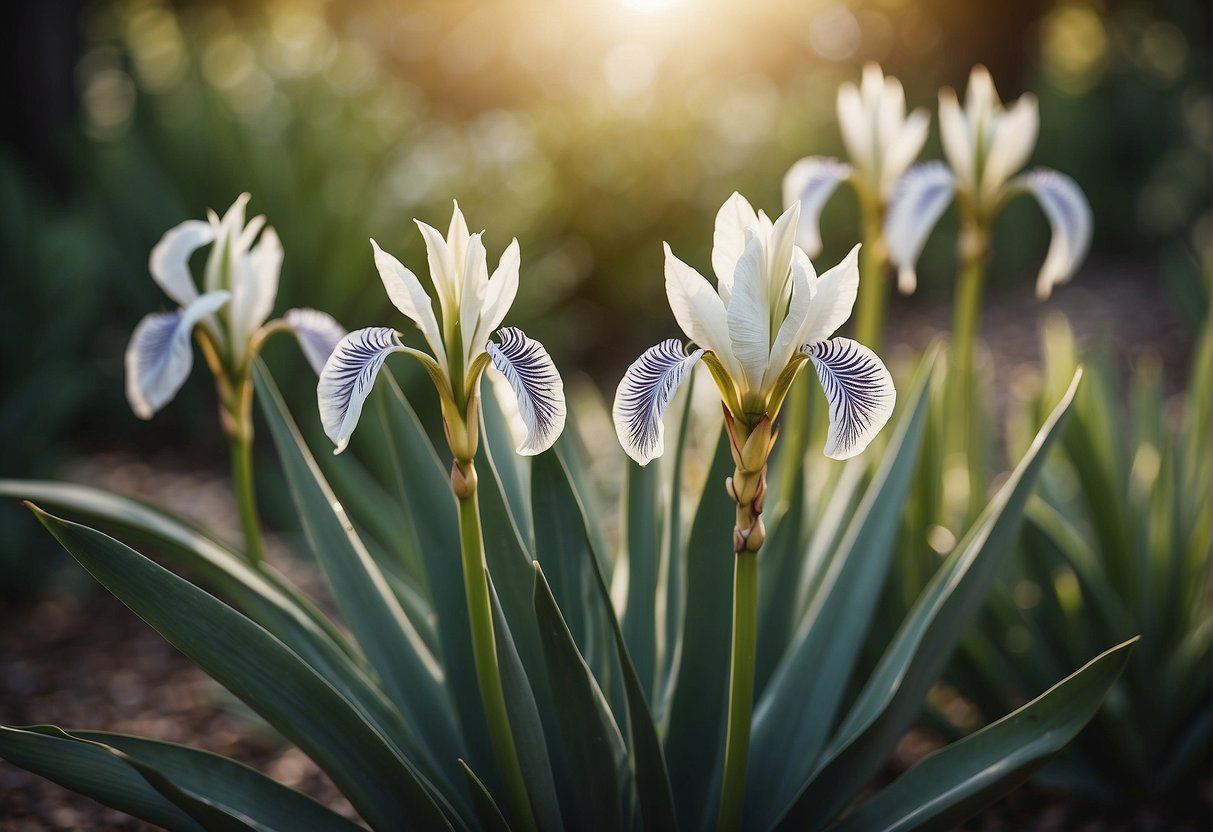
What are Pods on Iris and Yucca Plants: A Comprehensive Guide
If you have a passion for plants, it’s possible that you’ve noticed pods on both iris and yucca species. These pods play a crucial role in how these plants reproduce, presenting a visually intriguing aspect of their lifecycle. But what are these pods, and how do they impact the overall well-being and development of the plant? We will dive deeply into the world of pods found on iris and yucca plants in this discussion, offering insights to enrich your knowledge of these captivating flora.
Understanding Iris and Yucca Plant Pods
When it comes to iris and yucca plants, pods are a normal part of their reproductive cycle. These pods are formed after the plant has bloomed and the flowers have been pollinated. They contain seeds that will eventually grow into new plants. The size and shape of the pods can vary depending on the species of plant, but they are usually elongated and cylindrical.
Cultivation and Care
If you’re growing iris or yucca plants, it’s important to understand how to care for them properly. While pods are a natural part of the plant’s growth, you’ll want to make sure that the plant is getting the right amount of water, sunlight, and nutrients to ensure healthy growth. Additionally, you may want to consider pruning the plant to encourage more blooms and pods. By understanding how to care for your plants, you can enjoy their beauty and unique reproductive process for years to come.
Key Takeaways
- Iris and yucca plant pods are a natural part of the plant’s reproductive cycle.
- Proper care and cultivation are important for healthy plant growth and pod development.
- Understanding the role of pods in the plant’s life cycle can help you appreciate these fascinating plants even more.
Understanding Iris and Yucca Plant Pods
If you have ever grown iris or yucca plants, you may have noticed small pods forming on them. These pods are an important part of the plant’s reproductive process and can provide valuable information about the plant’s health.
Seed Pods and Their Role
The pods that form on iris and yucca plants are called seed pods. Their role is to contain and protect the plant’s seeds until they are mature enough to be dispersed. Seed pods come in different shapes, sizes, and colors, depending on the plant species.
Seed pods are an essential part of the plant’s reproductive cycle. When the plant blooms, it produces flowers that are pollinated by insects or wind. Once the flowers are pollinated, they begin to wither and die, and the seed pods start to form. The seeds inside the pods will eventually mature and be released, allowing the plant to reproduce.
Pod Development and Bloom Cycle
The development of seed pods can provide important information about the health and maturity of the plant. For example, if the plant is not getting enough water or nutrients, the seed pods may not develop properly, and the plant may not produce as many seeds.
The bloom cycle of iris and yucca plants can also affect the development of seed pods. Some species of iris and yucca plants only bloom once a year, while others may bloom multiple times throughout the year. The timing of the bloom cycle can affect when the seed pods develop and when the seeds are dispersed.
In conclusion, seed pods are an important part of the reproductive process for iris and yucca plants. By understanding the role and development of seed pods, you can gain valuable insights into the health and maturity of your plants.
Cultivation and Care
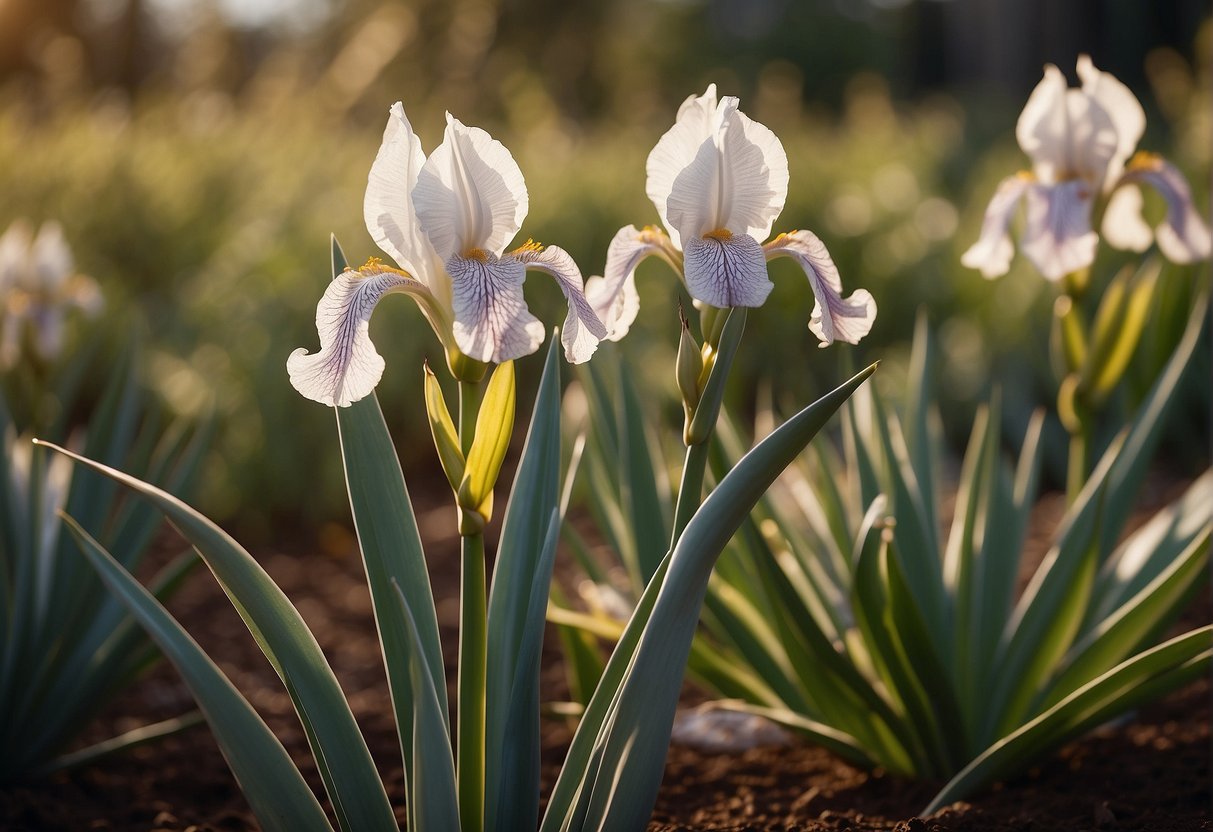
Planting and Propagation
When planting iris and yucca plants, it is important to choose a well-drained soil that is rich in organic matter. You can plant them in pots or containers with drainage holes, or directly in the ground. To propagate iris and yucca plants, you can use offsets, cuttings, or division.
Soil and Water Requirements
Iris and yucca plants prefer well-drained soil that is slightly acidic to neutral. They require regular watering, especially during the growing season. However, be careful not to overwater them as they can be susceptible to root rot.
Light and Temperature Needs
Iris and yucca plants prefer full sun to partial shade. They can tolerate a wide range of temperatures, from hot and dry to cold and snowy. However, they may need protection from extreme temperatures, such as frost or heatwaves.
Maintenance and Pruning
Maintaining iris and yucca plants is relatively easy. Regular pruning can help keep them healthy and looking their best. Remove dead or damaged leaves and flowers to promote new growth. Fertilize them once or twice a year with a balanced fertilizer. If you are growing them in pots, make sure to repot them every few years to ensure they have enough space to grow.
In summary, iris and yucca plants are easy to care for and can be propagated using various methods. By following these simple guidelines for planting, soil and water requirements, light and temperature needs, and maintenance and pruning, you can enjoy beautiful and healthy plants both indoors and outdoors.
Common Challenges
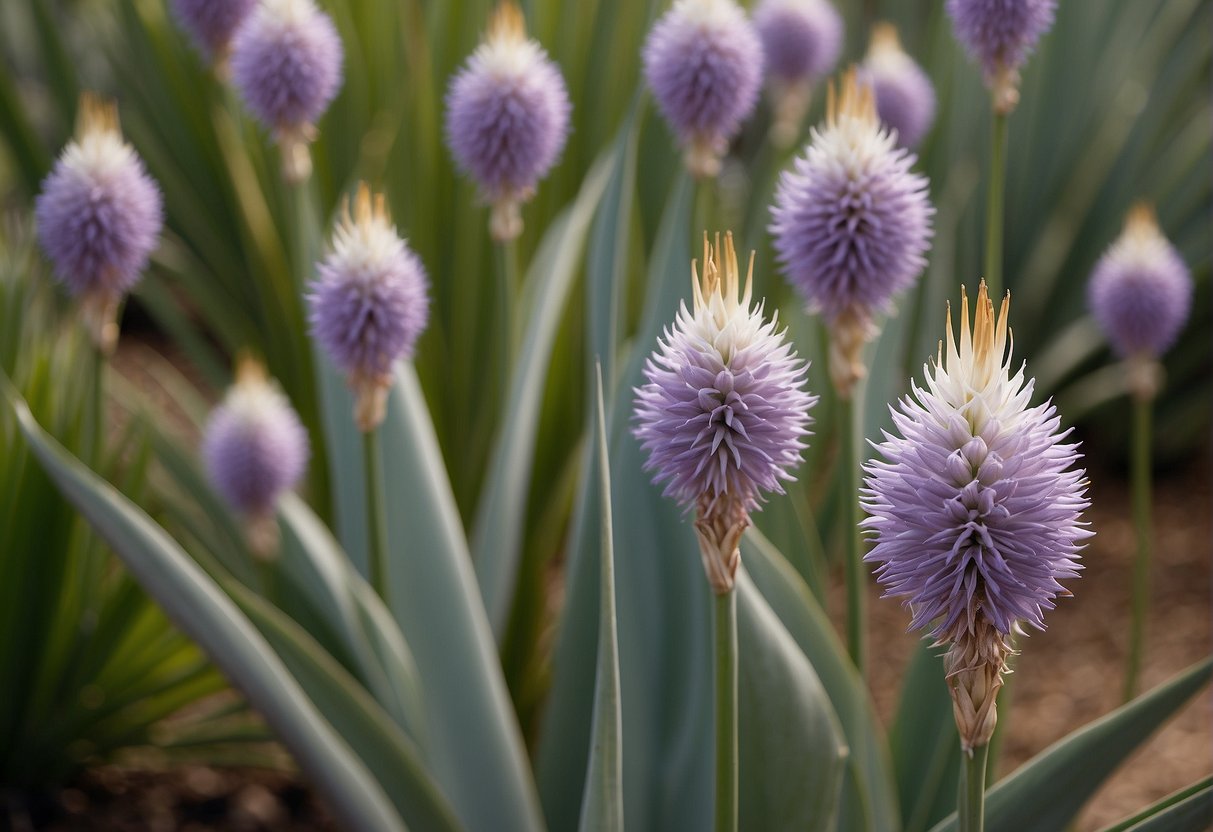
When growing iris and yucca plants, there are several common challenges that you may encounter. Understanding these challenges and how to address them can help you maintain healthy and thriving plants.
Pests and Diseases
One of the most common challenges when growing iris and yucca plants is dealing with pests and diseases. Some of the pests that can affect these plants include aphids, thrips, and spider mites. These pests can cause damage to the leaves and flowers of the plants, and can even spread diseases.
Diseases that can affect iris and yucca plants include bacterial soft rot, fungal leaf spot, and viral infections. These diseases can cause discoloration, wilting, and other damage to the plants.
To prevent and address pest and disease issues, it’s important to maintain good plant hygiene, such as removing dead leaves and flowers. You can also use organic or chemical treatments to control pests and diseases.
Environmental Stressors
Another challenge that may affect iris and yucca plants is environmental stressors. These can include extreme temperatures, drought, and poor soil conditions. In particular, root rot can be a problem for these plants if they are overwatered or planted in poorly-draining soil.
To address environmental stressors, it’s important to choose the right location for your plants and to provide proper care. This may include watering your plants deeply but infrequently, providing shade during hot weather, and fertilizing your plants with appropriate nutrients.
By being aware of these common challenges and taking proactive steps to address them, you can help ensure that your iris and yucca plants thrive and remain healthy.
Frequently Asked Questions
How do you handle seed pods on irises after flowering?
After irises have finished flowering, it is important to remove the spent blooms to prevent the formation of seed pods. If seed pods do form, you can cut them off at the base of the stem to prevent the plant from putting energy into seed production. This will encourage the plant to focus its energy on growing and producing more flowers.
What is the proper timing for removing yucca seed pods?
Yucca seed pods can be removed once they have turned brown and dry. This typically occurs in the late summer or early fall. It is important to wait until the pods are fully mature before harvesting the seeds.
Are iris seed pods considered toxic to humans or pets?
While iris seed pods are not toxic to humans or pets, they are not edible and should not be consumed. It is important to keep them out of reach of children and pets to prevent accidental ingestion.
What is the best method for harvesting seeds from yucca plants?
To harvest seeds from yucca plants, wait until the seed pods have turned brown and dry. Then, cut the pods off the plant and allow them to dry for several days. Once the pods are dry, you can break them open to remove the seeds.
Can you describe the appearance of iris seeds within their pods?
Iris seeds are small, hard, and black. They are typically found within a triangular-shaped pod that splits open when the seeds are mature.
Is it necessary to remove seed pods from irises for plant health?
While it is not necessary to remove seed pods from irises for plant health, doing so can help encourage the plant to produce more flowers. Removing spent blooms and seed pods also helps to prevent the spread of diseases and pests.

