
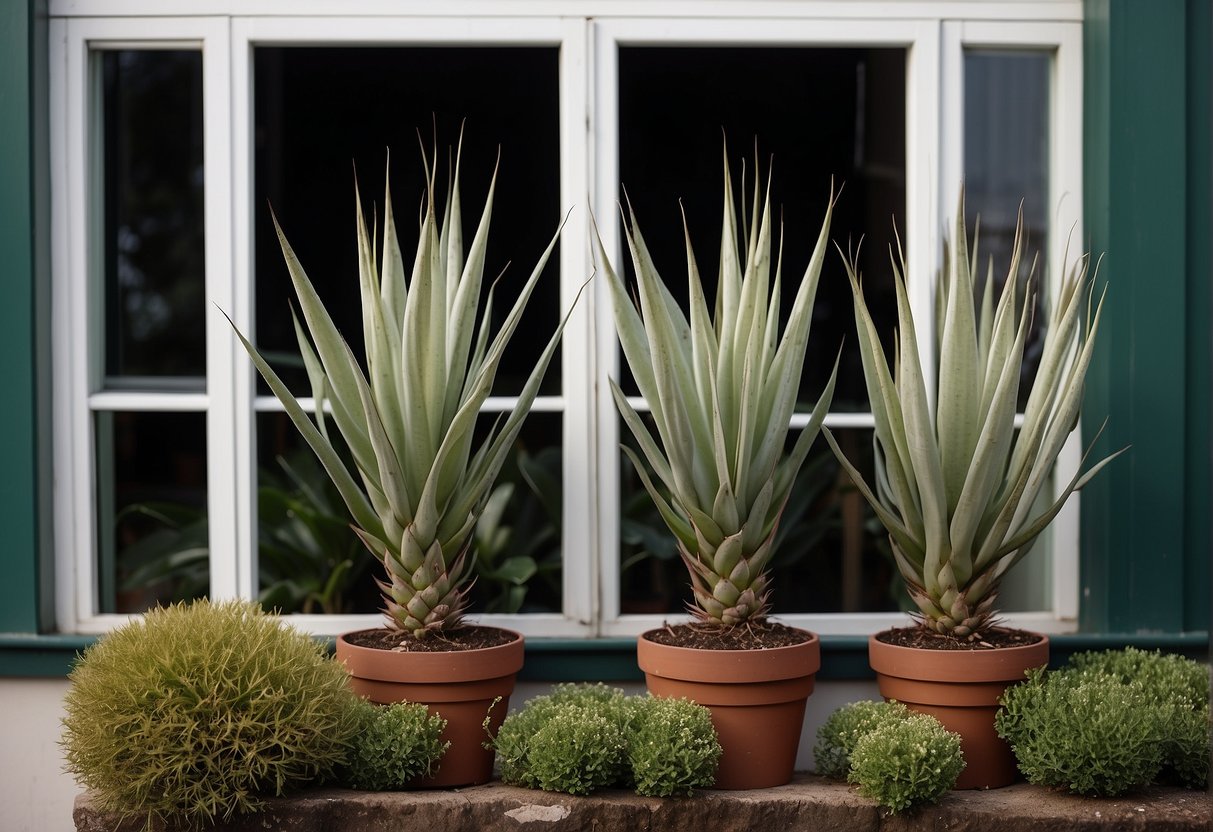
How to Incorporate Three Yucca Plants in Your Small Window Front Garden
Should you wish to introduce some plant life to your compact garden by the window, yucca plants present an excellent choice. These resilient succulents require minimal upkeep and can lend an exceptional flair to your exterior area. Through this piece, we will guide you on employing three distinct species of yucca to fashion an attractive and practical garden by your window front.
First, we’ll help you select the right yucca species for your garden based on your climate and personal preferences. Then, we’ll cover planting and soil requirements to ensure your yuccas thrive in their new home. We’ll also provide tips for caring for and maintaining your yucca plants, so they continue to look great year-round.
By the end of this article, you’ll have all the knowledge you need to design a stunning window front garden with yuccas. Whether you’re a seasoned gardener or just starting out, these versatile plants are sure to impress. So let’s get started!
Key Takeaways
- Yucca plants are a great choice for a small window front garden.
- Select the right yucca species for your climate and preferences.
- Proper planting, soil, and care are essential for healthy yucca plants.
Selecting the Right Yucca Species
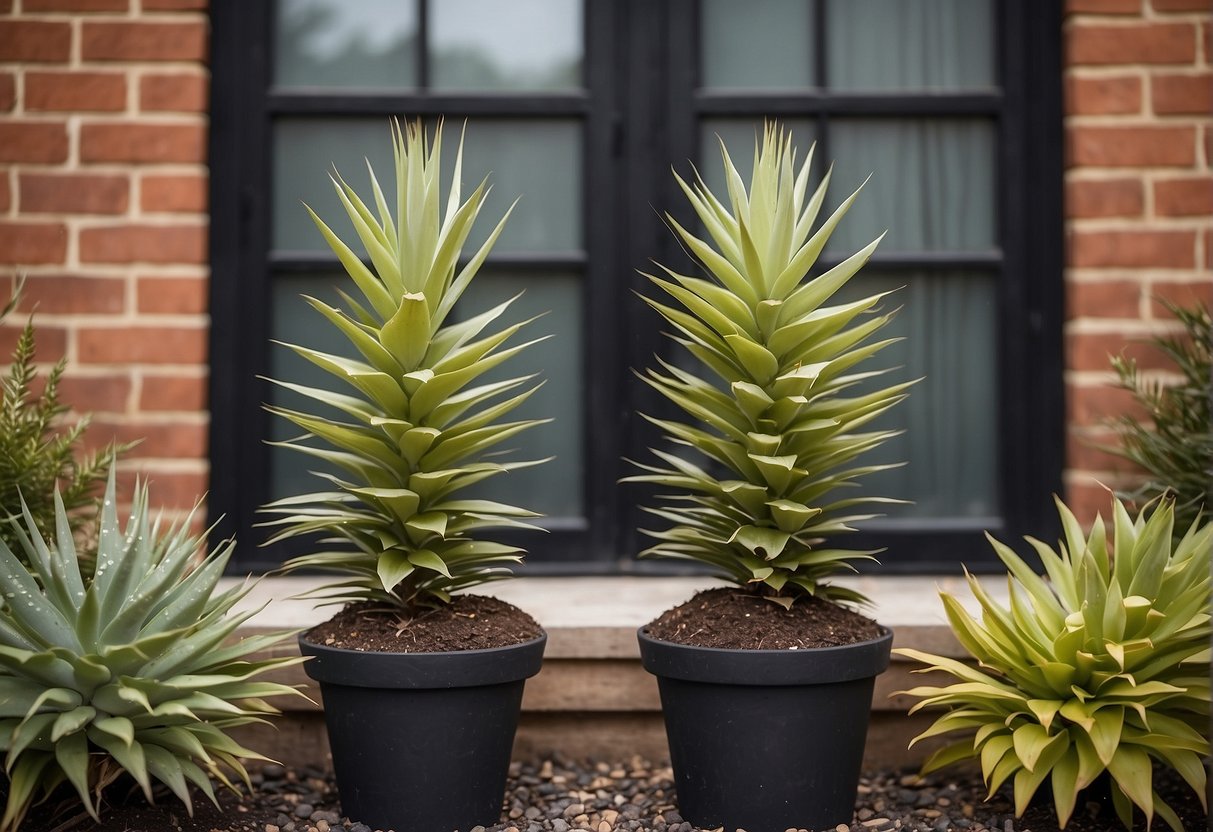
When it comes to selecting the right yucca species for your small window front garden, there are a few things to consider. In this section, we’ll cover the basics of understanding yucca plant varieties, matching yuccas to your climate zones, and considering yucca plants for small spaces.
Understanding Yucca Plant Varieties
Yucca plants come in a variety of sizes and shapes, from small shrubs to towering trees. Some common types of yucca include Yucca filamentosa, Spanish bayonet, Yucca elephantipes, Yucca aloifolia, Yucca flaccida, and Yucca gigantea. Each species has its own unique characteristics, such as leaf shape, flower color, and hardiness.
Matching Yuccas to Your Climate Zones
Yuccas are hardy perennials that can grow in a range of climate zones. However, it’s important to choose a species that is well-suited to your specific climate. For example, Yucca filamentosa is a cold-hardy species that can withstand freezing temperatures, while Yucca elephantipes prefers warm, tropical climates.
Considering Yucca Plants for Small Spaces
If you’re working with a small window front garden, it’s important to choose a yucca species that won’t outgrow its space. Some smaller yucca varieties include Yucca filamentosa ‘Color Guard’, which grows to around 2-3 feet tall, and Yucca flaccida ‘Golden Sword’, which reaches a similar height. Alternatively, you could consider planting a taller yucca in a container, which will limit its growth and make it easier to manage.
By considering the different types of yucca species, matching them to your climate zones, and selecting the right size for your small space, you can create a beautiful and low-maintenance window front garden that will thrive for years to come.
Planting and Soil Requirements
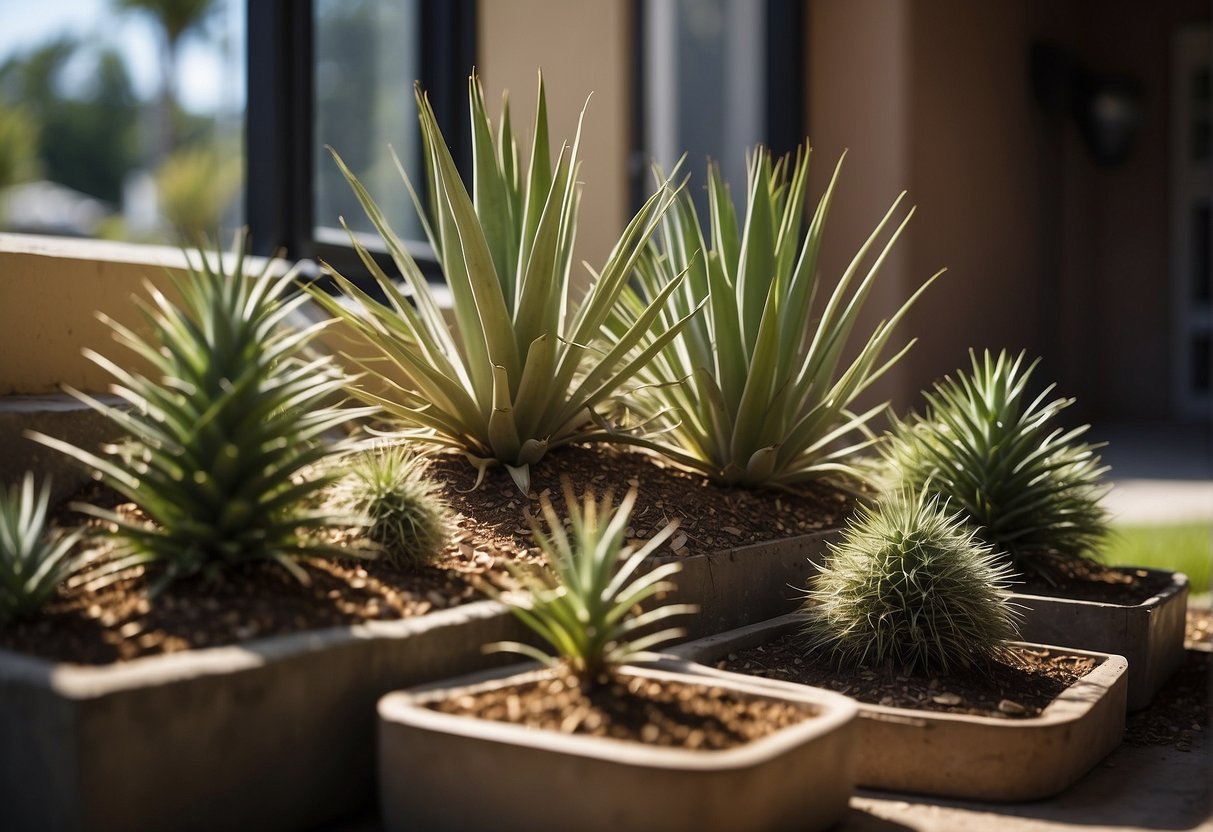
When it comes to planting yuccas in a small window front garden, it is important to ensure that the soil is well-draining and sandy. Yuccas belong to the genus Yucca and prefer well-drained soil that is slightly acidic with a pH range of 6.0 to 7.0. Here are some tips on how to prepare the soil and plant yuccas in containers.
Preparing the Soil for Yuccas
Before planting yuccas, it is essential to prepare the soil correctly. Start by removing any weeds or debris from the planting area. Mix in some sand to the soil to improve drainage and ensure that the soil is well-draining. If the soil is heavy and poorly drained, consider adding some peat moss or perlite to improve soil aeration.
Planting Yuccas in Containers
If you are planting yuccas in containers, choose pots that are at least 12 inches in diameter and have drainage holes at the bottom. Fill the pots with a well-draining potting soil mix that is specifically formulated for container plants. Yuccas prefer sandy soil, so you may want to add some sand to the potting mix to improve drainage. When planting yuccas in containers, ensure that the plant is at the same depth as it was in its original pot. Water the plant thoroughly after planting to help the soil settle around the roots.
Ensuring Proper Drainage
Proper drainage is crucial for yuccas to thrive. If the soil is too wet, the roots can rot, and the plant can die. To ensure proper drainage, make sure that the planting area or container has drainage holes at the bottom. If planting in a container, elevate the pot slightly off the ground to allow excess water to drain away. Avoid over-watering yuccas, and allow the soil to dry out slightly between waterings.
By following these planting and soil requirements, you can successfully grow yuccas in a small window front garden. Remember to choose well-draining soil, plant in containers if necessary, and ensure proper drainage to keep your yuccas healthy and thriving.
Yucca Plant Care and Maintenance
Yucca plants are a great addition to any small window front garden, providing a low maintenance and drought-tolerant option that adds visual interest with their unique rosettes and tall spikes of cream-colored flowers. Here are some tips for caring for and maintaining your yucca plants.
Watering and Light Requirements
Yucca plants thrive in full sun and prefer well-draining soil. Watering should be done sparingly, allowing the soil to dry out between waterings. Overwatering can lead to root rot, so it’s important to be mindful of the moisture levels in the soil. In addition to watering, misting the leaves occasionally can help increase humidity levels and promote healthy growth.
Pruning and Propagation Techniques
Pruning yucca plants can help keep them at a manageable height and remove any dead or damaged leaves. When pruning, be sure to use clean, sharp tools and cut at an angle to prevent damaging the plant. Yucca plants can also be propagated through cuttings or by seed. When propagating through cuttings, be sure to let the cuttings dry out for a few days before planting to prevent rotting.
Preventing Pests and Diseases
Yucca plants are generally hardy and resistant to pests and diseases, but they can occasionally fall victim to mealybugs or yucca moths. Regularly inspecting your plants for signs of pests or diseases can help catch any issues early on. If you do notice a problem, there are a variety of natural and chemical treatments available to help control the issue.
Overall, yucca plants are a great choice for a low maintenance, drought-tolerant addition to your small window front garden. With proper care and maintenance, these plants can thrive and add a unique touch to your landscape.
Designing Your Window Front Garden with Yuccas
If you’re looking to add some greenery to your window front garden, yuccas are a great option. These plants are hardy, easy to care for, and can add a touch of the wild to your landscape. Here are some tips on how to design your window front garden with yuccas.
Incorporating Yuccas into the Landscape
When designing your window front garden, it’s important to consider the overall landscape. Yuccas are great for adding texture and visual interest to your garden. They also thrive in hot, dry conditions, making them perfect for window front gardens that receive lots of direct sunlight.
To incorporate yuccas into your landscape, consider planting them in clusters of three. This will create a more natural look and help to fill out your garden. You can also mix and match different varieties of yuccas to create a more diverse landscape.
Choosing Companion Plants and Containers
When choosing companion plants for your yuccas, it’s important to consider their water and light requirements. Yuccas prefer well-draining soil and don’t need a lot of water, so choose plants that have similar needs. Succulents and cacti are great options, as are other drought-tolerant plants like lavender and rosemary.
When it comes to containers, choose something that complements the look of your yuccas. Terracotta pots are a classic choice, but you can also opt for something more modern like a metal planter. Just make sure the container has good drainage and is large enough to accommodate the root system of your yuccas.
Creating Visual Interest with Foliage and Flowers
While yuccas are known for their sword-shaped leaves and flower spikes, they also come in a variety of colors and textures. Some varieties have blue-green or variegated foliage, while others have pink or fragrant white flowers. By mixing and matching different varieties, you can create a visually interesting landscape that will add curb appeal to your home.
To create even more interest, consider adding some spineless yucca moths to your garden. These moths are attracted to the flowers of the yucca plant and can help to pollinate them. They also add another layer of interest to your garden and can help to attract other wild creatures.
By incorporating yuccas into your window front garden, you can create a beautiful and low-maintenance landscape that will add value to your home. Just remember to choose companion plants that have similar water and light requirements, and to mix and match different varieties of yuccas to create a diverse landscape.
Frequently Asked Questions
What are the spacing requirements for planting multiple yucca plants in a small garden area?
When planting multiple yucca plants in a small garden area, it is important to space them properly to ensure they have enough room to grow and thrive. As a general rule, yucca plants should be spaced at least 2-3 feet apart, depending on the size of the plant. This will give them enough room to spread out and grow without competing for resources.
How can I control the height of yucca plants to fit a limited vertical space?
If you have a limited vertical space in your small window front garden, you can control the height of your yucca plants by pruning them regularly. To do this, simply trim back the top of the plant to the desired height using a sharp pair of shears. Be sure to prune the plant in the spring or fall, when it is not actively growing, to avoid damaging the plant.
What are the best practices for propagating yucca plants, particularly in a small garden setting?
Propagating yucca plants can be a great way to expand your small garden space. The best way to propagate yucca plants is through division. To do this, carefully dig up the plant and separate the roots into smaller sections, each with its own stem and leaves. Plant these sections in a new location and water them regularly until they have established themselves.
Which yucca species are most suitable for growing indoors or in small outdoor garden spaces?
Yucca plants are versatile and can be grown both indoors and outdoors in small garden spaces. Some of the most popular species for indoor or small outdoor gardens include Yucca elephantipes, Yucca aloifolia, and Yucca gloriosa. These species are known for their compact size and ability to thrive in low light conditions.
How often should yucca plants be fertilized when planted in a confined garden space?
When planted in a confined garden space, yucca plants should be fertilized once a year in the spring. Use a slow-release fertilizer that is high in nitrogen to promote healthy growth and development. Be sure to follow the instructions on the fertilizer package carefully to avoid over-fertilizing, which can damage the plant.
What are the optimal conditions for yucca plants to thrive in a small window front garden?
Yucca plants thrive in full sun and well-draining soil. In a small window front garden, it is important to choose a location that receives at least 6 hours of direct sunlight per day. The soil should be well-draining, with a pH between 6.0 and 7.0. Water the plants regularly, but be careful not to overwater, as yucca plants are susceptible to root rot.

