
How to Thin Red Yucca Plants: A Step-by-Step Guide
Should you possess a red yucca plant within your garden space, a time may come when it’s necessary to prune it. Pruning involves the elimination of select leaves or stems from the plant to facilitate robust growth and to avert excessive crowding. Known scientifically as Hesperaloe parviflora, these red yucca plants originate from Texas and New Mexico and have gained popularity in gardens throughout the southwest United States. They demand minimal upkeep and can enhance your garden’s aesthetic with their striking red blossoms.
Thinning your red yucca plant is a simple process, but it’s important to do it correctly to avoid damaging the plant. In this article, we’ll take a look at the steps you need to follow to thin your red yucca plant, including when to do it and what tools you’ll need. We’ll also cover some common problems you may encounter with your plant and how to troubleshoot them. By following these tips, you can ensure that your red yucca plant stays healthy and vibrant for years to come.
Key Takeaways
- Thinning your red yucca plant is an important part of maintaining its health and promoting growth.
- To thin your plant, you’ll need to carefully remove some of the leaves or stems using pruning shears.
- Common problems with red yucca plants include pests, diseases, and overwatering.
Understanding Red Yucca Plants
Species Overview
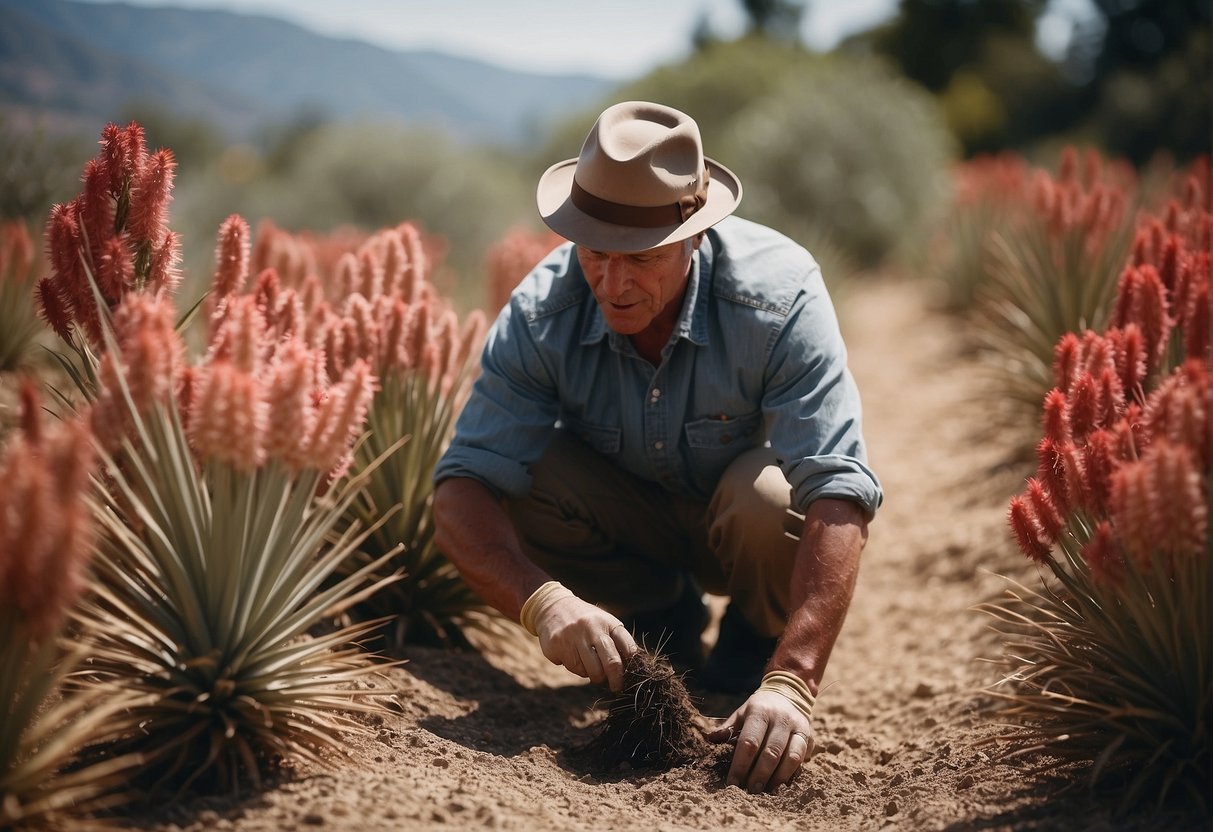
The Red Yucca plant, also known as Hesperaloe parviflora, is a drought-hardy succulent plant that is native to Texas, New Mexico, and Mexico. It is a popular landscape plant due to its vibrant red flowers and arching leaves. The plant can reach a height of 3-4 feet and has a lifespan of up to 15 years.
Optimal Growing Conditions
Red Yucca plants thrive in full sun and rocky, well-draining soil. They are drought-tolerant and do not require frequent watering. In fact, overwatering can lead to root rot and other health issues. The plant can also be grown in a container using a well-draining potting soil.
Recognizing Healthy vs. Unhealthy Plants
Healthy Red Yucca plants have green foliage and produce vibrant red flowers during the growing season. Unhealthy plants may have yellow or brown leaves, which can be a sign of overwatering or poor soil drainage. In addition, the plant may become leggy or stop producing flowers if it is not receiving enough sunlight.
When fertilizing Red Yucca plants, it is important to use a balanced fertilizer and avoid over-fertilizing, which can lead to excessive foliage growth and reduced flowering. Overall, Red Yucca plants are easy to care for and make a great addition to any home or landscape.
Propagation and Planting
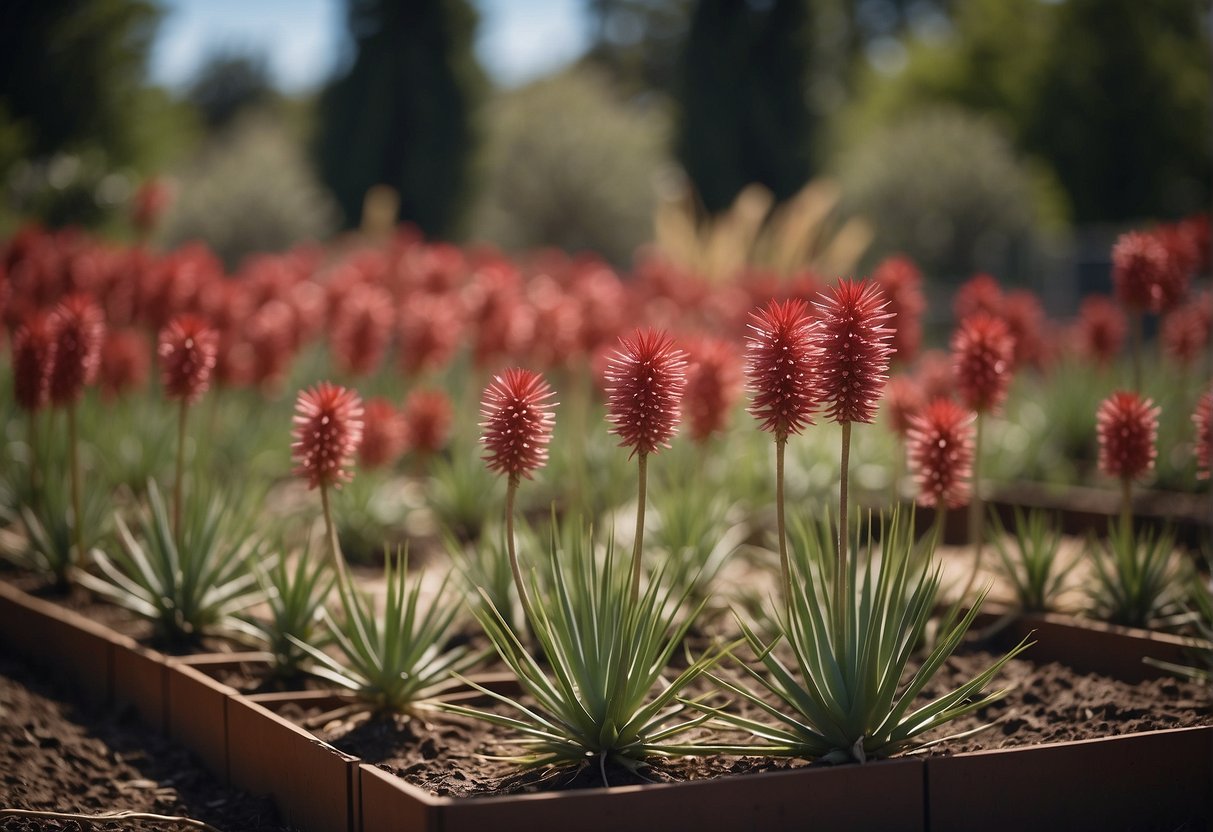
Red yucca plants can be propagated through seed or division methods. Once you have propagated your plant, it’s important to plant it properly to ensure healthy growth.
Seed Propagation
To propagate red yucca plants from seeds, you should start by collecting the seeds from the plant’s seedpods. The seeds should be planted in a well-draining soil mix that consists of sand, perlite, and potting soil. You should keep the soil moist and warm to encourage germination. Once the seeds have sprouted, you can transplant them to individual pots or directly into the ground.
Division Method
Another way to propagate red yucca plants is through the division method. This involves separating pups or offsets from the base of the plant and planting them in their own pots or directly in the ground. To do this, you should carefully remove the plant from its pot or dig it up from the ground. Gently separate the pups or offsets from the root ball and plant them in a well-draining soil mix.
Planting and Repotting
When planting or repotting red yucca plants, it’s important to choose a location with well-draining soil and good drainage. The plant prefers a sandy soil mix that is enriched with compost. When planting, make sure the root ball is level with the soil surface and firm the soil around the base of the plant. Water the plant thoroughly after planting.
If you are repotting, choose a pot that is only slightly larger than the current pot to avoid over-potting. Make sure the pot has drainage holes and fill it with a well-draining soil mix. Gently remove the plant from its current pot and loosen any tangled roots before planting it in the new pot. Water the plant thoroughly after repotting.
Pruning and Maintenance
Red yucca plants are low-maintenance and easy to care for, but pruning them is an essential part of keeping them healthy and beautiful. Pruning helps control their growth, remove damaged or dead leaves, and promote blooming. In this section, we will cover everything you need to know about pruning and maintaining red yucca plants.
When to Prune
The best time to prune red yucca plants is in the spring when new growth starts to emerge. This is also the time when the dead flower stalks should be removed to make way for new ones. However, if you notice any damaged or diseased leaves or stems, you should remove them immediately to prevent further damage.
How to Prune
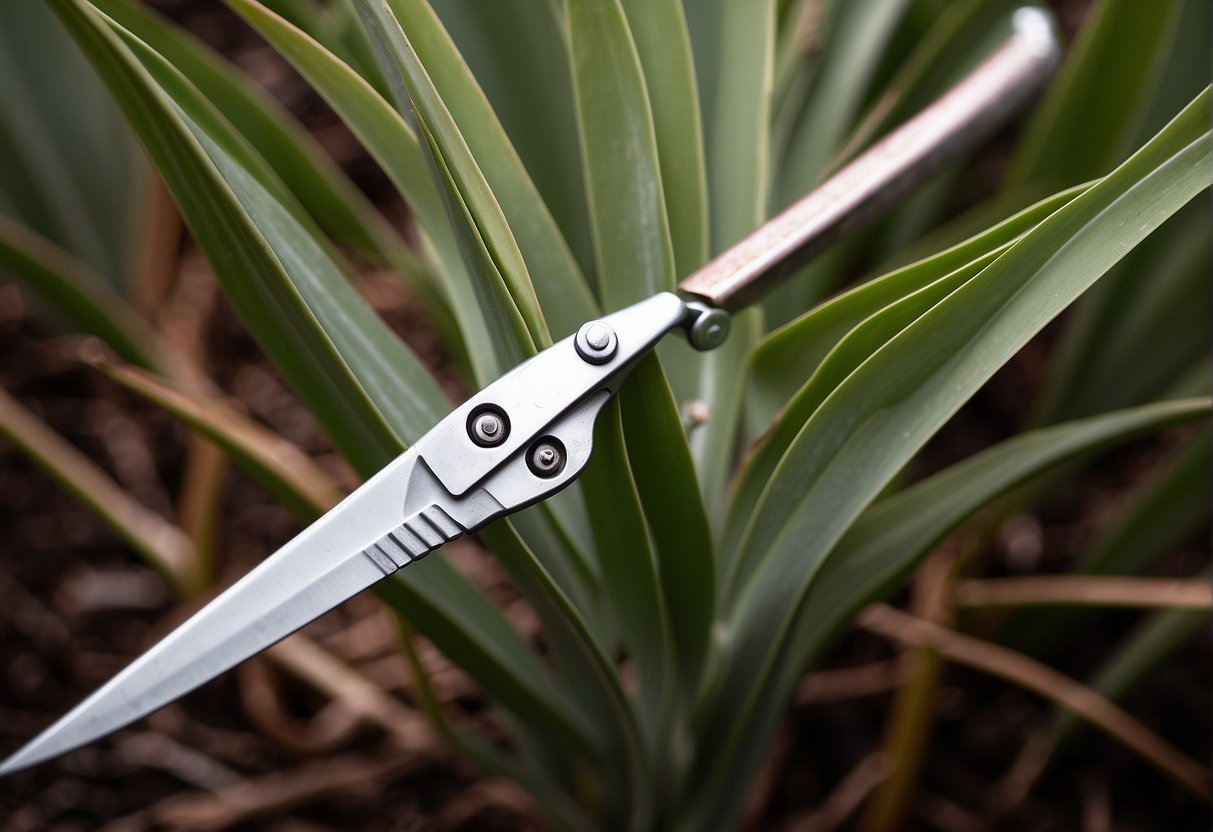
To prune your red yucca plant, you will need a pair of sharp pruning shears or pruners and a pair of gloves to protect your hands from the sharp leaves. Start by assessing the plant’s overall shape and removing any damaged or dead leaves or stems. Cut the damaged leaves or stems as close to the base as possible.
Next, remove any flower spikes that have finished blooming or are damaged. Cut the flower stalks as close to the base as possible, making sure not to damage any new growth. If you want to control the plant’s shape, you can also trim the tips of the stems.
Post-Pruning Care
After pruning your red yucca plant, it’s essential to give it proper aftercare. Water the plant thoroughly but avoid overwatering, which can lead to root rot. If you notice any brown or damaged leaves or shoots, remove them immediately to prevent disease from spreading. You can also apply a slow-release fertilizer to promote healthy growth.
Pruning and maintaining your red yucca plants not only promotes their health and growth but also enhances their aesthetics. By following these simple gardening tips, you can keep your red yucca plants looking beautiful and healthy all year round. Remember to wear safety glasses and gloves when pruning to protect yourself from any accidents.
Troubleshooting Common Problems
Red yucca plants are generally low maintenance, but they can still experience a few common problems. Here are some troubleshooting tips to help you maintain the health of your red yucca plants.
Pest and Disease Management
Red yucca plants are generally resistant to pests and diseases. However, if you notice any signs of infestation or disease, it is important to take immediate action. Here are some common pests and diseases that can affect red yucca plants:
- Spider mites: These tiny pests can cause damage to the leaves of your red yucca plant. To prevent infestation, keep the plant well-watered and mist the leaves regularly.
- Root rot: Overwatering can lead to root rot, which can cause the plant to wilt and die. To prevent root rot, ensure that the soil is well-draining and avoid overwatering.
- Yellowing leaves: If you notice yellowing leaves, it may be a sign of overwatering or a nutrient deficiency. Adjust your watering schedule and consider fertilizing the plant.
Addressing Environmental Stress
Red yucca plants are adapted to hot and dry environments, but they can still experience environmental stress. Here are some common environmental stressors and how to address them:
- Brown tips: Brown tips on the leaves of your red yucca plant may be a sign of environmental stress. This can be caused by low humidity or exposure to cold temperatures. To address this issue, increase the humidity around the plant and ensure that it is not exposed to cold drafts.
- Light: Red yucca plants require full sun to thrive. If your plant is not getting enough light, it may become leggy and weak. Ensure that the plant is getting at least six hours of direct sunlight per day.
- Soil and drainage: Red yucca plants prefer well-draining soil. If the soil is too heavy or compacted, it can lead to root rot and other issues. Consider adding sand or perlite to the soil to improve drainage.
By following these troubleshooting tips, you can help your red yucca plants thrive and stay healthy.
Frequently Asked Questions
What is the proper technique for dividing red yucca plants?
Dividing red yucca plants is best done in the spring or fall, when the plant is not actively growing. Begin by digging up the entire plant, being careful not to damage the roots. Use a sharp, clean knife to divide the plant into sections, making sure each section has a healthy root system. Replant each section in well-draining soil and water thoroughly.
What are the best practices for red yucca maintenance to ensure healthy growth?
Red yucca plants thrive in well-draining soil and full sunlight. Water the plant deeply once a week, making sure the soil is dry to the touch before watering again. Fertilize with a balanced fertilizer once a month during the growing season. Remove any dead or damaged leaves as they appear.
How can you encourage blooming in a red yucca that is not flowering?
Red yucca plants typically bloom in the summer, but may not flower if they are not receiving enough sunlight or water. Ensure the plant is getting at least six hours of full sunlight each day and water deeply once a week. If the plant still does not flower, try fertilizing with a high-phosphorus fertilizer.
What steps should be taken to propagate red yucca from seed?
Red yucca plants can be propagated from seed, but it can be a slow process. Collect the seeds when the seed pods have dried and turned brown. Plant the seeds in well-draining soil and keep moist. Germination can take several weeks to several months.
How can the size of a red yucca plant be reduced without harming it?
Red yucca plants can be trimmed back to reduce their size. Use sharp, clean pruning shears to remove the desired amount of foliage. Be sure to leave at least one-third of the plant intact to avoid damaging it. Prune in the spring or fall, when the plant is not actively growing.
Is it necessary to prune red yucca plants, and if so, how should it be done?
Pruning red yucca plants is not necessary, but can help maintain their shape and remove any dead or damaged foliage. Use sharp, clean pruning shears to remove the desired amount of foliage. Be sure to leave at least one-third of the plant intact to avoid damaging it. Prune in the spring or fall, when the plant is not actively growing.

