
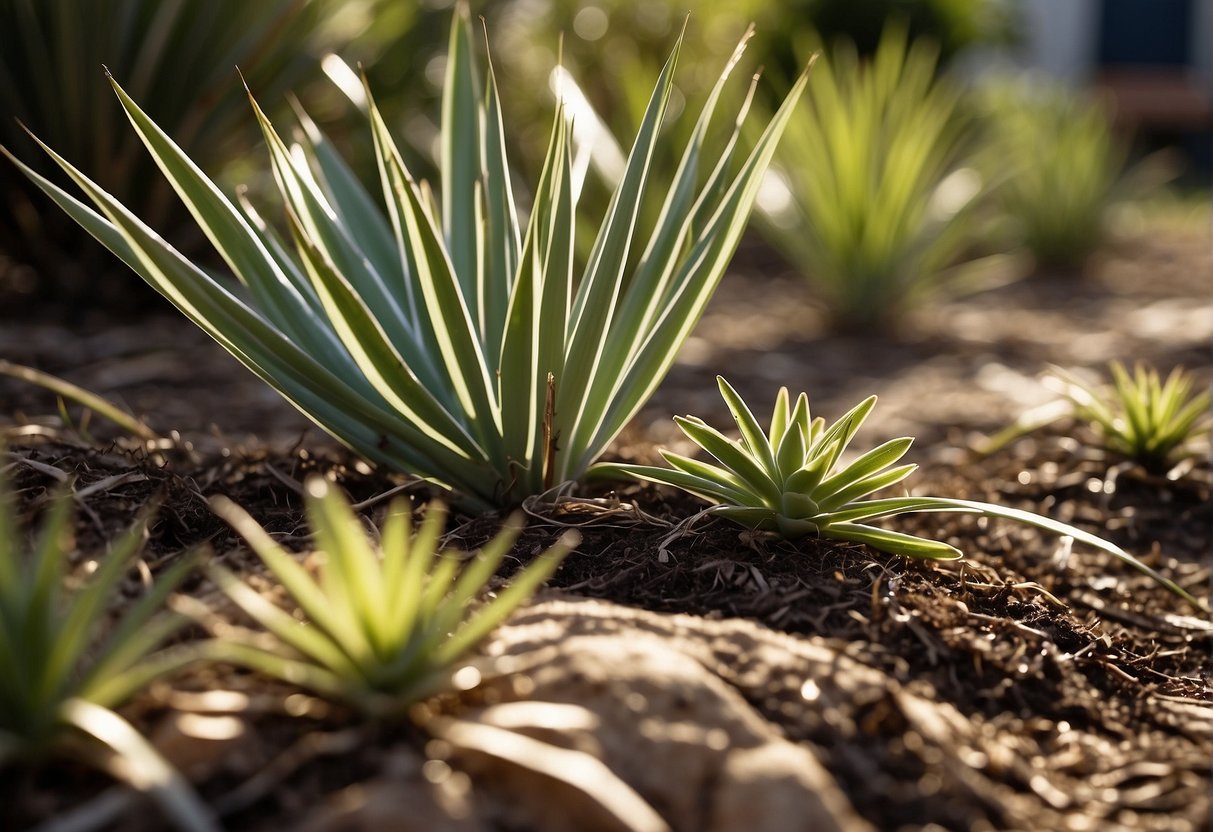
How to Care for Outdoor Yucca Plants: Tips and Tricks
Nurturing yucca plants outdoors can be a fulfilling activity for gardening enthusiasts. Their eye-catching looks and minimal upkeep needs have made them a favored option for garden landscapes. Nonetheless, grasping the correct care and maintenance strategies is crucial for making sure your yucca plants flourish outdoors.
When it comes to taking care of outdoor yucca plants, selecting the right location is crucial. These plants require plenty of sunlight and well-draining soil to grow properly. Additionally, they can be sensitive to extreme temperatures, so it’s important to choose a location that provides adequate protection from harsh weather conditions.
Once you’ve selected the perfect location for your yucca plants, planting and transplanting should be done with care. Outdoor yucca plants have extensive root systems, so it’s important to choose a container or planting area that provides plenty of space for growth. With the right routine care and maintenance, your outdoor yucca plants can thrive for years to come.
Key Takeaways
- Select a location with plenty of sunlight and well-draining soil for your outdoor yucca plants.
- Choose a container or planting area that provides ample space for the plant’s extensive root system.
- Proper routine care and maintenance, including watering and pruning, can help your outdoor yucca plants thrive.
Selecting the Right Location
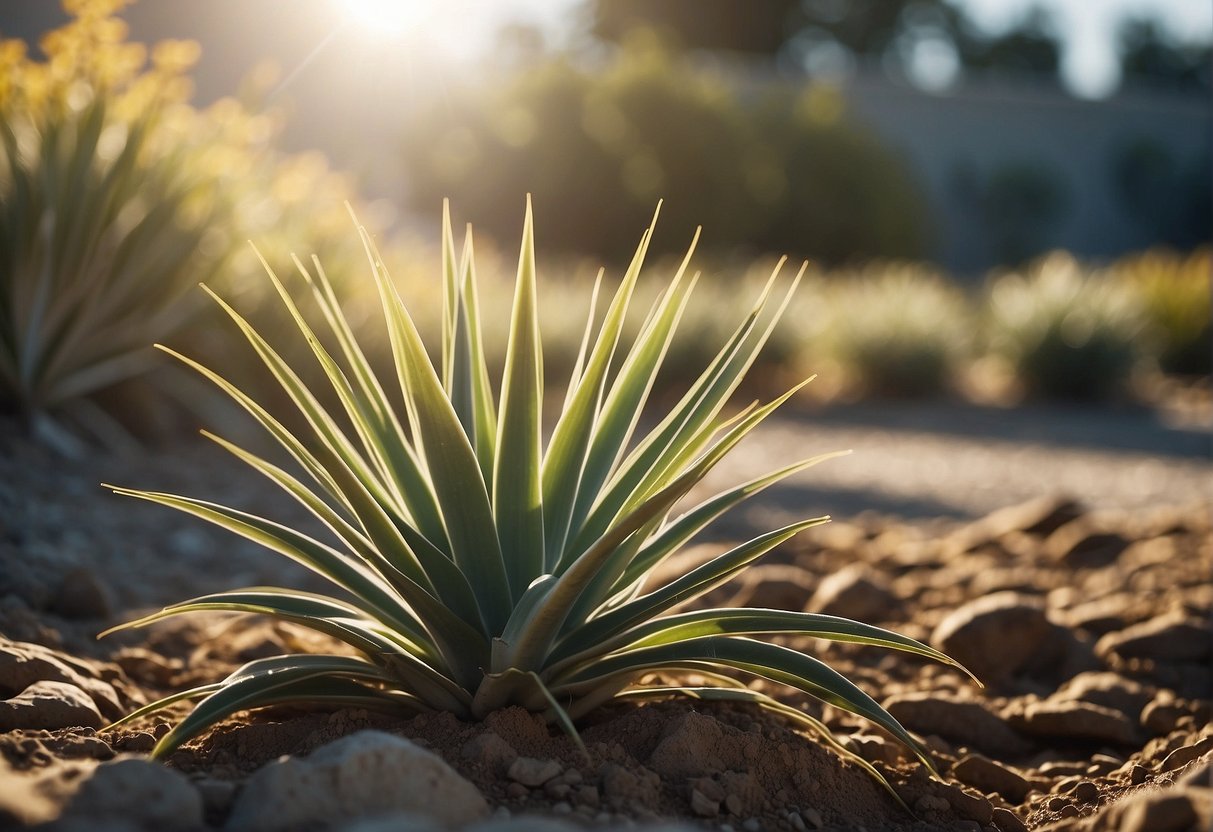
When it comes to outdoor yucca plants, selecting the right location is crucial to their growth and survival. Here are some important factors to consider:
Understanding Sunlight Needs
Yucca plants thrive in full sun, so it’s important to choose a location that receives at least six hours of direct sunlight per day. If you live in a hot climate, make sure to provide some shade during the hottest parts of the day.
Soil and Drainage Requirements
Yucca plants prefer well-drained soil, so make sure to plant them in soil that is sandy and well-draining. Avoid planting them in heavy clay soil or soil that retains too much moisture, as this can lead to root rot.
Climate and Hardiness Zones
Different yucca species have different hardiness zones, so make sure to choose a species that is appropriate for your climate. Yucca filamentosa, for example, is hardy in zones 5-10, while yucca elephantipes is hardy in zones 9-11.
Yucca Species Selection
There are many different yucca species to choose from, each with its own unique characteristics. Consider factors such as size, growth rate, and flower color when selecting a species.
Landscaping with Yuccas
Yuccas can add texture and interest to a garden or landscape. Consider using them as focal points or as part of a xeriscape design.
Container Planting
Yuccas can also be grown in containers, which is a great option for those with limited outdoor space. Make sure to use a potting mix that is well-draining and to provide adequate drainage holes in the container.
Combining with Other Plants
Yuccas can be combined with other drought-tolerant plants to create a low-maintenance garden or landscape. Consider pairing them with plants such as agave, cactus, and succulents.
Maximizing Aesthetic Appeal
Yuccas have unique foliage and flower spikes that can add interest and color to a garden or landscape. Consider planting them in groups or using them to create a focal point.
Safety Considerations
Yuccas have sharp leaves, so it’s important to wear gloves when handling them. Make sure to also keep them away from high-traffic areas to avoid accidental injury.
Growth Expectations
Yuccas can take several years to reach their mature size, so be patient and allow them time to grow. As they mature, they may produce new growth from the base of the plant, which can help to increase their size over time.
Planting and Transplanting
Best Time to Plant
The best time to plant outdoor yucca plants is in early spring when the soil has warmed up and the threat of frost has passed. This ensures that the plant has enough time to establish its roots before the hot summer months.
Preparing the Planting Site
When preparing the planting site, choose a location with well-draining soil and plenty of sunlight. Yuccas prefer sandy soil with good drainage, so adding sand to heavy soil can improve drainage. Make sure the site is free of weeds and other plants that may compete with the yucca for nutrients.
Transplanting Yuccas
Transplanting yuccas is best done in the early spring before new growth begins. Carefully remove the plant from its container or dig it up from the ground, being careful not to damage the roots. If the plant has root rot, remove the affected roots before replanting.
Initial Care Post-Planting
After planting or transplanting, water the yucca deeply to help it establish its roots. Water the plant once a week until it becomes established, then reduce watering to once every two weeks. Avoid overwatering, as this can lead to root rot.
Propagation Methods
Yuccas can be propagated through root division, seeds, or cuttings.
Root Division Technique
To propagate yuccas through root division, carefully dig up the plant and separate the roots into sections. Each section should have at least one healthy shoot. Replant the divisions in well-draining soil.
Growing from Seeds
Growing yuccas from seeds is a slow process, but it can be rewarding. Sow the seeds in well-draining soil in early spring and keep the soil moist until the seeds germinate. Once the seedlings have developed their first set of true leaves, transplant them into individual containers.
Cuttings Propagation
To propagate yuccas from cuttings, take a cutting from the plant’s stem in early spring. Dip the cut end in rooting hormone and plant it in well-draining soil. Keep the soil moist until the cutting has rooted.
Aftercare for Propagated Plants
After planting or transplanting propagated yuccas, follow the same care instructions as for mature plants. Water the plant deeply once a week until it becomes established, then reduce watering to once every two weeks. Monitor the plant for new growth and adjust watering and maintenance as needed.
Routine Care and Maintenance
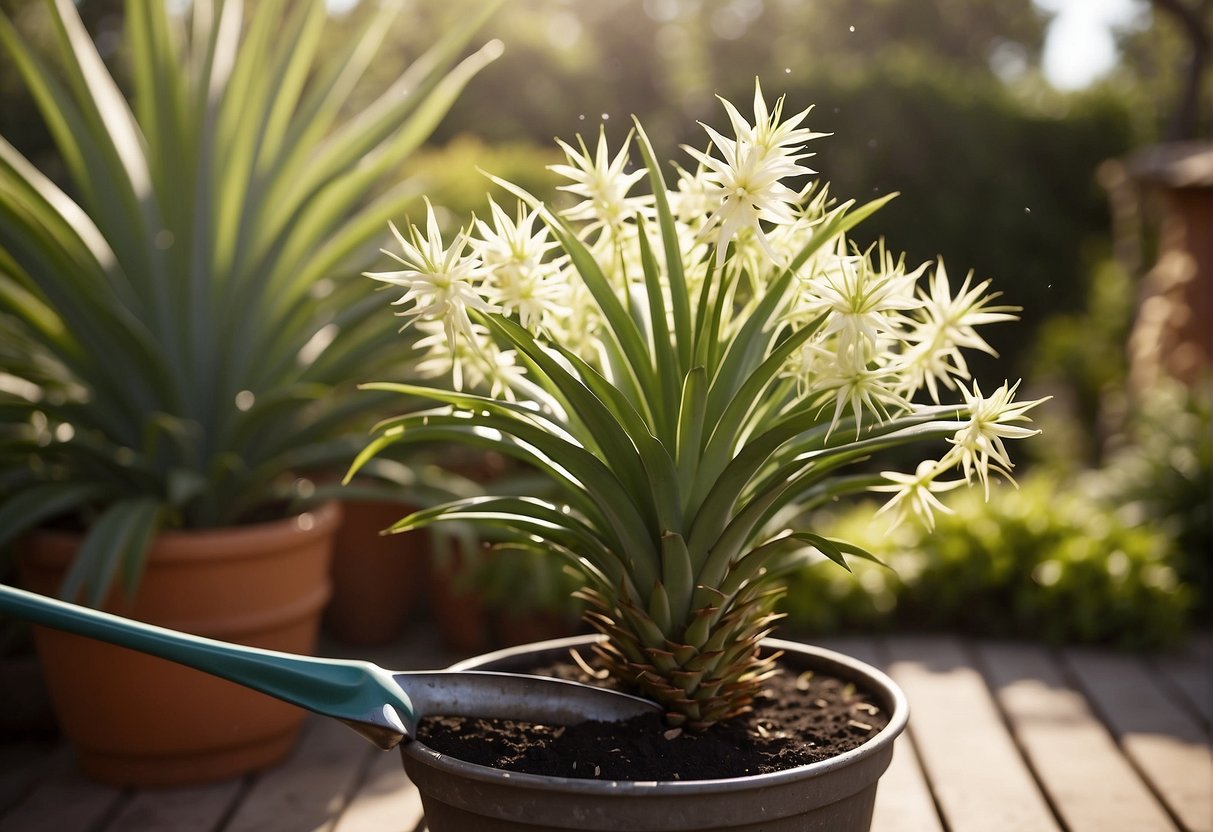
Taking care of your outdoor yucca plants requires a bit of effort, but it’s well worth it to keep them healthy and looking their best. Follow these guidelines for routine care and maintenance.
Watering Guidelines
Yucca plants are drought-tolerant and prefer well-drained soil. Water them deeply once a week during the growing season, and reduce watering in the winter. Overwatering can cause root rot, so be sure to let the soil dry out between waterings.
Fertilizing Your Yucca
Fertilize your yucca once a month during the growing season with a balanced fertilizer. Avoid fertilizing in the winter, when the plant is dormant.
Pruning Techniques
Pruning your yucca will help keep it looking neat and tidy. Use sharp pruning shears to remove dead or damaged leaves, and cut back any flower spikes after they have finished blooming.
Managing Pests and Diseases
Yucca plants are generally resistant to pests and diseases, but they may occasionally be bothered by aphids, mealybugs, or scale. Treat infestations with insecticidal soap or neem oil.
Overwintering Strategies
Yucca plants are hardy in zones 5-11, but may need some extra protection in colder climates. Mulch around the base of the plant to protect the roots from freezing, and cover with burlap or a frost blanket during extreme cold snaps.
Monitoring for Problems
Keep an eye out for signs of problems such as rot, pests, or disease. Check the foliage and new growth regularly for any signs of damage, and address any issues promptly to prevent them from spreading.
Signs of Healthy Growth
Healthy yucca plants have green foliage and strong, upright growth. Look for new growth in the spring, and flower spikes in the summer.
When to Repot
Yucca plants prefer to be slightly root-bound, so only repot when necessary. If the plant has outgrown its container or the soil is compacted, it’s time to repot. Use a container with good drainage, and a well-draining soil mix.
Understanding Yucca Blooms
Yucca plants are known for their stunning blooms that appear in the spring and summer months. Understanding the blooming process of your yucca plant can help you provide the necessary care to ensure healthy and vibrant blooms each year.
Bloom Time and Frequency
Yucca plants typically bloom in the late spring or early summer, with some species blooming again in the fall. The frequency of blooms can vary depending on the species and growing conditions, but most yuccas will produce flower spikes every few years.
Pollination and Yucca Moths
Yucca plants rely on yucca moths for pollination. The female moth collects pollen from the yucca’s flowers and then deposits it on the stigma of another flower, allowing for fertilization and the production of seeds. Yucca moths are attracted to the fragrant blooms of the yucca plant and are essential for its reproduction.
Caring for Flowering Yuccas
To care for your flowering yucca plant, it is important to provide adequate water and sunlight. Yuccas prefer well-draining soil and can tolerate drought conditions, but they may need more water during the blooming period. Avoid overwatering, as this can lead to root rot.
After Bloom Care
Once the blooms have faded, you can remove the flower spike to encourage new growth. It is also important to prune any dead or damaged leaves to promote healthy growth and prevent disease.
Encouraging Future Blooms
To encourage future blooms, you can fertilize your yucca plant with a balanced fertilizer in the spring. Be sure to follow the manufacturer’s instructions for application. Providing adequate sunlight and water, as well as proper pruning and maintenance, can also help ensure healthy and vibrant blooms in the future.
Frequently Asked Questions
What are the optimal watering practices for yucca plants growing outdoors?
When watering your outdoor yucca plant, it’s important to strike a balance between keeping the soil moist and avoiding waterlogged roots. Water your yucca plant thoroughly once a week during the growing season, and reduce watering to once every two to four weeks during the winter months. Be sure to use well-draining soil and avoid overwatering, as this can lead to root rot.
How should I protect my outdoor yucca plants during the winter season?
Yucca plants are hardy and can withstand cold temperatures, but they may need some protection during particularly harsh winters. Cover your outdoor yucca plant with a frost blanket or burlap to protect it from frost and freezing temperatures. You can also add a layer of mulch around the base of the plant to insulate the roots.
What are common issues with outdoor yucca plants and how can I address them?
Common issues with outdoor yucca plants include root rot, fungal infections, and pest infestations. To prevent root rot, make sure your yucca plant is planted in well-draining soil and avoid overwatering. To address fungal infections, remove any affected leaves and treat the plant with a fungicide. For pest infestations, use an insecticidal soap or neem oil to control the pests.
How can I ensure my outdoor yucca plants thrive in a potting environment?
When growing yucca plants in pots, it’s important to use well-draining soil and a container with good drainage. Water your yucca plant thoroughly once a week during the growing season, and reduce watering to once every two to four weeks during the winter months. Fertilize your yucca plant once a month during the growing season with a balanced fertilizer.
What steps should I take to transition my yucca plant from indoors to outdoors?
To transition your indoor yucca plant to an outdoor environment, gradually expose it to more sunlight and outdoor conditions over the course of a few weeks. Start by placing the plant in a shaded area outdoors for a few hours each day, gradually increasing the amount of time it spends outside. Be sure to acclimate your plant to outdoor temperatures gradually to avoid stress.
How do I maintain the health of my outdoor yucca plant throughout the changing seasons?
To maintain the health of your outdoor yucca plant throughout the changing seasons, be sure to adjust your watering and fertilizing practices accordingly. Water your yucca plant thoroughly once a week during the growing season, and reduce watering to once every two to four weeks during the winter months. Fertilize your yucca plant once a month during the growing season with a balanced fertilizer. Additionally, protect your plant from frost and freezing temperatures during the winter months.

