
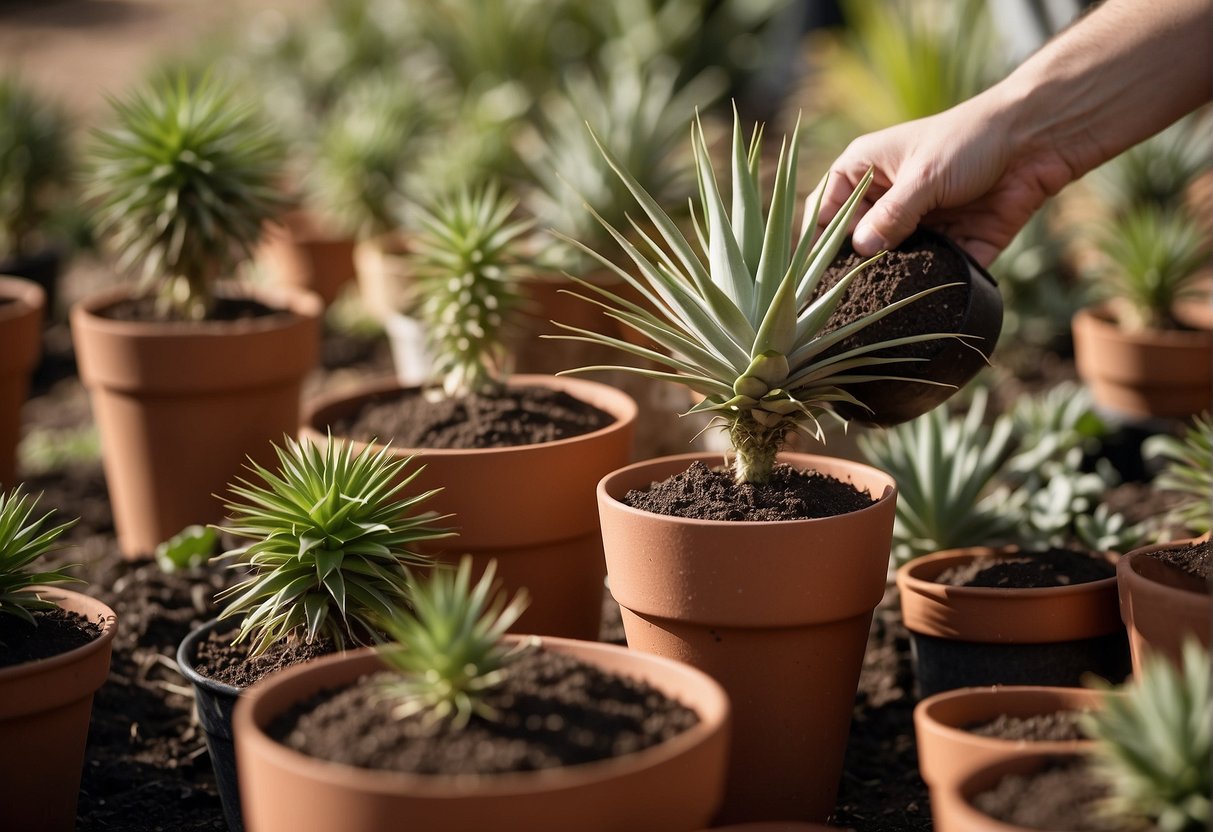
How to Repot a Group of Yucca Plants: A Step-by-Step Guide
Transferring your yucca plants to new pots can seem like an overwhelming job, particularly when dealing with multiple plants. Nonetheless, it’s a crucial aspect of maintaining the health of your indoor plants and ensuring they live a long life. Repotting is vital for allowing your yucca plants to prosper and expand, while also avoiding issues related to being root-bound. In this piece, we’ll provide a detailed tutorial on how to effectively repot a collection of yucca plants, one step at a time.
Before diving into the repotting process, it’s important to understand yucca plants and their needs. Yucca plants are known for their hardiness and ability to thrive in various environments. They prefer well-draining soil and bright, indirect sunlight. Understanding your yucca plants’ needs will help you choose the right soil and pot size for repotting.
Now that you have a basic understanding of yucca plants, it’s time to prepare for repotting. This includes gathering the necessary tools and materials, such as a larger pot, fresh soil, and pruning shears. You should also inspect your yucca plants for any signs of damage or disease before repotting. By properly preparing for repotting, you can ensure a smooth and successful process.
Key Takeaways
- Repotting your yucca plants is essential for their growth and longevity.
- Understanding your yucca plants’ needs is crucial for choosing the right soil and pot size for repotting.
- Properly preparing for repotting can help ensure a smooth and successful process.
Understanding Yucca Plants
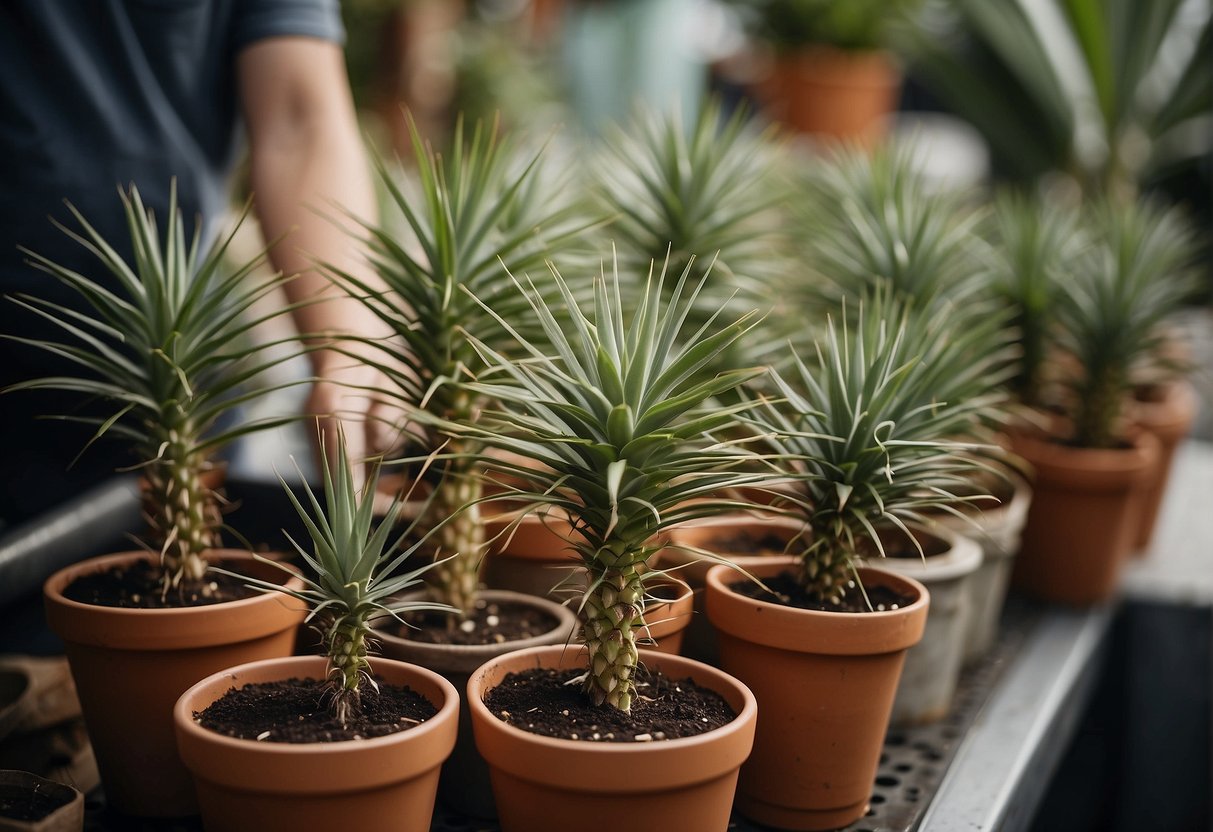
Yucca plants are a popular choice for indoor and outdoor gardening due to their unique appearance, drought-tolerant nature, and low maintenance requirements. In this section, we will cover the different types of yucca plants, their growth requirements, and characteristics.
Identifying Different Types of Yucca
There are many types of yucca plants, each with its own distinct features. Some of the most common types of yucca plants include:
-
Banana Yucca: This type of yucca plant is known for its edible fruit and long, narrow leaves.
-
Yucca Elephantipes: Also known as the spineless yucca, this plant has smooth, sword-shaped leaves and can grow up to 30 feet tall.
-
Red Yucca: This type of yucca plant has long, narrow leaves and produces pink or red flowers.
-
Joshua Tree: This iconic desert plant is a type of yucca and is known for its twisted, spiky branches.
Growth Requirements and Characteristics
Yucca plants are native to desert regions and are well-adapted to hot, dry conditions. Here are some key growth requirements and characteristics of yucca plants:
-
Soil: Yucca plants prefer well-draining soil that is sandy or rocky. They do not like soil that is too rich or moist.
-
Water: Yucca plants are drought-tolerant and do not require much water. Overwatering can lead to root rot and other issues.
-
Light: Yucca plants prefer bright, direct sunlight. They can also tolerate some shade, but too much shade can lead to leggy growth.
-
Temperature: Yucca plants can tolerate a wide range of temperatures, but they prefer warm, dry conditions.
-
Maintenance: Yucca plants are low maintenance and do not require much pruning or fertilization. However, they may need to be repotted every few years to ensure healthy growth.
In conclusion, understanding the different types of yucca plants and their growth requirements is key to successfully growing and maintaining these unique plants. With the right care and attention, your yucca plants can thrive and add a touch of desert beauty to your home or garden.
Preparing for Repotting
Before you start repotting your yucca plants, it is important to prepare the necessary tools and materials. This will ensure a successful and stress-free repotting process. Here are some things to keep in mind when preparing for repotting:
Selecting the Right Pot and Soil Mix
Choosing the right pot and soil mix is crucial for the health of your yucca plants. The new pot should be slightly larger than the current one, with a drainage hole at the bottom. This will ensure proper drainage and prevent water from accumulating in the soil, which can lead to root rot.
When it comes to soil mix, it is recommended to use a well-draining mix that is specifically formulated for cacti and succulents. This type of soil mix contains sand and other materials that help with drainage and aeration. Avoid using regular potting soil, as it retains too much moisture and can suffocate the roots.
When to Repot Your Yucca
Yucca plants should be repotted every 2-3 years, or when they become root-bound. Signs of a root-bound plant include roots growing out of the drainage hole, stunted growth, and yellowing leaves. Repotting in the spring or summer is ideal, as this is when the plant is actively growing and can recover quickly from the stress of repotting.
Before repotting, make sure to clean the pot thoroughly to remove any debris or bacteria that may harm the plant. Once you have selected the right pot and soil mix, you are ready to repot your yucca plants.
The Repotting Process
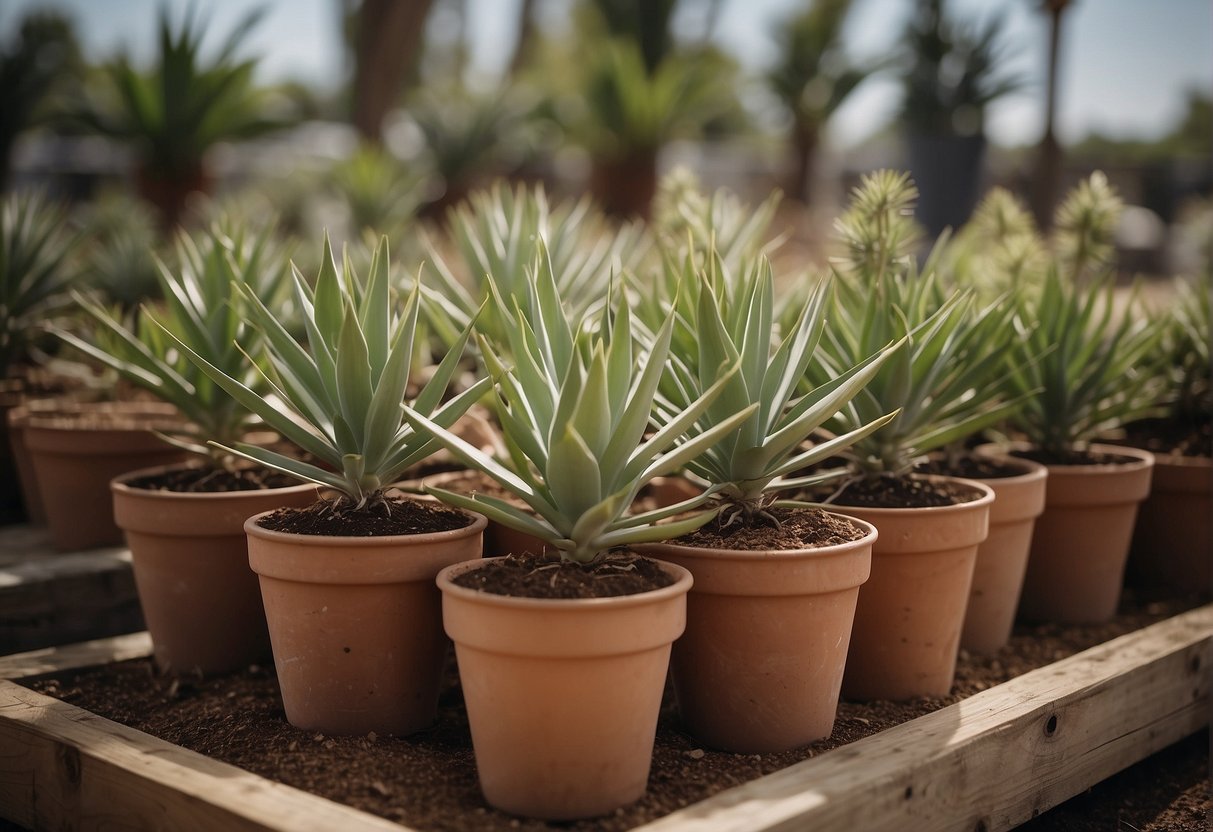
When it comes to repotting yucca plants, the process can seem intimidating, but with the right tools and techniques, it can be a straightforward task. Here’s how to repot your yucca plants:
Removing the Yucca from Its Current Pot
The first step is to remove the yucca plant from its current pot. Start by gently tapping the sides of the pot to loosen the soil. Then, carefully turn the pot over and support the plant with one hand while gently tapping the bottom of the pot with the other hand. This should help loosen the plant from the pot.
If the plant still won’t budge, use a pair of pruning shears to carefully cut away any roots that are growing through the drainage holes in the pot. Once the plant is free, gently remove any excess soil from the roots.
Examining and Pruning the Roots
Before transplanting your yucca plant into a new pot, it’s important to examine the roots and prune them if necessary. Look for any roots that are brown or mushy, as these are signs of root rot. Use a pair of pruning shears to carefully cut away any damaged roots.
You should also prune any roots that are circling around the root ball. These roots can eventually strangle the plant if left unchecked. Use your pruning shears to make a few cuts into the root ball, which will encourage new roots to grow outwards.
Transplanting into the New Pot
Once you’ve pruned the roots, it’s time to transplant your yucca plant into its new pot. Choose a pot that is slightly larger than the current one, and fill the bottom with a layer of new soil.
Place the plant in the new pot, making sure that the top of the root ball is level with the top of the soil. Add more soil around the edges of the pot, pressing it down gently to remove any air pockets.
Finally, water the plant thoroughly, making sure that the soil is evenly moist. Avoid watering too frequently, as yucca plants prefer to dry out between waterings.
By following these simple steps, you can successfully repot your yucca plants and keep them healthy and thriving for years to come.
Aftercare and Maintenance
Once you have successfully repotted your yucca plants, it is important to provide proper aftercare and maintenance to ensure their continued growth and health. This section will cover the necessary steps to take for watering, fertilization, and monitoring for pests and diseases.
Watering and Fertilization Schedule
Yucca plants require well-draining soil and do not tolerate standing water. It is important to allow the soil to dry out between waterings, as overwatering can lead to root rot. The frequency of watering will depend on the temperature and humidity of your environment, as well as the size of your pot. A general rule of thumb is to water once a week in the summer and once every two weeks in the winter.
Fertilization is also important for the growth and health of your yucca plants. Use a balanced fertilizer, such as 10-10-10, every two to three months during the growing season (spring and summer). Be sure to follow the instructions on the fertilizer package for proper application and dosage.
Monitoring for Pests and Diseases
Yucca plants are generally resistant to pests and diseases, but it is still important to monitor them regularly. Common pests that may affect yucca plants include spider mites, mealybugs, and scale insects. If you notice any signs of pest infestation, such as webbing, white or fuzzy spots, or small bumps on the leaves or stems, treat the plant with an insecticide or neem oil.
Diseases that may affect yucca plants include root rot, leaf spot, and stem rot. To prevent these diseases, avoid overwatering and ensure proper drainage. If you notice any signs of disease, such as yellowing or browning leaves, soft or mushy stems, or black spots on the leaves, remove the affected parts of the plant and treat with a fungicide.
By following these simple steps for aftercare and maintenance, you can ensure the continued growth and health of your yucca plants.
Frequently Asked Questions
What type of soil is best for repotting yucca plants?
Well-draining soil is the best option for repotting yucca plants. You can use a cactus mix or a mixture of sand, perlite, and peat moss to create a well-draining soil. Avoid using heavy soils that retain moisture as they can cause root rot in yucca plants.
How do you properly split and repot yucca plants?
To split and repot a yucca plant, you need to carefully remove it from its current container and gently separate the roots. Use a clean, sharp knife to cut the plant into sections, ensuring that each section has at least one healthy stem and a good root system. Then, plant each section in a new container with well-draining soil.
Can yucca cuttings be planted directly into the ground?
Yes, yucca cuttings can be planted directly into the ground. Simply take a stem cutting from a healthy yucca plant and plant it in a well-draining soil in a sunny location. Water the cutting regularly until it establishes roots and starts to grow.
What size pots are ideal for yucca plants when repotting?
Yucca plants prefer to be slightly root-bound, so it’s best to choose a pot that’s only slightly larger than the current one. A pot that’s 1-2 inches larger in diameter than the current one is ideal.
How do you care for a yucca plant after repotting?
After repotting a yucca plant, keep it in a bright, sunny location and water it sparingly. Allow the soil to dry out completely between waterings to prevent overwatering and root rot. Fertilize the plant with a balanced fertilizer every two weeks during the growing season.
What steps should be followed to repot an indoor yucca plant?
To repot an indoor yucca plant, first, choose a pot that’s only slightly larger than the current one. Remove the plant from its current container and gently separate the roots. Place the plant in the new container and fill it with well-draining soil. Water the plant sparingly and keep it in a bright, sunny location.

