
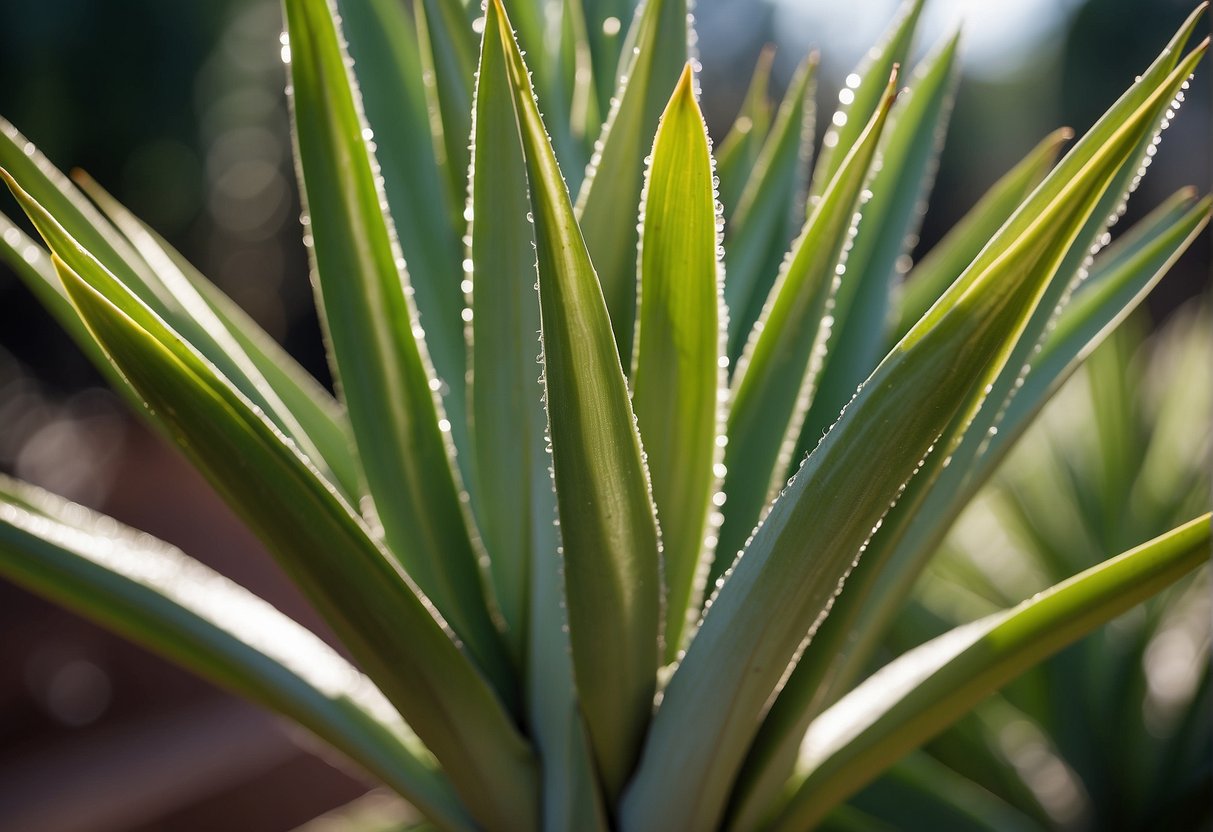
How to Remove Stain Overspray Speckles from Yucca Plants: A Guide
If you take pride in maintaining yucca plants, you’re likely aware of the struggle to keep them pristine. Encountering issues like stain overspray speckles can be a nuisance, as these unattractive marks can negatively affect your yucca plant’s aesthetics, making it seem unwell. Thankfully, multiple reliable methods exist to eliminate stain overspray speckles from yucca plants and revive their allure.
Before we dive into the techniques for removing stain overspray speckles, it’s important to understand yucca plants. These plants are native to arid regions and are known for their hardiness and resilience. They are popular houseplants because they are easy to care for and can tolerate a wide range of conditions. However, they are also sensitive to certain chemicals, including stain overspray, which can cause discoloration and damage to the leaves. By understanding the nature of yucca plants, you can take steps to prevent stain overspray and protect your plant’s health.
Key Takeaways
- Yucca plants are hardy and resilient, but sensitive to certain chemicals like stain overspray.
- Preventive measures like covering your plant and avoiding spraying near it can help avoid stain overspray.
- Effective stain removal techniques include using rubbing alcohol, vinegar, or a specialized plant cleaner.
Understanding Yucca Plants
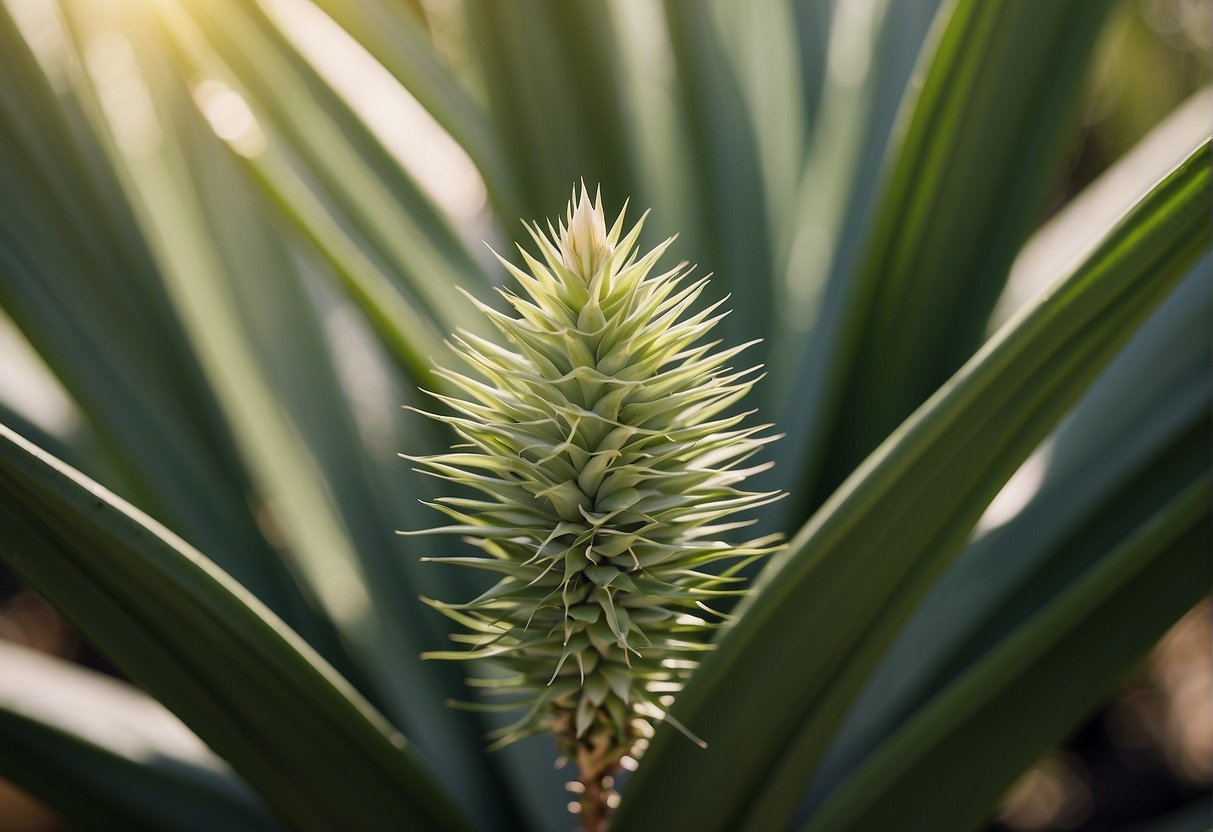
Yucca plants are a popular choice for landscaping due to their unique appearance and low maintenance requirements. They are native to arid regions of North and Central America and are known for their drought-tolerant nature. In this section, we will cover the basics of yucca plants, including how to identify common species and their growth requirements.
Identifying Common Yucca Species
There are many different species of yucca plants, but some of the most common include Yucca elephantipes, Yucca filamentosa, and Yucca gloriosa. Yucca elephantipes, also known as the spineless yucca, is a tree-like plant with long, sword-shaped leaves that can grow up to 30 feet tall. Yucca filamentosa, or Adam’s needle, has sharp, needle-like leaves and produces tall spikes of white flowers. Yucca gloriosa, or Spanish dagger, has long, pointed leaves and produces clusters of white flowers.
Growth Requirements and Plant Care
Yucca plants are relatively easy to grow and care for, but they do have specific requirements. They prefer well-draining soil and should be planted in an area with plenty of sunlight. Yuccas are drought-tolerant and do not require frequent watering, but they do need to be watered deeply when they are first planted to help establish their roots. After that, a regular watering schedule is not necessary.
To keep your yucca plants healthy, it is important to provide them with nutrients. You can use a general-purpose fertilizer once a month during the growing season to ensure that your plants are getting the nutrients they need. Yuccas also benefit from occasional pruning to remove dead leaves and promote new growth.
If you have yucca plants that have been affected by stain overspray speckles, it is important to take action quickly to prevent further damage. With the right care and attention, your yucca plants can thrive and add beauty to your landscaping.
Preventive Measures for Stain Overspray
If you have yucca plants in your home, you know how difficult it can be to remove stain overspray speckles from the leaves. Fortunately, there are some preventive measures you can take to avoid this issue altogether.
Protecting Yucca During Maintenance
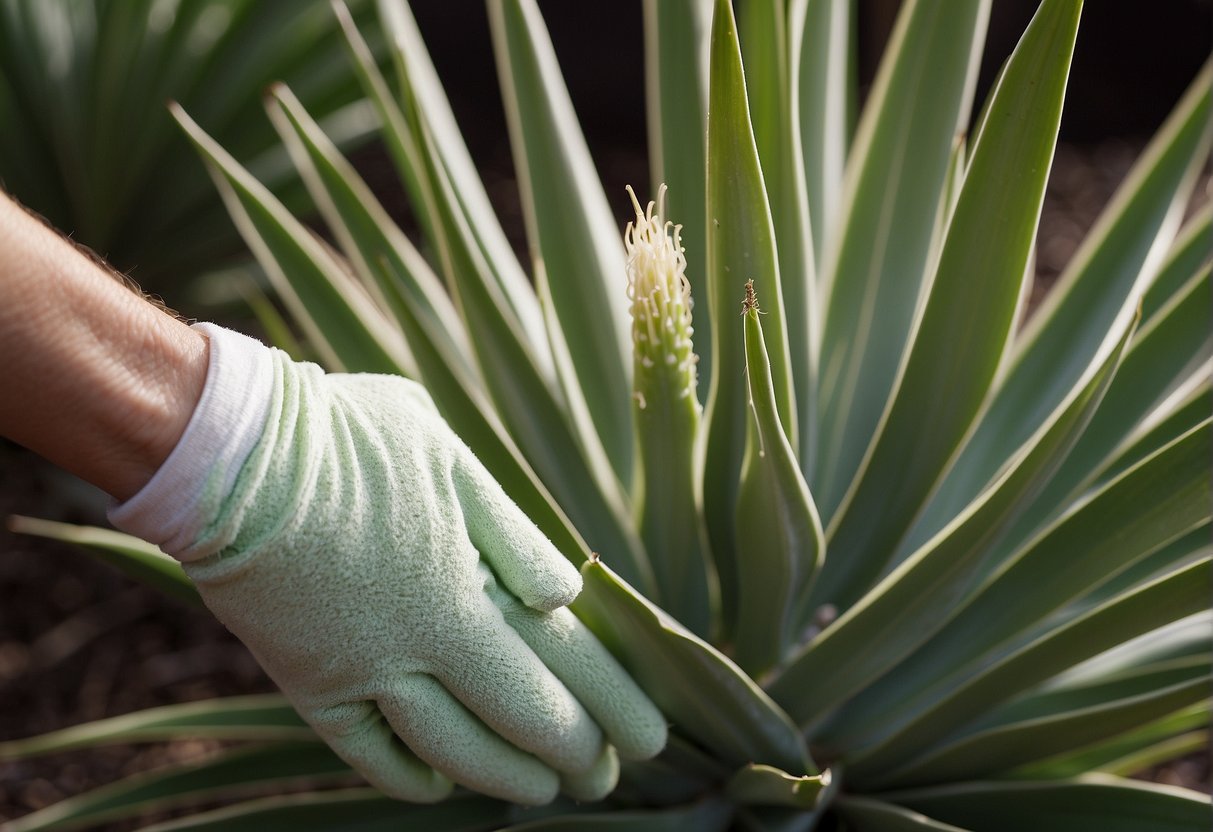
When you’re performing maintenance tasks, such as painting or spraying insecticide, it’s essential to protect your yucca plants. Covering them with a plastic sheet or cloth can help prevent overspray from sticking to the leaves. Additionally, wearing protective clothing, such as gloves and long sleeves, can keep you from accidentally brushing up against your plants and transferring overspray.
Optimal Watering Practices
Overwatering or underwatering your yucca plants can make them more susceptible to stain overspray. Ensure that your pots have proper drainage holes and use a well-draining potting soil, such as sandy soil, to prevent excess water from accumulating. Ceramic pots can also help regulate moisture levels in the soil. During the growing season, water your yucca plants once every two weeks, and reduce watering during the dormant season.
By following these preventive measures, you can keep your yucca plants looking their best and avoid the hassle of removing stain overspray speckles.
Effective Stain Removal Techniques
If you notice overspray speckles on your yucca plants, it is important to remove them as soon as possible to prevent any damage to the foliage. Here are some effective stain removal techniques that you can use:
Manual Cleaning Methods
One of the simplest ways to remove stain overspray speckles from your yucca plants is to manually clean them using a soft-bristled brush or cloth. You can use a gentle sweeping motion to remove the speckles from the leaves and stem of the plant. If the stain is particularly stubborn, you can use a pair of pruning shears or a saw to cut off the affected foliage or trunk.
Choosing Appropriate Cleaning Agents
When it comes to choosing cleaning agents for your yucca plants, it is important to choose products that are safe for the plant and the environment. You can use a mild soap solution or a mixture of water and vinegar to clean the foliage and stem of the plant. Avoid using harsh chemicals, as they can damage the plant and affect its growth.
It is important to note that yucca plants are sensitive to direct sunlight, so it is best to clean them in the shade or on a cloudy day. Be patient when cleaning the plant, as it may take some time to remove all of the speckles. If you notice any brown leaf tips or droopy rosettes, you can use a shovel to gently remove the plant from the soil and replant it in a shaded area with a texture that is suitable for the plant’s growth.
By following these effective stain removal techniques, you can keep your yucca plants looking green and healthy.
Caring for Yucca After Stain Removal
After successfully removing stain overspray speckles from your yucca plants, it’s important to monitor their recovery and take steps to prevent future stain issues.
Monitoring Plant Recovery
Check your yucca plants regularly for signs of stress or damage. Monitor the roots, tips, and new growth for any yellowing, wilting, or dying. If you notice any issues, address them promptly to prevent further damage.
Pay attention to the plant’s root system and make sure it’s healthy. Yucca plants require well-draining soil and do not tolerate standing water. If the soil is too wet, it can lead to root rot and other issues.
Ensure that your yucca plants are getting enough nutrients. Yucca plants are native to Mexico and require low humidity and well-draining soil to thrive. Consider using a tray to catch excess water and prevent the soil from becoming too wet.
Watch out for pests such as mealybugs and scale, which can damage yucca plants. If you notice any pests, take steps to get rid of them promptly.
Preventing Future Stain Issues
To prevent future stain issues, take care when using herbicides or other chemicals near your yucca plants. Cover the plants with a tarp or sheet to protect them from overspray.
Consider the location of your yucca plants when planning your landscaping. Yucca plants are drought-tolerant and prefer well-draining soil. Avoid planting them in areas where the soil is too wet or where they may be exposed to excessive moisture.
If you need to get rid of yucca plants, consider using offsets or seeds to propagate new plants. This will help ensure that your landscaping remains healthy and vibrant.
By following these gardening tips and taking care of your yucca plants, you can help ensure their long-term health and beauty.
Frequently Asked Questions
What is the best method to treat leaf spot disease on yucca plants?
The best method to treat leaf spot disease on yucca plants is to remove any infected leaves immediately. You should also avoid overwatering your yucca plant and ensure that it receives adequate sunlight and air circulation. If the problem persists, you can use a fungicide specifically designed for yucca plants.
How can I safely remove fungus from my yucca plant without damaging it?
To safely remove fungus from your yucca plant, you should first identify the type of fungus present and then choose a fungicide that is effective against that particular fungus. You should also avoid using harsh chemicals or excessive force when cleaning your yucca plant as this can damage the leaves and roots.
What steps should I take to eliminate brown spots on my yucca plant’s leaves?
To eliminate brown spots on your yucca plant’s leaves, you should first identify the cause of the problem. Brown spots can be caused by a variety of issues, including overwatering, underwatering, pests, or disease. Once you have identified the cause, you can take appropriate steps to address it, such as adjusting your watering schedule or using a pesticide.
Is it advisable to trim brown tips off a yucca plant, and how should it be done?
It is advisable to trim brown tips off a yucca plant as this can promote new growth and prevent the problem from spreading. To do this, use a clean, sharp pair of scissors or shears to cut off the affected tips. Be sure to sterilize your tools before and after use to prevent the spread of disease.
How do I deal with black spots on my yucca plant’s roots?
Black spots on a yucca plant’s roots can be a sign of root rot, which is often caused by overwatering. To deal with this problem, you should first reduce your watering frequency and ensure that the soil is well-draining. You can also use a fungicide specifically designed for root rot to treat the affected areas.
What treatment should be used to get rid of white dots on yucca plants?
White dots on yucca plants are often caused by scale insects, which can be treated with an insecticide. You should also use a soft-bristled brush or cloth to gently scrub the affected areas and remove any remaining scales. Be sure to follow the instructions on the insecticide carefully and repeat the treatment as necessary.

