
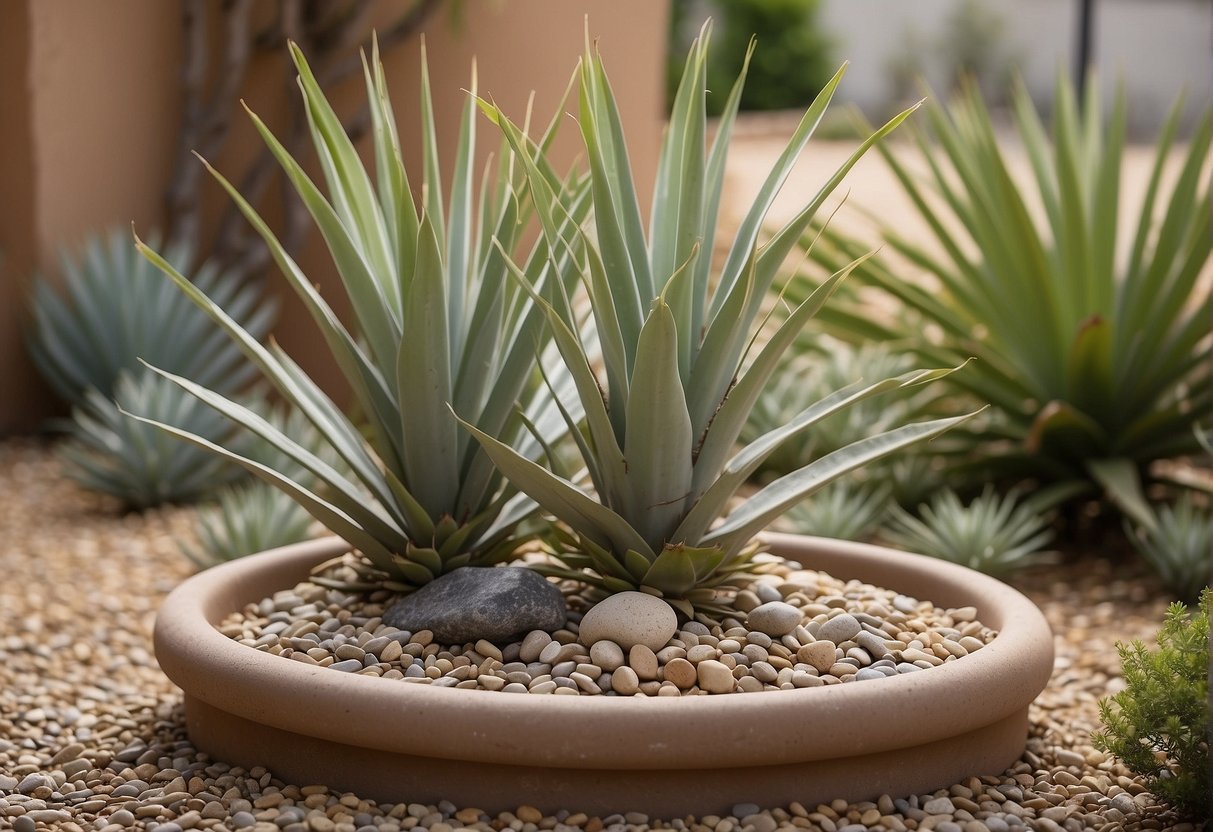
How to Landscape with Three Yucca Plants in Small Window Front Garden with Fountain
Should your garden be confined to a modest window front, it might seem as though your landscaping possibilities are scant. Nevertheless, by selecting appropriate foliage and employing savvy design techniques, you’re able to transform it into a stunning, welcoming area. A superb choice for inclusion in your garden’s design are yucca plants. These low-maintenance plants bring a distinctive flair to your outdoor space. Within this piece, we’ll walk you through the steps of beautifying your petite window front garden with a fountain using three yucca plants.
First, we will discuss the importance of designing your small window front garden. We will provide tips on how to choose the best location for your fountain and yucca plants. We will also discuss the different types of fountains and yucca plants that are available. Next, we will talk about choosing companion plants and materials. We will provide suggestions for plants that pair well with yucca plants and materials that will complement your fountain. Finally, we will go over how to care for your yucca plants and garden to ensure that they thrive.
Key Takeaways
- Design your small window front garden with the location of your fountain and yucca plants in mind.
- Choose companion plants and materials that complement your yucca plants and fountain.
- Proper care is essential for the health and longevity of your yucca plants and garden.
Designing Your Small Window Front Garden
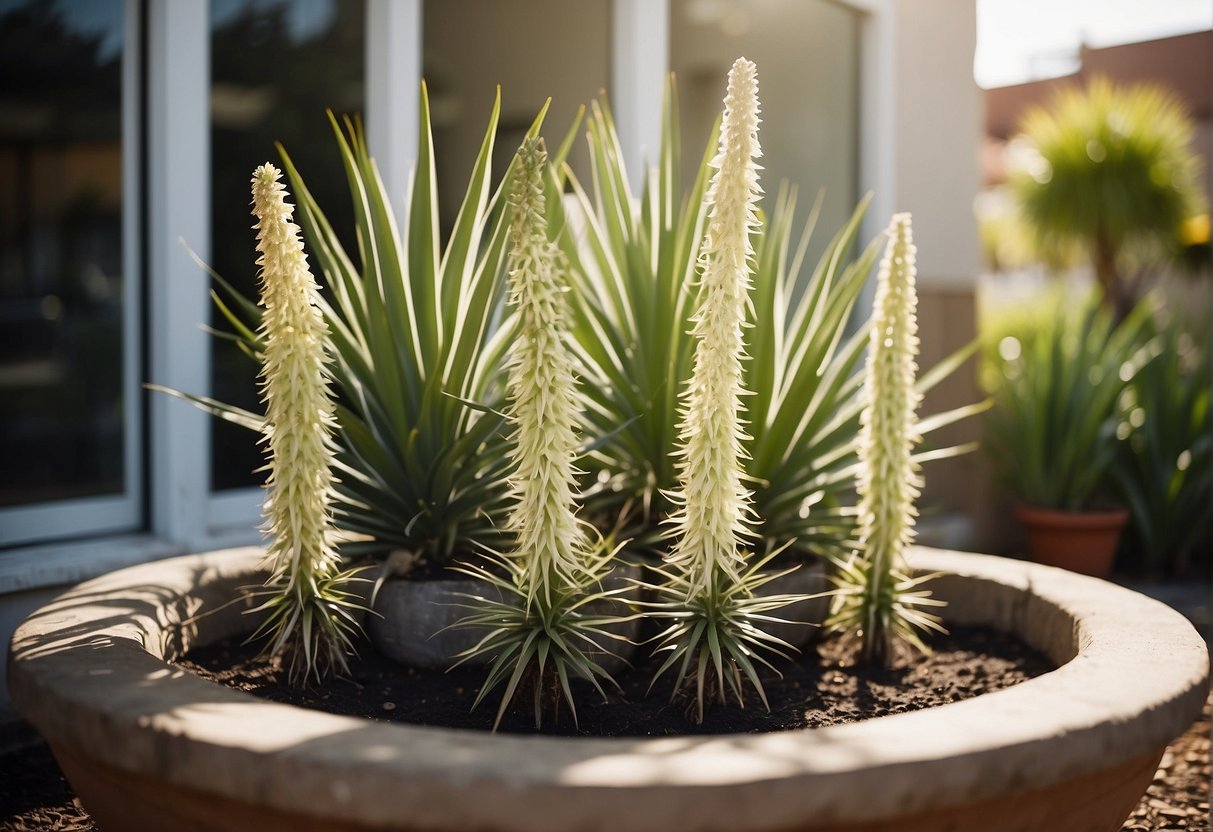
If you have a small window front garden and want to enhance its curb appeal, landscaping with yucca plants and a fountain can be a great option. Here are some tips to help you design your small window front garden.
Assessing the Location and Sunlight
Before you start designing your garden, it’s important to assess the location and sunlight. Check how much sunlight your garden gets throughout the day. Yucca plants require full sun to thrive, so make sure your garden gets at least six hours of sunlight per day. Also, consider the location of your garden. If it’s close to a busy street, you may want to incorporate a fence or a hedge for privacy.
Selecting a Fountain as a Focal Point
A fountain can be a great focal point for your small window front garden. It adds a sense of tranquility and can mask any street noise. When selecting a fountain, consider the size and style of your garden. A small fountain with a simple design can work well in a small garden. However, if you have a larger garden, you can opt for a bigger fountain with a more intricate design.
Incorporating Yucca Plants for Structure
Yucca plants are great for adding structure to your garden. They have spiky leaves that add texture and accentuate other plants. When selecting yucca plants, consider their color guard. Some yucca plants have variegated leaves that can add a pop of color to your garden. Also, consider their size and placement. Yucca plants can grow quite tall, so make sure to plant them in the back of your garden or in a corner.
By following these tips, you can design a beautiful small window front garden with yucca plants and a fountain that will enhance your curb appeal and make your home stand out.
Choosing Companion Plants and Materials
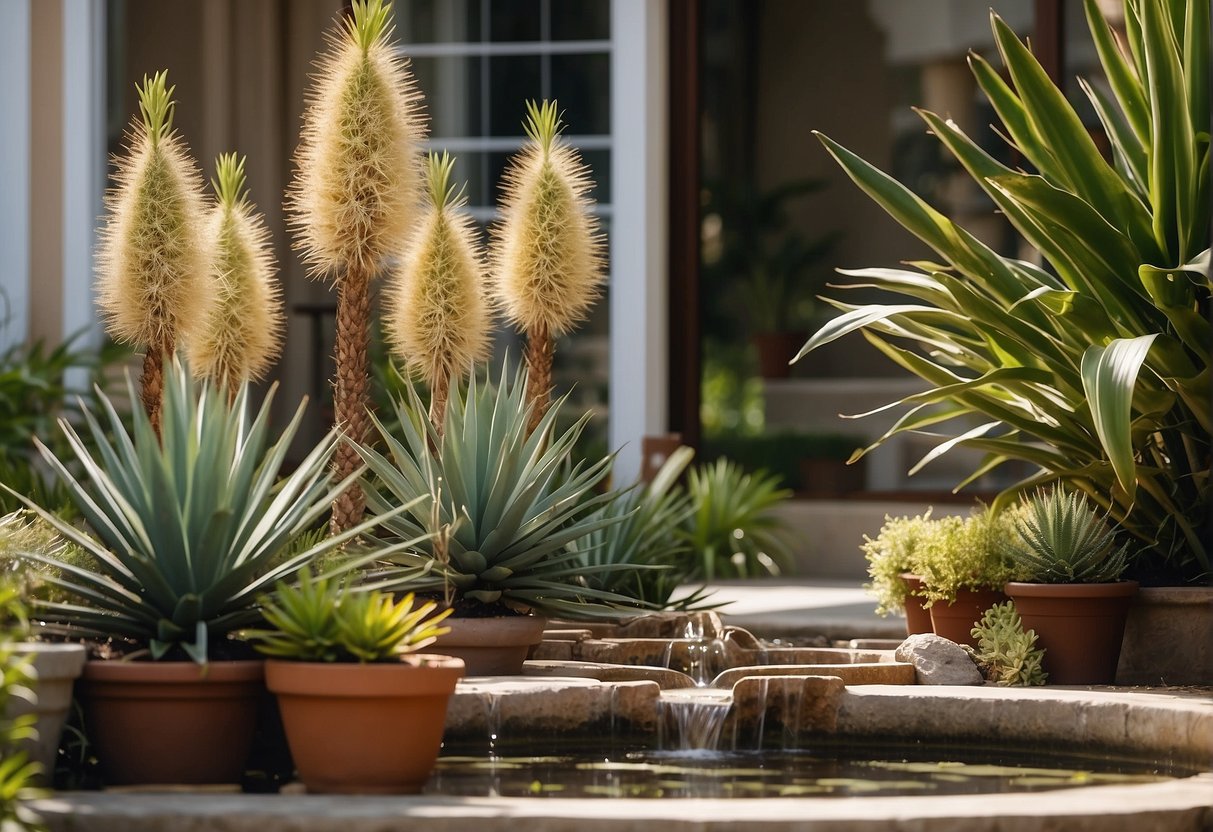
When landscaping with yucca plants in a small window front garden with a fountain, choosing the right companion plants and materials is crucial for achieving a beautiful and balanced look. Here are some tips on how to choose complementary flowers and shrubs, select containers and planters, and use gravel and rocks for texture.
Complementary Flowers and Shrubs
To add color and texture to your landscape design, consider planting complementary flowers and shrubs alongside your yucca plants. Some good options include:
- Purple coneflower: This perennial flower adds a pop of color with its bright purple petals and is known to attract butterflies and bees.
- Russian sage: This shrub has silvery-green leaves and produces purple-blue flowers in the summer, adding a soft and elegant touch to your garden.
- Sedum: This low-growing succulent has small, round leaves that come in a variety of colors, including green, purple, and red. It’s a great option for adding texture and interest to your garden.
When selecting complementary plants, it’s important to consider their growth habits and ensure they won’t outgrow your yucca plants or compete for resources.
Selecting Containers and Planters
If you don’t have space for a traditional garden, consider using containers and planters to showcase your yucca plants and complementary flowers. When selecting containers, consider the following:
- Size: Make sure your containers are large enough to accommodate your plants’ root systems and have adequate drainage holes.
- Material: Containers come in a variety of materials, including clay, plastic, and metal. Consider the aesthetic you’re going for and choose a material that complements your landscape design.
- Color: Select a color that complements your plants and adds visual interest to your design.
Using Gravel and Rocks for Texture
Incorporating gravel and rocks into your landscape design can add texture and interest to your garden. Consider using them in the following ways:
- Mulch: Gravel and rocks can be used in place of traditional mulch to help retain moisture and prevent weeds.
- Pathways: Use gravel or rocks to create pathways through your garden, adding an element of visual interest and functionality.
- Accent pieces: Incorporate larger rocks or boulders into your landscape design as accent pieces, adding texture and visual interest.
When selecting gravel and rocks, consider the color and texture and ensure they complement your yucca plants and other landscape elements.
By carefully selecting complementary flowers and shrubs, containers and planters, and using gravel and rocks for texture, you can create a beautiful and balanced landscape design with your yucca plants.
Caring for Your Yucca Plants and Garden
Watering and Drainage
Yucca plants are drought-tolerant, but they still need regular watering until they are established. Water your yucca plants once a week during the growing season and reduce watering during the winter months. Make sure the soil is well-draining to avoid waterlogging, which can cause root rot.
Pruning and Maintenance
Yucca plants require minimal maintenance, but pruning is necessary to keep them looking their best. Remove any dead or damaged leaves and cut back any stems that have become too tall or leggy. Wear gloves when pruning as the leaves have sharp edges.
Dealing with Pests and Diseases
Yucca plants are generally pest and disease-free, but they can be affected by mealybugs, spider mites, and scale insects. If you notice any pests, remove them by hand or spray the plant with a solution of water and dish soap. Yucca plants can also be affected by root rot if the soil is too wet, so make sure the soil is well-draining.
Remember to care for your yucca plants and garden regularly to keep them healthy and looking their best. With the right care and maintenance, your window front garden with fountain will be a beautiful addition to your home.
Frequently Asked Questions
What companion plants complement yucca in a small garden setting?
When designing a small garden landscape with yucca plants, it’s important to choose companion plants that complement their architectural shape and texture. Succulents like agave, aloe, and sedum are great choices as they share similar water-storing properties as yucca. Other options include ornamental grasses, such as feather reed grass and blue fescue, and flowering perennials, such as coneflowers and salvia.
How do you design a small front garden landscape that includes yucca plants and a fountain?
Designing a small front garden landscape with yucca plants and a fountain can be challenging, but with careful planning, it can be achieved. Start by selecting a fountain that complements the style of your home and garden. Then, decide on the placement of the fountain and yucca plants. Consider using a mix of planters and raised beds to create layers and add dimension to the landscape. Finally, choose a cohesive color scheme to tie everything together.
What are the optimal conditions for yucca plants in a window-front garden?
Yucca plants thrive in well-draining soil and full sun. They can tolerate a range of temperatures, but prefer warmer climates. When planting yucca in a window-front garden, make sure the soil is well-draining and amend it with sand or gravel if necessary. Water deeply but infrequently, allowing the soil to dry out between watering.
How can you incorporate a water feature like a fountain when landscaping with yucca plants?
Incorporating a water feature like a fountain when landscaping with yucca plants can add an extra layer of interest and tranquility to your garden. When choosing a fountain, consider the size and style of your garden. A simple, modern fountain can complement the architectural shape of yucca plants, while a more ornate fountain can add a decorative element. When positioning the fountain, consider how it will interact with the yucca plants and other elements in the garden.
What are effective layout strategies for yucca plants in confined garden spaces?
In confined garden spaces, it’s important to use effective layout strategies when planting yucca. Consider using raised beds or planters to create layers and add dimension to the landscape. Grouping yucca plants together can create a dramatic effect, while planting them in a zig-zag pattern can add interest and movement. Use gravel or other hardscaping materials to create pathways and define garden spaces.
How should yucca plants be positioned for aesthetic appeal in a small landscape design?
When positioning yucca plants for aesthetic appeal in a small landscape design, consider their architectural shape and texture. Yucca plants have a strong vertical form, so they work well as a focal point or in a group. Consider positioning them against a wall or fence to create a dramatic effect. When planting yucca in a group, vary the height and spacing to create interest and movement.

