
How to Remove Yucca Plants from a Cemetery in WV
For those tasked with managing a cemetery in West Virginia, ensuring the grounds remain well-kept can prove to be a formidable challenge. A common hurdle many caretakers encounter is the invasive nature of the yucca plant. Yucca plants are resilient and have a tendency to quickly spread, complicating efforts to preserve the aesthetic of the cemetery. This article aims to explore a variety of strategies for eliminating yucca plants from a West Virginia cemetery setting.
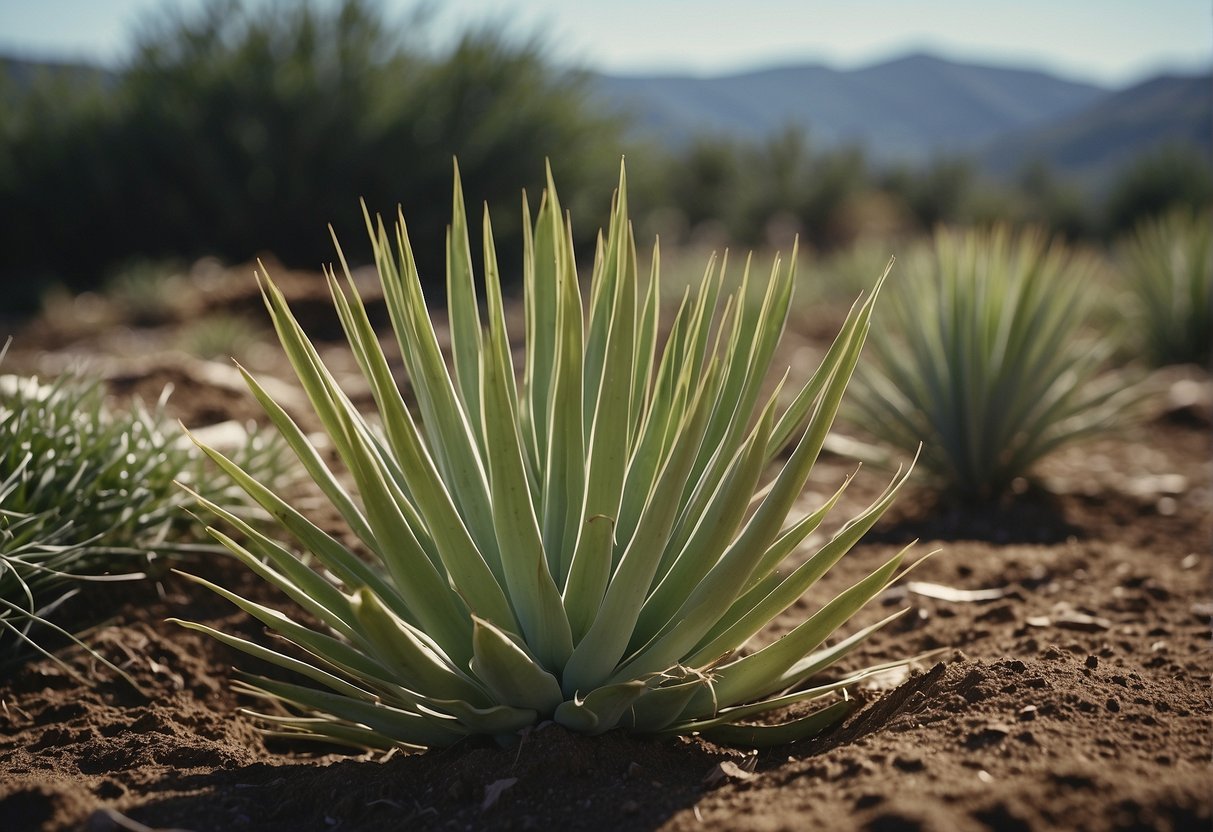
Understanding Yucca Plants is the first step in effectively removing them. Yucca plants have long, sword-like leaves that can grow up to three feet long. They also have a deep root system that can make them difficult to remove. Yucca plants are known for their resilience, and even if you cut them back, they will likely grow back quickly. It is essential to understand the plant’s growth pattern and root system to effectively remove it.
Manual Removal Techniques are one way to remove yucca plants from a cemetery. This involves digging up the plant’s root system using a shovel or other digging tool. However, manual removal can be time-consuming and physically challenging, especially if the yucca plants have spread throughout the cemetery. There are also risks involved with manual removal, such as damaging other plants in the area or injuring oneself.
Key Takeaways
- Understanding the growth pattern and root system of yucca plants is crucial for effective removal.
- Manual removal techniques can be time-consuming and physically challenging.
- Chemical control strategies can be effective but require caution and careful application.
Understanding Yucca Plants
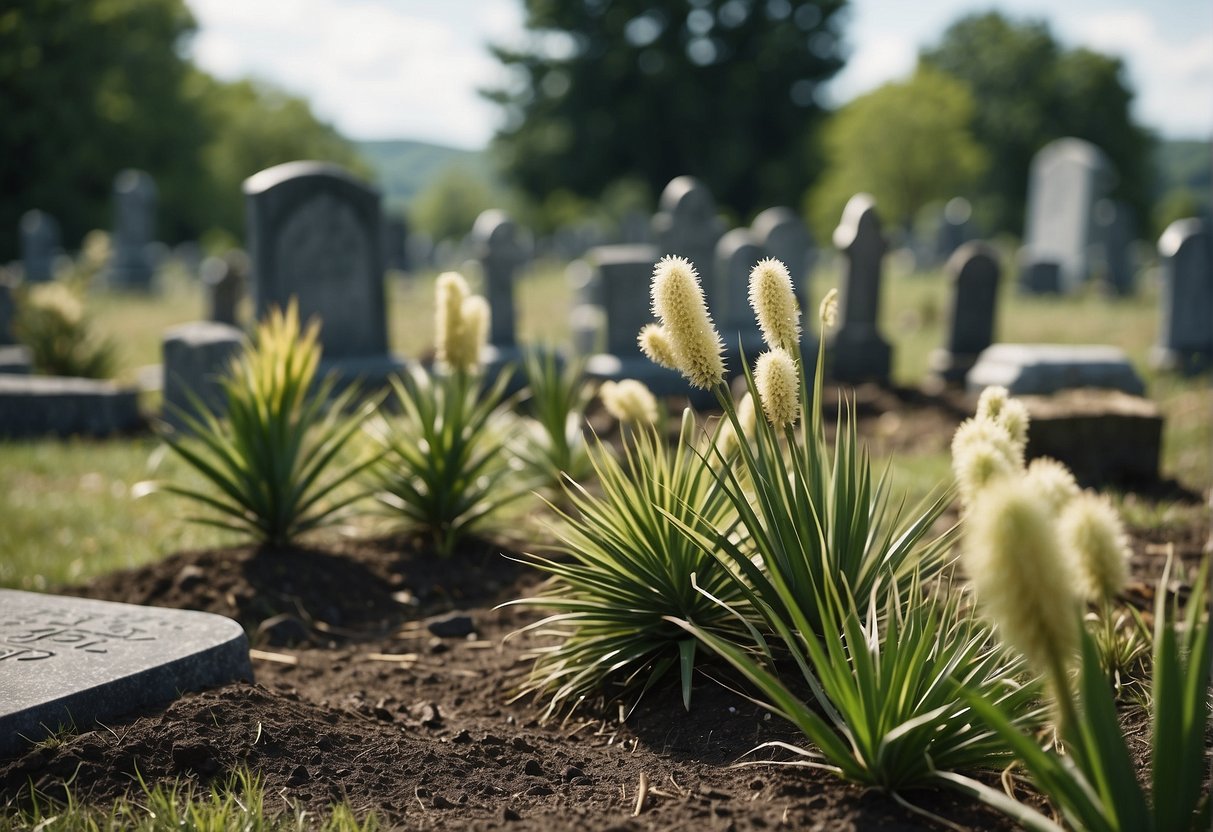
Yucca plants are a type of perennial plant that are commonly found in cemeteries and other outdoor spaces. These plants are known for their long, sword-shaped leaves and tall, spiky flowers. If you are looking to get rid of yucca plants in a cemetery in WV, it is important to understand their characteristics and growth patterns.
Characteristics of Yucca Plants
Yucca plants are known for their unique appearance. They have long, pointed leaves that can grow up to three feet in length. The leaves are typically dark green in color and have a waxy texture. Yucca plants also produce tall, spiky flowers that can grow up to eight feet in height.
One of the most notable characteristics of yucca plants is their hardiness. These plants are able to survive in a variety of different conditions, including drought and extreme temperatures. They are also resistant to many pests and diseases.
Growth Patterns and Root System
Yucca plants grow from a central stem and produce new growth from the base of the plant. The root system of a yucca plant is extensive and can spread out over a large area. The roots are typically shallow, but can also grow deep depending on the soil conditions.
When trying to remove yucca plants from a cemetery in WV, it is important to understand their growth patterns and root system. Yucca plants can be difficult to remove because of their extensive root system. It is important to remove as much of the root system as possible when trying to get rid of these plants.
In summary, understanding the characteristics and growth patterns of yucca plants is important when trying to remove them from a cemetery in WV. These plants are hardy and have an extensive root system, which can make them difficult to remove. By understanding these factors, you can take the necessary steps to effectively remove yucca plants from your outdoor space.
Manual Removal Techniques
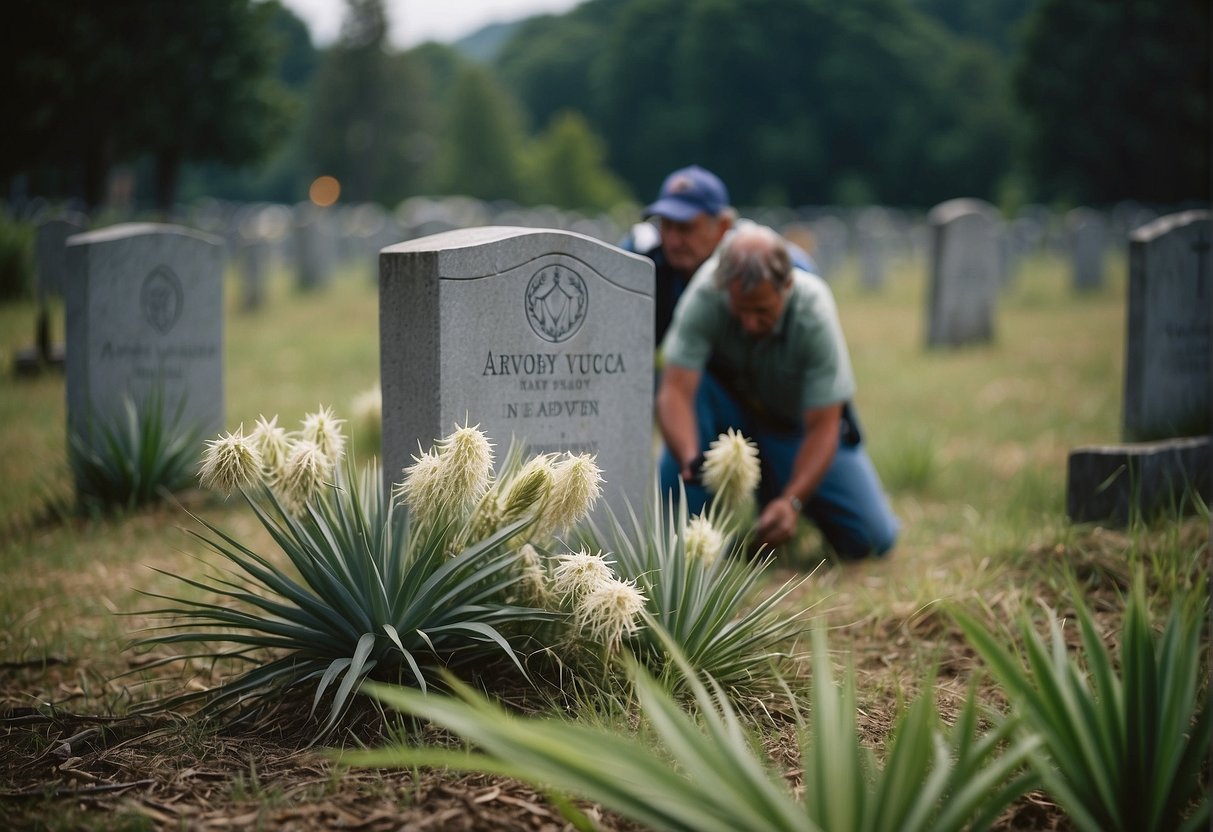
If you have decided to remove yucca plants in a cemetery in WV manually, there are a few techniques that you can use. Here are some effective methods that you can try:
Digging and Cutting Methods
One of the most common techniques for removing yucca plants is by digging them out. To do this, you will need a shovel or spade to dig around the base of the plant. Be sure to wear protective gloves and clothing to avoid getting injured or scratched by the plant’s sharp leaves.
Once you have dug around the plant, you can use pruning shears to cut the stem as close to the ground as possible. If the plant has a large root ball, you may need to use a saw or axe to cut through it. Make sure to remove as much of the root system as possible to prevent new shoots from sprouting.
Disposal of Removed Yuccas
After removing the yucca plants, you will need to dispose of them properly. You can either compost them or dispose of them in a landfill. If you choose to compost them, make sure to remove all the leaves and cut the stem into smaller pieces to speed up the decomposition process.
It is important to note that yucca plants can be difficult to remove completely, and new shoots may sprout from the remaining root system. Therefore, it is essential to monitor the area regularly and remove any new growth as soon as possible.
In conclusion, manual removal techniques can be effective in getting rid of yucca plants in a cemetery in WV. By using the right tools and following the proper procedures, you can remove the plants safely and efficiently.
Chemical Control Strategies
Selecting the Right Herbicide
When it comes to getting rid of yucca plants in a cemetery, herbicides can be an effective method of control. However, it is important to choose the right herbicide for the job. Look for a herbicide that is labeled for use on yucca plants and is safe to use in a cemetery setting. Glyphosate is a commonly used herbicide that can be effective in killing yucca plants, but it may also harm surrounding vegetation.
Another option is to use a herbicide that contains triclopyr, which is less likely to harm other plants. However, triclopyr can take longer to work than glyphosate, so be patient and follow the label instructions carefully.
Application Techniques
Once you have selected the right herbicide, it is important to apply it correctly to ensure effective control of the yucca plants. One method is to use a sprayer to apply the herbicide directly to the leaves of the plant. Be sure to wear protective clothing and follow the label instructions carefully to avoid any harm to yourself or others.
Another option is to cut the yucca plant down to its base and apply the herbicide directly to the stump. This method can be effective in killing the entire plant, including the roots. To enhance the effectiveness of the herbicide, you can mix it with vegetable oil or stump remover, which can help the herbicide penetrate the plant more effectively.
Remember, herbicides can be harmful to the environment and should be used carefully and responsibly. Always follow the label instructions and dispose of any leftover herbicide and containers properly.
Preventing Yucca Regrowth
Yucca plants can be quite stubborn and difficult to get rid of, but preventing their regrowth is key to keeping your cemetery free of them. Here are some effective ways to prevent yucca regrowth:
Natural Barriers and Mulching
One effective way to prevent yucca regrowth is by creating natural barriers around the area where they were removed. You can use materials such as rocks, bricks, or wood chips to create a physical barrier that prevents yucca roots from spreading. Additionally, mulching around the area can help to smother any remaining yucca sprouts and prevent them from growing.
There are several types of mulch that can be used, including cardboard, compost, plastic, and newspaper. Cardboard and newspaper can be laid down in thick layers to suffocate any remaining yucca sprouts. Compost can be used to add nutrients to the soil and improve its quality, which will help to prevent yucca from regrowing. Plastic can be used to cover the area and prevent sunlight from reaching the soil, which will also help to prevent yucca regrowth.
Monitoring and Maintenance
Regular monitoring and maintenance of the area is important to prevent yucca regrowth. This involves regularly checking the area for any signs of yucca sprouts and removing them immediately. It also involves keeping the area free of debris and other materials that can encourage yucca growth.
If yucca sprouts do appear, they should be removed by digging up the roots and disposing of them properly. It is important to remove all of the roots, as even small pieces can regrow and lead to a new yucca plant.
By following these methods, you can effectively prevent yucca regrowth and keep your cemetery free of these stubborn plants.
Frequently Asked Questions
What is the most effective method to remove large yucca plants?
To remove large yucca plants, it is recommended to use a shovel or a pickaxe to dig up the root system. It is important to remove as much of the root system as possible to prevent regrowth. Cutting the plant at the base will not be sufficient to remove the entire plant.
Can household vinegar be used to eradicate yucca roots?
Household vinegar is not an effective method for eradicating yucca roots. Yucca plants have a deep and extensive root system that requires a more aggressive approach for removal.
What are the legal considerations for digging up yucca plants?
Before removing yucca plants from a cemetery, it is important to check with local authorities regarding any regulations or permits required for digging up plants. It is also important to respect the cemetery’s rules and regulations.
Are there any herbicides specifically recommended for killing yucca plants?
There are herbicides available that are specifically designed to kill yucca plants. It is important to carefully read and follow the instructions on the herbicide label. It is also important to consider the potential environmental impact and safety risks associated with using herbicides.
How can one safely deal with potential damage caused by yucca roots?
Yucca roots can cause damage to surrounding structures and gravesites. It is recommended to consult with a professional landscaper or arborist to safely remove the yucca plant and repair any damage caused by the roots.
Is boiling water an efficient solution for killing yucca roots?
Boiling water is not an efficient solution for killing yucca roots. Yucca plants have a deep and extensive root system that requires a more aggressive approach for removal. Boiling water may also cause damage to surrounding structures and gravesites.

