
How to Dig and Ship Yucca Plants: Tips and Techniques
Extracting and transporting yucca plants might seem like an intimidating challenge, particularly for those who are beginners in gardening. Recognized for their hardy, blade-shaped leaves and impressive blooms on tall spikes, yucca plants naturally thrive in dry areas and are commonly utilized as decorative features in both gardens and larger landscapes. Should you intend to excavate and transport yucca plants, it’s crucial to adhere to specific guidelines to make sure the plants endure the relocation process.
First, you need to understand yucca plants and their care needs. Yucca plants require well-draining soil and plenty of sunlight to thrive. They are also drought-tolerant and can survive in hot, dry conditions. However, they are susceptible to root rot if they are overwatered or planted in poorly-draining soil. Understanding these care needs can help you prepare for digging and transplanting yucca plants.
Once you have prepared for digging and transplanting, you need to ensure that the plants are shipped safely. Shipping yucca plants can be tricky, as they are delicate and can be damaged during transportation. You need to pack the plants carefully and use appropriate shipping methods to ensure that they arrive at their destination in good condition. With the right knowledge and techniques, you can successfully dig and ship yucca plants without harming them.
Key Takeaways
- Understanding yucca plants and their care needs is essential before digging and transplanting.
- Proper preparation is crucial for successful digging and transplanting of yucca plants.
- Shipping yucca plants safely requires careful packing and appropriate shipping methods.
Understanding Yucca Plants
Yucca plants are a popular ornamental plant that is native to the Americas. They are known for their sword-shaped leaves and tall flower spikes. In this section, we will discuss the different species and varieties of yucca plants, their optimal growing conditions, and basic care.
Species and Varieties
There are over 40 species of yucca plants, and each species has its own unique characteristics. Some of the most common species include Yucca filamentosa, Yucca gloriosa, and Yucca brevifolia. Yucca plants also come in a variety of sizes, from small shrubs to large trees.
Optimal Growing Conditions
Yucca plants thrive in full sun and well-drained soil. They are drought-tolerant and can survive in a variety of climates, including desert and coastal regions. Yuccas are typically grown as perennials and should be planted in the spring.
Yucca Plant Care Basics
Yucca plants require minimal care once established. They should be watered regularly but allow the soil to dry out between waterings. Yucca plants do not require fertilizer, but a well-draining soil mix can help promote healthy growth. Pruning should be done in the late winter or early spring to remove dead or damaged leaves.
In conclusion, understanding the different species and varieties of yucca plants, their optimal growing conditions, and basic care can help ensure their success in your garden. With proper care, yucca plants can be a beautiful and low-maintenance addition to any landscape.
Preparing for Digging and Transplanting
When to Transplant Yucca
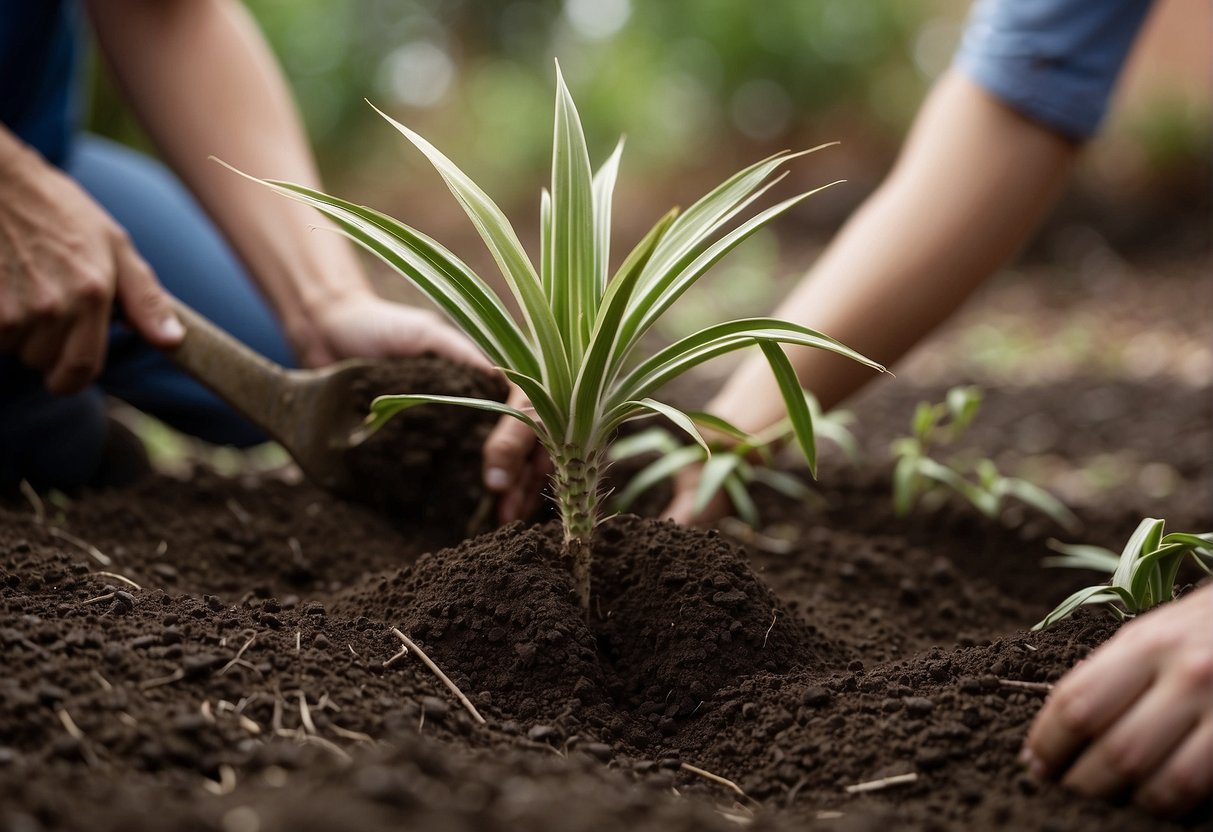
Transplanting yucca plants is best done in the fall or early spring when the plant is dormant. This will minimize stress on the plant and increase the chances of successful transplanting. If you must transplant during the growing season, do it on a cloudy day or in the early morning or late afternoon to avoid excessive heat.
Tools and Materials Needed
To transplant yucca plants, you will need a few tools and materials. These include a shovel, pruning shears, a pot or container, and soil. Make sure the container or pot is large enough to accommodate the root ball of the plant.
Digging Technique and Root Ball
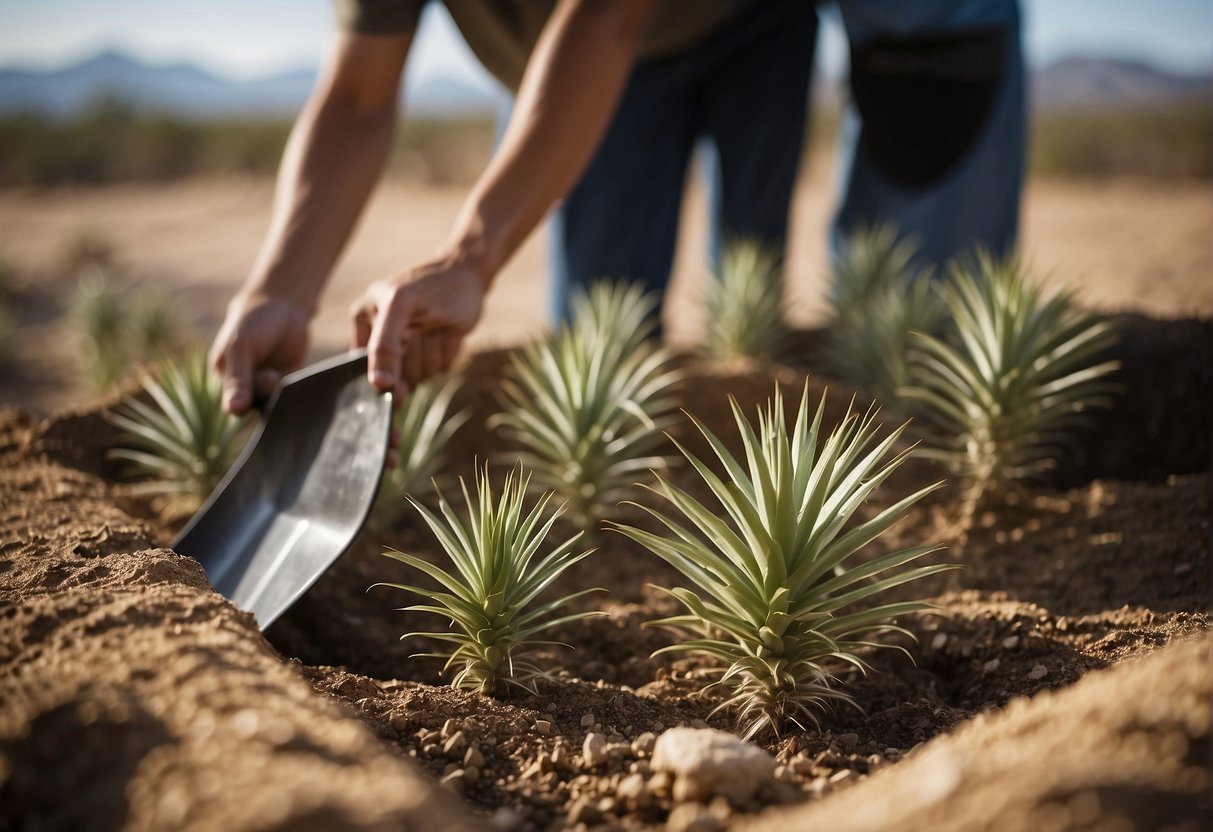
To dig up the yucca plant, start by cutting back any dead or damaged leaves using pruning shears. Then, using a shovel, dig around the plant at a distance of about 12 inches from the base. Dig down to a depth of at least 12 inches to ensure you get the entire root ball. Once you have dug around the plant, use the shovel to gently lift the root ball out of the ground.
When transplanting the yucca plant, make sure to keep the root ball intact. Place the root ball in the pot or container and fill in the gaps with soil. Make sure to water the plant thoroughly after transplanting to help it settle into its new environment.
By following these steps, you can successfully transplant yucca plants from your garden or landscape to a new location. Remember to transplant during the fall or early spring, use the right tools and materials, and take care to preserve the root ball for the best chance of success. Also, keep children away from the transplanting area to avoid accidents.
Shipping Yucca Plants Safely
If you are planning to move or ship your yucca plants, it is important to take the necessary steps to ensure their safety and well-being during the process. Here are some tips on how to prepare, package, and care for your yucca plants during shipment:
Preparing Yucca for Shipment
Before you start packing your yucca plants for shipment, make sure they are healthy and well-maintained. Check for any signs of damage or disease, and address any issues before moving them. It is also important to prune your plants to reduce their height and spread, making them easier to transport.
If your yucca plants are potted, remove them from their containers and gently shake off any excess soil. If they are not potted, carefully dig them up, making sure to keep the roots intact. Water your plants thoroughly a day or two before shipment to ensure they are well-hydrated.
Packaging Methods
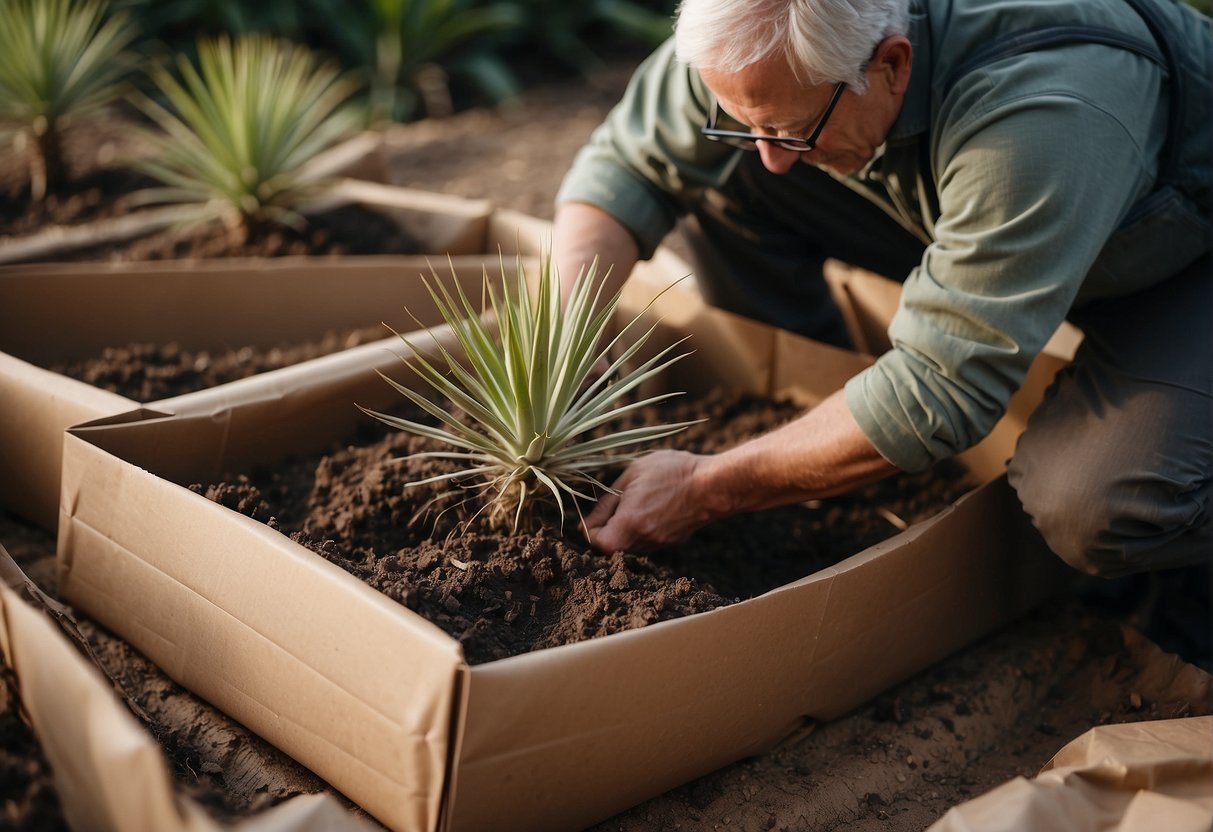
When packaging your yucca plants for shipment, it is important to use sturdy and secure containers that can withstand the rigors of transportation. Use boxes that are slightly larger than your plants, and fill any empty space with packing material such as newspaper or bubble wrap to prevent them from shifting during transit.
Wrap the plants with burlap or other breathable material to protect them from damage and to prevent them from drying out. Make sure to label the boxes clearly with the contents and any special instructions for handling.
Post-Shipment Care Instructions
After your yucca plants arrive at their destination, carefully unpack them and inspect them for any damage or signs of stress. If they are potted, replant them in well-drained soil and water them thoroughly. If they are not potted, plant them in a suitable location and make sure they receive adequate sunlight and water.
Monitor your yucca plants closely for the first few days after shipment, and provide any necessary care or maintenance. Avoid overwatering, as this can lead to root rot, and keep them away from pets that may be tempted to chew on them.
By following these tips, you can ensure that your yucca plants arrive safely and in good condition, ready to thrive in their new environment.
Frequently Asked Questions
What is the proper method for transplanting a mature yucca plant?
When transplanting a mature yucca plant, it is important to dig a wide hole around the plant to minimize root damage. Gently remove the plant from the ground and shake off any excess soil. Trim any damaged or broken roots and replant the yucca in well-draining soil. Water the plant thoroughly and avoid fertilizing for at least a month.
How should yucca cuttings be prepared for planting?
Yucca cuttings should be taken from the top of the plant and allowed to dry for a few days before planting. Once the cuttings have calloused over, they can be planted in well-draining soil. Keep the soil moist but not waterlogged and avoid fertilizing until the cuttings have rooted.
What steps should be taken to minimize transplant shock in yucca plants?
To minimize transplant shock in yucca plants, it is important to water the plant thoroughly before and after transplanting. Avoid fertilizing for at least a month and provide the plant with plenty of sunlight. Cover the plant with a shade cloth for a few days after transplanting to protect it from direct sunlight.
What are the legal considerations when digging up yucca plants?
Before digging up yucca plants, it is important to check local laws and regulations. Some states and municipalities have restrictions on digging up native plants. It is also important to obtain permission from the landowner before digging up any plants on private property.
What is the best way to pack live yucca plants for shipping?
When packing live yucca plants for shipping, wrap the plant in moist newspaper or burlap to prevent the roots from drying out. Place the plant in a sturdy box and fill any empty space with packing material, such as crumpled newspaper or packing peanuts. Label the box as “live plants” and ship the package as quickly as possible.
How can one safely ship live plants across state lines?
When shipping live plants across state lines, it is important to check state and federal regulations. Some states have restrictions on importing certain plants or plant material. It is also important to package the plants properly to prevent damage during shipping. Label the package as “live plants” and ship the package as quickly as possible to minimize transit time.

