
How Often to Water Yucca Plants in Southern California: Expert Advice
If you reside in Southern California and yucca plants adorn your garden, you might question their watering frequency. Renowned for their resilience and capability to endure drought-like conditions, yucca plants nonetheless need regular watering to flourish. Familiarizing yourself with the appropriate watering routine can aid in maintaining their well-being and extending their lifespan.
Understanding Yucca Plant Needs
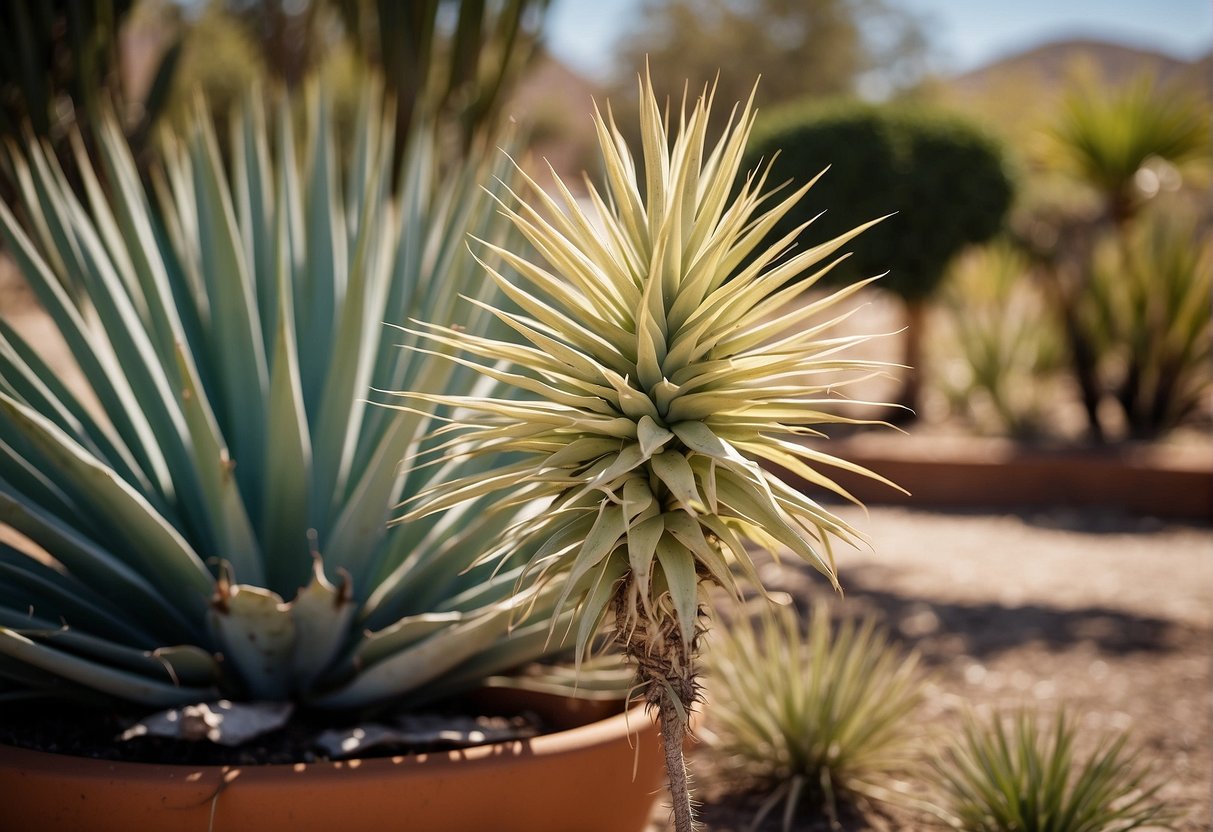
Before we dive into the specifics of watering yucca plants in Southern California, it’s important to understand their needs. Yucca plants are native to arid regions of North and Central America, and they are adapted to survive in dry, sandy soils. They have long, spiky leaves and a deep root system that allows them to store water and withstand drought conditions. However, this doesn’t mean that they can survive without any water at all. Like all plants, yuccas need some water to grow and thrive.
Understanding Yucca Plant Needs
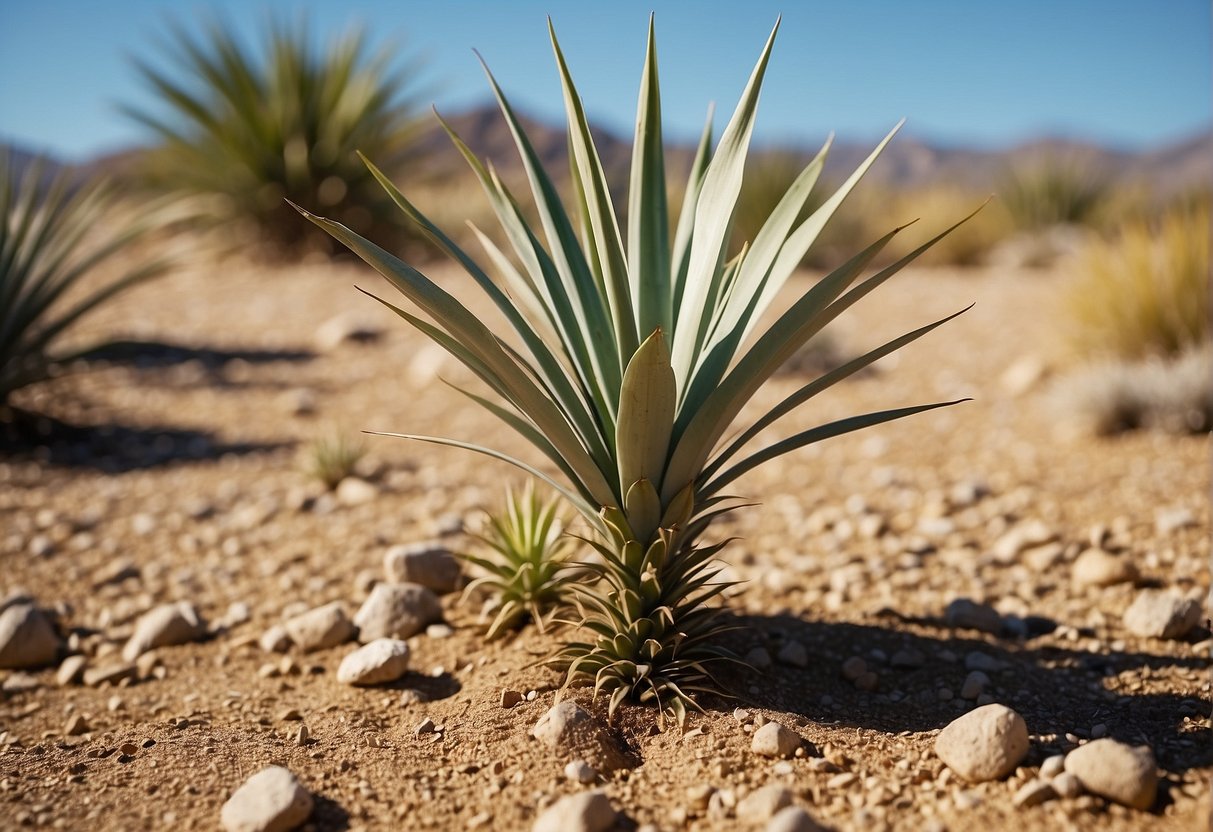
Yucca plants are native to hot and dry regions of North and Central America. They are popular ornamental plants in Southern California due to their unique appearance and low maintenance requirements. Proper watering is essential to keep your yucca plants healthy and thriving. Here are some things you need to know about their needs.
Soil and Drainage Requirements
Yucca plants prefer well-draining soil that is slightly acidic to neutral. They can tolerate sandy, loamy, or rocky soil types as long as there is good drainage. It is essential to use a pot or container with drainage holes to prevent waterlogging, which can lead to root rot.
If you are planting yucca plants in the ground, make sure the soil is loose and well-draining. You can also amend the soil by adding sand or gravel to improve drainage.
Sunlight and Temperature Factors
Yucca plants thrive in full sun to partial shade. They can tolerate high temperatures and drought conditions, but they may suffer in extreme heat or cold. In Southern California, yucca plants can grow in USDA hardiness zones 8 to 11.
During the summer months, it is essential to provide enough water to keep the soil moist but not waterlogged. You can check the soil moisture level by sticking your finger about an inch deep into the soil. If it feels dry, it’s time to water.
In the winter, yucca plants go dormant and require less water. You can reduce watering frequency to once every two to three weeks, depending on the soil and weather conditions.
By understanding the soil and drainage requirements and sunlight and temperature factors, you can provide the right care for your yucca plants in Southern California.
Watering Yucca Plants in Southern California
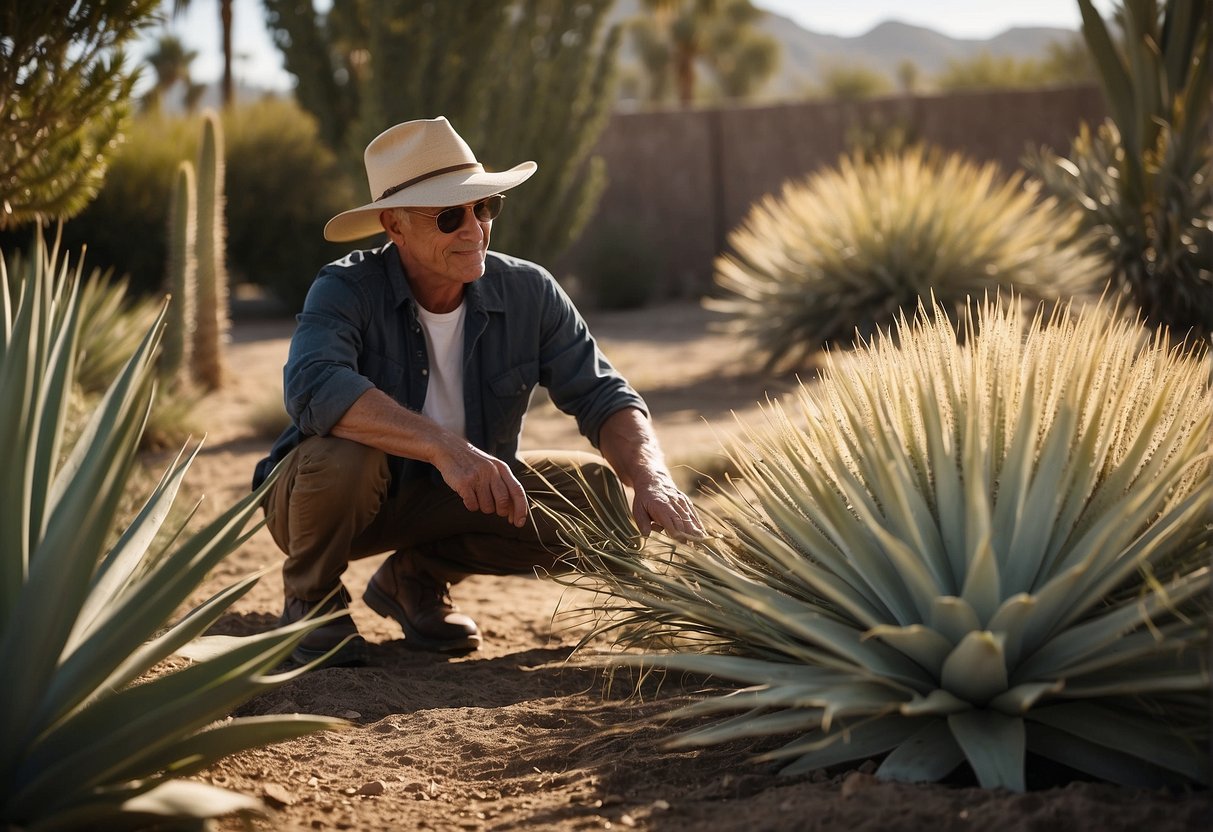
Yucca plants are a popular choice for both indoor and outdoor landscaping in Southern California. These plants are known for their hardiness and ability to thrive in arid environments. However, proper watering is crucial for the health and longevity of your yucca plants.
Indoor Yucca Plant Watering
Indoor yucca plants require less water than their outdoor counterparts. During the summer months, you should water your indoor yucca plant once every two weeks. In the winter months, you can reduce watering to once a month. It is important to allow the soil to dry out completely between waterings to prevent root rot.
To ensure proper drainage, use a pot with drainage holes and a well-draining soil mix. You can also add a layer of gravel or sand at the bottom of the pot to improve drainage.
Outdoor Yucca Plant Watering
Outdoor yucca plants require more frequent watering than indoor plants, especially during the hot summer months. During the summer, you should water your outdoor yucca plant once a week. In the winter months, you can reduce watering to once every two weeks.
It is important to adjust your watering schedule based on the rainfall in your area. If there has been a lot of rain, you may not need to water your yucca plant as frequently. Conversely, if there has been a drought, you may need to water your plant more often.
To ensure proper drainage, plant your yucca in well-draining soil and avoid overwatering. Overwatering can lead to root rot and other plant diseases.
In summary, proper watering is essential for the health and longevity of your yucca plants. By following these guidelines, you can ensure that your indoor and outdoor yucca plants thrive in Southern California’s arid climate.
Signs of Improper Watering
When it comes to watering your yucca plant, it is important to strike the right balance. Overwatering or underwatering can lead to various problems for your plant, including root rot, wilting, and yellow or brown leaves. In this section, we will discuss the signs of improper watering to help you identify and rectify any issues.
Overwatering Symptoms
Overwatering is a common problem for yucca plants, especially in Southern California where the climate is generally dry. When you overwater your plant, the roots become waterlogged and can’t absorb oxygen, leading to root rot. Here are some signs that you may be overwatering your yucca plant:
- Yellow or brown leaves that are soft and mushy to the touch
- Wilting or drooping leaves
- A foul smell coming from the soil
- Mold or fungus growing on the soil surface
If you notice any of these symptoms, it’s important to cut back on watering and allow the soil to dry out. You may also need to repot your plant in fresh, well-draining soil to prevent further root rot.
Underwatering Indicators
Underwatering can also be a problem for yucca plants, especially if you live in an area with high temperatures or low humidity. When you underwater your plant, the leaves may start to turn yellow or brown and become brittle. Here are some signs that you may be underwatering your yucca plant:
- Dry, crispy leaves that are falling off the plant
- The soil feels dry to the touch
- Wilting or drooping leaves that don’t recover after watering
If you notice any of these symptoms, it’s important to water your plant more frequently and ensure that the soil is moist but not waterlogged. You may also want to consider misting the leaves or placing a humidifier near your plant to increase humidity levels.
In summary, proper watering is essential for the health of your yucca plant. By paying attention to the signs of overwatering and underwatering, you can ensure that your plant thrives in Southern California’s dry climate.
Maintaining Yucca Plant Health
Yucca plants are hardy and low-maintenance, but they do require some care to thrive. Proper watering, pruning, and repotting can help keep your yucca plant healthy and beautiful.
Preventing Common Diseases and Pests
Yucca plants are susceptible to certain diseases and pests, but you can prevent these problems by following a few simple steps. First, make sure your plant is getting enough light and air circulation. Overwatering and poor drainage can lead to root rot, which can be fatal to yucca plants. To prevent root rot, allow the soil to dry out completely before watering again.
Mealybugs and other insects can also infest yucca plants. To prevent infestations, inspect your plant regularly and remove any pests you find. You can also use insecticidal soap or neem oil to control pests.
Pruning and Repotting Yuccas
Pruning is an important part of yucca plant maintenance. Regular pruning can help keep your plant looking neat and healthy, and can also prevent the growth of new shoots. To prune your yucca plant, use clean, sharp pruning shears to remove any dead or damaged leaves. You can also remove any new shoots that are growing from the base of the plant.
Repotting is another important part of yucca plant care. Yucca plants should be repotted every 2-3 years to prevent overcrowding and to provide fresh soil and nutrients. When repotting, choose a pot that is slightly larger than the current one, and use a well-draining soil mix. Be sure to water your plant thoroughly after repotting.
By following these simple tips, you can keep your yucca plant healthy and thriving for years to come.
Frequently Asked Questions
What is the appropriate watering schedule for a yucca plant during the hot summer months in Southern California?
During the hot summer months in Southern California, it is recommended to water your yucca plant once a week. However, the frequency of watering may vary depending on the size of the plant, the type of soil, and the amount of sunlight it receives. It is important to avoid overwatering, as this can lead to root rot and other problems.
Can overwatering affect my yucca plant, and how can I identify the signs?
Yes, overwatering can affect your yucca plant. Signs of overwatering include yellowing leaves, soft or mushy stems, and a foul odor coming from the soil. If you notice any of these signs, reduce the frequency of watering and make sure the soil is well-draining.
Is misting beneficial for yucca plants, and under what circumstances should it be done?
Misting can be beneficial for yucca plants, especially during dry weather or in indoor settings with low humidity. However, it should not be done too frequently, as excess moisture can lead to fungal growth. It is recommended to mist yucca plants once or twice a week, depending on the humidity level and the amount of sunlight it receives.
What are the indicators that a yucca plant is in need of water?
Indicators that a yucca plant is in need of water include wilting leaves, dry soil, and a droopy appearance. However, it is important to avoid waiting until the plant is severely dehydrated before watering, as this can cause stress and damage to the plant.
How should I adjust yucca plant watering practices for indoor versus outdoor settings?
For indoor yucca plants, it is important to avoid overwatering, as excess moisture can lead to fungal growth and other problems. Water your indoor yucca plant once a week or as needed, depending on the humidity level and the amount of sunlight it receives. For outdoor yucca plants, watering frequency may vary depending on the weather conditions and the type of soil.
What special considerations should I take into account when watering an outdoor yucca plant during winter?
During winter, it is important to reduce the frequency of watering for outdoor yucca plants, as they enter a dormant state and require less water. Water your outdoor yucca plant once every two to three weeks, depending on the weather conditions and the type of soil. Avoid watering during freezing temperatures, as this can cause damage to the plant.

