
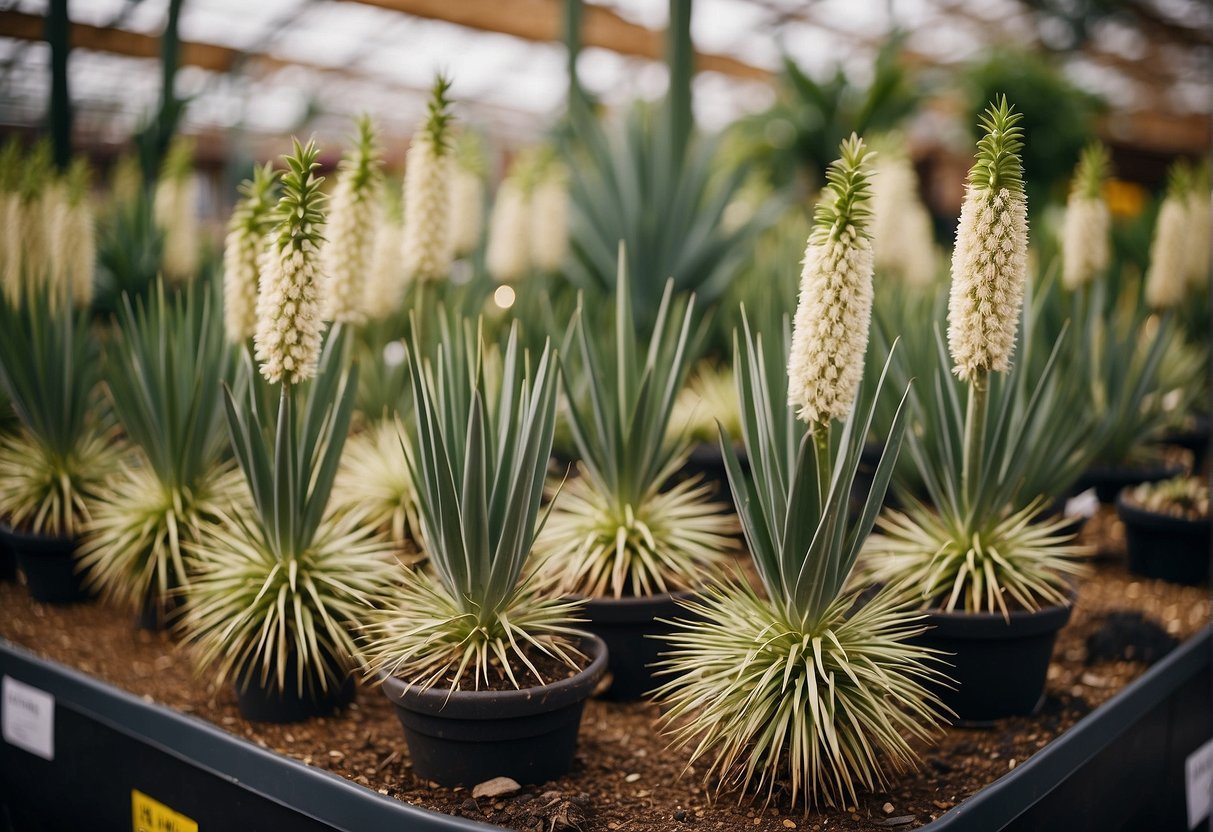
How Much Do Yucca Plants Cost: A Pricing Guide
Should you be interested in introducing some plant life into your home or work environment, you might be thinking about acquiring a yucca plant. Yucca plants boast a distinctive look and are famed for their low maintenance requirements, which is why they are frequently favored by plant lovers. However, what is the price point of yucca plants? In the following article, we will explore the cost associated with yucca plants and offer advice on choosing and maintaining them.
Understanding Yucca Plant Pricing
The price of a yucca plant can vary depending on several factors, including the size, variety, and where you purchase it. Generally, smaller yucca plants can range from $10 to $50, while larger ones can cost up to $200 or more. Keep in mind that some specialty varieties may be more expensive than others.
Yucca Plant Varieties and Characteristics
Yucca plants come in a variety of shapes and sizes, from the tall and spiky Yucca elephantipes to the compact and rosette-like Yucca filamentosa. Each variety has its own unique characteristics and care requirements. Understanding these differences can help you select the right yucca plant for your space and budget.
Key Takeaways
- Yucca plant prices can vary depending on size, variety, and where you purchase them.
- Yucca plants come in a variety of shapes and sizes, each with its own unique characteristics and care requirements.
- When selecting a yucca plant, consider both your space and budget to find the right fit.
Understanding Yucca Plant Pricing
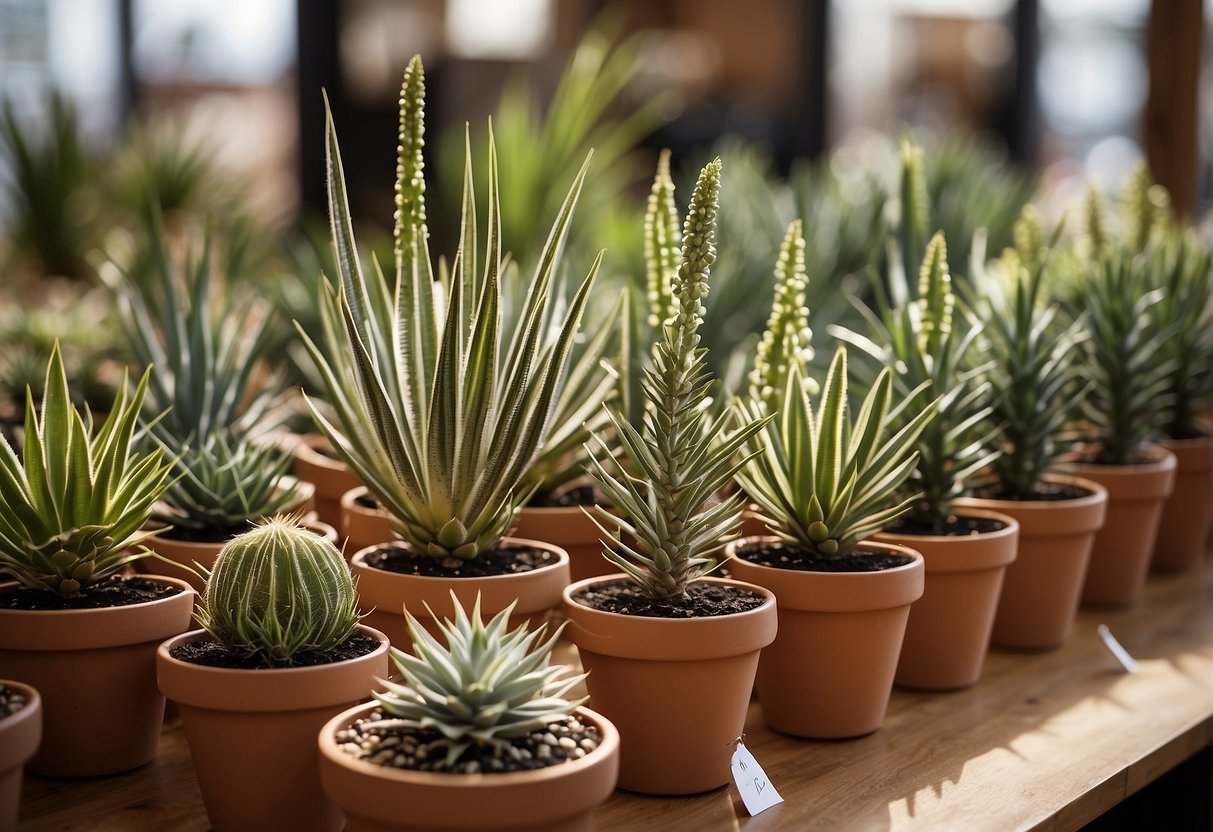
If you are planning to buy a yucca plant, it is important to understand the factors that influence their cost. This will help you make informed decisions and get the best value for your money.
Factors Influencing Cost
The cost of a yucca plant depends on several factors, including its size, type, and where you buy it from. Larger plants are generally more expensive than smaller ones, and some types of yucca plants are rarer and more expensive than others.
The location where you buy your yucca plant can also influence its cost. Garden centers and nurseries may offer a wider variety of yucca plants, but they may be more expensive than buying from a local plant sale or online retailer.
Average Price Range
On average, yucca plants can range in price from $10 to $100 or more, depending on the factors mentioned above. Here is a breakdown of the average price range for different types of yucca plants:
- Yucca filamentosa (Adam’s Needle): $10-$20
- Yucca gloriosa (Spanish Dagger): $20-$30
- Yucca rostrata (Beaked Yucca): $50-$100
- Yucca elephantipes (Spineless Yucca): $50-$100
It is important to note that prices may vary depending on the location and season. Additionally, larger plants may cost more than the average price range mentioned above.
In conclusion, understanding the factors that influence the cost of yucca plants can help you make informed decisions when purchasing. Keep in mind that prices may vary depending on several factors, and it is always a good idea to compare prices from different sources before making a purchase.
Yucca Plant Varieties and Characteristics
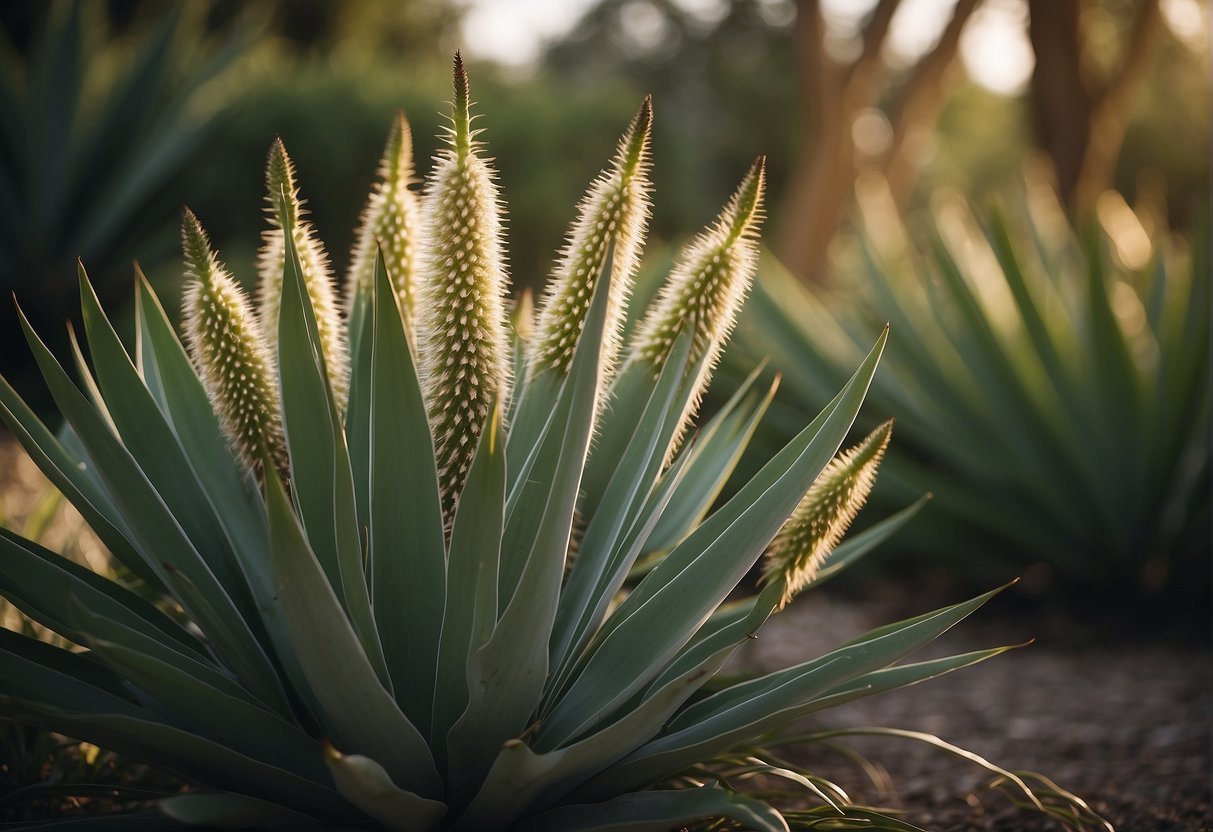
Yucca plants are a popular choice for adding a touch of exotic beauty to your garden or home. These plants are known for their unique appearance and hardiness, making them a great choice for both indoor and outdoor spaces. In this section, we will discuss the common types of yucca plants and their physical attributes.
Common Types of Yucca
There are many different types of yucca plants available, each with its own unique characteristics. Some of the most common types include:
- Yucca filamentosa: Also known as Adam’s needle, this plant has spiny leaves and produces white flowers.
- Yucca gloriosa: This plant has blue-green leaves and produces white flowers.
- Yucca elephantipes: Also known as the spineless yucca, this plant has long, sword-shaped leaves and can grow up to 30 feet tall.
- Yucca aloifolia: This plant has blue-green leaves and produces white flowers.
- Yucca brevifolia: Also known as the Joshua tree, this plant has spiny leaves and can grow up to 40 feet tall.
- Yucca rostrata: This plant has silvery green leaves and produces white flowers.
- Yucca flaccida: This plant has variegated leaves and produces white flowers.
Physical Attributes
Yucca plants have a unique appearance that sets them apart from other plants. They typically have spiny leaves and produce large, showy flowers. The texture of the leaves can vary from smooth to rough, depending on the species. Some yucca plants have blue-green leaves, while others have silvery green leaves.
The flowers of yucca plants are typically white, but can also be yellow, pink, or red. They are large and showy, and can add a beautiful touch to any garden or home. Yucca plants are also known for their hardiness, making them a great choice for outdoor spaces that experience harsh weather conditions.
In conclusion, yucca plants are a unique and beautiful addition to any garden or home. With their spiny leaves and large, showy flowers, they are sure to add a touch of exotic beauty to your space. Whether you choose a variegated yucca or a silvery green yucca, you can be confident that you are making a great choice for your space.
Yucca Plant Care and Maintenance
If you’re considering adding a yucca plant to your garden or home, it’s important to know how to take care of it properly. Yucca plants are low maintenance and drought-tolerant, making them a great addition to any landscape. Here are some tips on how to care for your yucca plant.
Optimal Growing Conditions
Yucca plants prefer full sun and well-drained soil. They are hardy in zones 5-11 and can grow up to 10 feet in height and width. Yuccas are native to arid areas, so they are drought-tolerant and don’t require much water. They also prefer a location with good air circulation to prevent pests and diseases.
Pruning and Problem Management
Yucca plants are relatively low maintenance, but they may need occasional pruning to remove dead or damaged leaves. If you notice brown tips on the leaves, it may be a sign of underwatering or overfertilization. Yuccas are generally pest and disease resistant, but they may attract deer, moths, butterflies, and hummingbirds with their flower spikes.
Propagation of yucca plants can be done through planting offsets or by seed. Yuccas can also be grown in containers, but they will need to be repotted every few years. Some popular yucca varieties include the Spanish bayonet, Adam’s needle, and variegated foliage.
In summary, yucca plants are a great addition to any landscape or home due to their low maintenance and drought-tolerant nature. By providing optimal growing conditions and occasional pruning, you can enjoy the beauty of these green, white, yellow, and blue plants with minimal effort.
Where to Buy and How to Select a Yucca Plant
If you’re looking to add a touch of the Southwest to your home or garden, a yucca plant might be just what you need. With their rosette-shaped foliage and tall, spiky flower stalks, yuccas are a distinctive and eye-catching addition to any landscape. But with so many varieties to choose from, how do you know which one is right for you?
Choosing the Right Yucca for Your Space
Before you start shopping for a yucca plant, it’s important to consider your space and what you’re looking for in a plant. If you have a large outdoor area, you might want to consider a larger yucca variety like the Joshua tree or the spineless yucca. These plants can grow up to 30 feet tall and 15 feet wide, making them a great choice for filling in large spaces.
If you’re looking for a smaller plant to add to your indoor collection, you might want to consider the Adam’s needle or the gold yucca. These varieties are more compact and can be grown in pots or containers.
When selecting your yucca plant, be sure to look for a healthy specimen with no signs of pests or problems. Check the leaves for mealybugs or scale, and inspect the roots for any signs of root rot. A mature plant with a well-established root system is also a good indicator of a healthy plant.
Purchasing Options and Considerations
Yucca plants can be found at most garden centers and nurseries, as well as online retailers. When purchasing your plant, be sure to consider the size and age of the plant, as well as the price. Larger plants will typically cost more than smaller ones, but they may also be more established and require less patience to grow.
If you’re looking to save money, you might want to consider purchasing a yucca plant through division. This involves separating a mature plant into smaller sections and replanting them. This can be a cost-effective way to grow your collection, but it does require some patience and care to ensure the new plants take root.
When potting your yucca plant, be sure to use a well-drained soil and a container with plenty of drainage holes. Yuccas are susceptible to root rot, so it’s important to avoid overwatering and to allow the soil to dry out between waterings.
Pruning yucca plants is generally not necessary, but if you do need to trim back dead or damaged leaves, be sure to use sharp, clean tools to avoid introducing pests or diseases. And if you do encounter pest problems like aphids or agave plant bugs, be sure to treat them promptly to avoid further damage to your plant.
With a little patience and care, a yucca plant can be a beautiful and low-maintenance addition to your home or garden.
Frequently Asked Questions
What is the price range for yucca plants at garden centers?
The price range for yucca plants at garden centers can vary depending on the size and type of plant. On average, small yucca plants can cost anywhere from $10 to $30, while larger specimens can range from $50 to $100.
How much does a mature yucca tree typically cost?
Mature yucca trees can be quite expensive, with prices ranging from $200 to $500 or more. The cost will depend on the size and age of the tree, as well as the species.
What are the costs associated with different types of yucca plants?
There are many different types of yucca plants, each with their own unique characteristics and costs. Some of the most popular varieties include the Spanish bayonet, the Joshua tree, and the banana yucca. Prices for these plants can vary depending on their size and rarity.
Can I find yucca plants for sale online and how do their prices compare to local nurseries?
Yes, you can find yucca plants for sale online from a variety of retailers. Prices for online plants can be comparable to those found at local nurseries, but you may need to factor in shipping costs and the potential for damage during shipping.
What is the average cost of a large outdoor yucca plant?
The average cost of a large outdoor yucca plant can range from $100 to $300 or more. Again, the price will depend on the size and species of the plant.
Do prices for yucca plants vary significantly between home improvement stores and local nurseries?
Prices for yucca plants can vary between home improvement stores and local nurseries, but the difference is usually not significant. It’s always a good idea to compare prices and quality before making a purchase.

